Why Mid-Size Electric City Buses Fit Growing Cities
Mid-size electric city buses are the best way for cities to provide safe and effective public transportation as they grow. These multipurpose vehicles are in between small public transit choices and full-sized buses. They are easier to move through crowded streets while still carrying enough people. Their electric powertrains don't release harmful fumes, make less noise, and require a lot less upkeep than diesel options. Mid-size electric city bus solutions are strategically placed to help growing cities deal with issues like limited infrastructure space, tight budgets, and stricter environmental rules, all while providing reliable, comfortable public transportation that is necessary for urban mobility growth.
Comprehending Mid-Size Electric City Buses: Features, Benefits, and Technology

Mid-size electric city buses are an important part of modern urban transportation because they provide reasonable options for cities that are growing. Most of the time, these vehicles can fit 30 to 60 people and are small enough to easily handle narrow city streets and busy crossings. Their design theory is based on making operations as efficient as possible without lowering safety or comfort standards for passengers.
Advanced Electric Powertrain Technology
When compared to standard combustion engines, these buses' electric motor technology is a big step forward. Electric motors provide fast power, which makes acceleration smooth and improves passenger comfort during stop-and-go city operations. Compared to diesel engines, which only achieve 35–45% heat efficiency, these systems work amazingly well, turning about 85–95% of electrical energy into motion.
The science behind batteries is what makes electric buses work. Modern lithium-ion battery packs have energy levels between 150 and 250 Wh/kg, which means they can work for 200 to 400 kilometers on a single charge. Advanced battery management systems keep an eye on charge cycles, voltage levels, and cell temperatures to make sure the batteries work at their best and last longer than 8 to 10 years of normal use.
Environmental Impact and Sustainability Benefits
Electric buses don't have any engine pollution, which makes a big difference in improving the air quality in cities. Studies show that switching from a gasoline bus to an electric bus stops about 1,600 tons of CO2 from being released each year. Having less noise pollution is another important benefit. Electric buses only make 65 to 70 decibels of noise, while diesel buses make 75 to 80 decibels.
When the vehicle slows down, the regenerative braking systems collect energy. This energy is then fed back into the battery packs, which increases the range by 10 to 15 percent. This technology improves overall energy economy while reducing brake wear. It shows the advanced engineering that makes electric buses better for the environment than regular ones.
Comparing Mid-Size Electric City Buses with Other Bus Types: Making the Right Choice

Transit companies must make careful decisions when selecting the right vehicles for their growing networks. Understanding the advantages and trade-offs of different bus configurations, including the mid-size electric city bus, helps procurement teams make strategic choices that meet operational needs while staying within budget.
Capacity and Operational Flexibility Analysis
Mid-size electric buses can carry the most people on lines with mild to high ridership without requiring as much equipment as articulated buses. Their 30- to 60-passenger capacity works well in busy urban areas, and they can still get through historic districts and narrow business areas where bigger vehicles can't go safely.
Flexibility in operations is especially useful when routes and services need to be changed. These buses are easy to change to meet the needs of different users, the seasons, and special events. Fleet managers like this flexibility because it helps them balance service coverage with working efficiency across a wide range of route networks.
Total Cost of Ownership Comparison
A close look at the numbers shows that electric buses are clearly better than other options. Initial purchase prices are still 40–60% higher than diesel equivalents, but operating saves add up quickly because fuel costs go down, maintenance needs go down, and car lifecycles get longer.
Diesel cars usually cost $0.45 to $0.65 per mile to run, while electric buses usually cost $0.15 to $0.25 per mile. Maintenance costs drop by 50–70% because there are fewer moving parts, oil changes aren't needed, and the brake system wears down less because of regenerative stopping technology.
Federal tax credits, state handouts, and energy rebate programs are just a few of the ways that the government makes things more financially appealing. The Infrastructure Investment and Jobs Act gives a lot of money to buy electric buses, which makes it easier for transport companies across the country to accept them.
Procurement Considerations for Mid-Size Electric City Buses
To make a good purchase, you need to look at a lot of things, not just the original cost of the car. When transit organizations decide what to buy, they need to think about the charging infrastructure needs, the supplier's skills, the warranty terms, and the long-term service support.
Supplier Evaluation and Selection Criteria
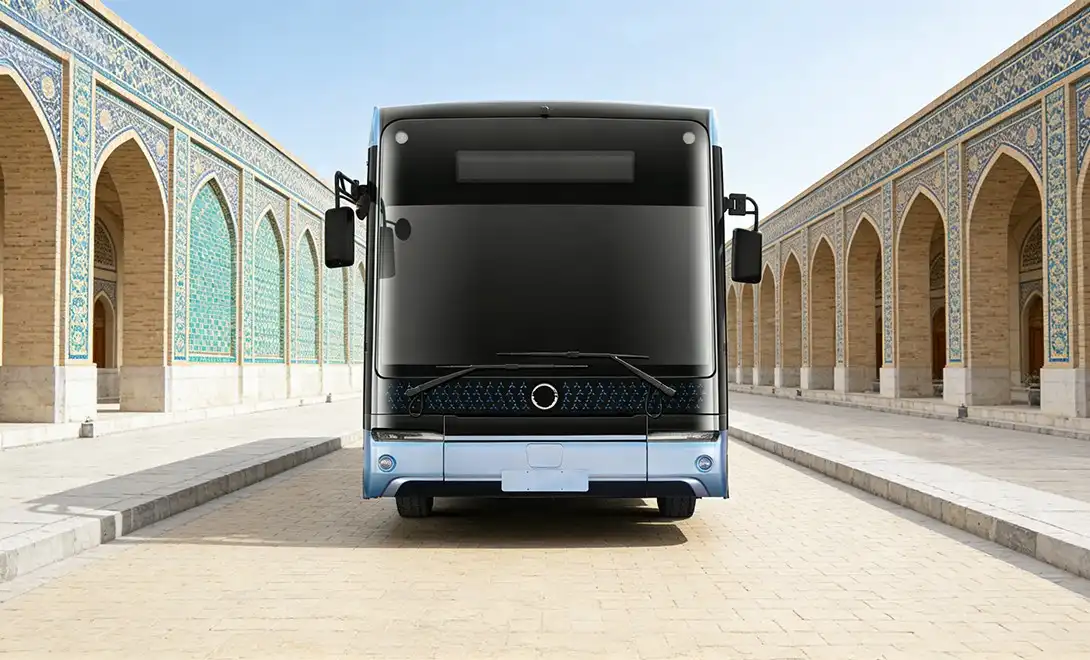
To identify reliable suppliers for a mid-size electric city bus, you need to evaluate their production capabilities, quality certifications, and after-sales support systems. Leading manufacturers demonstrate their credibility through established ISO 9001 quality management systems, relevant automotive industry certifications, and a proven track record in electric vehicle production.
Warranty coverage is an important factor in deciding what to buy, especially for battery systems that make up a big part of the value of the car. Batteries are usually covered for 8 to 12 years, the engine is protected, and there are large service support networks. Suppliers that are financially stable make sure that parts will always be available and that service will continue throughout the span of a car.
It's important to take a close look at technical support skills like training programs for repair staff, diagnostic equipment, and remote tracking systems. Modern suppliers offer cloud-based fleet management systems that give real-time information on how well vehicles are performing, alerts for preventative repair, and suggestions for improving operating efficiency.
Infrastructure Planning and Implementation
Planning charging infrastructure means coordinating when vehicles are bought and when facilities are built. The most common method is depot charging, which requires upgrading the electricity, installing charging equipment, and making changes to the building to fit the new ways of doing things.
Electrical infrastructure surveys look at how much power the utilities are currently using, what upgrades are needed, and how to schedule the installations so that they don't affect service too much. Working with utility companies early on in the planning process can help you get better demand charge rates and find reward programs that lower the cost of building infrastructure.
Operational and Maintenance Insights for Mid-Size Electric City Bus Fleets
Managing an electric bus fleet is very different from managing a diesel fleet. New processes, training programs, and repair practices are needed. Knowing about these changes in operations helps fleet managers get ready for smooth shifts while also improving the performance and dependability of their vehicles.
Maintenance Efficiency and Cost Reduction
Electric buses make upkeep easier because they don't need complicated engine systems, transmission parts, or tools for cleaning the exhaust. Regular maintenance checks the health of the batteries, the electric motors, and common parts of the car like the brakes, tires, and HVAC system.
Compared to diesel buses, maintenance periods are much longer. For example, some electric types only need to be serviced every 15,000 to 20,000 miles. This lower frequency of repair lets smaller maintenance teams serve bigger fleets while cutting down on car downtime and service interruptions.
Due to their advanced diagnostic capabilities, electric buses enable predictive maintenance that identifies potential issues before they occur, a key feature of the mid-size electric city bus. Advanced telematics systems constantly monitor component health, battery performance, and motor efficiency, providing maintenance teams with precise data to better plan service schedules and manage parts inventory.
Environmental Benefits and Regulatory Compliance
Using electric buses helps cities meet their green goals and helps transit agencies follow the stricter environmental rules that are being made. Zero local pollution help clean up the air in cities, which is especially helpful in crowded city areas and places that are sensitive to the environment.
Noise reduction helps more than just passengers' comfort; it also makes relationships between people in the community better. Early in the morning and late at night, electric buses can run without bothering residential areas. This could mean longer service hours and easier access to public transit for shift workers and people visiting the entertainment district.

Future Trends and Strategic Outlook for Mid-Size Electric City Buses in Urban Transport
The electric bus industry is still changing quickly thanks to new technologies, better manufacturing scales, and changes in policies that help the industry. Procurement experts can make smart choices that will help their fleets succeed in the long run by understanding new trends.
Technology Innovation and Performance Enhancement
Better car performance is driven by advances in battery technology that make batteries more dense, charge faster, and last longer. Solid-state batteries are the next phase of energy storage. Compared to current lithium-ion technology, they promise 40–50% more energy density and better safety.
Wireless charging technology could be useful for businesses because it can automatically charge devices when people are waiting to be charged or at set stops along the path. Inductive charging systems are still new, but they could get rid of range restrictions and cut down on the need for charging equipment at depots for some route layouts.
Integration of vehicles with the power grid is another exciting development that could help keep the power grid stable. Buses could be used as mobile energy storage resources. This ability to work both ways could help transport agencies make more money and provide useful grid services during times of high demand.
Market Growth and Industry Development
The market for electric buses in North America is expected to grow a lot. Industry experts predict that it will grow at rates higher than 15% per year until 2030. This growth is happening all over the country's cities because the federal government is investing in infrastructure, states have environmental laws, and cities have promised to be more sustainable.
Increasing manufacturing capacity cuts down on shipping times and makes more vehicles available compared to how the market was in the beginning. Several companies now offer tried-and-true electric bus stations with well-established service networks. This gives transit agencies more choices and lowers the risks of buying them.
Conclusion
Mid-size electric city buses are useful and long-lasting choices for cities that are growing and need better public transportation. Their balanced approach to passenger capacity, operational flexibility, and environmental performance meets the unique challenges that growing towns face while saving a lot of money on energy and repair costs. These cars are becoming important parts of modern city transport systems thanks to better technology, more supportive policies, and more suppliers with the right skills. Making smart choices about what to buy now will affect how well transportation infrastructure works for decades to come. Because of this, city planners and transit agencies that want to prepare for sustainable urban growth need to carefully look at all of the electric bus options available.
FAQ
Q1: What passenger capacity do mid-size electric city buses typically accommodate?
A: Mid-size electric city buses can usually fit 30 to 60 people, but this depends on how the seats are set up and how the bus is configured. This set of capacity levels is good for lines with modest to high ridership while still letting vehicles move easily through cities. Interiors that are flexible let owners change how the seats are set up based on the route and the types of people who will be riding.
Q2: How do charging infrastructure requirements affect operational planning?
A: Planning charging infrastructure means coordinating when vehicles are bought and when facilities are built. Usually, installing and starting up a depot charging system takes between 4 and 6 months. On the other hand, route charging options need to work with local utilities more closely. To make sure everything works well together, most owners start planning their infrastructure 12 to 18 months before the vehicles arrive.
Q3: What maintenance training do technicians require for electric buses?
A: To maintain an electric bus, you need special training that covers things like high-voltage safety, diagnosing battery systems, and fixing electric motors. Most makers offer full training programs that last between one and two weeks and include both classroom and hands-on practice. Maintenance teams stay up to date on new technology and service methods with the help of ongoing technical support and repeat training.
Q4: How do electric buses perform in extreme weather conditions?
A: Modern electric buses have heat control systems that keep the batteries working well at a lot of different temperatures. In cold areas, range may drop by 10–20%, and in hot climates, cooling the car takes more energy. Modern heating and cooling devices for batteries reduce the effects of weather, so they can work reliably all year long in a wide range of climates.
Q5: What government incentives support electric bus procurement?
A: One federal program is the Low or No Emission Vehicle Program, which helps transit agencies that qualify by giving funds that cover up to 85% of the cost of vehicles. Different states and towns offer different kinds of rewards, but most of the time they include extra funds, tax credits, and energy rebate programs. The Infrastructure Investment and Jobs Act set aside $5.5 billion to buy electric public vehicles from now until 2026.
Partner with JCM for Your Mid-Size Electric City Bus Needs
Transit agencies looking for dependable relationships with mid-size electric city bus manufacturers will find that JCM's wide range of skills makes it the perfect company to help them reach their electricity goals. Our integrated method includes designing vehicles, building production lines, and providing technical support services that make sure fleet transfers go smoothly. JCM has R&D centers in Shiyan and Xiamen, as well as offices in Southeast Asia, the Middle East, and Europe. They offer unique solutions that are made to fit the needs of each market.
Our model for working together across the whole industry chain allows for quick prototypes, flexible production, and full lifecycle support from the beginning of the design process to the launch of the product in production. Get in touch with us at info@jcm-star.com to find out how JCM's tried-and-true electric bus solutions can change your city's transportation system while also helping you meet your goals for sustainability and operating efficiency.
References
1. American Public Transportation Association. "Electric Bus Technology Assessment and Implementation Guide." Public Transportation Research Report Series, 2023.
2. Federal Transit Administration. "Zero Emission Transit Bus Evaluation: Performance Analysis and Fleet Integration Strategies." U.S. Department of Transportation, 2024.
3. International Association of Public Transport. "Electric Bus Systems: Technology, Economics, and Environmental Impact Assessment." UITP Research Publications, 2023.
4. National Renewable Energy Laboratory. "Electric Transit Bus Total Cost of Ownership Analysis: Mid-Size Vehicle Comparative Study." NREL Technical Report, 2024.
5. Transportation Research Board. "Sustainable Urban Transit: Electric Bus Deployment Strategies for Growing Metropolitan Areas." National Academy of Sciences, 2023.
6. Urban Electric Mobility Initiative. "Mid-Size Electric Bus Market Analysis: Technology Trends and Procurement Best Practices." Industry Research Report, 2024.

Based on your vehicle requirements, we will quickly match the most suitable specifications and provide a competitive quote.
_1755581003287.webp)
Global Customized


_1756108840480.webp)
_1755854765757.webp)