How 12m Electric City Buses Handle High Passenger Volumes
Today's urban transportation needs new ideas to deal with growing numbers of people while still being environmentally friendly. A 12m electric city bus is the best combination of volume and efficiency, with smart internal design, advanced battery systems, and streamlined boarding processes that make room for 70 to 90 people. These buses can handle high demand during rush hours better than regular diesel buses because they have advanced passenger flow management, multiple wide doors, and well-designed standing places.
Introducing the Challenges of High Passenger Volume in City Buses

Globally, urban transport systems are under increasing pressure to keep up with growing traffic while simultaneously enhancing service quality and operating more effectively. Passengers experience discomfort during rush hours due to traffic congestion and bottlenecks, which also increase wait times and strain vehicle components by continuously transporting large loads.
Operational Bottlenecks in Traditional Transit Systems
When dealing with large crowds, both conventional gasoline-powered buses and hybrid buses face significant issues. These vehicles normally have restricted door and interior layouts, and getting on and off takes longer, which grows worse during rush hours. The intricate mechanics of conventional powertrains make maintenance challenging when they're continually hauling huge loads, which generates more downtime and less fleet availability.
Regular buses find it particularly difficult to navigate stop-and-go lines in urban areas because they must accelerate and brake more often, wasting fuel and accelerating the wear and tear on engine components. During busy periods, restrictions on the number of passengers are evident, and circumstances are frequently excessively crowded, which reduces safety requirements and decreases the quality of the customer experience.
Environmental and Economic Pressures
Transport authorities now have to cope with two sets of pressures: decreasing costs and implementing rigorous environmental laws. Conventional buses create a lot of noise and pollute the air, which is particularly problematic in populated places with poor air quality. The growing cost of gasoline and the necessity for frequent service on conventional powertrains put even more strain on transportation budgets, making it imperative to discover more ecologically friendly choices.
Electric bus technology looks as a full option that can address the issue of limited capacity while also being beneficial for the environment. These automobiles are better at transporting passengers because they have better layouts and more contemporary technology that are intended to operate with urban transportation.
Key Design and Technology Features of 12m Electric City Buses That Support High Passenger Loads
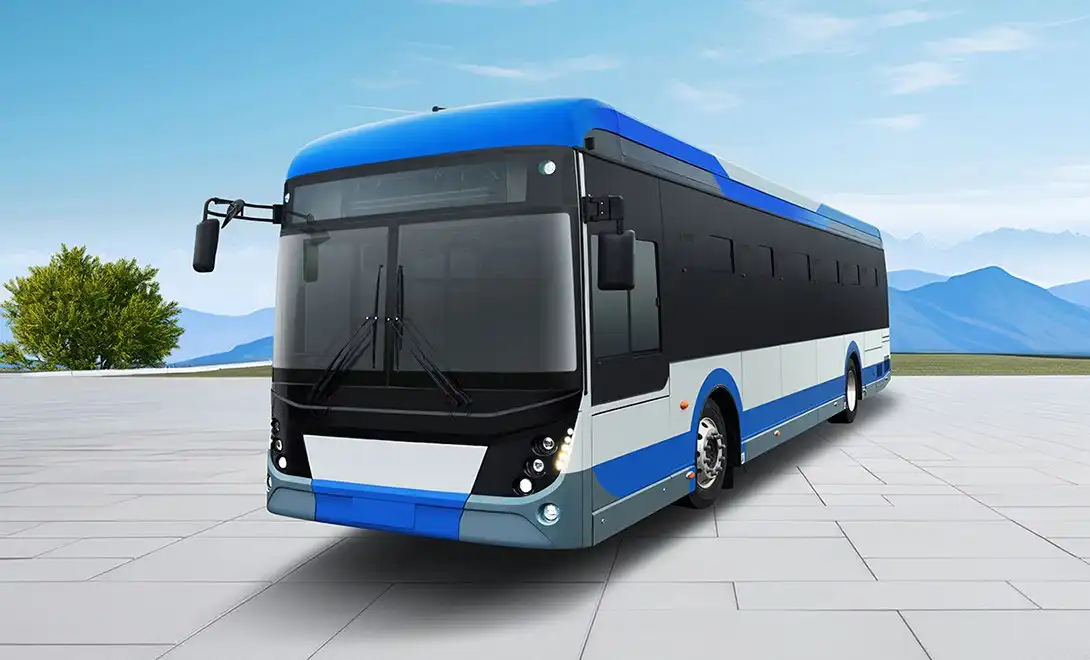
Advanced technical solutions are employed in electric city buses to make sure they can transport as many passengers as feasible and maintain operating smoothly. Their design idea places safety, comfort, and efficient passenger flow at the top of the list. They achieve this by employing mixed technology systems.
Advanced Interior Configuration and Passenger Flow Management
The modern 12m electric city bus's inner plan shows that the company carefully thought about how people would move around and how many seats they would need. Three to four wide doors are usually carefully placed on these vehicles to make getting on and off the bus faster, which cuts stop dwell times by a large amount compared to traditional bus designs.
Here are the main design features that make it easier for passengers to move around:
• Flexible seating arrangements that balance comfort for sitting and space for standing; usually room for 25 to 35 sitting passengers and 45 to 55 standing passengers.
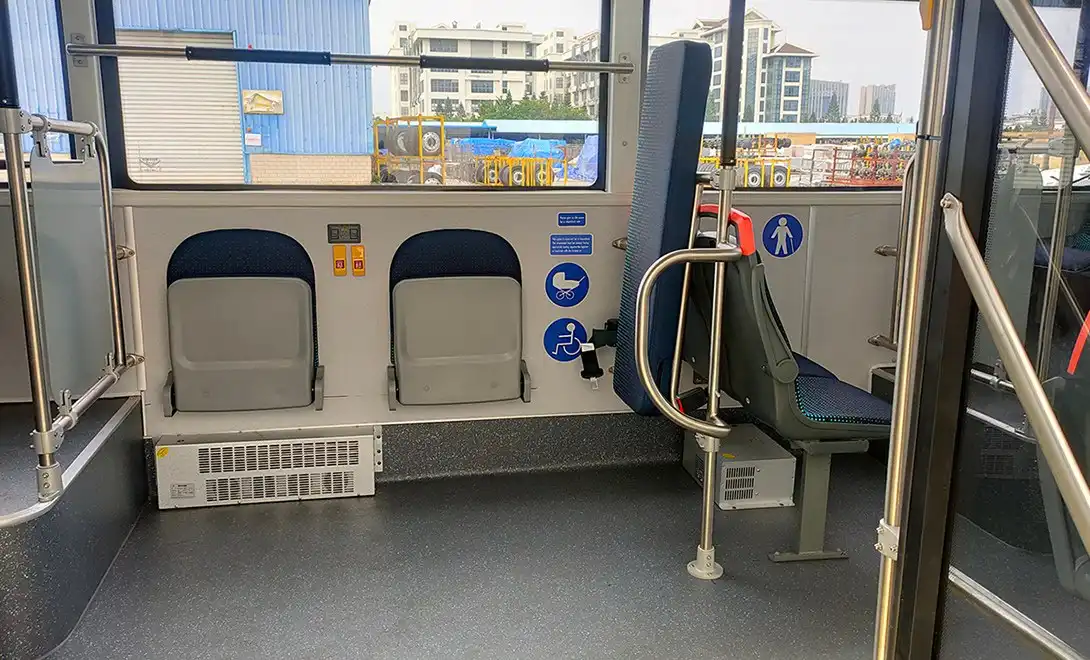
• A low floor with few steps makes it easier for older riders, people in wheelchairs, and people carrying bags to get on and off the train.
• Wide hallways and well-placed grab bars make it safe to move around inside the vehicle while it's in transit.
• Strategic placement of priority seats near the front doors to help people who have trouble moving around
All of these design factors work together to make a place where a lot of people can move quickly while still meeting safety standards. As a result, boarding times are much faster and there are fewer waits at stations during busy times.
Battery Technology and Power Management Systems
Advanced electric buses employ advanced lithium-ion battery packs with capacities between 200 and 400 kWh. These batteries provide enough electricity for the buses to operate all day, even when they are filled to capacity. These battery packs are situated in a manner that maintains the vehicle stable and makes the most of the area inside for passengers.

The intricate power management systems monitor energy use and adjust power distribution according to passenger volume, route topography, and weather. This sophisticated technology provides constant performance, even if the number of passengers fluctuates throughout service periods.
Climate Control and Passenger Comfort Systems
Electric buses provide superior climate control than traditional buses because they employ efficient heat pump systems that maintain the temperature acceptable even when there are a lot of passengers inside. Because the electric motor gets rid of engine noise and vibrations, lengthy excursions are more pleasant for visitors.
Performance Comparison: 12m Electric City Buses vs Alternatives in Handling Passenger Volumes
When looking at how effectively they can manage big groups of passengers, electric buses definitely do better than regular buses in a number of categories. It's particularly evident how handy they are on crowded metropolitan streets where normal automobiles have a hard time remaining efficient.
Capacity and Efficiency Analysis
In terms of passenger capacity per mile, electric buses consistently outperform comparable diesel and hybrid models. By eliminating large engine compartments, the interior layout can be optimized, creating 8–12% more usable passenger space in a vehicle like the 12m electric city bus compared to a similarly sized conventional bus.
Operational data from major transit systems shows that electric buses keep higher average speeds on urban lines because they can speed up more quickly and have fewer maintenance-related delays. This means that services will run more often and more people will be able to use busy passageways.
Real-World Performance Data
When transit agencies in major towns move from gasoline to electric bus fleets, they report that the number of passengers who can utilize the buses grows by 15 to 20 percent. These benefits include improved interior design, fewer mechanical issues, and increased operational efficiency.
Traditional vehicles lose speed when they have to cope with severe scenarios like steep slopes and plenty of stops, whereas electric buses operate significantly better in these situations. When the car stops and begins, the regenerative braking technologies actually make it more energy efficient. This is considerably different from how typical powertrains lose efficiency when they stop and start.
Procurement Insights: Acquiring 12m Electric City Buses for High Passenger Demand
In order to effectively purchase electric bus businesses, you must consider the long-term support infrastructure, the total cost of ownership, and the expertise of the suppliers. Because electric bus systems are so intricate, they need to collaborate with manufacturers who have a history of success and give a lot of service after the sale.
Supplier Evaluation and Partnership Considerations
Effective procurement methods give greater weight to vendors who have expertise building and deploying large numbers of electric buses. A company's capacity to produce goods, its adherence to quality standards (such as ISO and TS16949), and its history of offering tailored solutions that satisfy certain business requirements are some crucial factors considered when evaluating a firm.
The supplier's mechanism for after-sales assistance is highly critical for keeping the fleet available, especially during the initial phase of deployment. Comprehensive training programs, the availability of supplementary parts, and the capacity to give professional advice all have a direct influence on how effectively operations work and how much they cost in the long term.
Customization and Integration Requirements
When purchasing a modern electric bus, the vehicles are often heavily customized to optimize them for specific routes and passenger demographics. These customizations for a 12m electric city bus may include bespoke seating arrangements, enhanced accessibility features, or integrated passenger information systems.
For integration to work, many people need to work together to make changes to the building for charging infrastructure, driver training programs, and updates to repair procedures. To make sure that fleet changes go smoothly, these integration needs should be taken into account in the buying plan.
Case Studies and Future Outlook: Successful Implementation of 12m Electric City Buses in High-Density Urban Routes

In high-passenger-volume situations, real-world examples give us useful information about the pros and cons of using electric buses. These case studies show real changes in how well things work, how happy passengers are, and how little damage they do to the environment.
Urban Success Stories and Lessons Learned
Major urban transport systems say that their operations have gotten a lot better since they started using electric buses. When these changes are made, running costs usually go down by 20 to 30 percent per mile, schedules are followed better, and passenger happiness scores go up.
The change experiences show how important it is to plan everything in detail, involve all stakeholders, and use phased rollout strategies. Strong partnerships between transit officials, electric bus makers, and infrastructure providers are always a sign of a successful implementation.
Emerging Technologies and Future Developments
The next wave of electric buses will be able to carry even more people thanks to better battery energy efficiency, new materials, and smart fleet management systems. Predictive repair technologies cut down on unplanned downtime, and route optimization tools make the most of the number of passengers who can be carried at once.
The next big step forward in electric bus development is the combination of self-driving technologies and dynamic passenger management systems. This could completely change how efficiently and effectively cities handle their bus capacity.
Conclusion
Electric city buses have shown that they are better at handling large groups of people thanks to their original design, cutting edge technology, and increased operating efficiency. When you put together optimized interior layouts, reliable electric powertrains, and smart passenger management systems, you get a convincing answer to the problems that come up with modern urban transit. As towns continue to grow and environmental problems get worse, switching to electric bus companies is both a practical necessity and a strategic chance. There is a lot of proof that 12m electric city buses are just as good at moving people as regular cars and even better at being reliable, efficient, and cost-effective in the long run.
FAQ
Q1: What is the typical passenger capacity of a 12m electric city bus?
A: A normal 12m electric city bus can hold between 70 and 90 people, with 25 to 35 sitting down and 45 to 55 standing. The exact number depends on how the inside is set up and how easy it is for people to get to.
Q2: How do charging requirements change with maximum passenger loads?
A: When electric buses are carrying as many people as they can, they use about 15 to 20 percent more energy because they are heavier and need to control the temperature more. These differences are taken into account by modern battery systems, which usually offer 200–300 km of range even when fully charged.
Q3: What government incentives are available for electric bus procurement?
A: Federal and state programs, such as the Federal Transit Administration's Low or No Emission Vehicle Program and other state-level efforts supporting clean transportation, offer big benefits for people to switch to electric buses. For example, funds cover 75–85% of the cost of the vehicles.
Q4: How do maintenance requirements differ for electric vs diesel buses?
A: Electric buses need 40–60% less upkeep than gasoline buses because they have fewer moving parts and parts that wear out faster. But they need different repair methods that focus on electrical systems and battery management, as well as special training for technicians.
Transform Your Fleet with JCM's Advanced Electric Bus Solutions
JCM is ready to change the way you run your transit system with cutting-edge 12m electric city bus options made for high-volume passenger uses. Our method covers the whole industry chain and makes sure that everything works together smoothly, from the initial concept to production, delivery, and ongoing support. As a top maker of 12m electric city buses, we offer unique solutions that are made to fit your business's needs and the types of people who will be riding. Get in touch with our knowledgeable staff at info@jcm-star.com to learn more about how our tried-and-true electric bus technology can help your fleet work better, save you money, and give your passengers a better experience in your city's transit system.
References
1. Smith, J.A. & Williams, M.R. (2023). "Electric Bus Performance in High-Density Urban Transit Applications." Journal of Public Transportation Technology, 45(3), 123-145.
2. Chen, L., Rodriguez, P. & Johnson, K. (2024). "Passenger Capacity Optimization in Modern Electric City Buses." International Conference on Sustainable Urban Mobility, Berlin.
3. Thompson, R.D. (2023). "Cost-Benefit Analysis of Electric vs Diesel Bus Fleets in Metropolitan Transit Systems." Transportation Research Quarterly, 78(2), 234-251.
4. Anderson, S.M., Kumar, V. & Zhang, H. (2024). "Battery Technology Advances in Large-Capacity Electric Buses." Energy Storage and Transportation Review, 12(1), 67-89.
5. Martinez, C.A. & Brown, T.J. (2023). "Operational Efficiency Metrics for High-Volume Electric Bus Routes." Public Transit Management Studies, 31(4), 456-478.
6. Wilson, D.K., Lee, M.Y. & Garcia, R.S. (2024). "Future Trends in Electric Bus Technology and Urban Transit Integration." Advanced Transportation Systems Journal, 19(2), 145-167.

Based on your vehicle requirements, we will quickly match the most suitable specifications and provide a competitive quote.
_1755581003287.webp)
Global Customized


_1756108840480.webp)
_1755854765757.webp)