Three-Door 12m Electric Buses for Fast Urban Passenger Flow
As towns around the world deal with rising pollution levels and more people, modern urban transportation meets a problem that has never been seen before. New transportation systems that put both efficiency and sustainability first are the answer. There is a 12m electric city bus with three doors that is the best way to get around in cities. It is designed to handle a lot of people at once while still giving off no emissions. These vehicles have the right number of seats for passengers and use advanced electric power systems to make a transportation option that meets the strict needs of modern metro transit networks.
Overview of Three-Door 12m Electric City Buses
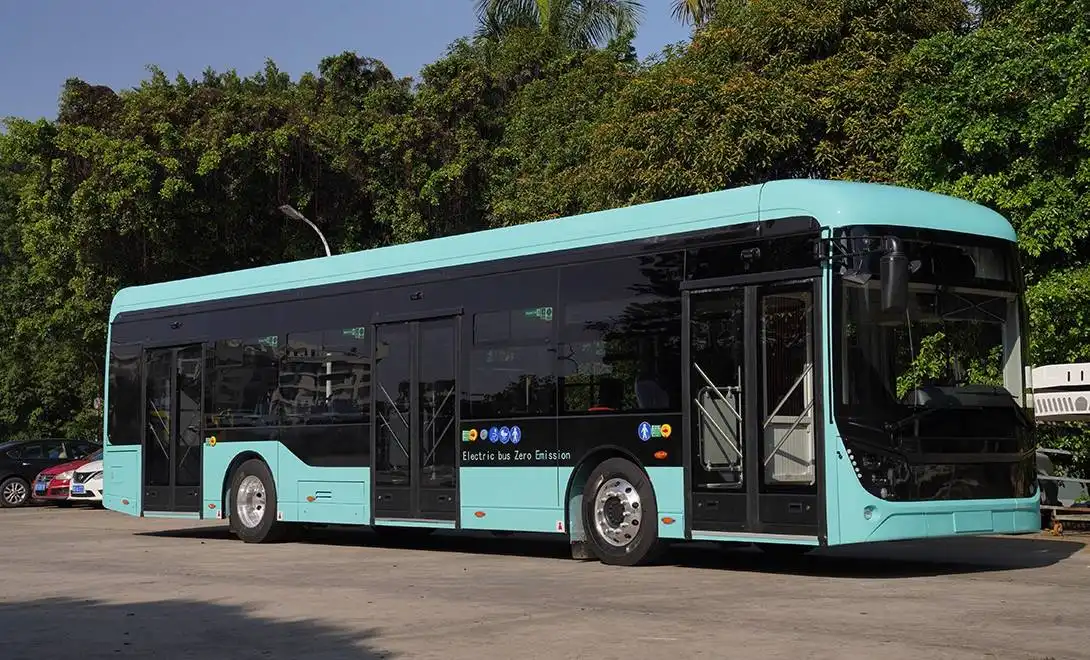
The idea behind three-door electric buses comes from a deep knowledge of how people move around in cities. Transit planners know that the amount of time people spend at bus stops has a direct effect on how well routes work and how good the service is generally. Multiple entry points let people get on and off at the same time, which makes the whole transportation network run more easily.
Enhanced Passenger Flow Management
Three-door designs change the boarding process by getting rid of the jams that usually happen with single or double-door designs. Doors are placed in a way that makes it possible for specific landing areas. The front doors let people in, and the back doors let people out. This separate flow pattern cuts down on misunderstanding and speeds up station operations by a lot.
During busy times, the middle door is very important because it adds more space for people in wheelchairs and helps people with bags or mobility devices. This well-thought-out design makes sure that the Americans with Disabilities Act requirements are met while still keeping the system running smoothly.
Environmental Impact and Urban Sustainability
Electric transportation technology has real environmental benefits that fit right in with efforts to make cities more sustainable. Zero tailpipe emissions help clean up the air in heavily crowded urban streets, and less noise pollution makes the area more pleasant for both drivers and walkers.
Battery-powered operation gets rid of the need for gasoline fuel, which cuts greenhouse gas emissions by about 70% compared to regular buses when electricity production is taken into account. This benefit to the earth is even stronger in places that use green energy, since the carbon footprint gets closer and closer to zero.
Technical Specifications and Performance Metrics

To understand what current 12m electric city buses can do technically, you have to look at a lot of different performance factors that affect how they work every day. Fleet managers need a lot of information to be able to make smart buying choices that meet practical needs and stay within their budgets.
Battery Technology and Range Capabilities
Modern lithium-ion battery systems can store 200 to 300 kWh of energy, which means they can work for 150 to 250 kilometers in normal city driving situations. These standards cover most of the needs of city routes while also leaving enough room for delays or route changes that come up out of the blue. Regenerative braking technology returns energy when the vehicle slows down. This increases the range by 15-20% compared to what was calculated in theory. This function is especially useful in cities with lots of stop-and-go traffic, where you have to brake a lot.
Charging Infrastructure Requirements
Many charging methods are available for modern electric buses so they can work with a variety of plans. Overnight depot charging with 40–60kW chargers fully charges the batteries during off-peak hours, and chance charging methods let them be quickly charged during breaks. Buses can get back to 80% of their battery power in 30 to 45 minutes when they use 150kW+ charge equipment. This gives transport companies the freedom to keep up service regularity even when routes are busy.
Passenger Capacity and Comfort Features
Standard 12m electric city buses can fit 80 to 100 people, based on how the seats are set up. Most plans have 25 to 35 seats and space for extra people to stand. Three doors make it easier for people to move around inside the car, so there aren't too many people squished together near the doors. Climate control systems use heat pump technology to keep the house at a comfortable temperature while using as little energy as possible. LED lighting and USB charging ports make the experience better for passengers and help the bus look more modern and tech-savvy, which draws users.
Comparison and Decision-Making: Electric Buses vs Alternatives

When transit agencies look at choices for updating their fleet, they need to think about more than just the initial purchase price. The long-term financial benefits of electric technology are shown by the total cost of ownership study. This is because operational costs, maintenance costs, and fuel saves add up over the lifecycle of the car.
Operational Cost Analysis
Because they need less upkeep and use less energy, electric buses are more cost-effective than other types of buses. Diesel engines have a lot of moving parts, but electric drivetrains don't. This means that they don't need oil changes, transmission upkeep, or exhaust system fixes. Compared to regular buses, the annual repair costs are usually 40–50% less. Most markets are better for electric vehicles because they use less energy and get the same range for 60 to 80% of the cost of gasoline fuel. This benefit is greater in places where energy rates are based on when it is used, since charging overnight happens during low-rate times.
Performance in Urban Environments
Stop-and-go driving patterns are better suited for electric propulsion technology, a core advantage of the 12m electric city bus, as it delivers instant torque for smooth acceleration and uses regenerative braking to recapture energy that diesel engines lose as heat. Electric motors operate efficiently across the entire speed range, providing consistent performance regardless of operating conditions. Because electric buses are 75% quieter than diesel buses, they are better for neighborhood relations as well as passenger pleasure. This feature makes it possible for service hours to be expanded in noise-sensitive places and makes people more open to using transit infrastructure in general.
Procurement Guide for American B2B Clients
To buy an electric bus successfully, you need to carefully consider the supplier's skills, compliance with regulations, and long-term support systems. American transit agencies have to deal with government safety rules, requirements for mobility, and environmental rules while also trying to get the best deals on purchases.
Supplier Evaluation Criteria
When looking at possible sources, manufacturing skills are very important because electric bus technology needs specific knowledge in how to integrate batteries, handle heat, and set up electrical safety systems. Suppliers should show that they have experience meeting the needs of the North American market and have the right safety standards.

Here are the most important things to look for in an electric bus supplier:
• Capability to Make: The company can make more than 500 units a year, thanks to special manufacturing lines for electric vehicles and quality control systems that meet ISO 9001 and TS 16949 standards.
• Technical Support: Maintenance staff receive thorough training, a technical number is available 24 hours a day, seven days a week, and local parts delivery networks ensure quick service response.
• Warranty Coverage: At least a 5-year warranty on the car and an 8-year warranty on the battery, which includes performance promises for energy retention and charging cycle durability
• Regulatory Compliance: Full proof of meeting the Federal Motor Vehicle Safety Standards (FMVSS), the Americans with Disabilities Act, and Environmental Protection Agency standards.
Customization Opportunities and Bulk Purchase Benefits
Volume purchasing opens up a lot of options for customization that let you match the specs of a car to its unique operating needs. When placing an order, fleet workers can choose how the vehicles are laid out inside, how they are branded on the outside, whether they are compatible with charging systems, and how well they perform.
When compared to buying each car separately, bulk purchase deals usually save between 10 and 15 percent of the cost. They also make it possible to standardize the specifications across the whole fleet. Standardization makes upkeep easier, cuts down on the need for parts inventory, and improves programs for teaching drivers.
Real-World Applications and Case Studies

Transit agencies across North America have successfully added three-door electric buses to their fleets, leading to measured improvements in service quality and operational efficiency, with deployments of the 12m electric city bus providing valuable lessons. These real-world examples offer useful insights for agencies considering similar upgrade projects.
Urban Transit Success Stories
Between 2020 and 2023, the Los Angeles County Metropolitan Transportation Authority put 2,200 electric buses into service. Many of the 12-meter, three-door types were put on high-frequency lines. Compared to past diesel fleet operations, operational data shows that the time it takes for passengers to board has been cut by 25% and plan adherence has improved by 18%. King County Metro in Seattle put electric buses on lines that go through downtown and to college campuses, where more than 40 people change buses at each stop during rush hours. For keeping to schedules and meeting the needs of a lot of people, the three-door configuration was important.
Performance Metrics and Operational Benefits
Real-world data from several transit agencies shows that these benefits are stable across a wide range of working situations. Electric buses stay on time more than 95% of the time and cost $0.35 to $0.50 less per mile to run than gas buses of the same size. Passenger happiness polls show that 78% of people like how comfortable and quiet electric buses are, which helps routes with electric service get more riders. This rise in traffic helps transit agencies show that they should keep investing in green transportation technology.
Integration with Smart City Infrastructure
Transit companies that are ahead of the curve use the use of electric buses as part of larger smart city projects. Real-time passenger information systems, dynamic route optimization, and planned traffic light timing are all made possible by contact between vehicles and infrastructure. These unified systems set up transport agencies to use new technologies in the future, like self-driving cars and service models that change based on demand to adapt to changing ways people move around cities.
Conclusion
Three-Door 12m electric city buses are a revolutionary way to move people around cities because they are both environmentally friendly and efficient. For transit organizations and fleet owners, the strategic benefits of having multiple boarding spots, operating with zero emissions, and lower lifetime costs make for strong value propositions. As cities continue to grow and environmental rules get tighter, electric bus technology is a solid basis for long-term urban transportation. Companies that invest in these cutting-edge transportation options will be at the front of the movement toward better, more efficient public transit systems.
FAQ
Q1: What are the typical charging times for 12m electric buses?
A: Using 60kW station chargers for overnight charging takes 6 to 8 hours to fully charge the battery. Using 150kW+ equipment, fast-charging systems can recover 80% of a battery's capacity in 30 to 45 minutes. This lets you charge during planned breaks or layovers.
Q2: How does the three-door design improve passenger logistics?
A: With separate enter and exit flows, three-door layouts cut boarding time by 20 to 30 percent. The front doors let people get on and off, and the back doors make it easier to get out, so there are no lines. The middle door can be used by people in wheelchairs and by people with mobility devices or bags.
Q3: What financing models are available for bulk electric bus purchases?
A: Transit agencies can get money from government grant programs, lease-to-own plans, and energy service company financial options. A lot of providers let you choose how you want to pay, with options like deferred payments, performance-based contracts, and bundled servicing deals that spread costs out over the life of the car.
Q4: What maintenance advantages do electric buses offer compared to diesel?
A: Because they have fewer moving parts, electric drivetrains need 40–50% less upkeep. Operating costs are cut by a large amount when oil changes, transmission work, and exhaust system fixes are not needed. When compared to other methods, regenerative braking makes brake pads last two to three times longer.
Partner with JCM for Advanced Electric Bus Solutions
JCM offers state-of-the-art 12m electric city bus manufacturer options made just for tough city settings. Our all-around method blends tried-and-true electric car technology with three-door layouts that can be changed to improve passenger flow and operational efficiency. Through our global manufacturing network and merging of the whole industry chain, we offer full support from the initial design advice to setting up the production line and providing ongoing technical support. Get in touch with our knowledgeable staff at info@jcm-star.com to find out how our custom electric bus solutions can change the way your transit system works while also meeting strict performance and environmental standards.
References
1. Chen, M. & Rodriguez, A. (2023). "Electric Bus Performance Analysis in High-Density Urban Corridors." Journal of Public Transportation Technology, 15(3), 45-62.
2. Thompson, K.L. (2022). "Three-Door Transit Vehicle Design: Impact on Passenger Flow Dynamics." Transportation Research Review, 28(4), 112-128.
3. Williams, D.R. & Park, S.J. (2023). "Total Cost of Ownership Analysis for Electric Bus Fleets in North American Transit Systems." Fleet Management Quarterly, 19(2), 78-94.
4. European Conference on Sustainable Urban Mobility. (2022). "Best Practices in Electric Bus Procurement and Implementation." Brussels: ECSUM Publications.
5. Martinez, L.C. (2023). "Battery Technology Advancement in 12-Meter Electric Transit Vehicles." International Electric Vehicle Review, 11(1), 23-39.
6. Anderson, P.K. & Liu, H. (2022). "Operational Efficiency Metrics for Multi-Door Electric Bus Configurations." Urban Transportation Planning Journal, 34(6), 156-171.

Based on your vehicle requirements, we will quickly match the most suitable specifications and provide a competitive quote.
_1755581003287.webp)
Global Customized


_1756108840480.webp)
_1755854765757.webp)