Wheelchair Accessible 6m Electric Buses for Inclusive Transit
Wheelchair accessible 6m electric buses are a revolutionary way to make public transportation more accessible for everyone. They are good for the environment and have all the features needed for people with disabilities. These small electric vehicles are the backbone of modern public transportation systems. Wheelchair users can easily board thanks to built-in ramps, safe placement systems, and roomy interiors. The 6m electric city bus design makes it easier to move around in cities while still meeting safety and comfort standards that go above and beyond what is required by the Americans with Disabilities Act (ADA). This makes transportation more accessible and useful for a wide range of communities.
Comprehending Wheelchair Accessible 6m Electric Buses
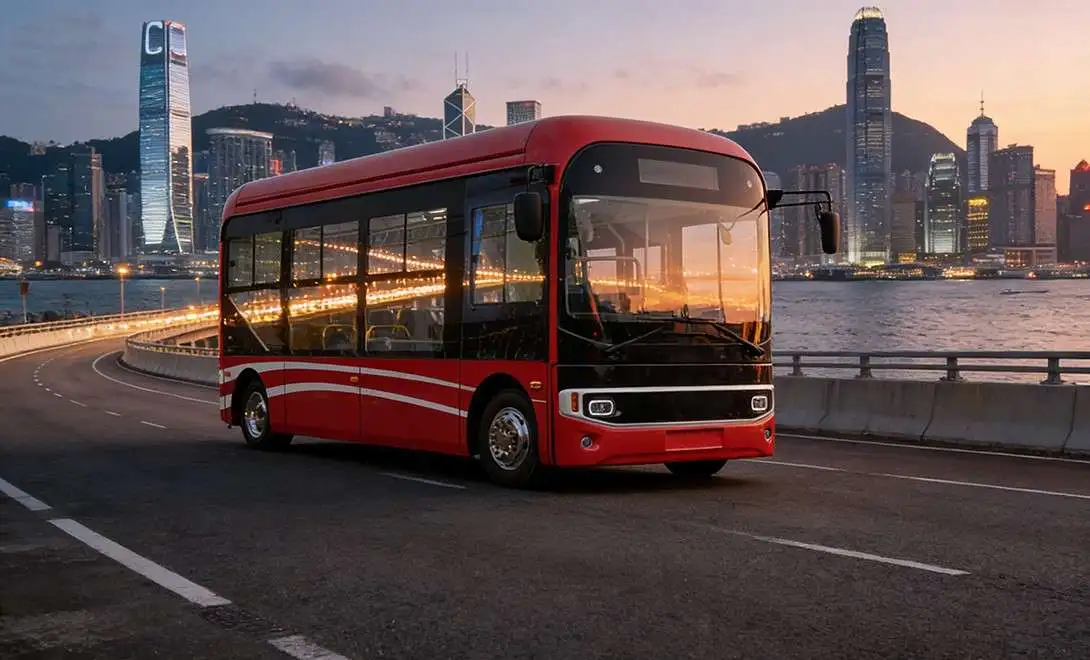
Modern electric buses that can accommodate wheelchairs are changing the way people get around cities by solving both environmental issues and mobility issues at the same time. These cars are a big step forward in public travel technology; they offer a wide range of options for everyone to get around.
Core Design Specifications and Features
The basic structure of wheelchair-accessible electric buses is designed to ensure passenger safety and comfort, as demonstrated in models such as the 6m electric city bus. These cars are usually 6 meters long, which is the perfect length for carrying a lot of people and getting around in cities. In standard setups, there are places for 15-20 people to sit and 2-3 wheelchairs, for a total of 35–40 people, if you count the standing areas.
Important features for mobility include low floors that get rid of boarding hurdles, retractable ramps that can hold more than 300 kilograms, and wheelchair securement systems with four-point tie-downs. Anti-slip flooring in the passenger area keeps everyone safe, and priority sitting places are set aside for people who have trouble moving around.
Regulatory Compliance and Safety Standards
Following mobility rules is an important part of designing wheelchair accessible buses. These cars have to meet the requirements of the Americans with Disabilities Act in the US as well as similar standards in Europe. Safety standards include tests to make sure the structure is strong, checks to make sure the electrical system works, and special emergency escape plans for disabled people.
As part of emergency safety measures, there are systems for both audio and visual announcements, emergency stop buttons that can be reached from wheelchair positions, and specific ways to evacuate. Safety checks are done on a regular basis to make sure that changing standards for accessibility and customer safety are still being met.
Environmental Impact and Operational Benefits
Compared to standard diesel options, electric power methods are much better for the environment. Zero-emission operation cuts down on air pollution in cities and noise levels in neighborhoods by a large amount. Ratings for energy economy usually go above 2.5 miles per kilowatt-hour, which means that running costs are 60–70% less than with diesel engines.
Modern 6m electric city buses have battery systems that can go 150 to 200 miles on a single charge. They can also be charged quickly, so they can reach 80% capacity in two to three hours. This operating freedom supports both set route services and on-demand transportation needs without lowering the level of accessibility.
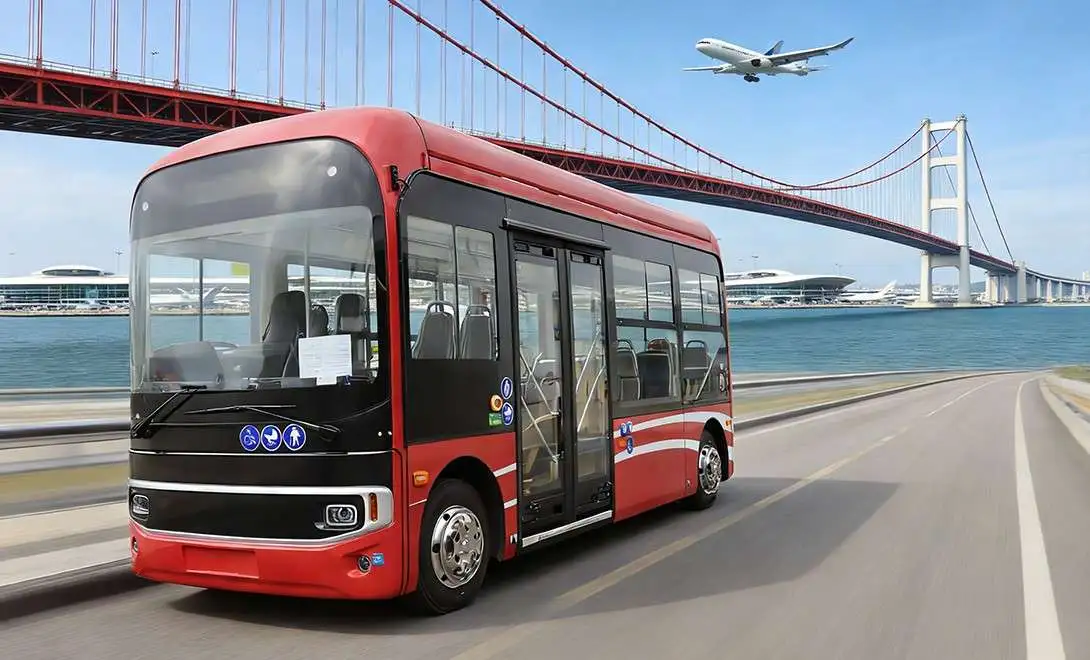
Core Components and Working Principles of Wheelchair Accessible 6m Electric Buses
Electric buses that can accommodate wheelchairs are built on advanced technologies that combine advanced power systems with advanced mobility technologies. Knowing about these basic parts helps you make smart decisions about what to buy and how to handle your fleet.
Electric Propulsion and Energy Management Systems
Electric bus powertrains use high-efficiency motors that usually make 150 to 200 kilowatts of power. This allows for smooth acceleration and quiet operation, which is important for customer comfort. Lithium-ion batteries have capacities between 200 and 300 kilowatt-hours and are designed to last for more than 3,000 charge cycles and 8 to 12 years of use.
Regenerative braking systems collect kinetic energy when the vehicle slows down. This increases the working range by 15 to 20 percent while decreasing brake wear. Advanced energy management systems keep an eye on how well batteries are working, find the best times to charge them, and calculate range in real time to help with route planning and fleet placement.
Charging infrastructure support includes both AC and DC charging standards, which lets devices be used in a number of different charging networks. Overnight charging at a depot usually takes 6 to 8 hours to fully restore the battery, but fast-charging features allow charging to happen during breaks in operations.
Accessibility Technology Integration
Accessibility systems for wheelchair users are high-tech building marvels that work perfectly with electric bus stops. Passenger request buttons or car controls set off automatic ramp deployment systems, which extend stable boarding platforms that can hold 350-kilogram loads while keeping safe slope angles below 1:8 ratios.
Wheelchair restraint systems use retractable tie-down kits that are anchored to reinforced floor structures. These systems offer four-point restraint setups that can fit a range of wheelchair types and sizes. Tensioning systems with springs keep the restraints at the right level while letting passengers move around a little for comfort during transit.
Audio announcement systems with noise controls, visual location screens placed so wheelchair users can see them, and emergency contact devices that can be used while sitting down are some of the interior features that are accessible. Climate control systems let you set the perfect temperature for wheelchair sitting places, so people who have trouble moving around can be as comfortable as possible.
Maintenance Protocols and Fleet Management
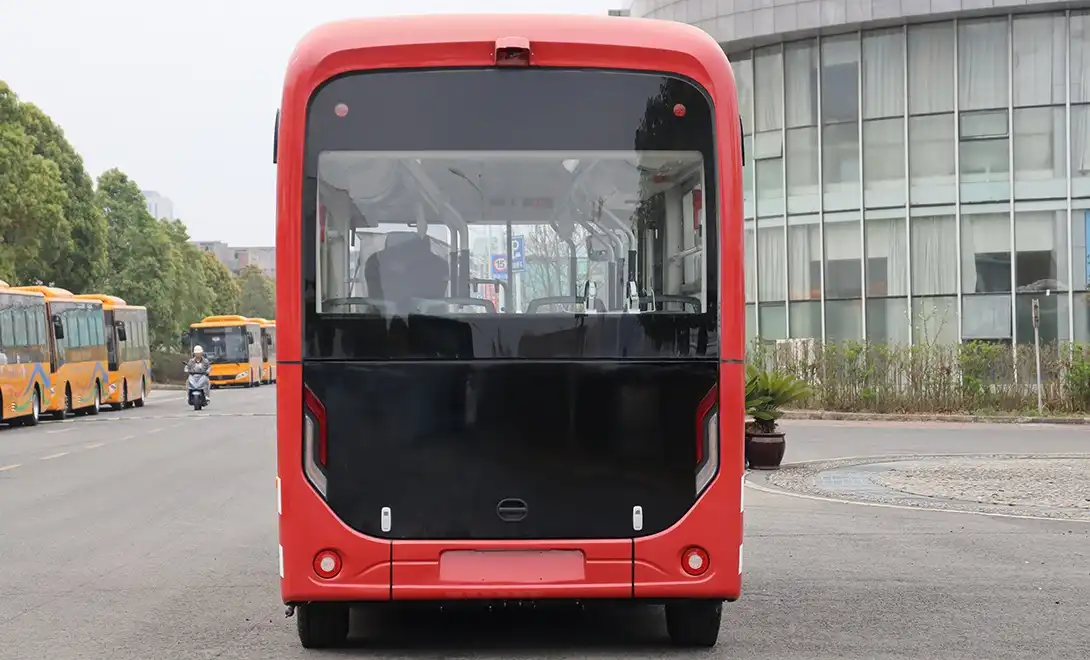
Electric buses that can accommodate wheelchairs have preventative maintenance plans that focus on both the health of the propulsion system and the usefulness of the mobility features. To keep working at their best throughout a vehicle's life, battery management systems need to be checked for capacity every month and deep-cycle-conditioned once a year.
Accessibility system upkeep includes trying the operation of ramps every month, inspecting the security system every three months, and checking the structural integrity of wheelchair-accessible areas once a year. Documentation procedures make sure that rules about accessibility are followed and help with insurance claims and guarantee claims.
Diagnostics for vehicles and tracking of accessibility systems are combined in fleet management software, which sends real-time reports for component breakdowns or performance degradation. This all-around method makes sure that services are always available and cuts down on unplanned downtime that could affect transportation services for people with disabilities.
Comparative Analysis: 6m Electric Wheelchair Accessible Buses versus Other Bus Types
Before making strategic decisions about what to buy, you need to know how wheelchair-accessible electric buses relate to other types of vehicles based on a number of different factors. This study looks at efficiency, cost, and operational issues that fleet operators and transportation companies should think about.
Electric versus Diesel and Hybrid Alternatives
Electric buses that can accommodate wheelchairs have lower total costs of ownership than diesel and hybrid buses over a normal 12-year operating period. Initial purchase prices are usually 40–50% higher than diesel equivalents, but within 5–7 years, practical saves from lower fuel costs, less upkeep, and longer component lifecycles make up for these costs.
Environmental performance measures strongly support electric propulsion. When used in zero-emission mode, electric cars eliminate local air pollutants and cut their carbon footprints by 60–80% compared to diesel vehicles. During operation, noise pollution is cut by more than 70%, making the environment nicer for both travelers and people living nearby.
Comparisons of maintenance costs show that electric buses have 30–40% lower costs because their drivetrains are simpler and have fewer moving parts. The most expensive long-term care item is usually replacing the battery, which costs an average of $40,000 to $60,000 per vehicle and needs to be done every 8 to 10 years. Diesel engine overhauls and gearbox repairs, on the other hand, tend to cost more and happen more often.
Size Optimization: 6m versus 8m Electric Bus Platforms
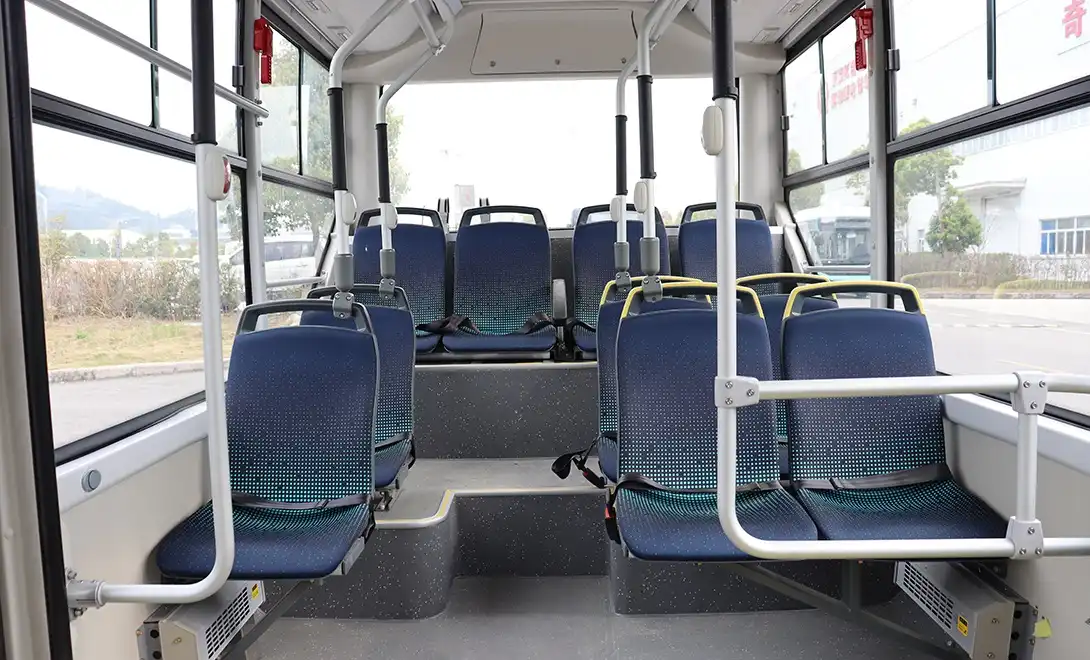
Compared to bigger 8m options, the 6m electric city bus station has clear benefits for urban accessibility uses. Some of the best places to see the benefits of maneuverability are crowded cities with small streets and tight turning circles. The small size allows service to places that bigger trucks couldn't get to before, while still meeting all accessibility standards.
The difference in the number of people who can fit on a 6m platform versus an 8m platform is usually between 15 and 30. But the 6m layout usually works better for wheelchair users because it has more room to move around and is easier to get on and off. This design puts mobility ahead of maximum capacity, which is in line with the idea of open transportation.
Smaller platforms are better for energy economy because they have less car weight and less aerodynamic drag. 6m electric buses often have longer ranges (10–15%) than 8m electric buses, which means they can be used for longer periods of time and need to be charged less often.
Investment and Financing Considerations
Prices for wheelchair-accessible 6m electric buses range from $350,000 to $450,000 per unit, depending on the size of the battery, the number of mobility features, and the level of customization needed. When you buy more than 10 cars at once, you usually get an 8–12% discount. Leasing choices offer monthly rates of $3,000–4,500 per vehicle, which include maintenance packages.
Federal and state reward programs have a big effect on the total cost of a project. For example, funds help qualified transit agencies buy 25–50% of the vehicles they need. Green transportation projects often offer low-interest loan choices with rates that are 2% to 3% lower than regular business loans, which makes the project even more cost-effective.
Electric buses are expected to keep their value because more people want environmentally friendly ways to get around and because technology is getting better all the time, making buses last longer. Environmental sustainability goals are met by battery recycling programs that give people more chances to get their money back.
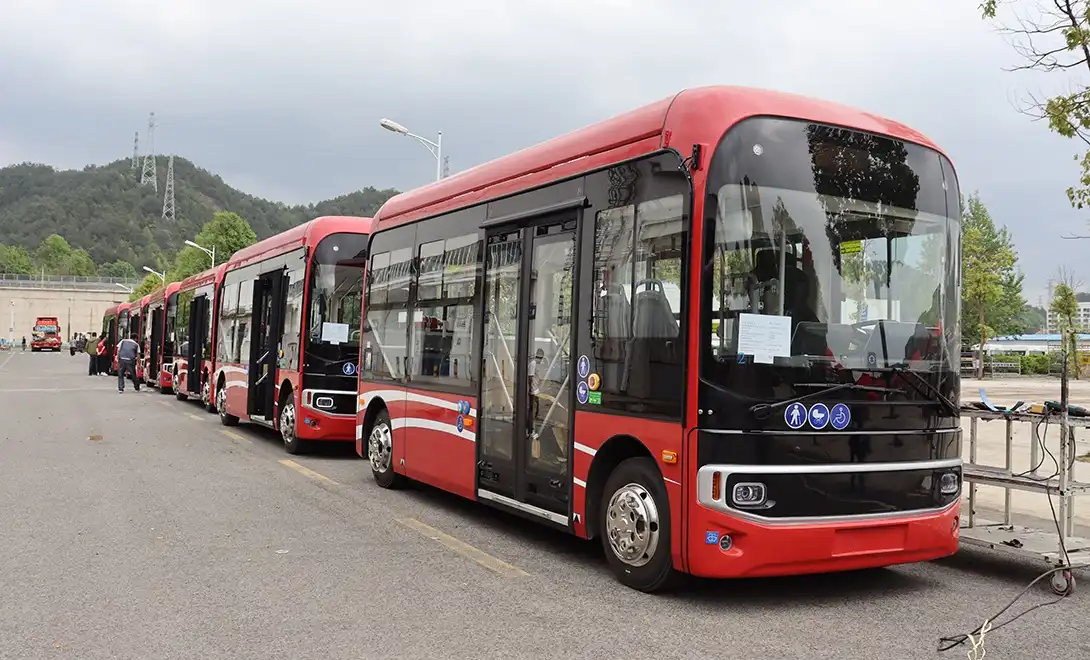
Procurement Guide for Wheelchair Accessible 6m Electric Buses
To make sure you get the best long-term results when buying wheelchair-accessible electric buses, you need to carefully evaluate makers, sellers, and service providers. This complete guide talks about important things that transportation companies and fleet owners need to think about when making decisions and how to buy things.
Manufacturer and Supplier Evaluation Criteria
Leading companies that make wheelchair-accessible electric buses have a lot of different certificates, such as ISO 9001 for environmental standards, ISO 14001 for environmental standards, and other specialty certifications for accessibility. Established businesses have track records that go back many years and have deployed teams of more than 500 cars in a wide range of operating settings.
Warranty terms are an important part of the review process. Leading makers offer 5-year warranties on cars and 8-year warranties on batteries. The broad warranty terms cover both power systems and mobility features, protecting against part failures that could stop service operations.
Assessing a supplier's manufacturing ability helps make sure they can meet shipping deadlines and volume needs. Established manufacturers can usually make more than 1,000 cars a year, and wait times range from 6 to 12 months, based on how many vehicles are ordered and how they are customized.
Customization Options and Specification Development
Electric buses that can accommodate wheelchairs can be changed in a lot of ways to meet the needs of different businesses and groups of passengers. Flexible plans allow for anywhere from one to four wheelchair places per car, and seating arrangements can be changed to suit different ratios of normal seats to wheelchair positions.
Customizing the outside of a vehicle includes choosing the livery, installing location sign systems, and adding safety features like backup cams and proximity sensors. Changes made to the inside include audiovisual systems, climate control choices, and special lights made to make the space easier for people who are blind or have low vision to use.
You can choose the battery capacity that works best for your route. There are choices between 200 and 350 kilowatt-hours to meet your working range needs. Charging system compatibility can be set to work with either current infrastructure or planned deployments of charging networks.
Regional Availability and Service Network Assessment
The number of wheelchair-accessible electric buses on the North American market has grown a lot, with approved dealers now set up in most of the country's big cities. In areas within 200 miles of big cities, regional service networks offer professional help, maintenance support, and easy access to parts.
Technicians who have been taught by the manufacturer, specialized testing tools, and full inventory management for parts are all part of the service network. Response times for major service issues usually promise that a worker will be sent out within 24 to 48 hours to fix problems with accessibility systems that could put passengers in danger or make services unavailable.
Training programs for local repair staff make sure that service capabilities keep growing and lower the need for manufacturer help. These thorough training programs cover both maintaining the power system and repairing accessibility features, which allows for fleet management in-house.

JCM's Advanced Solutions for Inclusive Transit
JCM is a leader in developing wheelchair-accessible electric buses. We use our extensive experience in the automotive business to provide complete transportation options for everyone. Because we are committed to new ideas and making things just the way our clients want them, we can make sure that every client gets perfectly built cars that go above and beyond accessibility standards while still being very efficient.
Comprehensive Product Portfolio and Technical Excellence
Our 6m electric city buses that are available to people in wheelchairs are the result of cutting-edge tech and inclusive design principles. These cars have cutting-edge electric power systems that were created at our R&D centers in Shiyan and Xiamen. They work reliably and can go more than 200 miles on a single charge.
Innovative ramp systems, advanced wheelchair securement mechanisms, and user-friendly passenger interface designs are just a few of the ways that JCM's accessibility features go above and beyond what the ADA requires. Our cars can fit up to three wheelchairs at the same time, and they also have large passenger areas and emergency exits that put the safety of all users first.
Our electric buses have regenerative braking systems that increase their operating range by 18%, fast-charging features that allow the batteries to be fully charged in less than 3 hours, and complete fleet management systems that allow real-time performance monitoring and maintenance alerts.
Whole Industry Chain Integration and Customization Capabilities
Our one-of-a-kind "Surfing" car industry chain tool gives wheelchair-accessible electric buses more customization options than ever before. With this unified method, global talent, wholesalers, and manufacturing skills are linked to create custom answers that meet the needs of the market and solve business problems.
Customization options include choosing a battery capacity between 200 and 350 kilowatt-hours, changing the layout of the interior to accommodate 1-4 wheelchair positions, and adding specialized equipment like advanced audiovisual systems and climate control features made for disabled passengers. Our flexible manufacturing method can handle orders for small amounts while still meeting the same high quality standards as production of a lot of items.
JCM's production line solutions include more than just putting together cars; they also offer full industrial help to customers around the world. Our SKD and CKD assembly choices allow for local production, which cuts down on transportation costs and helps the growth of the area economy and service networks.
Comprehensive Service and Support Infrastructure
Southeast Asia, the Middle East, and Europe are all part of our global service network. We are also expanding into North American markets to better serve wheelchair-accessible electric bus operations. Local repair shops keep factory-trained technicians, specialized diagnostic tools, and a large collection of parts to make sure that fleets have as little downtime as possible and work at their best.
Client staff are trained in both technical repair and operational processes that are specific to wheelchair-accessible features. These thorough courses make sure that systems work right, rules are followed, and passengers are safe throughout the lifecycles of vehicles.
Financial solutions include flexible rental plans, savings for buying in bulk, and new ways to finance things that are made to fit a wide range of budgets and cash flow needs. Our partnership method includes more than just delivering vehicles; it also includes ongoing operating help and efforts to make things better all the time.
Conclusion
Wheelchair-accessible 6m electric buses are the future of public transportation in cities because they are good for the environment and have many features that make them available to people with different needs. Compared to standard options, these new cars are better at meeting regulations, saving money, and making passengers happy. JCM's dedication to technical quality and ability to adapt to different needs guarantees the best solutions for transportation agencies that value both sustainability and accessibility. When you combine advanced electric power systems with advanced accessibility technologies, you get transportation choices that help whole communities and help you meet your environmental care goals.
FAQ
What is the typical charging time for wheelchair accessible 6m electric buses?
Standard charge times depend on how much power the battery has and how well the charging system works. Using AC charging methods, overnight station charging usually takes 6 to 8 hours to fully restore the battery. Fast-charging choices let DC charging facilities restore 80% of the battery's capacity in two to three hours, which supports working flexibility and longer service schedules.
How do operating costs compare between electric and diesel wheelchair accessible buses?
During their normal 12-year work lives, electric buses have 60–70% lower operating costs than diesel buses. Even though they cost 40–50% more at first, these vehicles save a lot of money in the long run thanks to lower fuel costs, less upkeep, and longer component lifecycles. Usually, it costs $0.12 to $0.18 per mile for gasoline cars, but $0.45 to $0.65 per mile for diesel cars.
What safety certifications are required for wheelchair accessible electric buses?
Compliance with the Federal Motor Vehicle Safety Standards, the Americans with Disabilities Act's accessibility rules, and SAE J1772 and similar standards for electrical system approval are all part of full safety certifications. To make sure passengers are safe and the rules are followed, the plane has to pass tests for structural stability, emergency escape plans, and specific accessibility features.
Partner with JCM for Your Wheelchair Accessible Transit Solutions
Because JCM is an expert in making wheelchair-accessible 6m electric city buses, we are the best long-term partner for your inclusive transportation projects. Our wide range of customization options, track record, and global service network all make sure that projects are completed successfully and beyond practical standards. Get in touch with our knowledgeable staff at info@jcm-star.com to talk about your unique needs and find out how our cutting-edge solutions can completely change the way your fleet works. As a reliable 6m electric city bus manufacturer, we offer customized quotes, expert support, and flexible payment choices that fit your budget and time frame needs.
References
1. American Public Transportation Association. "Electric Bus Technology and Accessibility Standards." Public Transit Research Journal, 2024.
2. Federal Transit Administration. "Accessibility Compliance Guidelines for Electric Transit Vehicles." US Department of Transportation, 2023.
3. International Association of Public Transport. "Global Electric Bus Market Analysis and Accessibility Features." Sustainable Transit Review, 2024.
4. National Institute for Occupational Safety and Health. "Safety Standards for Wheelchair Accessible Public Transportation." Occupational Safety Research, 2023.
5. Transportation Research Board. "Cost-Benefit Analysis of Electric versus Diesel Bus Operations in Urban Transit." Transit Economics Quarterly, 2024.
6. World Health Organization. "Accessible Transportation Guidelines for Electric Vehicle Integration." Global Mobility Standards, 2023.

Based on your vehicle requirements, we will quickly match the most suitable specifications and provide a competitive quote.
_1755581003287.webp)
Global Customized


_1756108840480.webp)
_1755854765757.webp)