What Makes a City Bus Wheelchair Accessible
A wheelchair accessible city bus has special features and enforcement systems that make sure people who are disabled can get around safely and with respect. Following strict rules like the Americans with Disabilities Act, these cars have low-floor chassis systems, automatic ramps or lifts, wheelchair securement areas, and audiovisual accessibility aids. When careful engineering and operating practices are put together, normal transit cars can be turned into transportation options that work well for a wide range of community needs.
Understanding Wheelchair Accessibility in City Buses
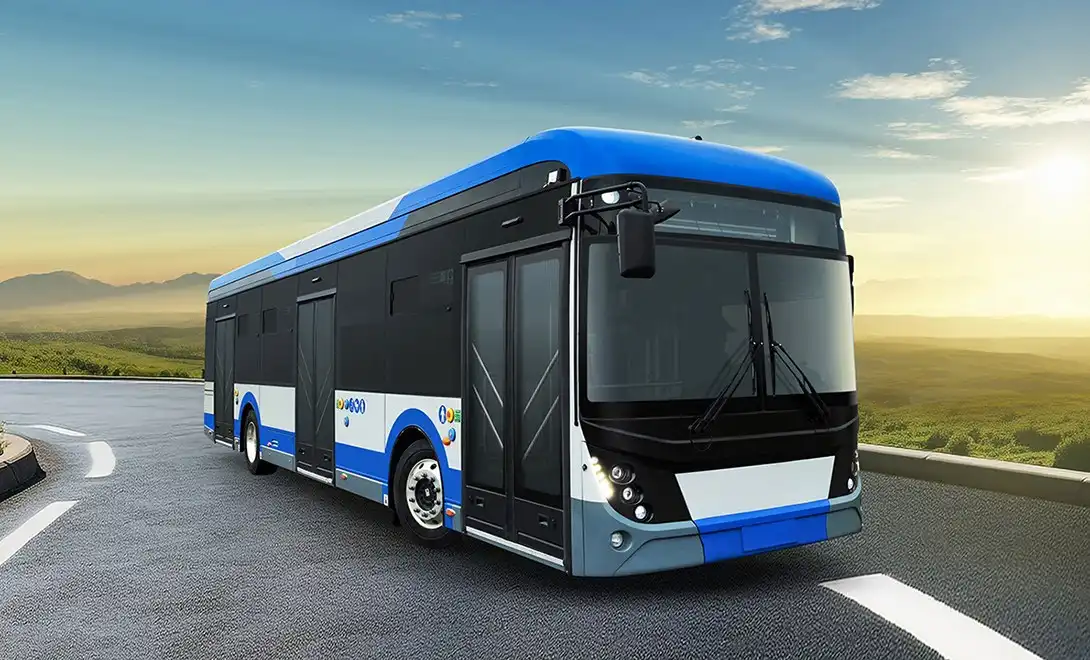
Modern transport systems that are accessible are based on broad design principles that put everyone first without sacrificing working speed. Low-floor chassis layouts that reduce the height difference between street level and car floors are the building blocks of accessible bus design. This way of building makes the boarding process simpler while also making it easier for passengers to use.
Essential Design Components for Accessibility
When adding accessibility features, you have to carefully think about how many systems are related to each other. Kneeling devices let buses briefly lower their suspension, which lowers the height of the steps and makes the angles for getting on and off ramps more gentle. These gas or hydraulic systems usually lower the car by 2 to 4 inches, which is a big deal for people in wheelchairs and other people who have trouble moving around.
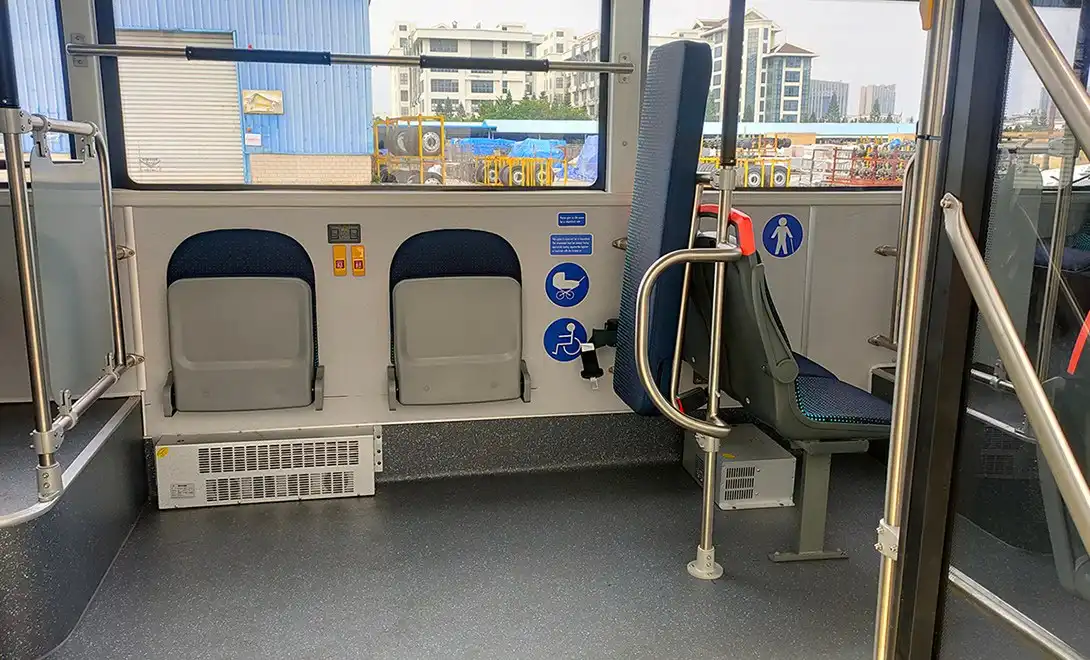
Allocating room inside is another important planning factor. Accessible buses have special places for wheelchair accessible city buses to sit, and they can usually fit two wheelchairs at once. There are floor-mounted anchor points, flip-up seats, and enough space to move around that meets or goes beyond what the law requires in these marked areas.
Regulatory Compliance and Standards
Accessibility rules affect every part of how modern buses are built and how they run. The Americans with Disabilities Act sets strict rules for making public transportation accessible. These rules include specific technical standards for ramps, lifts, security systems, and communication aids. Transit agencies must show that they are always following the rules by doing regular upkeep and checks.
Similar rules apply to international markets. For example, European Union laws and state standards both set requirements for accessible public transportation. These rules make sure that people with disabilities have the same experiences in all areas, and they also encourage new ideas in the development of mobility technology.

How City Buses Accommodate Wheelchairs: Technical and Operational Aspects?
In real life, making wheelchair mobility possible requires complex mechanical systems and detailed operating procedures that work together without any problems. Procurement experts can better evaluate different accessibility options and their long-term effects on operations when they understand these technical aspects.
Ramp and Lift Technologies
Wheelchair accessible city bus boarding systems are the most obvious form of accessibility, and there are a number of different technology choices that can be used to meet different operating needs. Reliable and easy to use, manual release ramps need little upkeep while still providing reliable service. Most of the time, these systems open up from the front or back doors, making stable platforms that can safely hold wheelchairs and mobility scooters.
By cutting down on boarding times and driver workload, automatic ramp rollout systems improve business efficiency. These electrical systems are turned on by buttons on the dashboard or door sensors. They easily extend and retract while keeping the right slope angles. The automation makes it easier on workers' bodies and makes sure that the deployment process is the same for all cars and jobs.
Hydraulic lift systems offer different ways to get on and off the bus, which is especially helpful for buses with higher floors. More weight can be put on these platforms than on regular ramps, so they can hold bigger mobility devices. Lift systems, on the other hand, need more complicated repair procedures and may take longer to set up than ramp options.
Interior Accessibility Features
Besides ways for people with disabilities to get on and off, accessible buses have many other features inside that make the rides safer and more comfortable for everyone. Wheelchair restraint systems use four-point restraints and floor-mounted support points that are placed in a way that works for wheelchairs of all shapes and sizes. There are both manual and semi-automatic versions of these systems. Newer models have easier-to-use screens that make security simpler.
Audiovisual communication systems make sure that people who have trouble seeing or hearing get important transportation information. Audio systems make clear verbal announcements, and LED screens show the path, stop statements, and transfer information. These two-way communication methods make settings that are welcoming and work well for passengers with a range of accessibility needs.

Driver Training and Operational Protocols
For accessibility to work well, drivers need to go through extensive training programs that cover both technology and customer service elements. Operators learn how to properly set up ramps, use security systems, and handle emergencies with mobility equipment. This training stresses treating passengers with care and providing quick, helpful service that sticks to the plan and meets accessibility needs.
Maintenance procedures are also very important for making sure that mobility systems work well. Ramps, lifts, and security systems are checked regularly to make sure they work properly, and preventative maintenance programs fix problems before they affect passenger service. These practical factors have a direct effect on the long-term value of investments in accessible buses.
Comparing Wheelchair Accessible City Buses: Selecting the Best Option for Your Fleet
When buying a fleet, you need to carefully consider a lot of different factors that affect both short-term operating needs and long-term performance goals. Accessibility integration is handled in different ways by different makers, which allows for customized solutions that work well in certain work settings.
Market-Leading Manufacturers and Models
There are a few well-known companies that make accessible buses, and each has its own benefits when it comes to design theory and technical implementation. New Flyer focuses on making their vehicles as light as possible and as fuel-efficient as possible while still keeping strong accessible features. This makes their vehicles especially appealing for high-mileage urban trips. Their Xcelsior line uses cutting edge accessibility technology that has been tested and shown to work reliably by many transit organizations.
Gillig stresses the ability to customize and make products in the United States, which lets them create unique accessibility configurations that meet particular operating needs. Their BRT Plus model has better accessibility features made for bus rapid transit systems. It combines high-capacity customer service with full accessibility features.
European automakers like Mercedes-Benz use advanced engineering techniques to make their cars more accessible. These techniques often include high-tech technology and improved passenger comfort. Most of the time, these cars cost more than others, but they offer better comfort and operation, which makes the higher starting costs worth it in some market groups.
Cost-Benefit Analysis Considerations
Getting an accessible bus requires a lot of complicated cost factors that go beyond the initial buying price. When compared to normal configurations, accessible cars usually cost more, but government funding programs and tax breaks often more than cover these extra costs. Because of the Americans with Disabilities Act, public transit apps must have disability tools, they can't just choose not to.
The operational costs of accessible and regular buses are still very similar, as accessibility features add very little weight and complexity to the general running of the vehicle. When proper training and preventive maintenance practices are followed, changes in fuel usage are usually less than 2%, and changes in maintenance costs are also not very big.
The extra money and people who take wheelchair accessible city buses often cover their extra costs because they reach more people and are seen more positively by the public. Accessible services bring in a wider range of riders and show community support for transportation policies that include everyone, which boosts public support for transit spending.
Financing and Customization Options
When buying a modern bus, companies often use complex financing plans that make sure the prices of the bus's parts are in line with their business budgets and cash flow needs. Lease-purchase agreements let governments spread costs over several years while still having ownership paths. Regular leasing agreements, on the other hand, give governments working freedom when they don't know what their long-term needs will be.
Customization tools let bus owners make sure that accessibility features work best for each route and type of customer. In cities with a lot of people who need accessibility, extra features like multiple wheelchair positions or high-end security systems may be justified. In suburbs, on the other hand, entry speed and operating efficiency may be more important than maximum accessibility.
Procurement Considerations for Wheelchair Accessible City Buses
To buy accessible buses successfully, you need to carefully consider practical needs, legal compliance needs, and long-term fleet management goals. Professional ways of buying things make sure that original costs are balanced against long-term value, and that accessibility promises are kept in a complete and long-lasting way.
Defining Organizational Requirements
A thorough needs assessment that takes into account the types of passengers, the features of the route, and the service level goals is the first step in effective buying. In order to serve wheelchair users, high-density urban routes usually need more accessible features. On the other hand, suburban routes may put boarding speed and ease of operation ahead of full accessibility.
Projections of the number of passengers have a big effect on how big the vehicles should be and how accessible they should be. When planning for accessibility, routes that serve medical facilities, senior homes, or disability service centers need more work than general urban routes. In measured ways, these usage trends change the requirements for purchases and the long-term planning of operations.
Evaluating Critical Performance Metrics
When buying an accessible bus, reliability is one of the most important things to think about because accessibility features need to keep working reliably for long periods of time. High-quality makers back up their accessibility parts with full warranties and a track record of reliability in a wide range of operating settings. This dependability has a direct effect on how happy passengers are and how well you can predict running costs.
Operational efficiency is a broad term that includes things like wait times for boarding, the amount of upkeep that needs to be done, and the difficulty of teaching drivers. Accessibility systems that work well keep services running on time and limit service interruptions, making the experience better for all customers, regardless of their movement. These practical factors affect how well accessible transport services do in the long run and how well people accept them.
Vendor Selection Strategy
Working with reputable, experienced manufacturers guarantees that you will have access to expert help and parts for as long as the car is in service. Well-known brands have large partner networks and expert support systems that come in very handy when there are problems with operations or repairs need to be done. This support framework is especially important for mobility systems that need special parts and knowledge.
Leading makers are able to come up with new ideas that improve accessibility technology and operating efficiency. Progressive companies spend money on research and development that makes mobility systems work better, be more reliable, and improve the user experience over time.

JCM's Wheelchair Accessible City Bus Solutions
As the needs of modern city transportation systems change, JCM focuses on creating complete wheelchair accessible city bus options that meet those needs. Our method combines advanced engineering skills with adaptable production methods that let us make accessibility setups that are exactly what the job calls for and the rules that govern them.
Advanced Manufacturing Capabilities
Our factories in Xiamen are specialized in making buses that can be easily adapted for people with disabilities. The factory has special production lines for installing and testing accessibility systems. These lines make sure that every car meets high quality standards before it leaves the factory. This way of making things lets both standard setups and custom solutions that meet specific practical needs be made.
Accessibility features are added during the main assembly of the car instead of being changed after production, which ensures the best structural stability and system reliability. Our engineering teams work closely with providers of mobility systems to make sure that the best performance and integration are achieved while keeping costs low throughout the manufacturing process.
Comprehensive Product Portfolio
JCM has different bus setups to meet the needs of people with disabilities and to work in a variety of settings. Our pure electric bus platforms have mobility features that don't reduce battery capacity or working range. This meets the growing need for environmentally friendly transportation options for people with disabilities.
Customization options go beyond basic mobility features and include setting up things in special ways to meet specific operating needs. These could include more space for wheelchairs, special locking systems, or built-in storage solutions for mobility aids that are made for certain routes or types of passengers.
Global Support Infrastructure
Our foreign presence through Original Centers in Southeast Asia, the Middle East, and Europe makes sure that customers all over the world can get full technical help and parts. This infrastructure makes it possible to quickly fix technology problems while keeping local knowledge that knows the rules and tastes of the area's operations.
The "Surfing" car industry chain tool connects technical experts and suppliers from around the world. This lets customers quickly customize products and come up with new ones that meet new accessibility standards. By working together, we can make sure that our mobility solutions use the newest technology and the best methods from all over the business.

Conclusion
City buses that can be used by people in wheelchairs are an important part of urban transportation systems that serve the needs of a wide range of people. Transportation solutions that improve mobility access while keeping operations running smoothly are made possible by careful planning, cutting edge technology, and full operating support. To make sure that accessibility services are delivered in the long term, it is important to carefully consider technical specs, the manufacturer's skills, and the long-term support infrastructure.
Today's accessible bus technology gives transport companies new ways to serve their communities in more ways and for less money than ever before. Accessibility features are always getting better, and there are now more regulatory systems and funding choices that make accessible transport more possible than ever.
FAQ
What are the main ADA requirements for city buses?
The Americans with Disabilities Act says that public transit buses must have ways for wheelchair users to get on and off, wheelchair-accessible areas with securement systems, audio and visual stop signs, and wheelchair-accessible sitting arrangements. Specific technical requirements include limits on ramp slopes, minimum wheelchair space sizes, and specs for securement systems that keep passengers safe while they're traveling.
How do wheelchair ramps differ from wheelchair lifts?
Wheelchair ramps can be deployed from bus doors to make slanted boarding areas. They are easy to use, reliable, and don't need much upkeep. Wheelchair lifts have vertical platforms that raise wheelchair users to the level of the bus floor. This makes them compatible with vehicles with higher floors, but they need more complicated mechanical systems and repair procedures. Most of the time, ramps make getting on and off the plane faster and more reliable.
Can existing buses be retrofitted for wheelchair accessibility?
Technically, it is possible to make current buses accessible for wheelchair users, but it is usually not more cost-effective to buy cars that are already designed to be accessible. Retrofits often cost more than buying a new accessible bus because they need major structure changes, the merging of accessibility systems, and regulatory compliance checks. The performance of the retrofitted buses is also worse when it comes to accessibility.
Partner with JCM for Your Wheelchair Accessible City Bus Needs
Because JCM has a lot of experience making wheelchair accessible city buses, they can offer complete solutions that satisfy the needs of a wide range of fleets and mobility standards. Our global manufacturing skills, wide range of customization options, and strong international support infrastructure make sure that towns all over the world have reliable and easy-to-use transportation choices. Get in touch with us at info@jcm-star.com to find out how our experience as a wheelchair accessible city bus provider can help your fleet be more inclusive and run more smoothly by providing custom buying solutions.
References
1. Federal Transit Administration. "ADA Accessibility Specifications for Transportation Vehicles." U.S. Department of Transportation, 2021.
2. Transportation Research Board. "Accessibility and Public Transportation: A Comprehensive Guide." National Academy of Sciences, 2020.
3. American Public Transportation Association. "Bus Procurement Guidelines for Accessibility Compliance." APTA Standards Development Program, 2022.
4. International Association of Public Transport. "Global Standards for Accessible Public Transportation Systems." UITP Publications, 2021.
5. National Institute for Occupational Safety and Health. "Safety and Health Guidelines for Public Transit Accessibility Systems." Centers for Disease Control and Prevention, 2020.
6. Society of Automotive Engineers. "Recommended Practices for Bus Accessibility System Design and Testing." SAE International Standards, 2022.

Based on your vehicle requirements, we will quickly match the most suitable specifications and provide a competitive quote.
_1755581003287.webp)
Global Customized


_1756108840480.webp)
_1755854765757.webp)