6m Electric Feeder Buses for Low-Demand Urban Areas
For urban transport systems that need to serve low-demand lines efficiently, the 6m electric feeder bus is a revolutionary new idea. These small electric cars are good for the environment and don't cost much to run, so they're perfect for connecting areas in the suburbs to big transit hubs. These buses, which can hold anywhere from 18 to 25 people, fill a very important gap in public transportation infrastructure and help towns reach their carbon balance goals.
Understanding 6m Electric Feeder Buses: Features and Operational Benefits
Compact Design and Passenger Capacity Optimization

The technical brilliance of 6-meter electric feeder buses comes in their ability to fit as many people as possible into a small space. These cars can usually fit 18 to 25 people, and there is room for extra travelers to stand during rush hours. Traditional 12-meter buses are longer, but this shorter version makes it easier to get through small private streets and crowded cities where bigger vehicles have trouble working smoothly.
Accessibility features like low-floor boarding systems and wheelchair-accessible areas are built into modern electric transit buses. Manufacturers use advanced structural materials that keep crash protection while lowering the total car weight, so the small size doesn't lower safety standards. This optimization of weight immediately leads to better battery performance and a longer operating range.
Advanced Battery and Propulsion Technologies
These days, electric route buses use lithium iron phosphate (LiFePO4) battery systems, which are safer and last longer than older battery technologies. Depending on the distance and number of passengers, these power sources can usually go 150 to 250 kilometers on a single charge. Regenerative braking systems gather energy when the vehicle slows down. This increases the working range by up to 20% in cities with stop-and-go traffic.
With their instant torque qualities, these vehicles' electric motor systems make them faster while keeping the operation very quiet. Because they can run quietly, electric route buses are great for early morning and late evening service in residential areas where standard diesel buses might cause noise pollution.
Charging Infrastructure and Energy Management
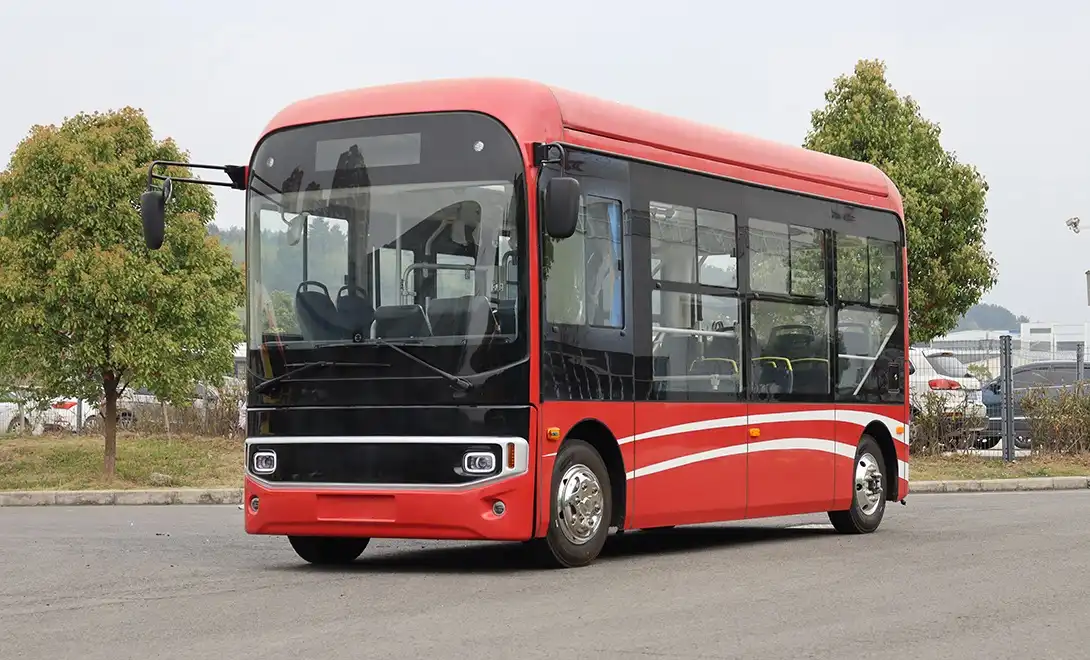
For electric route buses to work, the charging system needs to be carefully thought out. These cars can be charged in a number of different ways, such as using AC systems overnight at a station or fast DC charging for route extensions. Smart charging management systems save money on energy costs by scheduling charging for times when power rates are lower than busy times. This greatly lowers running costs.
As towns try to reach their carbon neutrality goals, integrating green energy sources becomes more and more important. Installing solar panels at depots can provide a lot of the energy needed for charging. This makes bus operations truly sustainable, which is good for the environment and saves money in the long run on energy costs.
Comparative Analysis: 6m Electric Feeder Bus vs Other Feeder Bus Types
Performance Metrics and Operational Capabilities
When procurement managers look at transportation choices for urban roads with low demand, they need to look at performance data for all types of vehicles. Electric feeder buses are more energy efficient than diesel buses, and they can travel the same distance for 60–70% less money. Getting rid of diesel particulate matter and NOx pollution immediately makes the air quality better in neighborhoods where these cars are most often used.
Electric buses that are 6 meters long have some operating benefits over 8-meter buses in certain situations. Because the vehicles are shorter, they can go on routes with tight turning circles and small lanes that bigger buses can't safely go through. Smaller cars also need fewer maintenance facilities, so transit companies that want to add more electric vehicles don't have to spend as much on infrastructure.
Hybrid buses are a middle ground choice, but they are more complicated because they have two powertrains. 6m electric feeder buses get rid of the need for transfer systems, which makes the machines simpler and less complicated to maintain. The easier-to-understand engine design means higher reliability scores and less downtime for fleet operations.
Total Cost of Ownership Analysis
For a full view of the finances, you need to look at both the costs of acquisition and the costs of running the business over a normal 12 to 15-year service life. Electric feeder buses cost more than gas ones, but they save money quickly because they use less fuel and don't need as much upkeep. The energy costs for running an electric vehicle are usually 30–40% of the costs of running a gasoline vehicle. This saves fleet owners a lot of money every year.
Because electric drivetrains have fewer moving parts and don't need oil changes, transmission service, or exhaust system fixes, they have lower maintenance costs. Usually, batteries need to be replaced every 8 to 10 years, which is the most expensive part of care. However, as battery technology keeps getting better, service life keeps going up, and replacement prices keep going down.
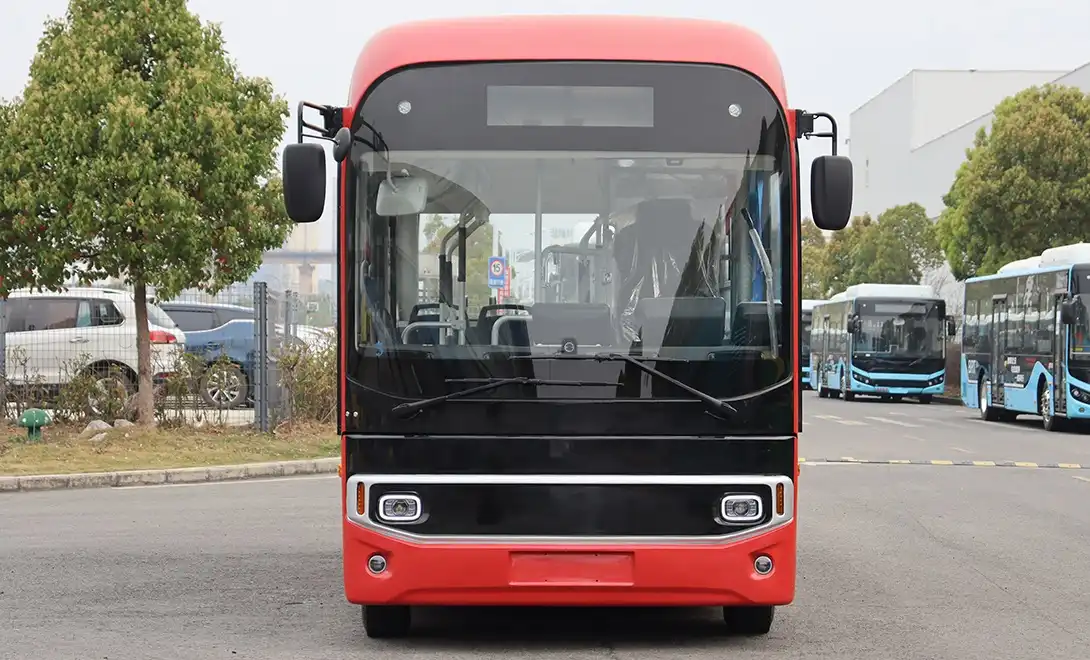
Procurement Insights: How to Select and Acquire 6m Electric Feeder Buses?
Specification Matching for Route Characteristics
A good way to buy an electric feeder bus is to carefully look at the features of the route you want to take and how many people will be using it. For routes with lots of stops, regenerative braking can help extend the range, but for more reliable service on longer neighborhood routes, bigger battery packs are needed. Teams in charge of buying things should compare the average daily travel needs with the manufacturer's range specs, keeping in mind that battery performance and passenger load can change with the seasons.
Climate has a big effect on how well batteries work and how much energy is needed for warmth and cooling. Working in cold weather can cut range by 15–25%, so in northern areas, bigger battery systems or more charging opportunities are needed. During the summer, the amount of air cooling used also changes how much energy is used, so careful planning of capacity is needed for year-round operation.
The passenger demographic study helps figure out the best way to set up the cabin's seats, features for people with disabilities, and room for bags. When it comes to car selection, routes that serve airport links need different interior layouts than routes that serve residential neighborhoods.
Safety, Performance, and Maintenance Evaluation Criteria
Electric feeder bus safety systems have changed over time to include more advanced features that help drivers, like systems that avoid collisions, watch blind spots, and find pedestrians. People who live in neighborhoods where kids and older people often cross bus lines will find these tools especially useful. The standards for fully integrating safety systems should be included in the procurement specs.
The performance review looks at how fast the vehicle can go, how well it can climb hills, and how comfortable the passengers are. Electric motors give more power than diesel engines, which makes the ride better for passengers by making acceleration smoother and noise levels lower. The design of the suspension system has a big effect on the quality of the ride. This is especially true for older people, who make up the majority of riders on many feeder lines.

Long-term running costs are greatly affected by how easy it is to do maintenance. Electric bus designs that make it easy to get to parts cut down on repair time and the costs of work that goes with it. To make sure there is enough support infrastructure, procurement teams should look at how much repair training is needed and what the local service center can do.
Pricing Structures and Financing Options
The prices of electric route buses are based on the cost of batteries, which are going down as production increases around the world. Prices range from $300,000 to $450,000 per car right now, based on the features and the number of vehicles ordered. Agreements to buy in bulk can lower unit costs by a large amount, which makes fleet-wide changes more cost-effective.
Leasing options are available for businesses that want to get the latest electric car technology while minimizing the amount of money they need to spend on cash. These deals usually include repair plans that make budgeting easier and make sure that the maker will be there for you as long as the car is on the road. Leasing batteries separates the cost of storing energy from the cost of buying a car. This lowers the initial investment while guaranteeing battery performance.
Government reward programs at the federal, state, and local levels can make it much cheaper for electric buses to run. These programs often offer both refunds on purchases and help with building infrastructure. This makes the switch to electric power more appealing from a financial point of view for transit companies.
Maintenance, Battery Life, and Charging Strategies for 6m Electric Feeder Buses
Preventive Maintenance and Service Center Requirements
Electric feeder bus maintenance programs are very different from diesel vehicle maintenance programs. Instead of repairing the engines, they focus on electrical systems, tracking the health of the batteries, and inspecting parts. When compared to diesel options, preventive maintenance plans usually stretch service intervals. This cuts down on car downtime and the problems that come with it.
Technician training is important for running an electric fleet well because they need to know a lot about high-voltage electrical systems and battery management technologies. To properly maintain electric vehicles, service shops need to buy specialized testing tools and follow safety rules. The simpler mechanical systems make repair easier overall, but they also require service workers to have different skills.
Monitoring tools for battery health give real-time information on performance that lets repair plans be made ahead of time. To get the most out of battery life and find problems before they happen, these systems keep track of charging cycles, temperature exposure, and performance decline.
Battery Longevity and Charging Protocol Optimization
Modern lithium iron phosphate battery systems last a very long time if they are taken care of properly. They often last longer than the 8–10 years or 150,000–200,000 kilometers that the maker guarantees. Battery management systems make the best use of charging and releasing processes to get the most out of batteries while still meeting performance standards.
The charging procedure you choose has a big effect on how long a battery lasts and how flexible it is to use. Slow overnight charging keeps the battery from being stressed out as much, while quick charging lets you change your route more easily but makes the battery age faster. The best charging methods take into account both operating needs and battery life to get the lowest total cost of ownership.
Extreme temperatures can damage battery systems, but managing the temperature while they are charged and using them can keep them in good shape. Charging stations with climate control and temperature management systems built into cars make sure that batteries work at their best in all kinds of weather.
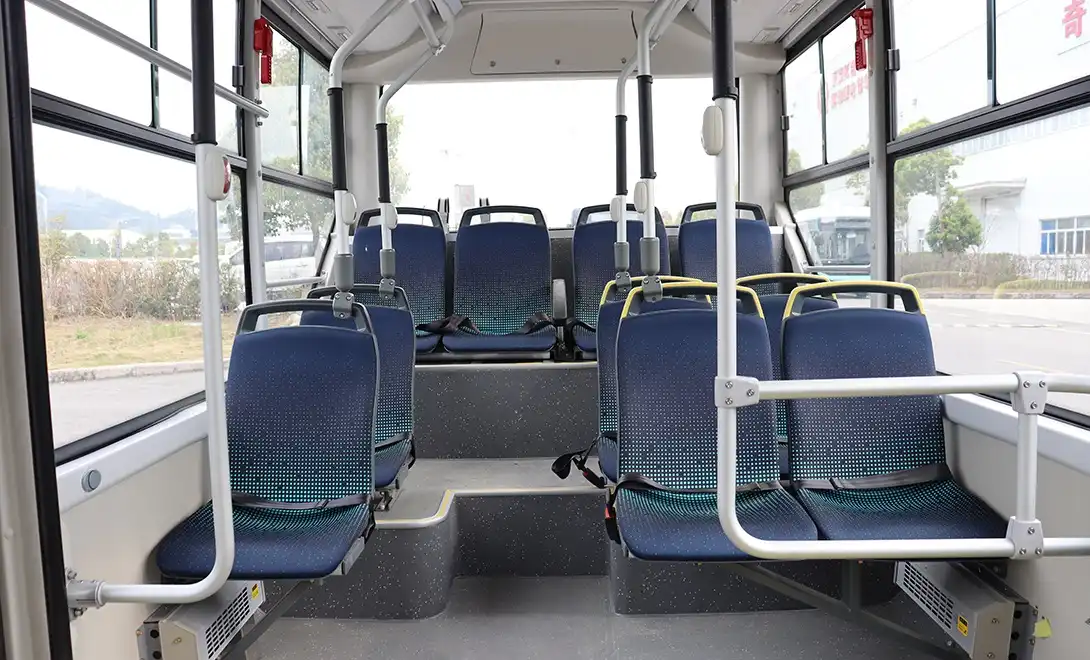
Infrastructure Planning and Smart Charging Implementation
Planning charging infrastructure means coordinating the needs of vehicles, the capacity of the power grid, and the needs of operations schedules. Depot charging systems usually use AC power to charge overnight, while route charging chances may use DC fast charging to increase range while the service is down.
Smart charging systems save energy by planning charging for times when power rates are low and there is a lot of green energy available. When compared to charging methods that are not controlled, these systems can cut energy costs by 20 to 30 percent while also helping to keep the grid stable through demand response.
As the number of electric buses grows, grid connectivity issues become more important. Partnering with a utility company can get you better rates and help with infrastructure, all while making sure you have enough electricity for your plans to grow your fleet.
Environmental and Economic Impact: Why 6m Electric Feeder Buses Make Sense?
Emission Reduction and Air Quality Improvements
6m electric feeder buses are good for the environment in more ways than just lowering carbon dioxide levels. They directly improve the air quality in living areas, which can be measured. These cars don't put out any pollution at all from their tailpipes. This means they don't produce any particulate matter, nitrogen oxides, or volatile organic compounds that are bad for your health. Studies show that switching from a gasoline bus to an electric bus stops about 1,600 tons of CO2 from being released over the course of 12 years.
Improvements in air quality are especially noticeable in cities with lots of people and a lot of feeder buses. Getting rid of diesel exhaust particles lowers the amount of particulate matter that affects people living near bus paths, especially children and the old. The economic value of this health gain can be measured by how much it lowers healthcare costs and raises quality of life.
Noise pollution is also reduced by electric buses, which make 50% less noise than gas buses of the same size. This soundproofing upgrade lets services run longer in residential areas without bothering people, which could mean more transport options while keeping neighborhoods liveable.
Economic Benefits for Municipalities and Operators
When transit agencies use electric buses, they save a lot of money because the cost of energy is only 30 to 40 percent of the cost of gas fuel. Over the life of the vehicle, these saves add up to a lot, and within 6 to 8 years of running, they often cover the higher costs of buying the vehicle. Lower maintenance costs make the economic benefits even better; for example, diesel-powered drivetrains need 60% more regular upkeep than electric ones.
Better measures for service dependability and passenger happiness open up ways to make money. Electric buses are more likely to arrive on time because their motor systems are simpler and break down less often. Better customer comfort through quieter operation and smoother acceleration can bring more people to lines that weren't getting enough service before because of diesel bus limits.
Better transit service raises property prices and encourages business growth along bus lines, which has an effect on both the economy and neighborhood development. Electric feeder buses make it possible for service to reach places that weren't available before. This improves connectivity, which is good for both economic growth and home development trends.
Company Introduction and Product Service Information
JCM is a leader in electric vehicle innovation. Their advanced 6m electric feeder buses are perfect for low-demand lines and offer complete answers to problems with urban transit. Because we have a lot of experience making customized automotive goods, we can meet the specific needs of a wide range of market groups while keeping the highest quality standards throughout the entire development and production process.
Our global footprint includes research and development centers carefully placed in key automotive hubs. For example, in Xiamen, we have facilities for developing specialized buses, and we have a wide range of testing facilities that make sure our products work well in a wide range of situations. This international infrastructure lets companies quickly respond to customer needs while keeping the local market knowledge that is needed for a product to be successfully launched.

The "Surfing" car industry chain platform shows our dedication to bringing together top-notch workers, providers, and production skills so we can quickly provide customized solutions. With this all-around method, you can make small batches of products and come up with new products that meet specific customer wants while still keeping costs low and quality high.
We offer full solutions that include planning, development, production, shipping, and service after the sale through our whole industry chain thinking method. This combined ability makes sure that projects run smoothly from the first idea to long-term operating support. This makes things easier for customers and guarantees the best performance results.
In addition to making cars, we offer a wide range of product services that include complete production line solutions that let clients set up local assembly capabilities. These all-in-one solutions include planning the production line, choosing the right tools, improving the process, and giving expert training to make sure that technology is transferred successfully and operations are run at their best.
Conclusion
6m electric feeder buses could be a game-changer for public transit systems in cities that want to be more environmentally friendly while also being more efficient. These vehicles meet the urgent need for environmentally friendly transportation choices on routes with low demand while also saving a lot of money by using less fuel and needing less upkeep. The small size makes it possible to expand service to places that weren't getting enough of it before, which helps communities connect and the economy grow.
When purchasing decisions are being made, it is helpful for procurement officials to look at the total cost of ownership, operating skills, and environmental effect of adopting electric feeder buses. The technology has grown up to the point where it can replace standard diesel cars with reliable, cost-effective options that also help meet larger green goals. Paying close attention to charging infrastructure, repair options, and route planning is necessary for success in order to get the most out of operations and investment.
FAQ
What is the typical operational range of a 6m electric feeder bus?
Under normal conditions, most 6-meter electric feeder buses can go 150 to 250 kilometers on a single charge. Range depends on the number of people riding, the terrain of the path, the weather, and the age of the car. Cold weather can cut range by 15 to 25 percent. In stop-and-go traffic, regenerative braking can help increase range.
How do maintenance costs compare between electric and diesel feeder buses?
During their working life, electric feeder buses usually need 40–60% less upkeep than diesel buses. Routine maintenance needs are greatly reduced because oil changes, gearbox service, and exhaust system fixes are not necessary. Changing the battery, which usually needs to be done every 8 to 10 years, is the most expensive part of upkeep.
What customization options are available for electric feeder buses?
Customization choices include changing the plan inside, adding features for people with disabilities, specifying the charging system, branding the outside, and installing specialized equipment. Seating can be changed to fit the needs of different types of passengers, and battery power can be changed based on travel needs and operational needs.
Partner with JCM for Your Electric Transit Solutions
JCM offers complete electric feeder bus options that are made to fit your business's needs and the current market conditions. As a top maker of 6m electric feeder buses, we can make customized vehicles, offer full production line solutions, and provide ongoing technical support that guarantees a smooth fleet rollout and long-term operating excellence.
Our integrated method includes designing vehicles, building factories, and building up infrastructure to give customers all over the world complete options. Our team has the knowledge and tools to make sure that the adoption of electric transit goes smoothly, whether you need to buy all the vehicles or set up a local production line. Get in touch with our experts at info@jcm-star.com to find out how our custom electric feeder bus solutions can change the way you run your urban transit system while also helping you reach your goals for sustainability and operating efficiency.
References
1. Electric Bus Market Analysis: Urban Transit Solutions and Technology Trends. International Association of Public Transport. 2024.
2. Battery Technology Advancements in Electric Commercial Vehicles. Journal of Clean Energy Transportation. 2024.
3. Comparative Study of Electric vs Diesel Bus Total Cost of Ownership. Urban Transit Research Institute. 2023.
4. Air Quality Impact Assessment of Electric Public Transportation Systems. Environmental Protection and Sustainability Review. 2024.
5. Infrastructure Requirements for Electric Bus Fleet Deployment. International Electric Vehicle Association. 2024.
6. Economic Analysis of Small Electric Buses in Low-Demand Urban Routes. Transportation Economics Quarterly. 2023.

Based on your vehicle requirements, we will quickly match the most suitable specifications and provide a competitive quote.
_1755581003287.webp)
Global Customized


_1756108840480.webp)
_1755854765757.webp)