How to Import Buses: Certifications, Lead Time, and Costs
When you import buses, you have to deal with complicated rules and regulations, long lead times, and a lot of different cost factors that affect your bottom line. Recent market data shows that the demand for business cars around the world is growing by 15% each year, which has led to a lot of growth in the bus export industry. It doesn't matter if you're buying electric buses for city transit or specialized vehicles for school transportation. To make sure you meet regional safety and environmental standards during international procurement, you need to know about the certification process, expected timelines, and cost factors.
Comprehending the Certification Requirements for Importing Buses
International Safety and Environmental Standards
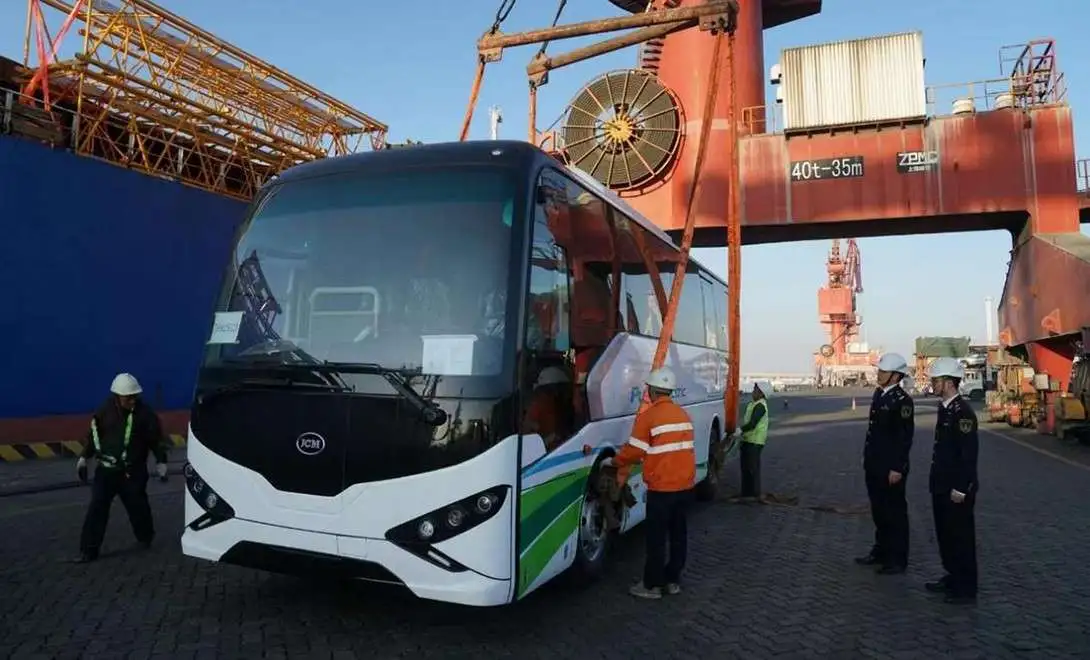
To get bus import certifications, you need to know a lot about a lot of different legal systems that are very different between countries. The Environmental Protection Agency (EPA) sets pollution guidelines for all commercial cars that come into the United States. In the European Union, Euro VI rules focus on lowering nitrogen oxide and particulate matter levels. Tough testing procedures set by the Department of Transportation (DOT) make sure that vehicles are safe, and standards set by the Economic Commission for Europe (ECE R) give foreign markets even more safety standards.
Manufacturers of commercial vehicles must show that they are following the rules by submitting a lot of paperwork that includes test results for emissions, data on safety performance, and ratings of structural soundness. According to the Federal Motor Vehicle Safety Standards (FMVSS), certain types of crash tests, validation of brake performance, and validation of electrical systems are required. Electric and hydrogen fuel cell buses have to go through extra checks because of battery safety measures and alternative fuel system licenses, which can make the approval process take several months longer.
Regional Compliance Challenges
Different markets have different licensing standards for procurement pros, which makes global buying strategies more difficult. A lot of the time, California Air Resources Board (CARB) rules are stricter than federal EPA rules. This means that businesses on the West Coast need to do more tests and keep more records. The Canadian Motor Vehicle Safety Standards (CMVSS) are close to US standards, but they have extra rules about how vehicles should behave in cold weather and require bilingual labels, which change the specifications of the vehicles.
For European markets to accept a car, it must have both a CE mark and a type approval certificate that proves it meets EU regulations. Manufacturers must show agreement across all car systems, such as electromagnetic compatibility, braking, and lighting, as part of the Whole Vehicle Type Approval (WVTA) process. Asian markets have their own licensing requirements. For example, Australia needs vehicles to comply with the Australian Design Rules (ADR) and have a special right-hand drive layout.
Successful Certification Case Study
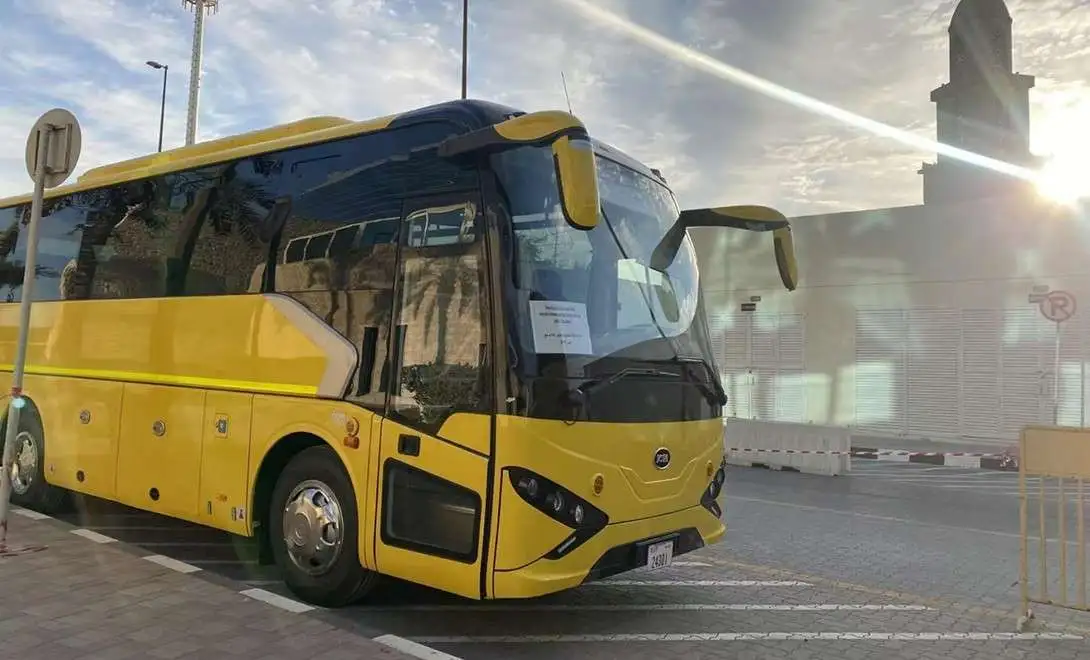
Recently, a large fleet operator partnered with an experienced bus export manufacturer to streamline the approval process for 200 electric school buses in several US states. The project needed the EPA to check for emissions, the NHTSA to test for safety, and each state's school bus rules to work together. The operator cut the time it took to get approval from 18 months to 12 months by hiring certification consultants early in the procurement process and setting clear documentation standards. This made sure that all regulations were followed in every state.
Lead Time Considerations When Importing Buses
Manufacturing and Production Timelines
Lead times for importing buses change a lot depending on the type of vehicle, how it needs to be customized, and how much can be made at a factory. Production times for standard bus configurations are usually 6 to 8 months, but for custom orders with special tools or individual needs, they can be 12 to 15 months. Lead times for electric buses are often longer because they have to work with multiple sources in different parts of the world to coordinate the merging of the battery system and the sourcing of specialized parts.
Original Equipment Manufacturer (OEM) ties have a big impact on production schedules, especially for large orders that need to be assigned to a specific production line. Custom paint schemes, internal layouts, accessibility equipment, and tracking systems make things more complicated, which stretches the time it takes to make something. When production sites are at full capacity, they may need longer booking windows. This is especially true during times of high demand, when many big orders are competing for production slots.
Shipping and Customs Processing
International shipping is a key part of planning total lead times. Depending on the starting and final ports, ocean freight usually takes two to four weeks. Shipping demand during certain times of the year, crowded ports, and a lack of containers can all cause extra delays that affect arrival times. You can use air freight for urgent packages, but it costs a lot more and the vehicle may need to be taken apart to make room for the cargo area.
Customs clearance methods are different in each country, but when all the paperwork is ready, the whole process usually takes one to two weeks. Vehicle inspections, tax assessments, and compliance checks can make clearance times longer, especially for people who are importing for the first time or whose vehicles are configured in a complicated way. Customs agents with a lot of experience help speed up this process by making sure that all the necessary paperwork is filled out correctly and keeping good relationships with port officials that make processing go smoothly.
Lead Time Optimization Strategies
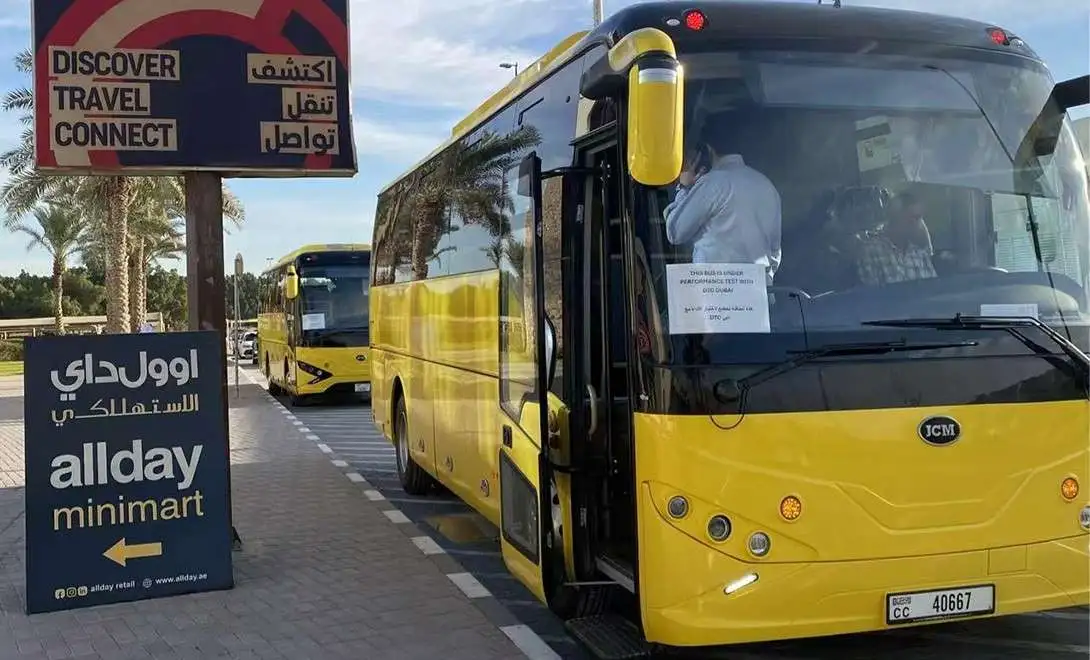
Early interaction with suppliers and setting of clear timelines that take into account all process parts are the first steps in proactive planning. Framework deals that reserve production capacity and give priority ordering for return orders are good for procurement managers. Keeping extra time for unplanned delays helps keep project plans on track, even if problems happen during the shipping or manufacturing stages.
Strategically placing inventory through regional distribution sites can cut shipping times for later orders by a large amount. Some operators make master agreements with bus export providers that include stocking up on popular configurations ahead of time. This makes it possible to quickly send buses when needed. Collaborative transportation partnerships give you access to faster shipping choices and priority customs handling, which can cut down on normal delivery times when your business needs them.
Cost Components in Bus Importing – What to Expect
Direct Purchase and Manufacturing Costs
The biggest part of bus import prices is buying the buses themselves, which can cost anywhere from $300,000 to $800,000 per unit, based on size, specs, and how much technology is built in. Because they need special powertrains and battery systems, electric buses are more expensive, and hydrogen fuel cell versions cost even more. Adding customizations like accessibility equipment, security systems, and different seating arrangements can raise the base price of a car by 10 to 25 percent, based on how complicated the changes are and how well they need to work together.
The prices of steel, aluminum, and computer parts that make up current bus systems affect how much it costs to make them. Changes in currency have a big effect on the total cost of acquisition, especially for contracts that last for a long time. When you buy more than 50 units, you can get a volume discount. You can save even more by using standard configurations that make manufacturing more efficient and lower the complexity of the parts.
Logistics and Import Expenses
Freight costs change a lot depending on the shipping method, route chosen, and the state of the market at the time. For trans-Pacific trips, ocean freight usually costs an extra $15,000 to $25,000 per car. For shorter Atlantic crossings, it may cost $8,000 to $15,000 per unit. International transport requires insurance that covers an extra 1% to 2% of the value of the car. Specialized tools or high-value technology components can be covered for even more.
Import fees and taxes are big cost factors that change depending on the country and type of car. The US puts 25% tariffs on business vehicles from some countries, and European markets have different duty rates based on where the cars come from and trade deals. Value-added taxes, customs handling fees, and inspection fees can add up to big costs that need to be carefully thought through when making a budget.
Hidden Costs and Financial Planning
Compliance certification costs can be shocking for first-time buyers. Testing and paperwork can cost anywhere from $50,000 to $200,000, based on the vehicle's complexity and the certification standards. Local regulatory modifications, such as changing the lights, updating the emission system, and adding safety gear, can add 5 to 15% to the total cost of the car. Setting up a service network and teaching technicians are ongoing costs that are needed for long-term business success.
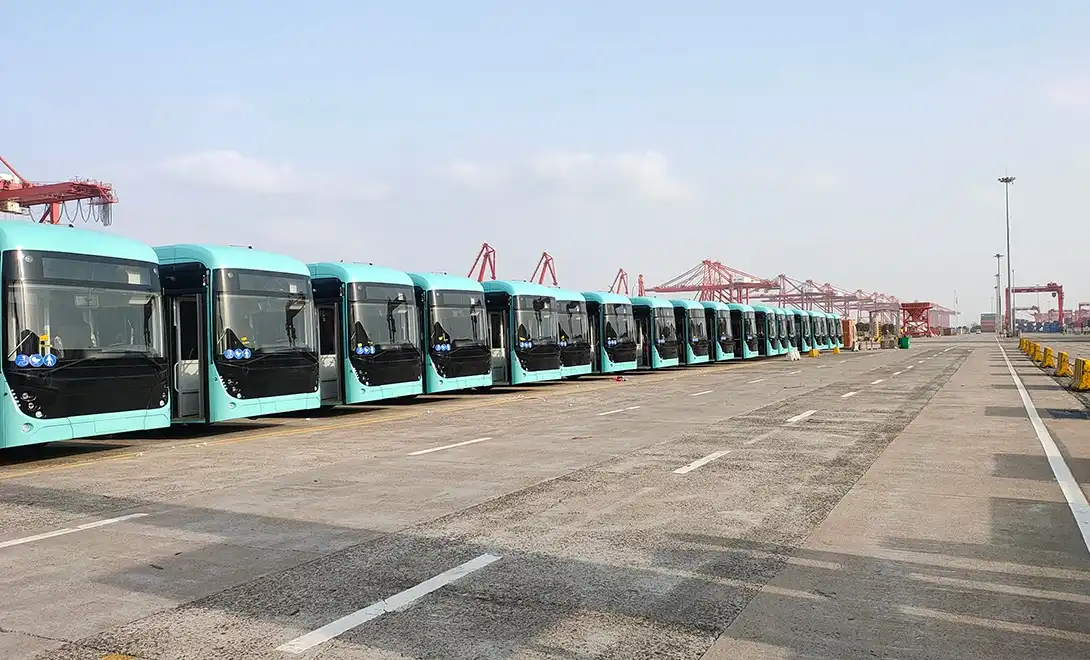
To control costs effectively, you need to look at the total cost of ownership, which includes the costs of buying, financing, running, and maintaining a car over its expected lifetime. Financial partners who understand business car financing and can set up payment terms that work with operational cash flows are helpful for procurement pros. When comparing beginning costs to long-term operating benefits, strategic sourcing strategies often produce better financial results than procurement strategies that only focus on price.
Comparing Export and Import Processes: What B2B Buyers Should Know?
Export Documentation and Compliance
For foreign shipping to go smoothly, producers, freight forwarders, and customs officials must work together on a lot of paperwork related to exporting. To meet the needs of both exporting and importing, commercial invoices must properly show the values, specs, and origins of vehicles and parts. Certificates of origin prove where the goods were made and help with figuring out duties. On the other hand, cars with controlled technologies or going to certain countries may need export licenses.
Manufacturers who keep their ISO 9001 and TS16949 certifications show that they can handle quality in a way that meets export regulations. Export paperwork includes packing lists, sending directions, and insurance certificates that make it possible to watch and be responsible for the whole shipment. Bus export companies with a lot of experience have export offices where they prepare paperwork and work with foreign logistics partners to make sure everything is in order.
Communication and Timeline Coordination
To successfully buy a foreign bus, everyone involved must be able to talk to each other at the same time to keep everyone on track with the schedule and reduce project risks. Reporting on success on a regular basis during the manufacturing process helps find possible delays early and take steps to fix them. Export sellers with a history of working with people from other countries can help you communicate better and understand how cultural differences can affect business relationships and project execution.
Real-time project tracking and communication tools help get around the problems that come with foreign procurement that are caused by distance and time zones. Videoconferencing lets you do virtual workplace inspections and progress checks that keep everyone in the loop on the project without having to travel a lot. Collaboration tools for project management make sure that everyone involved in the project always knows what's going on and can act quickly when needs change or problems arise out of the blue.
Partnership Benefits and Risk Mitigation
When you work with well-known bus export makers, you can use their tried-and-true supply chains and quality control systems to lower the risks of buying from them. Suppliers with a lot of experience offer full warranty programs and after-sales help that include technical training and parts available after the sale. Long-term partnerships allow for bulk savings, priority scheduling for production, and chances for both parties to work together to create new products.
Strategies for lowering risk include checking the financial health of suppliers, getting references from current customers, and reviewing facilities to make sure they have the right skills and quality management systems in place. Diversified supply networks make it less important to rely on just one source, while still allowing for access to new ideas and cheap prices. Strategic relationships with companies that offer full service networks make sure that ongoing help is available no matter where you are or what your needs are.

JCM's Comprehensive Bus Import Solutions
Industry Leadership and Manufacturing Capabilities
JCM is a leading company specializing in customized automotive products and solutions, providing reliable bus export services that meet the diverse requirements of customers around the world. Our research and development centers are in Shiyan for trucks and Xiamen for buses. These, along with our operating centers in Southeast Asia, the Middle East, and Europe, allow us to create and make products quickly. Our wide range of products includes pure electric buses, hydrogen fuel cell buses, logistics vehicles, school buses, and custom-built business vehicles that are made to meet the needs of each area and operation.
Our "Surfing" car industry chain tool brings together the best global talent, suppliers, and customers to make it easy to customize products quickly and come up with new ones. This unified method helps with all stages of services, from the first concept to small-batch production and launch into the market. Our way of thinking about the whole industry chain includes demand-centric aggregation, which lets us offer customized goods quickly while making sure quality control is maintained at all stages of production.
Advanced Production and Assembly Solutions
JCM offers full solutions for building local production lines and managing parts that include everything from planning to putting the solutions into action. Our custom-made production lines for buses, trucks, light buses, and pickup trucks include plant areas that are connected to each other, three main production workshops, shared power stations, warehouses, and all the equipment needed to make 2,000 units a year.
Our special production lines for body welding can handle SKD body kits, which include roof panels, underbodies, side assemblies, and back and front assemblies. We have full production lines for assembly fixtures with cycle times of 60 minutes, as well as production lines for drive motors that can make parts in KD form. To meet the needs of making electric vehicles, battery manufacturing options include cell, module, and pack assembly processes with yearly capacities of up to 100 MWh.
Value-Added Services and Support
We care about our customers' success more than just delivering vehicles. We offer full technical support, training programs, and planning services that make sure production runs smoothly. We give skilled training to local staff to help them learn how to put things together, which improves the quality of the products and makes production more efficient. Our self-organizing, open structure lets us work together on projects while also giving everyone on the team a personal reason to make the group valuable.
Whole industry chain transactions include funding, design, development, production, delivery, and service after the sale. These transactions make cloud manufacturing, cloud design, cloud quality management, and full lifecycle services possible. Our "blank-space" method to growth meets specific national and demographic needs while quickly finding gaps in the market that can be filled with deep cultivation. This all-inclusive service model helps customers improve local manufacturing skills, cut costs, and make production processes more efficient.
Conclusion
To successfully import buses, you need to pay close attention to the approval requirements, make plans for realistic timelines, and do a full cost analysis that goes beyond the initial buy prices. Because foreign procurement is so complicated, you need people with a lot of experience who know the rules and can handle the problems that come up when you buy a commercial car across borders. Procurement pros can get good results while minimizing risks and keeping costs low during the import process by working with well-known bus export makers and sticking to tried-and-true methods.
FAQ
What certifications are mandatory for bus imports to the US and Europe?
Imports into the US must meet EPA pollution standards, DOT safety requirements, and FMVSS standards. Imports into Europe must meet Euro VI pollution standards and have CE marking and WVTA approval. There may be more state-specific rules, especially for school buses and other specialty uses.
How long does the typical bus import process take from order to delivery?
Importing a standard bus usually takes 8 to 12 months, which includes making, shipping, and clearing customs. Custom setups may make wait times 15 to 18 months longer. For battery integration and approval processes, electric and customized cars often need more time.
What cost-saving strategies work best for bulk bus purchases?
When you buy more than 50 units, you can get a volume discount, and common setups can save you even more money. Long-term framework deals keep prices stable and give importance to certain tasks. When operations are shared and shipping is combined, the cost of moving each unit is cut by a large amount.
How do import duties affect total bus acquisition costs?
Import taxes range from 0% to 25%, based on trade agreements and the type of vehicle. They rely on the country where the vehicle came from. Extra taxes, customs fees, and inspection fees can add up to high costs that need to be carefully planned out and modeled financially.
Partner with JCM for Your Bus Import Success
As one of the best bus exporters, JCM blends decades of experience working with customers around the world with cutting-edge production skills to give your procurement projects the best value possible. Our all-inclusive method covers every part of importing buses, from developing the original specifications to delivering the buses and providing ongoing assistance. No matter if you need standard setups or unique solutions, our team can help you in a way that fits your working needs and the rules that apply to your business. Are you ready to make it easier to buy buses? Email our professional team at info@jcm-star.com to talk about your project needs and find out how our tried-and-true methods can cut costs, speed up timelines, and guarantee legal success.
References
1. International Association of Public Transport. "Global Bus Rapid Transit Statistics and Performance Metrics." Annual Transportation Report, 2023.
2. Department of Transportation Federal Motor Carrier Safety Administration. "Commercial Vehicle Importation Guidelines and Certification Requirements." FMCSA Regulatory Handbook, 2023.
3. European Automobile Manufacturers Association. "Commercial Vehicle Type Approval Procedures in European Markets." ACEA Technical Standards Manual, 2023.
4. Environmental Protection Agency Office of Transportation and Air Quality. "Heavy-Duty Vehicle Emission Standards and Certification Procedures." EPA Regulatory Guidelines, 2023.
5. Society of Automotive Engineers. "International Standards for Commercial Vehicle Safety and Performance Testing." SAE Technical Standards Compendium, 2023.
6. World Bank Group. "Global Commercial Vehicle Trade Patterns and Economic Impact Analysis." International Trade Development Report, 2023.

Based on your vehicle requirements, we will quickly match the most suitable specifications and provide a competitive quote.
_1755581003287.webp)
Global Customized


_1756108840480.webp)
_1755854765757.webp)