Key Certifications Required for Electric Bus Export
To meet foreign standards for safety, quality, and environmental protection in global markets, electric bus export products must comply with a wide range of certification and licensing requirements. To get into a new market, manufacturers need to get a lot of different kinds of certifications. These include safety approvals, electromagnetic compatibility (EMC) tests, battery safety standards, and legal compliance for each area. These certifications prove the quality of the product, boost buyer trust, and make it easier for electric buses going to foreign markets to get through customs.
Introducing the Importance of Certifications in Electric Bus Export
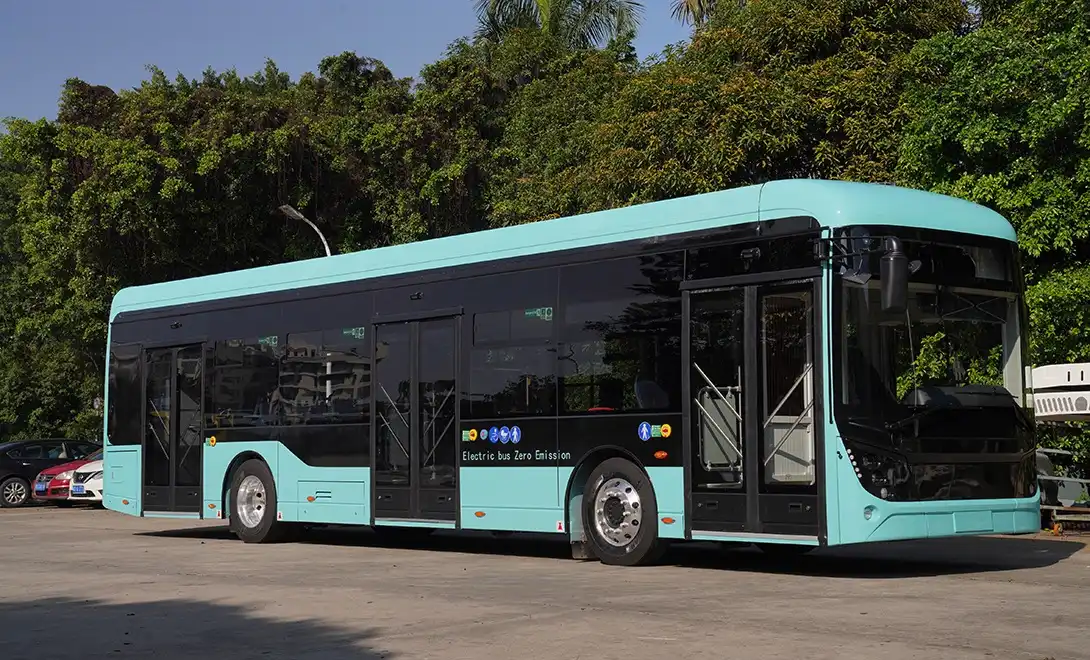
Certifications are what make foreign trade in electric vehicles possible. They act as guards that make sure strict global standards are met. When purchasing managers look at possible sources for their fleet operations or delivery networks, these certifications help them figure out how reliable the products are and how well they follow the rules.
There are many parts to current electric bus certification that have direct effects on business processes. Safety certifications make sure that passengers and drivers are safe, and performance standards make sure that the car works well and reliably. Environmental certifications show that you are committed to sustainability goals, which are becoming more and more important for government fleet standards and business purchasing policies.
Core Certification Categories for Global Markets
Understanding the basic types of certification makes it easier for buying workers to choose suppliers. As part of safety certifications, vehicles are put through crash tests, electricity safety standards, and fire safety measures that keep riders and workers safe. These guidelines are very different from one market to the next. For example, European ECE rules are very different from American FMVSS rules.
Performance approvals check that a vehicle's range, charging abilities, and overall efficiency are true in a variety of situations. These guidelines make sure that electric bus export can work in a variety of climates and with a variety of users. Performance ratings for batteries go over things like energy density, charge cycles, and thermal control systems in detail.
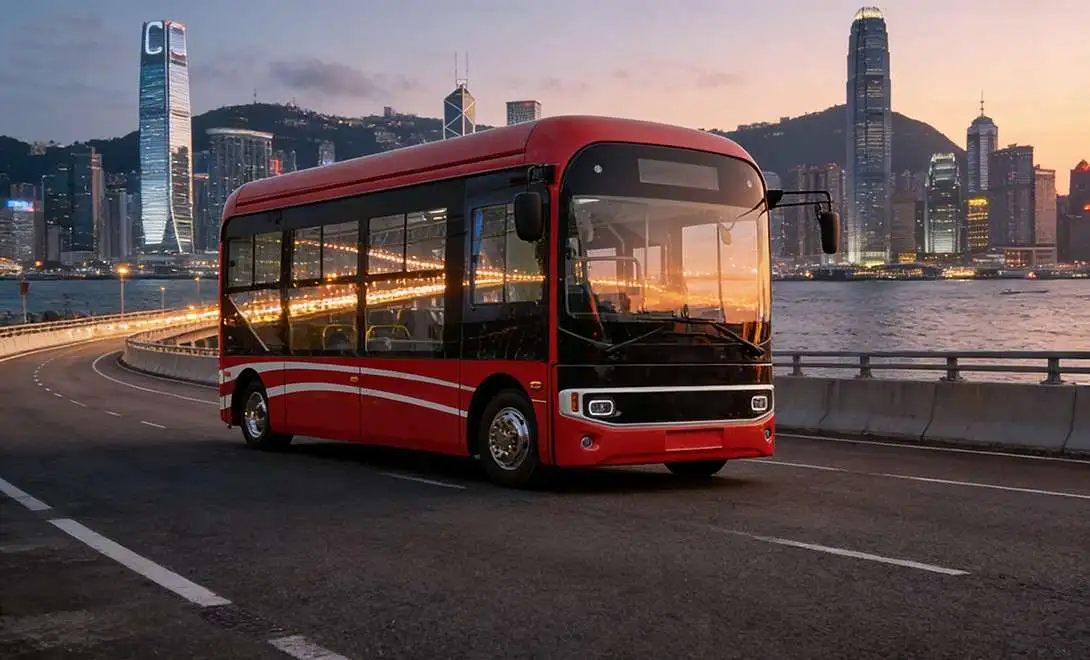
Lifecycle emissions, recycling, and production methods are all looked at in environmental effect studies. These approvals are necessary to get big contracts because they are in line with government environmental policies and business sustainability efforts.
Regulatory Frameworks Across Different Regions
Different regulatory systems in different areas create different compliance settings that makers need to carefully manage. European markets put a lot of weight on whole car type approval processes that need a lot of paperwork and strict rules for tests. These rules put safety for passengers, protecting the environment, and being able to work with other EU member states high on the list of priorities.
In North America, crash safety standards and pollution compliance are very important. The Americans with Disabilities Act also sets extra requirements for features that make cars easier for people with disabilities to use. These rules set specific standards for designs that affect how things are made and which parts are chosen.
Emerging markets often use a mix of methods, taking parts from well-established governing systems and adding their own needs. Understanding these subtle differences makes it easier to work with suppliers in a smart way and cuts down on delays caused by compliance issues.
Major Certification Requirements by Key Export Markets
The global markets for electric buses have a lot of different approval paths that need to be carefully negotiated in order for new products to be launched successfully. Each big market has its own set of rules that reflect local interests, safety standards, and environmental concerns.
The EU Whole Vehicle Type Approval (WVTA) method must be fully followed in order to sell goods in the European Union. This means that a lot of tests and paperwork must be done. This approval method makes sure that more than 50 detailed rules about safety, environmental performance, and operations are followed. The technical basis for these approvals is set by the UNECE rules, which cover everything from electromagnetic compatibility to stopping systems.
United States Market Requirements

It's hard to get certified in the United States because of the Federal Motor Vehicle Safety Standards (FMVSS) system. Through strict testing procedures, these guidelines cover things like structural stability, electric bus export, and crashworthiness. The Environmental Protection Agency (EPA) approval method checks claims about how well something reduces emissions and how much energy it uses.
With more rules for zero-emission car programs, California Air Resources Board (CARB) approval is needed to get into the biggest state market. Compliance with the Americans with Disabilities Act adds mobility standards that change how vehicles are designed and how they are certified.
Buy America rules add more paperwork needs to be filled out for cars bought with government money. These include specific domestic content certifications and supply chain paperwork.
Asian Pacific Market Standards
As countries in the Asia-Pacific region build up their legal systems, certification standards are becoming more complex. For products to be sold in China, they have to go through a lot of testing and workplace checks as part of the CCC (China Compulsory Certification) system.
India's Automotive Industry Standard (AIS) rules set specific standards for how things must work in the country's harsh conditions, such as how well they must handle high temperatures and dust. Because of these requirements, testing often needs to go above and beyond what is required by international standards.
Australia's Australian Design Rules (ADR) system takes parts from both European and American standards and adapts them to local situations like performance in high heat and compatibility with road trains.
Navigating the Certification Process for Electric Bus Export
To get certified, you have to carefully plan and pay close attention to every detail during many stages of making and testing the product. Time-to-market and competitive positioning in target export markets are directly affected by how well this process is managed.
Product testing takes the most time and resources because it checks that all safety systems, performance factors, and environmental compliance are working properly. Different markets have very different testing rules, and some need twice as much testing even when the standards look the same. Testing for electromagnetic compatibility makes sure that the electronics in a car work properly without affecting systems or structures outside the vehicle.

Documentation and Application Procedures
Applications for certification must be backed up by accurate paperwork, such as thorough technical specs, test results, and descriptions of the production process. Documentation for the quality management system shows that the production skills are consistent and that compliance is being monitored all the time.
How to submit an application varies from certification body to certification body. Some require preliminary reviews before official testing starts. Knowing these changes in how things are done helps you plan your schedule and use your resources more efficiently during the certification process.
Factory inspections make sure that quality control methods and industrial processes are following the rules. These reviews usually happen during the certification process, and the certification may need to be kept up to date with regular checks.
Overcoming Common Certification Challenges
Keeping certification deadlines on track requires careful planning and cooperation between many parties, such as regulatory authorities, testing labs, and certification groups. It's important to make sure that the documentation is correct because mistakes or gaps can cause big delays and require more testing.
Regional differences in standards make it harder to get certifications for multiple markets at the same time. Some makers use staged certification, giving priority to high-value markets while creating separate certification plans for minor markets.
To coordinate third-party testing, you need to carefully choose approved labs that have the right skills and are well-known in the market. Certification deadlines can be pushed back by lab capacity issues, especially during times of high demand.

Integrating Certification with Overall Export Compliance and Logistics
For electric bus export operations to go smoothly, certification papers and larger export compliance systems need to work together without any problems. This combination makes sure that customs clearance goes smoothly, lowers the risk of liability, and improves the general efficiency of the supply chain.
Coordination of export documents includes making sure that certification data is in line with business invoices, bills of lading, and customs reports. Having the right paperwork lowers the chance of delays at customs and makes sure that foreign trade rules are followed. Requirements for a certificate of origin may list particular manufacturing sites that were checked out during the certification process.
Supply Chain Documentation Requirements
The choice of Incoterms affects the certification paperwork duties of both customers and sellers. For FOB agreements, sellers usually need to provide certification papers for customs clearance in the country of origin. For CIF agreements, sellers may need to provide extra paperwork for compliance in the country of destination.
The precision of customs classification depends on certification data, especially when it comes to figuring out import permit requirements and tax rates. Different trade deals often give special treatment to certain types of electric vehicles. This means that having correct certification paperwork is important for lowering costs.
Insurance and liability issues change a lot depending on whether or not a vehicle is certified. Usually, certified cars get better coverage terms and lower prices. When full approvals show that a product meets all safety standards, the risk of product liability goes down by a lot.
Enhancing Supplier Reputation Through Certification
Certification compliance must be shown over and over again across multiple product lines and places in order for the market to trust the company. In competitive selling processes and long-term supply deals, suppliers with a wide range of certifications are often given priority.
When approval paperwork makes it clear what a product can do and that it is compliant, customers are more likely to trust it. People who work in procurement like sellers who can give them clear approval roadmaps for new markets and product variations.

Superior certification packages that go above and beyond basic requirements or show compliance with new standards make it possible for brands to stand out. This strategy puts sellers in a good situation for how the market and rules will change in the future.
Ensuring Quality and Sustainability Through Certifications
When buying an electric bus export today, sustainability and environmental duty are given more weight than standard quality measures. Through standards for full environmental effect studies and lifecycle analyses, certification frameworks have changed to meet these needs.
Sustainability approvals back up environmental claims by testing and keeping records of how products are made, where materials come from, and how easily they can be recycled at the end of their useful life. These approvals are in line with government environmental policies and business social responsibility programs that have a big impact on big purchases.
Environmental Impact Assessment Standards
Lifecycle analysis licenses look at how an item affects the world from the time it is first made until it is thrown away. The results of these tests give numbers that back up environmental promises and let you compare different vehicle choices.

Carbon footprint certifications keep track of greenhouse gas pollution throughout the lifetime of a product. This information is needed for companies to report on their sustainability and for the government to make sure they follow environmental laws. As carbon pricing systems spread around the world, these licenses become more important.
Material sourcing approvals prove that responsible buying practices are used for important parts like rare earth elements and battery materials. More and more people are worried about the health and ethics of the supply chain. These licenses help ease those worries.
Quality Management System Certifications
ISO 9001 certification shows that quality management is systematically applied throughout all production processes. This gives customers trust in the quality of the products and the processes for ongoing growth. More specific quality standards for cars are built on top of this approval.
IATF 16949 approval covers quality standards unique to the car industry. These standards cover things like managing suppliers, creating new products, and controlling production. This certification is now needed to work with big OEMs and be a part of the car supply chain.
Suppliers that work with aerospace products or use aerospace-grade parts may need to get AS9100 approval. This license shows that the company can meet the highest standards of quality and dependability in a number of different businesses.
Quality assurance methods that are checked through certification processes give procurement pros faith in the skills of suppliers and the dependability of their products. These guidelines describe how to check incoming materials, keep an eye on the production process, and make sure that the end product is safe.
JCM: Your Certified Electric Bus Export Partner
JCM is a one-stop shop for making electric buses and exporting them around the world. They have cutting-edge production facilities and a lot of experience with licensing. Our unified method covers the whole area of licensing while providing personalized answers that match the needs of the market and the goals of buying.

Our manufacturing skills include full production lines for vehicles, the production of specialized parts, and quality control systems that are approved to meet international standards. Because our production sites are strategically placed to reach markets around the world, we can easily change our goods to meet the needs of different regions while still maintaining the same high quality standards.
Comprehensive Certification Portfolio and Manufacturing Excellence
JCM keeps a large collection of certifications that cover all the major markets in the world. These include European WVTA approvals, American FMVSS standards, and certifications for new markets. Our dedicated certification team works closely with foreign testing labs and regulatory bodies to make sure that approval processes happen on time and that ongoing compliance monitoring is done.
Along with production lines for making cars, we also have lines for making batteries (with a yearly capacity of more than 100 MWh), production lines for drive motors, and special assembly parts. These built-in features allow for full quality control during the whole production process, making sure that all stages of production meet approval requirements.
Some of the technical support services are certification coaching, legal advice, and help with customizing for specific markets. Our engineering teams work directly with customers to make sure that product designs meet the needs of the target market and that the time it takes to get a product to market is shortened.
Supply chain management skills help clients handle tricky foreign logistics while keeping the integrity of certification documents during the shipping and customs clearance processes. Our long-term partnerships with global transportation partners make sure that deliveries go smoothly and that parts that need to be certified are handled correctly.
Conclusion
The success of exporting electric bus export relies on making sure that all of the necessary certifications are met in all of the world's markets. As technology standards, environmental requirements, and regional regulatory systems change, so does the certification scene. People who work in procurement need to work with providers who have a lot of experience with certifications and stay up to date on compliance in many areas. Strategic planning for approval lowers risks, speeds up entry into the market, and improves a company's place in the growing global market for electric vehicles.
FAQ
How long does electric bus certification typically take for major markets?
Certification times depend a lot on the market and how complicated the process is, but they are usually between 6 and 18 months for full approvals. In Europe, the WVTA process can take 8 to 12 months, while in the US, FMVSS approval can take 6 to 10 months. Due to developing legal systems and limited testing facilities, certifications in emerging markets can last longer than 12 months.
Can certifications from one market be accepted in other regions?
Some markets only partially recognize each other, but most places need their own unique licenses. European and Australian markets are somewhat connected through UNECE rules, but American and Asian markets usually need their own approval methods. For each target market, manufacturers should come up with a different approval plan.
What happens when certification standards change after approval?
Existing licenses usually stay good until they need to be renewed, but makers need to keep an eye on changes to regulations that could affect future production. When new rules are put in place for future applications, grandfathering clauses often protect approvals that have already been given. Manufacturers can get ready for upcoming changes and keep their market access by keeping an eye on how regulations are changing.
Partner with JCM for Certified Electric Bus Export Excellence
For all of your electric bus export needs, JCM has you covered with a lot of licensing knowledge and a track record of producing high-quality products. Our streamlined method mixes certified output with legal advice to make sure that your buying goals are in line with the rules set by governments around the world. Send an email to info@jcm-star.com to talk to one of our certification experts about unique electric bus export possibilities that fit your market needs and time frame.
References
1. International Organization for Standardization. "Road vehicles — Functional safety — Part 1: Vocabulary." ISO 26262-1:2018, Geneva: ISO Press, 2018.
2. United Nations Economic Commission for Europe. "Global technical regulations for wheeled vehicles, equipment and parts." UNECE Vehicle Regulations, New York: United Nations Publications, 2023.
3. Society of Automotive Engineers International. "Electric Vehicle Battery Safety Standards and Testing Procedures." SAE J2929, Warrendale: SAE International, 2022.
4. European Commission Directorate-General for Internal Market. "EU Type-Approval Framework for Motor Vehicles: Technical Guidelines." Brussels: European Commission Publications, 2021.
5. National Highway Traffic Safety Administration. "Federal Motor Vehicle Safety Standards for Electric and Hybrid Vehicles." FMVSS 305, Washington DC: Department of Transportation, 2023.
6. International Electrotechnical Commission. "Electric road vehicles — Safety requirements for conductive charging systems." IEC 61851-23:2023, Geneva: IEC Publications, 2023.

Based on your vehicle requirements, we will quickly match the most suitable specifications and provide a competitive quote.
_1755581003287.webp)
Global Customized


_1756108840480.webp)
_1755854765757.webp)