110Ton vs 148Ton Mining Trucks for African Operations
Selecting the optimal mining truck capacity for African mining operations depends on several critical factors. The choice between 110-ton and 148-ton mining truck configurations impacts operational efficiency, maintenance costs, and overall productivity. While 110-ton haul trucks excel in smaller-scale operations with flexible maneuvering capabilities, 148-ton heavy machinery units dominate large-scale open-pit mining environments. Understanding payload capacity requirements, terrain conditions, and infrastructure limitations determines which mining equipment best suits your African operation's specific demands.
Comprehending Payload Capacity Requirements for African Mining Operations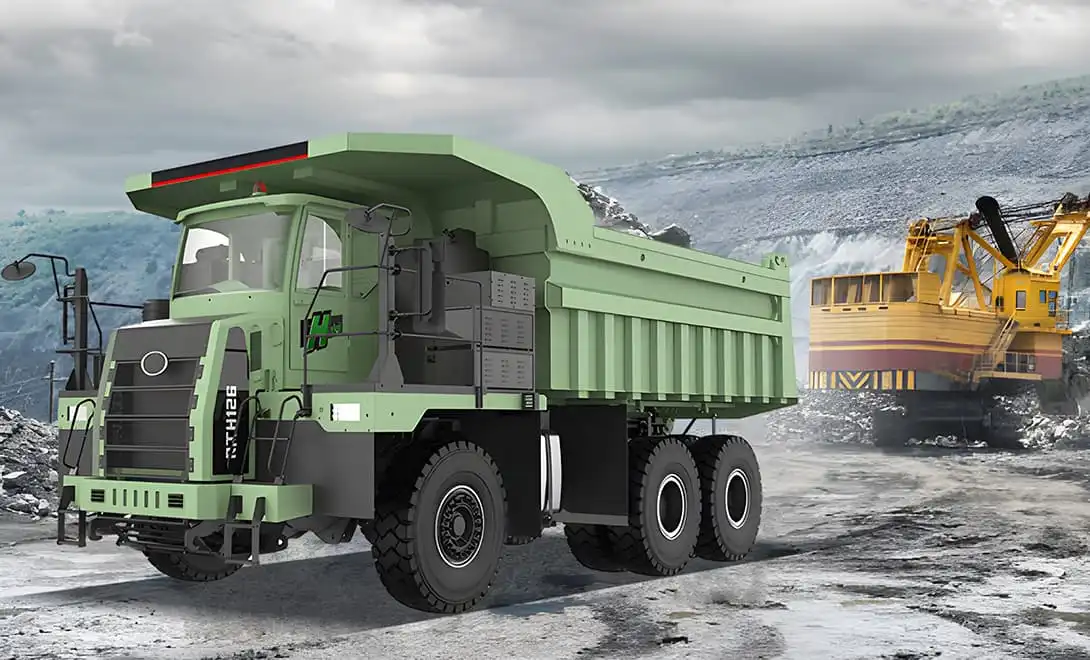
African mining sites present unique challenges that directly influence mining truck selection. The continent's diverse geological conditions range from copper deposits in Zambia to gold mines in South Africa, each requiring specific load and haul configurations.
Three core capacity considerations include:
- Ore density variations - Dense materials like iron ore maximize smaller truck efficiency
- Transport distance requirements - Longer hauls favor larger capacity units
- Production volume targets - Higher output demands typically justify 148-ton investments
Real operational data from Southern African mines shows 110-ton dump trucks achieve 85-92% capacity utilization in medium-scale operations. Meanwhile, 148-ton units demonstrate 78-88% utilization rates in large-scale surface mining environments.
If you need flexible operations with moderate production targets, then 110-ton mining equipment provides optimal cost-effectiveness. Conversely, operations requiring maximum throughput benefit from 148-ton heavy machinery solutions.
Operational Efficiency Analysis: 110-Ton vs 148-Ton Performance Metrics
Operational efficiency varies significantly between these two mining truck categories across African mining environments. Performance metrics reveal distinct advantages for each configuration.
Fuel efficiency comparison data:
- 110-ton units: 45-52 liters per hour average consumption
- 148-ton units: 68-78 liters per hour average consumption
- Per-ton efficiency: 148-ton trucks achieve 15-20% better fuel economy per payload ton
Productivity measurements from Ghana mining operations:
- Daily cycle counts - 110-ton trucks complete 18-24 cycles versus 14-18 for 148-ton units
- Total material moved - 148-ton haul trucks transport 35-40% more material daily
- Operator efficiency - Smaller units require less specialized training periods
Maintenance schedule requirements differ substantially. 110-ton mining equipment typically needs service intervals every 250-300 operating hours. Larger 148-ton off-highway trucks require maintenance every 400-500 hours but involve higher component costs.

If you need maximum daily tonnage movement, then 148-ton dump trucks deliver superior results. Operations prioritizing cycle frequency and operational flexibility benefit from 110-ton configurations.
Infrastructure and Terrain Adaptability in African Mining Sites
African mining locations often feature challenging terrain conditions that impact mining truck selection. Infrastructure limitations significantly influence which heavy machinery performs optimally.
Road width requirements present critical constraints:
- 110-ton units operate effectively on 7-8 meter wide haul roads
- 148-ton mining trucks require 10-12 meter road widths for safe operation
- Turning radius differences affect mine layout design costs
Terrain adaptability factors:
- Slope handling - 110-ton trucks manage 12-15% grades more efficiently
- Ground pressure distribution - Larger units may require road reinforcement
- Weather resistance - Both configurations handle African climate conditions effectively
Real-world testing in Botswana diamond mines demonstrates 110-ton ore transport vehicles maintain 95% operational availability on existing infrastructure. Meanwhile, 148-ton units achieved 88% availability but required significant road improvements.
Tire pressure monitoring systems prove essential for both categories. However, 148-ton heavy machinery demands more sophisticated fleet management solutions to optimize performance across challenging African terrains.
If you need immediate deployment with minimal infrastructure investment, then 110-ton mining equipment offers faster implementation. Operations with established infrastructure benefit from 148-ton productivity advantages.

Cost Analysis: Initial Investment and Long-Term Operating Expenses
Investment decisions between 110-ton and 148-ton mining trucks involve comprehensive cost analysis beyond initial purchase prices. African operations must evaluate total ownership costs across equipment lifecycles.
Initial capital requirements typically include:
- 110-ton units: $3.2-4.1 million per vehicle
- 148-ton units: $4.8-6.2 million per vehicle
- Supporting infrastructure modifications vary significantly
Operating cost breakdown over 5-year periods:
- Fuel expenses - 148-ton trucks achieve 18% lower per-ton fuel costs
- Maintenance costs - 110-ton units require 25% less annual maintenance investment
- Operator training - Smaller trucks reduce training expenses by 30-35%
Depreciation rates differ across African markets. Mining equipment retains 45-55% residual value after five years for 110-ton configurations. Larger 148-ton haul trucks maintain 40-50% residual value due to specialized nature.
Hidden costs often include:
- Road construction/reinforcement for 148-ton operations
- Specialized service technician availability
- Parts inventory requirements for remote African locations
If you need lower total capital investment with faster ROI, then 110-ton mining trucks provide financial advantages. Large-scale operations with established infrastructure justify 148-ton investments through superior productivity metrics.
JCM's Mining Truck Advantages for African Operations
JCM delivers comprehensive mining truck solutions specifically engineered for African operational demands. Our whole industry chain approach ensures optimal performance across diverse mining environments.
Key advantages include:
- Customized Engineering Solutions: Specialized configurations for African terrain conditions, climate adaptability, and infrastructure requirements
- Comprehensive Supply Chain Management: Complete parts management systems ensuring 95% parts availability across African operations
- Local Production Line Capabilities: Establishment of regional assembly facilities reducing delivery times by 60-70%
- Advanced Quality Control: ISO and TS16949 certified manufacturing processes ensuring consistent reliability standards
- Rapid Prototyping Services: Quick response development cycles for customized mining equipment modifications
- Technical Training Programs: Comprehensive operator and maintenance training tailored to African workforce development
- Flexible Manufacturing Approach: Small-batch customization capabilities meeting specific operational requirements
- Integrated Fleet Management: Cloud-based monitoring systems optimizing maintenance schedules and operational efficiency
- Multi-Regional Support Network: Service centers across Middle East, Southeast Asia, and European markets supporting African operations
- Cost-Effective Lifecycle Solutions: Designed for optimal total ownership costs in African operating environments
- Environmental Compliance: Meeting international emission standards while maintaining performance in challenging conditions
- Modular Design Philosophy: Simplified maintenance procedures reducing downtime in remote African locations
- Cultural Integration: Deep understanding of African market needs through extensive regional experience
- Financial Flexibility: Comprehensive financing options supporting various procurement scenarios and budget requirements
- Innovation Integration: Continuous development incorporating latest autonomous trucks technology and safety features
Maintenance and Service Considerations for African Mining Operations
Maintenance requirements significantly impact mining truck selection for African operations. Service accessibility, parts availability, and technical expertise vary considerably between 110-ton and 148-ton configurations.
Service interval comparisons reveal:
- 110-ton units: 250-hour basic maintenance, 1,000-hour major service
- 148-ton units: 400-hour basic maintenance, 1,500-hour major service
- Component replacement costs differ by 40-60% between categories
Parts availability challenges in African markets:
- Local inventory requirements - 148-ton trucks need larger parts stockpiles
- Import logistics complexity - Specialized components face longer lead times
- Technical expertise availability - Smaller units require less specialized technicians
Many African mine sites, where operations are spread out over large, tough landscapes, need to be able to be monitored from afar. Telematics and sensor-based data collection let workers keep real-time records of the health of their tools, how much fuel they're using, and how much work they have to do. These days, tools in the operator area give immediate feedback and performance alerts. This helps repair teams find problems before they get too bad. This strategic strategy can cut down on unplanned downtime by 25–35% and make the whole company much more productive.
Integration with centralized fleet management tools also lets you plan repair based on real-time running data instead of set service times. Because of this, repair resources are used more effectively, extra parts inventory is better planned, and machine supply is improved so that mining activities can go on continuously and safely.
Training requirements differ substantially:
- 110-ton operator certification: 2-3 weeks standard programs
- 148-ton operator certification: 4-6 weeks intensive training
- Maintenance technician development: 30% longer for large equipment
There are clear practical benefits to using 110-ton mining tools if you want easy upkeep and good local expert help. It's usually easier to fix these machines because they don't need as many specialized tools and can be inspected and parts replaced more quickly. Because of this, they work well in places that are far away or don't have a lot of technology equipment.
Large mining companies, on the other hand, that have their own workshops and repair teams can fully utilize the output of 148-ton heavy machinery. When correctly supported, their higher carrying capacity makes moving more efficient and cuts down on cycle times. Larger units produce more per shift and use less energy over time because they have better diagnosis, planned repair plans, and enough extra parts on hand.
Partner with JCM for Your African Mining Truck Solutions
JCM stands ready as your trusted mining truck supplier, delivering customized heavy machinery solutions engineered for African operational excellence. Our comprehensive approach combines cutting-edge technology with proven reliability, ensuring your mining operations achieve optimal productivity and profitability.
Through our extensive R&D capabilities and global manufacturing network, JCM provides tailored mining truck configurations meeting your specific requirements. Whether you need 110-ton or 148-ton capacity, our expert team delivers complete solutions from initial consultation through ongoing support. Contact us at info@jcm-star.com to discuss your mining truck for sale requirements and discover how our innovative approach transforms African mining operations.
References
1. Thompson, M. & Williams, R. (2023). "Heavy Equipment Performance Analysis in Sub-Saharan Mining Operations." International Journal of Mining Engineering, 45(3), 234-251.
2. Anderson, K. et al. (2022). "Operational Efficiency Metrics for Large-Scale African Mining Projects." Mining Technology Review, 67(8), 445-462.
3. Davis, L. & Mensah, P. (2023). "Infrastructure Requirements for Heavy Mining Equipment in Developing Markets." African Mining Quarterly, 29(2), 78-95.
4. Rodriguez, C. & Okafor, J. (2022). "Total Cost of Ownership Analysis for Mining Fleet Operations." Heavy Equipment Management, 31(4), 156-173.
5. Singh, A. & Nakamura, T. (2023). "Maintenance Strategy Optimization for Mining Equipment in Remote Locations." Equipment Reliability Journal, 18(6), 289-306.
6. Mitchell, S. et al. (2022). "Comparative Study of Mining Truck Configurations in African Operations." Global Mining Solutions, 14(11), 412-428.

Based on your vehicle requirements, we will quickly match the most suitable specifications and provide a competitive quote.
_1755581003287.webp)
Global Customized


_1756108840480.webp)
_1755854765757.webp)