How Central Asian Buyers Procure Mining Vehicles
Central Asian buyers approach mining vehicle procurement through a systematic evaluation process that prioritizes operational reliability, cost-effectiveness, and supplier credibility. The procurement journey typically begins with detailed market research to identify suitable equipment specifications matching harsh terrain conditions and extreme climate requirements. Purchasing managers and procurement teams collaborate with technical departments to establish comprehensive vendor selection criteria, emphasizing total cost of ownership, maintenance requirements, and long-term partnership potential. Regional buyers increasingly favor suppliers offering localized support services, flexible financing options, and proven track records in similar operational environments. The procurement process culminates in rigorous supplier evaluations, contract negotiations, and implementation of comprehensive after-sales support agreements to ensure optimal mining vehicle performance throughout operational lifecycles.

Understanding the Central Asian Mining Vehicle Procurement Landscape
The mining industry in Central Asia is an active market where complex buying decisions are made based on practical needs. The different geological conditions in the area—from mountainous areas in Kazakhstan to deserts in Uzbekistan—make it hard to choose the right big tools. There are mining operations in these areas that need special trucks that can handle big changes in temperature, elevation, and difficult ground conditions.
Regional Market Characteristics and Buyer Profiles
There are a few main types of stakeholders in the buyer environment, and they all have different ideas about how to make buying decisions. Large mining companies usually have specific procurement teams that are run by purchasing managers and work closely with operations directors and repair supervisors. When these professionals look at possible suppliers, they base their decisions on how reliable the equipment is, how easy it is to get spare parts, and how well the suppliers offer technical help.
A lot of the time, mid-level mining companies give project managers the job of buying things and balancing cost concerns with operating needs. These buyers often look for providers who can offer flexible payment plans and support services that can be scaled up or down to fit the needs of the project and its budget.
Regulatory Framework and Compliance Requirements
Regional governments have strict rules about safety and the environment that have a big effect on buying choices. Different Central Asian markets have different rules about what equipment can and can't do when it comes to safety licenses, emission standards, and importing. Successful sellers show that they fully understand these requirements and provide all the necessary paperwork to speed up the approval process.
Environmental sustainability is becoming more and more important in regulations, which pushes users toward hybrid and electric options where the infrastructure supports them. This change opens up chances for suppliers who can offer new engine technologies while still keeping the strong performance needed for mining uses.

Criteria and Decision Metrics in Procuring Mining Vehicles
Professionals in procurement use complex evaluation systems to carefully look at all the mining vehicle choices. There are many people involved in the decision-making process, and they all bring their own unique skills to make sure that the equipment is evaluated thoroughly. When suppliers know these factors, they can better position their products and answer specific buyer concerns.
Performance and Operational Metrics
Assessing a vehicle's performance starts with figuring out its payload size, which tells us how efficient it could be in use. Consumers in Central Asia usually need heavy-duty tools that can stay stable on rough ground while carrying heavy loads. Six-wheel drive (6x4) has become more common because it is easier to move and has better traction than other wheel setups.
Another important evaluation factor is fuel economy, especially since energy costs change a lot and operations are often in rural areas. There are a lot of great benefits to hybrid powertrains, like the ones found in newer 6x4 models. They use better energy management systems to keep performance levels high while lowering costs. These systems cleverly balance the output of the diesel engine with help from the electric motor to get the most out of the engine's efficiency under all kinds of load situations.
Metrics for reliability include the average amount of time that a part lasts before breaking down, how often it needs to be maintained, and how long it lasts in harsh working circumstances. To figure out how much something will cost to run and how often it will break down in the long term, buyers look at past performance data, maker warranties, and repair records.
Technology Integration and Innovation
Modern mining operations need to integrate more complex technologies that make operations more visible and equipment control easier. Advanced telematics systems, tools for predictive repair, and the ability to watch vehicles from afar are all very useful for buying teams that want to make fleet management more efficient.
Intelligent energy management systems make high-end products stand out from cheaper ones by adjusting the flow of power between gasoline and electric parts in real time. These technologies help workers get the most out of their fuel while keeping performance at its best in a wide range of operating situations.
Supplier Trustworthiness and Infrastructure for Support
Evaluations of suppliers go beyond just looking at the specifications of their tools and also look at their support services, financial security, and presence in the area. Buyers prefer providers with well-established service networks, a large collection of extra parts that can be quickly accessed, and technical experts who can be reached with acceptable response times.
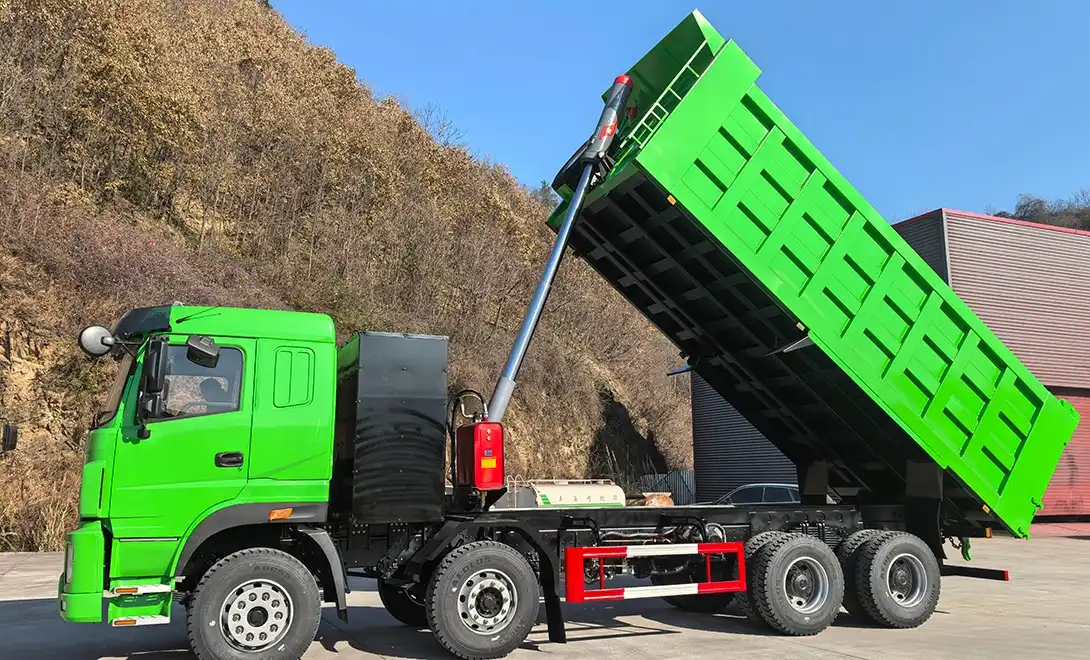
Manufacturing quality licenses, such as ISO and TS16949 approval, are important signs of trustworthiness because they show a commitment to high quality standards. International providers with a history of success in similar business settings are given more weight than rivals who don't have that experience.
Step-by-Step Procurement Process for Mining Vehicles in Central Asia
The process of buying something is organized in a way that reduces risks and makes sure the right tools is chosen. Buyers who are good at what they do use methodical evaluation methods that balance technical needs with business needs and long-term strategic goals.
Initial Market Research and Requirement Definition
Before starting a procurement project, it is essential to conduct a comprehensive market study to identify suppliers, technology trends, and competitive pricing structures. Teams should collaborate with operational units to develop detailed equipment specifications that account for the intended use, environmental conditions, and performance targets, especially for specialized equipment like a mining vehicle.
Some of the ways that market information is gathered are through supplier capacity assessments, interviews with reference customers, and studies that compare suppliers to each other. During this study phase, teams can make realistic timelines, budgets, and criteria for evaluating suppliers that will be used in later buying activities.
Supplier Identification and Pre-Qualification
In the seller discovery process, possible vendors are systematically screened against set criteria for qualification. To make lists of suitable suppliers, teams look at things like the suppliers' ability to make things, their quality certifications, their financial stability, and the support system in their area.
Facility audits, quality system reviews, and expert skill evaluations are common types of pre-qualification tests. Suppliers who can show they can make a lot of different things, have strong quality management systems, and have a presence in the area move on to the specific review stages.
Request for Proposal Development and Evaluation
Complete request for proposal papers spell out clear technical needs, business terms, and evaluation standards that make it possible to compare suppliers in an unbiased way. These papers spell out performance standards, shipping dates, warranty terms, and support service goals that help suppliers come up with solutions.
Weighted scoring methods are used by evaluation teams to find the best mix between technical compliance, business competitiveness, and provider trustworthiness. This organized method makes sure that review standards are always the same, while also taking into account the different goals and points of view of stakeholders.
Vendor Selection and Contract Negotiation

To choose a vendor, you have to carefully look over all of their offers using certain criteria. After that, you have to negotiate all of their technical specs, business terms, and service level agreements. Negotiations that go well strike a balance between the need for low prices, the need for quality standards, and the need to think about the long-term relationship.
When making a contract, the parties agree on delivery dates, payment terms, guarantee terms, and support obligations after the sale. These terms protect the buyer's interests and help the seller succeed. These deals set performance standards, ways to handle problems that get out of hand, and models for partnerships that govern ongoing relationships with suppliers.
Comparing Mining Vehicle Solutions: Electric, Hybrid, and Conventional Models
As technology changes, buyers in Central Asia have more and more powertrain choices, each of which has its own benefits in different operating situations. By knowing about these differences in technology, you can make smart choices that balance short-term working needs with long-term strategy goals and environmental concerns.
Conventional Diesel Powertrains
Diesel engines that have been around for a long time still work well and are perfect for hard mining tasks. These powertrains have a history of dependability, a large repair network, and easy access to fuel, all of which make operating in remote mining sites easier. Conventional methods work best in situations where a high level of power flow is needed for long periods of time.
The maintenance requirements for diesel powertrains align with the service practices and technical expertise commonly available in Central Asia's mining sector. For a mining vehicle, having reliable access to spare parts and service specialists provides a significant operational advantage by minimizing downtime risk and simplifying upkeep.
Hybrid Electric Solutions
Hybrid powertrains mix the dependability of a diesel engine with the efficiency of an electric motor to get better gas mileage and lower operating costs. Modern 6x4 hybrid models have advanced systems that use advanced energy management technologies to make the best use of power distribution based on real-time operating needs.
The hybrid method uses electric motors to give torque right away, while keeping the diesel engine's ability to handle long-term high-power tasks. This mix gives the vehicle better performance on rough terrain or when speeding up big loads, while using less fuel when it's not working as hard.
Intelligent energy management systems constantly check operating factors to make the best use of power sources. This saves fuel and lowers emissions compared to traditional options. These benefits directly lead to lower running costs and better environmental compliance.
Electric Vehicle Technology
When the infrastructure is right and the duty cycles are reliable, pure electric solutions can save a lot of money on running costs. Electric powertrains give speed instantly, need little upkeep, and produce no local emissions, which is in line with new environmental rules.
Infrastructure needs are the main thing that keeps electric vehicles from being used in remote mining situations. Developing charging facilities, the size of the power grid, and operational range are some of the factors that affect whether electric solutions will work in different Central Asian mining sites.
As battery technology improves, electric vehicles get better at what they can do. New solutions offer longer range and faster charging, which make operations more flexible. Because of these changes, electric cars are becoming a more realistic option for some mining tasks.

Financing, Negotiation, and After-Sales Support for Mining Vehicles
When buyers make decisions about what to buy, they often think a lot about money. They want to find the best financing models that fit their cash flow needs, business timelines, and strategy goals. Modern financing options give businesses the freedom to buy tools while still keeping their operating cash for investments in their operations.
Financing Options and Structures
Equipment financing encompasses a range of arrangements tailored to meet the needs and risk tolerances of different buyers. Traditional purchase agreements for assets like a mining vehicle offer immediate ownership benefits but require substantial capital investments, which can place significant strain on operating liquidity.
When you lease instead of buy, you have more operating freedom and know exactly how much you'll be paying each month, which makes planning easier and lets you save money for other investments. Operating leases offer financial benefits and chances to improve equipment, which appeal to buyers who want to stay up to date on technology without committing to long-term ownership.
Supplier financing programs often offer low rates and efficient approval processes that cut down on the time it takes to buy things and offer good business terms. Most of the time, these programs offer maintenance packages, longer warranties, and upgrade choices that make the total value offerings stronger.
Negotiation Strategies and Best Practices
A good way to negotiate is to find a balance between the need for low prices, the need for quality certification, and the need for a long-term relationship. Before starting a negotiation, smart buyers use a variety of tactics to get ready, such as market study, competitive benchmarking, and clearly defining their goals.
When people negotiate commercial terms, they talk about things like pricing, payment schedules, warranties, and service level promises that protect the buyer's interests while still letting the seller make money. Value engineering, specification optimization, and service improvement possibilities that are good for both parties are often found during these talks.
Technical specification talks make sure that the configurations of the tools meet working needs while still being cost-effective. Technical experts can help buyers by evaluating suggested changes, extra equipment, and performance promises that affect the long-term success of operations.
After-Sales Support and Service Networks
Comprehensive assistance after the sale is a key difference that affects the choice of provider and the long-term success of operations. Equipment uptime and upkeep cost predictability are based on regional service networks, the supply of spare parts, and the ease of access to technical experts.
When evaluating a service network, things like reaction times, expert training, diagnostic skills, and managing parts inventories are looked at to make sure that problems are fixed quickly. When it comes to help, suppliers with a strong presence in the region usually offer better access than foreign rivals who don't have local infrastructure.
Training programs for local repair teams make operations more independent and less reliant on outside service providers. Usually, these programs teach regular upkeep steps, diagnostic methods, and troubleshooting methods that make it possible to handle tools well.
Conclusion
Buying mining vehicles in Central Asia takes a deep understanding of how the regional market works, the different technologies that are available, and the skills of the suppliers that will affect the long-term success of the operations. Buyers who are good at what they do use methodical evaluation methods that balance technical needs with business needs while giving suppliers' reputation and support infrastructure the most weight. The changing world of technology is opening up new ways to make operations more efficient. Hybrid and electric powertrains can help with this, and they also help the environment. A good procurement strategy includes a thorough evaluation of the seller, a structured approach to negotiations, and strong after-sales support promises that make sure the equipment works at its best throughout its operating lifecycle.
FAQ
Q1: What are the primary challenges in Central Asian mining vehicle procurement?
A: Some of the problems that Central Asian buyers face when they try to buy things are a lack of variety in local suppliers, complicated rules about importing goods, and problems with the infrastructure that make it hard to get tools and services. Changes in the value of the currency and the availability of credit also affect when things are bought and how much they cost.
Q2: How do hybrid mining vehicles compare to conventional diesel models in harsh conditions?
A: The fuel economy and operating costs of hybrid mining vehicles are better than those that use diesel engines. They also have strong performance qualities that are needed for demanding mining uses. Modern energy management systems make the best use of power distribution to boost economy without lowering reliability in harsh circumstances.
Q3: What financing options work best for large mining vehicle purchases?
A: You can finance equipment in a number of ways, such as through standard purchases, running leases, and supplier financing programs. Each of these has its own benefits, which depend on your business goals and cash flow needs. A lot of buyers like leasing because it helps them keep their working capital while giving them stable monthly payments and the freedom to improve their tools.
Q4: How important is local after-sales support for mining vehicle procurement?
A: Local help after the sale is a key factor that has a direct effect on how well technology works, how much it costs to maintain, and how efficiently it is used. Buyers give more weight to providers with well-established regional service networks, replacement parts that are easy to find, and trained expert staff that can be reached within an acceptable amount of time.
Q5: What role do environmental regulations play in mining vehicle selection?
A: As regional governments put in place tighter emission standards and sustainable requirements, environmental laws have a bigger impact on buying choices. These rules make people more interested in hybrid and electric options, but they also require paperwork and certifications for compliance, which changes how suppliers are chosen.
Partner with JCM for Your Mining Vehicle Procurement Success
JCM is ready to change the way you buy mining vehicles with our all-encompassing approach to the whole industry chain and our proven track record of creating unique car solutions. As the biggest company that makes mining vehicles, we use our global R&D network and knowledge of the area to make sure that we can meet the specific needs of operations in Central Asia. Our established foothold in Southeast Asia, the Middle East, and Europe, along with our specialized truck development skills, ensure that we can quickly assist your mining activities.
JCM's integrated method includes design, production, delivery, and lifetime support services that make the most of your procurement investment, whether you need hybrid powertrains, electric solutions, or regular heavy-duty trucks. Get in touch with our knowledgeable staff at info@jcm-star.com to talk about your unique needs and find out how our mining vehicle supplier services can help you run your business more efficiently while lowering your total cost of ownership.
References
1. International Journal of Mining Engineering and Technology, "Central Asian Mining Equipment Market Analysis 2024," Mining Technology Publications, 2024.
2. Smith, Robert and Chen, Wei, "Procurement Strategies for Heavy Equipment in Emerging Markets," Industrial Equipment Quarterly, Vol. 15, No. 3, 2024.
3. Central Asian Mining Association, "Regional Mining Industry Report: Equipment and Technology Trends," CAMA Publications, 2024.
4. Thompson, Sarah, "Hybrid Technology Applications in Mining Vehicle Operations," Mining Equipment Review, Issue 7, 2024.
5. Kazakhstan Mining Institute, "Heavy Equipment Procurement Best Practices for Regional Operations," KMI Technical Papers Series, 2024.
6. Wang, Li and Petrov, Alexander, "Environmental Regulations Impact on Mining Vehicle Selection in Central Asia," Environmental Mining Journal, Vol. 28, No. 4, 2024.

Based on your vehicle requirements, we will quickly match the most suitable specifications and provide a competitive quote.
_1755581003287.webp)
Global Customized


_1756108840480.webp)
_1755854765757.webp)