Autonomous Transport Vehicles for Central Asian Mines
The mining industry in Central Asia is going through a huge change because of the use of autonomous transport vehicles, which are completely changing how materials move over rough terrains. Cutting-edge artificial intelligence, advanced sensor arrays, and complex guidance systems allow these self-driving mining trucks to work safely in harsh settings without any help from a person. Autonomous transport vehicle technology is proving to be a game-changer for mining companies in Kazakhstan, Uzbekistan, and nearby areas. This new technology solves important problems in the mining industry, like the lack of workers, dangerous working conditions, and the need for operations to be available 24 hours a day, seven days a week in rural mines.
Introducing Autonomous Transport Vehicles in Mining
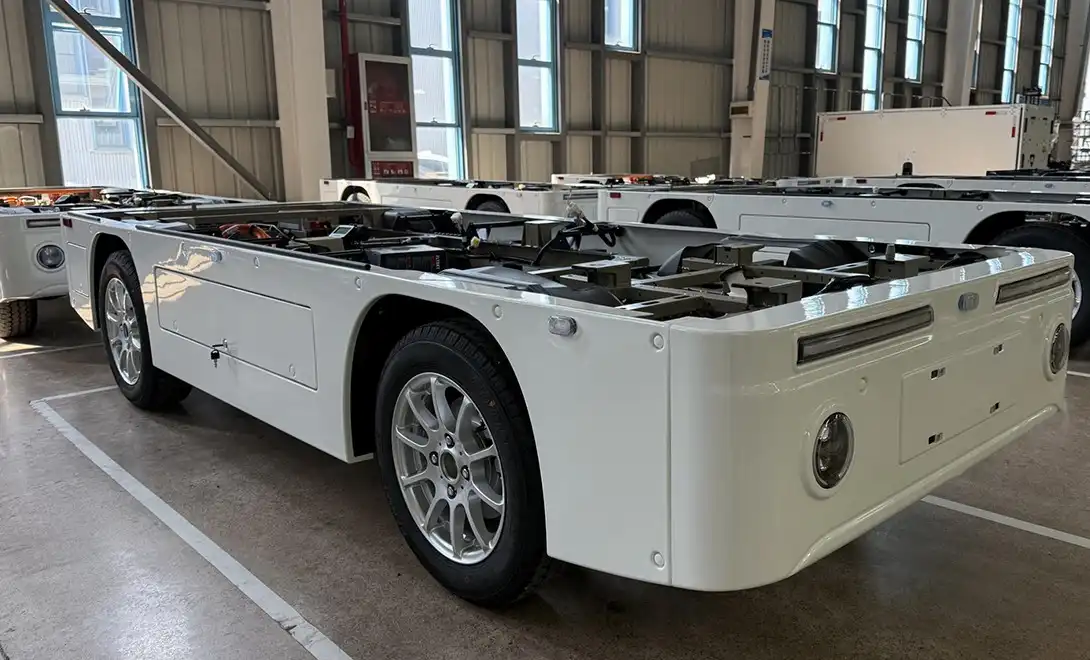
Autonomous Transport Vehicles are a big change in the way mining processes are done. They use advanced technologies like AI, sensors, GPS, and connections to run without direct human control. These high-tech tools combine several different types of technology to make a complete transportation system that changes the way mining operations handle materials and manage processes.
Core Technologies Behind Self-Driving Mining Vehicles
Modern mining trucks that can drive themselves are made up of a number of important technical parts that allow them to work on their own. Using LiDAR devices, you can make thorough three-dimensional maps of your surroundings. Radar systems, on the other hand, can reliably find things even when the weather is bad. Computer vision systems in high-tech cameras make it very easy to find barriers, people, and navigational signs. Real-time kinematic positioning added to GPS systems makes them very accurate down to the centimeter level, making sure that cars stay on set paths with little deviation.
The vehicles' artificial intelligence systems handle huge amounts of sensor data in real time, making choices in a split second about how to navigate, change speeds, and avoid obstacles. By looking at working trends and adapting to site-specific conditions, machine learning algorithms are always making things work better. Vehicle-to-infrastructure connection systems make it possible for multiple autonomous units to work together without any problems. This stops fights and improves traffic flow across mining sites.
Vehicle Types and Specialized Applications
Heavy-duty transport is mostly done by autonomous haul trucks, which can carry loads of more than 400 tons and get through complicated mine road networks. These huge vehicles have strengthened chassis designs, advanced stopping systems, and multiple safety features to make sure they work reliably even when they are carrying heavy loads. It is possible to use load-haul-dump trucks in both underground and open mining because they can move materials and dump them.
Specialized dozers and grades that can work on their own do important upkeep and site preparation work. With the help of precise positioning tools, these trucks can do difficult earthmoving tasks with little help. The fleet is completed by water trucks and fuel transport vehicles, which are very important support services that meet the same safety and efficiency standards as the main transport units.
Challenges and Solutions in Deploying ATVs in Central Asian Mines
Central Asia's unique geography and environment make adoption difficult in ways that can only be solved with new technologies. The area experiences huge temperature changes, from very hot summers to very cold winters. This means that vehicles need to be built to be strong and reliable in all kinds of weather.
Environmental and Terrain Challenges
Mountainous areas that are common in many mining areas in Central Asia make tracking hard for normal autonomous systems. Geological conditions that aren't steady, steep slopes, and small entry roads all call for better sensors and more flexible control algorithms. Dust storms that happen a lot in the area can mess up visual devices, so radar, LiDAR, and GPS technologies must be used together in multi-modal sensing methods.
Mining sites are often in places with poor connection systems, which makes it hard for remote control and tracking systems to work. Edge computing capabilities that allow for local decision-making without constant connectivity to central control systems are how advanced autonomous transport vehicles overcome these limits. Satellite communication backup systems make sure that important data can be sent even in faraway areas.
Regulatory and Compliance Considerations
Central Asian countries have different rules about how self-driving cars can be used, so they need flexible ways to make sure they follow the rules. While making sure their autonomous transport vehicle deployments comply with local safety standards and environmental laws, mining companies must handle complicated approval processes. As regulations change, regular software changes and certification methods help keep businesses in line.
A lot of the time, safety licensing methods need to be tested and approved in real-life situations. Companies that use self-driving systems have to show that they are safe to use by doing thorough risk assessments and following emergency reaction procedures. Integration with current safety management tools makes sure that adoption goes smoothly and that safety cultures stay the same.
How to Choose the Right Autonomous Transport Vehicle for Your Mine?
A careful analysis of working needs, site factors, and long-term strategy goals is necessary before choosing the best autonomous transport vehicle. When mining companies decide what to buy, they need to think about things like payload capabilities, operating conditions, integration complexity, and the total cost of ownership.
Key Selection Criteria for Mining Applications
The most important thing to think about is the payload ability. There are choices ranging from 30-ton utility vehicles to 450-ton ultra-class haul trucks. Operations must fit the vehicle's capacity to their unique material handling needs, taking into account the limits of the road network and the compatibility of the loading equipment. Navigation systems from different companies have very different levels of accuracy. Some can get as accurate as sub-centimeters, while others can only get as accurate as meters, which is fine for basic transportation tasks.
How much system uptime is needed depends on how often operations happen and how well repair can be done. With redundant parts and the ability to plan repair in advance, premium autonomous transport vehicle systems can maintain a 95% uptime. For electric self-driving cars, battery life and the facilities needed for charging become very important, especially in remote areas where power output may be limited.
Technology Integration and Customization Options
To meet particular operating needs, modern autonomous transport vehicles offer a wide range of customization choices. Sensor settings can be changed based on the site conditions. For example, dust protection can be improved for dry areas, and cold-weather packages can be used in very cold places. Software tools let you choose from different routing methods, safety rules, and ways to connect them to other mine management systems.
Manufacturers are offering flexible designs more and more, which let capabilities grow in small steps as practical needs change. These devices can be added to current fleets of vehicles, giving them more autonomous capabilities at a low cost. Different providers offer very different training programs and professional support services. Some offer full on-site support, while others only offer remote help.
Integrating Autonomous Transport Vehicles into Mining Operations
Technical compatibility, operational processes, and human factors must all be taken into account when integrating an autonomous transport vehicle successfully. When mining companies add autonomous systems to their current processes, they need to carefully plan how to do this so that there are as few problems as possible and as many benefits as possible.
Technical Integration Requirements
Enterprise resource planning system connectivity makes sure that data flows smoothly between self-driving cars and mine management platforms. Modern autonomous transport vehicles produce enormous amounts of operating data that must be analyzed and merged with systems for planning production. Fleet management software keeps track of multiple self-driving units and finds the best routes and plans based on what the business needs right now.
To meet the specific service needs of self-driving cars, maintenance management systems need to be updated. Predictive maintenance programs look at data from sensors to find problems that might happen before they stop operations. To keep complex autonomous systems running in remote mining sites, you need specialized diagnostic tools and trained workers.
Operational Workflow Adaptation
Operational processes need to be changed to take into account what driverless vehicles can and can't do. Traffic control systems make sure that self-driving and human-driven cars don't collide and that safety standards are met. Communication methods make it easy for autonomous systems and human workers to work together when there are multiple fleets.
Key performance indicators, such as output rates, fuel consumption, and safety metrics, are tracked by performance monitoring systems. Real-time dashboards provide operational visibility, and historical data analysis supports continuous improvement efforts. Regular performance reviews help identify optimization opportunities and validate return on investment projections, especially when deploying an autonomous transport vehicle.
The Future of Autonomous Transport Vehicles in Central Asian Mining
Because of problems in the job market and the need to be more efficient, mining companies in Central Asia are putting themselves at the front of the line when it comes to using self-driving cars. As technology keeps getting better, it keeps adding more independent features while also making them easier to use and less expensive to set up.
Emerging Technologies and Industry Trends
The powers of artificial intelligence keep getting better and better. For example, new machine learning techniques are making navigation and decision-making more accurate. 5G communication networks offer faster connections that will let autonomous cars and central control systems work together in more complex ways. Electric powertrains are becoming more and more practical for self-driving mining trucks because they are cheaper to run and have less of an effect on the environment.
Using swarm intelligence technologies, multiple self-driving cars can work together as a single system instead of as separate units. These changes look like they will make things a lot more efficient by improving routes, lowering traffic, and making better use of resources. Predictive analytics help mining companies plan for repair needs and make the best use of their schedules.
Strategic Implications for Mining Companies

By cutting down on labor costs, improving safety, and making operations more consistent, companies that invest in autonomous transport vehicle technology gain a lot of competitive benefits. These systems allow operations 24 hours a day, seven days a week, without the safety risks that come with having human workers. Standardized automated systems also make it easier for mining sites and areas to share information.
As a result of better routing and electric powertrains, environmental care has benefits like lower pollution. Autonomous systems let you keep a close eye on the surroundings and act right away if problems arise. These features help companies with their efforts to be more environmentally friendly, and they might also lower the costs of following the rules.
Conclusion
Autonomous transport vehicles are changing the way mining is done in Central Asia by making them safer, more efficient, and better able to do their jobs. These complex systems solve important problems in the industry and give businesses long-term benefits over their competitors. Companies that mine and use self-driving vehicles in a smart way will be successful in the long run in a global market that is becoming more and more competitive. As time goes on, technology keeps getting better and cheaper, making self-driving systems available to businesses of all kinds. To have a successful rollout, you need to carefully plan, choose the right technology, and come up with full integration plans that take both technical and human factors into account.
FAQ
Q1: What is the typical investment range for autonomous transport vehicles in mining?
A: The costs of investing are very different depending on the size of the car and how driverless it is. driverless systems for smaller cars that are just starting out usually cost between $500,000 and $1.5 million. Ultra-class driverless haul trucks, on the other hand, can cost between $3 million and $5 million each. A lot of sellers offer flexible ways to pay, like lease plans that make it easier to meet capital spending needs. When figuring out the total cost of ownership, you should include the costs of repairs, training, and improvements to the vehicle's infrastructure over its useful life.
Q2: How do autonomous vehicles enhance safety in mining operations?
A: Autonomous transport vehicles get rid of the factors of human mistake that cause most mining vehicle crashes. Advanced sensor systems give you 360-degree knowledge that goes beyond what your eyes can see, especially when it's dark outside. Emergency stopping systems can move faster than human workers, and accidents caused by fatigue can be avoided by always following safety rules. With remote tracking, possible safety problems can be fixed right away.
Q3: What maintenance requirements do autonomous mining vehicles have?
A: Autonomous systems need special upkeep plans that include calibrating sensors, updating software, and checking the state of parts. In dusty mine areas, cleaning sensors on a regular basis is necessary to keep the accuracy of recognition. Systems that do predictive maintenance look at operating data to plan service visits before parts break. For complicated fixes and troubleshooting, you need trained workers who know how to work with autonomous systems.
Partner with JCM for Advanced Autonomous Transport Vehicle Solutions
JCM offers unique solutions for mining operations in Central Asia by combining decades of experience in automobile engineering with the newest technology for self-driving cars. Our all-around method includes designing vehicles, making them, and providing ongoing support services through our global network of engineering centers and relationships. Our "whole industry chain thinking" helps mining owners in a lot of ways, from the original advice to long-term maintenance support. Get in touch with our expert team at info@jcm-star.com to find out how our skills as an autonomous transport vehicle supplier can change your mining operations by providing custom solutions that solve your specific operational problems and lead to measurable increases in production.
References
1. Central Asian Mining Industry Autonomous Vehicle Adoption Study, International Mining Technology Institute, 2024.
2. Autonomous Transport Systems in Harsh Environment Mining Operations, Mining Engineering Research Foundation, 2024.
3. Economic Analysis of Autonomous Vehicle Implementation in Central Asian Mines, Regional Mining Economics Journal, 2023.
4. Safety Performance Metrics for Autonomous Mining Vehicles in Mountainous Terrain, Mining Safety Research Council, 2024.
5. Technology Integration Strategies for Autonomous Transport in Remote Mining Operations, Advanced Mining Systems Quarterly, 2024.
6. Environmental Impact Assessment of Autonomous Electric Mining Vehicles, Sustainable Mining Technology Review, 2023.

Based on your vehicle requirements, we will quickly match the most suitable specifications and provide a competitive quote.
_1755581003287.webp)
Global Customized


_1756108840480.webp)
_1755854765757.webp)