14m Luxury Coaches for Export: Key Specs Fleet Buyers Care About
When it comes to international transportation solutions, the 14m luxury coach represents the pinnacle of passenger comfort and operational efficiency for fleet operators worldwide. These sophisticated vehicles combine advanced engineering with premium amenities, making them essential assets for tour operators, corporate transport services, and government fleets. Understanding the key specifications that matter most to fleet buyers can help procurement managers make informed decisions that maximize both passenger satisfaction and long-term operational success in competitive markets.
Comprehending 14m Luxury Coaches – Core Features and Specifications
Over the past ten years, the luxury coach market has changed a lot. 14-meter models have become the best choice for fleet owners who want to carry as many people as possible without sacrificing comfort or mobility. Depending on how the seats are set up, these cars can usually fit 45 to 55 people, making them the perfect mix of speed and comfort.
Dimensional Excellence and Passenger Capacity
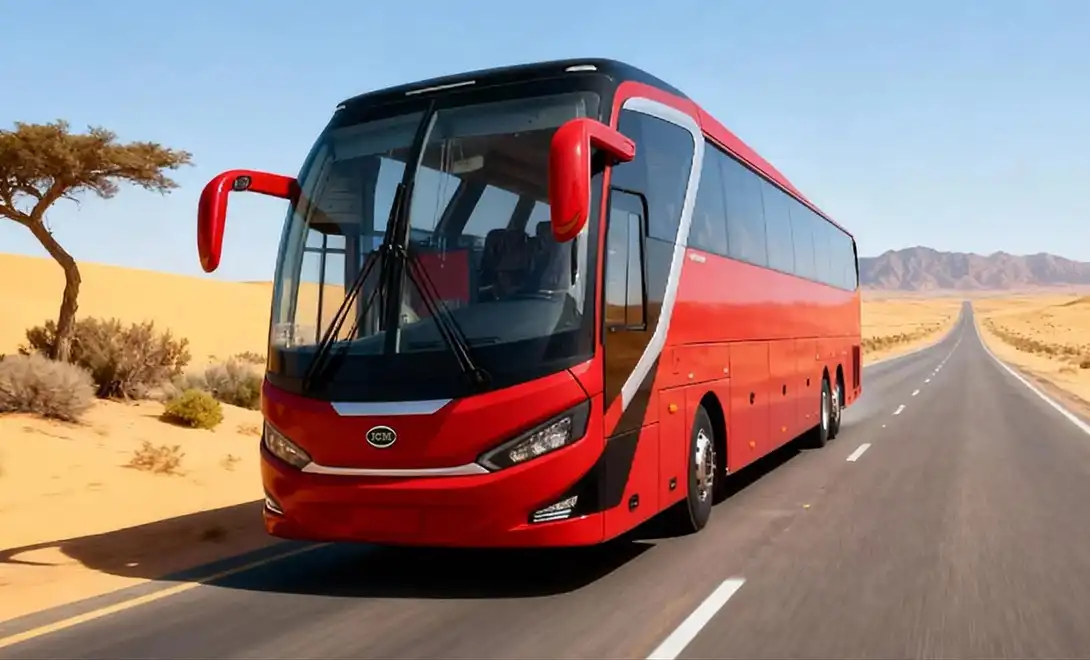
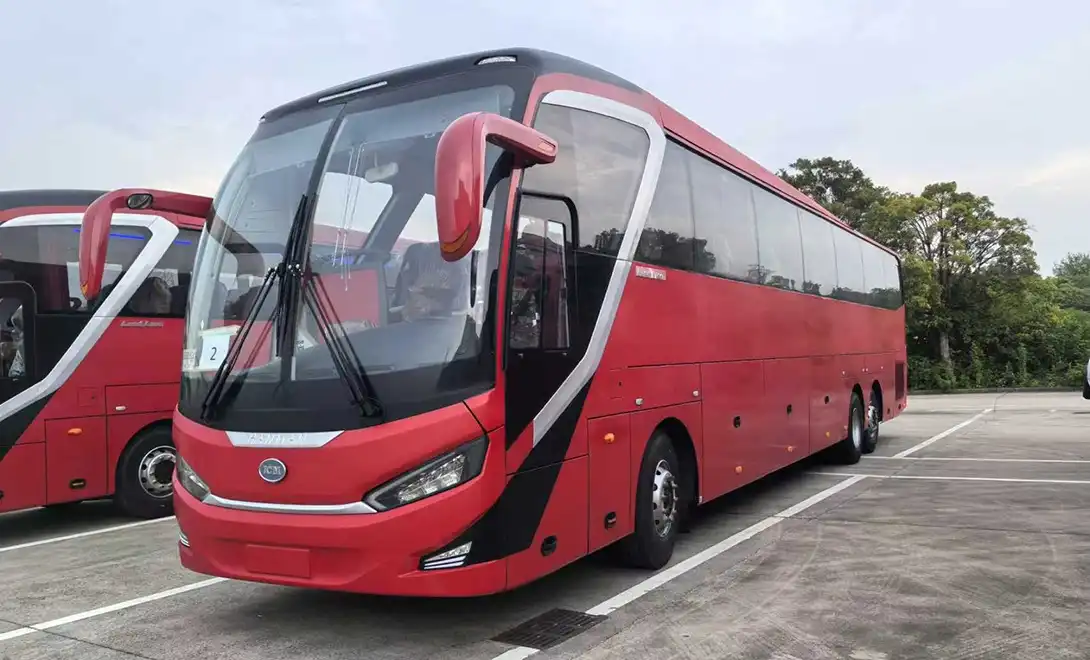
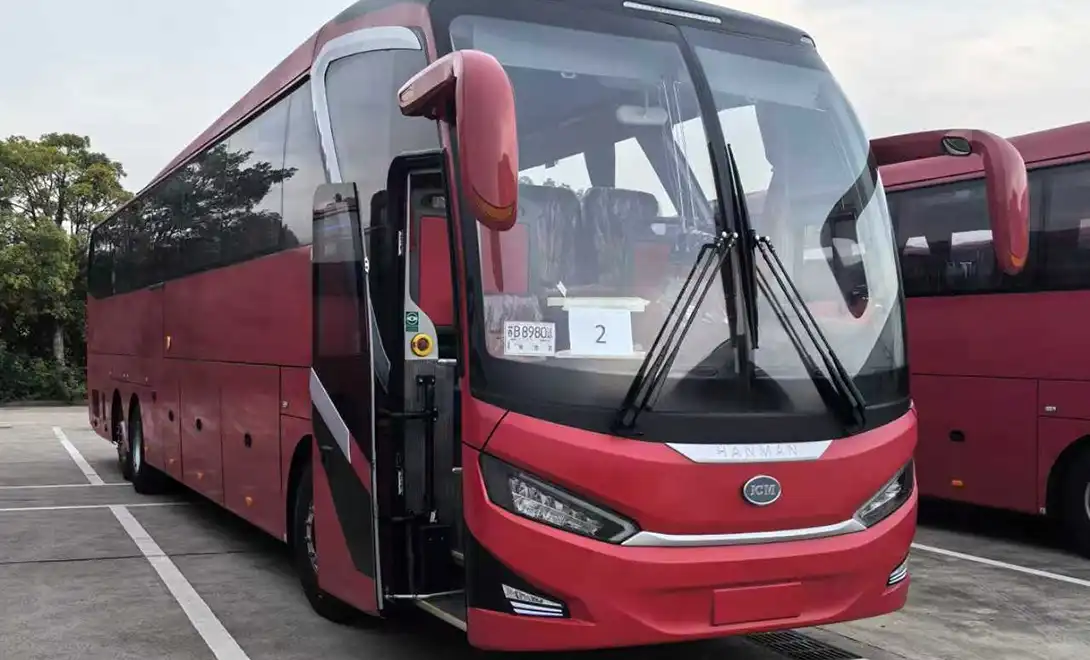
Modern 14m luxury coaches are carefully designed to meet international transportation rules while making the best use of the room inside. The normal layout has a length of 14 meters, a width of 2.55 meters, and a height that can be anywhere from 3.2 to 3.8 meters, based on the needs of the design. This three-dimensional framework lets you set up seats in a lot of different ways, from high-density layouts for tour operations to executive layouts with more space and better services.
The ability to change the number of passengers is especially useful for fleet owners who serve a wide range of customers. Standard configurations have enough space for 49 to 53 people, while luxury setups may lower the number of seats to 35 to 45 to meet the comfort standards of business class. Because they are flexible, fleet managers can make the most money across all service groups without having to keep separate types of vehicles.
Advanced Powertrain Technologies
Modern luxury coaches use cutting-edge engine options that meet both environmental standards and performance needs. Diesel engines that meet Euro VI standards are still the norm; they can make 350 to 450 horsepower and more than 2000 Nm of torque. These powertrains work very well on the highway while still getting 25 to 30 liters of gas per 100 kilometers under normal driving conditions.
Fleet managers who care about the environment are increasingly choosing electric and hybrid models. Battery-electric models can go up to 300 kilometers on a single charge and don't produce any pollution, so they can be used in both cities and rural areas. Combining traditional engines with electric help, hybrid systems use 15–25% less fuel than traditional powertrains while still being able to go long distances.
Interior Design and Passenger Amenities
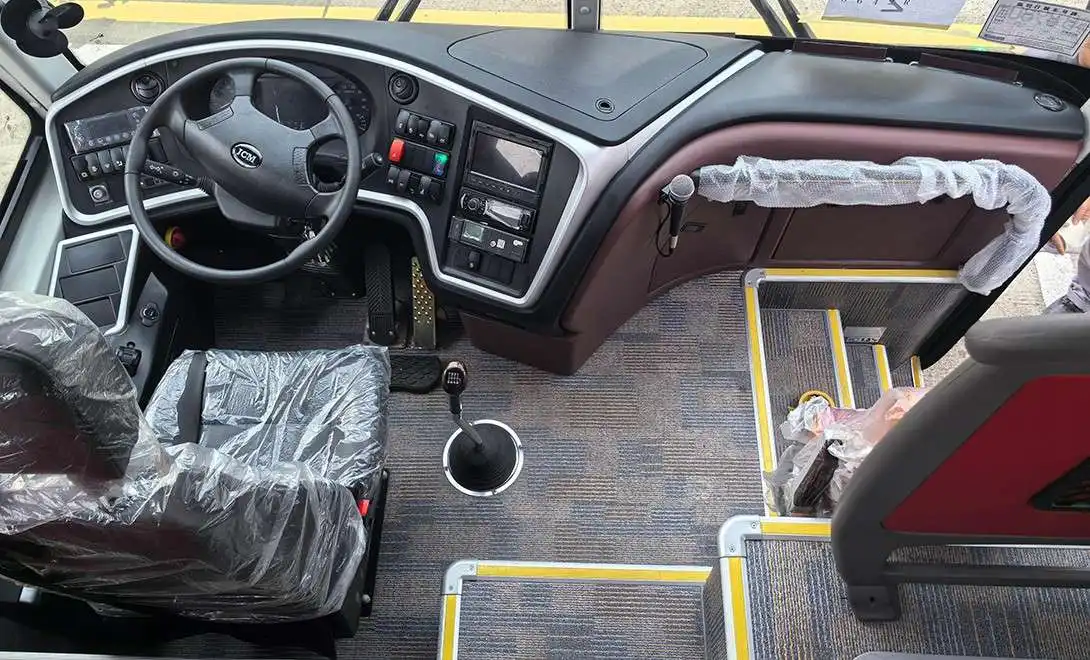
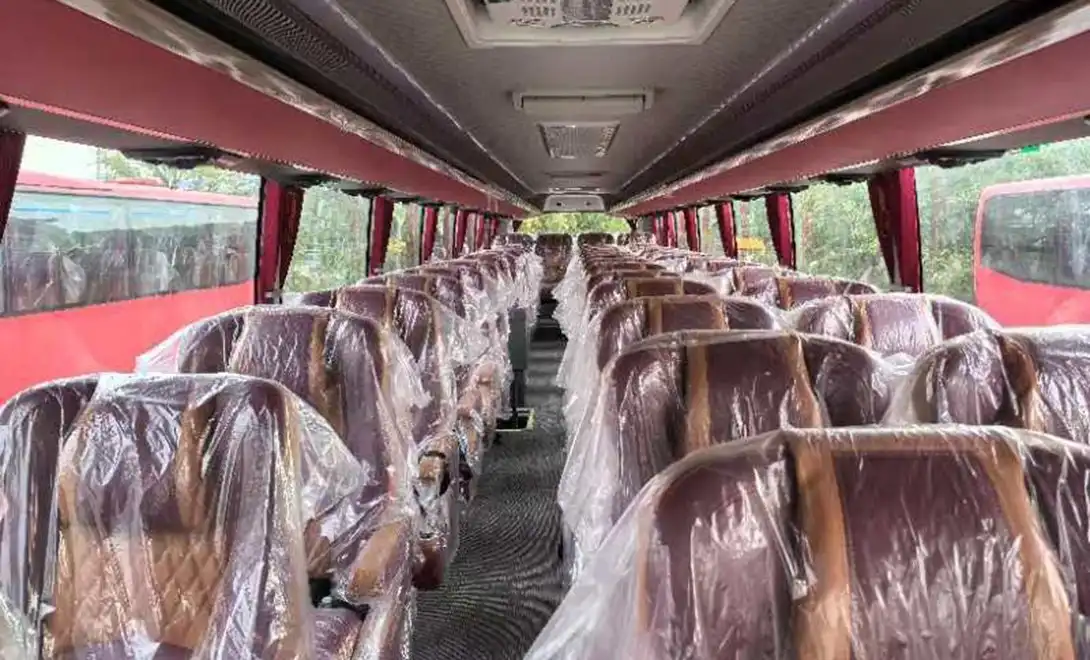
Inside 14m luxury coaches, the architecture shows advanced design principles that put comfort of passengers and operating flexibility first. Premium sitting systems are designed to be comfortable and work well with people of all sizes. They have movable headrests, built-in video systems, and individual climate controls. Modern materials like leather seating, carbon fiber details, and ambient lighting make it feel like you're in a high-end airplane cabin.
In addition to seats, there are full leisure systems with individual screens, Wi-Fi access, and high-quality sound systems on board. The climate control systems keep the passenger area at the right temperature, and the modern air filter systems make sure that the air quality is better on long trips.
How 14m Luxury Coaches Meet Fleet Buyers' Operational Needs?
Fleet managers are under more and more pressure to keep up service quality standards that set them apart in competitive markets while also making their operations as efficient as possible. These problems are solved in modern luxury coaches by using advanced engineering to lower running costs while also making the coaches more reliable and making passengers happier.
Fuel Efficiency and Environmental Performance
Fuel costs make up 25–35% of most operators' total running costs, so operational cost control is still very important for making fleets profitable. Modern engine control systems make sure that the right amount of fuel is delivered at the right time so that the engine runs as efficiently as possible in all kinds of circumstances. Real-world tests show that 14m luxury cars that are well taken care of use between 26 and 30 liters of fuel per 100 kilometers when traveling on both highways and city streets.
As emission standards tighten around the world, environmental efficiency is becoming a bigger factor in purchasing choices. Modern coaches have improved after-treatment systems, such as selective catalytic reduction and diesel particulate screens, that make them emit less pollution than Euro VI standards. Compared to older cars, these technologies cut nitrogen oxide emissions by over 95% and almost completely cut down on particulate matter emissions.
Maintenance Optimization and Reliability
Fleet managers who have to meet tight deadlines and please pick-up and drop-off times must do everything they can to minimize downtime. Modern luxury coaches have systems that keep an eye on how well parts are working and let workers know about possible problems before they happen. The purpose of these systems is to keep track of engine parameters, transmission performance, brake wear, and suspension state so that repair schedules are optimized and problems don't happen out of the blue.
Accessibility of parts is carefully thought out during the planning process to cut down on the amount of work that needs to be done on upkeep. Technicians can do regular maintenance quickly and find possible problems early on thanks to modular component designs, strategically placed service spots, and full diagnostic systems. Industry data shows that 14m luxury coaches that are well taken care of have usage rates of more than 95% when they are used with the right preventative maintenance plans.
Advanced Safety Technologies
How well an operator does with safety has a direct effect on their insurance prices, how well they follow the rules, and their image in competitive markets. Modern luxury coaches have a lot of active and passive safety systems that go above and beyond what the law requires and protect both drivers and guests. Electronic stability control, improved braking systems, and technologies that lessen the impact of collisions all work together to keep crashes from happening or make them less bad when they do.
Driver support systems, such as adaptive cruise control, lane departure alerts, and fatigue recognition, help professional drivers keep up their best performance while driving long distances. Along with traditional safety features like reinforced passenger cabins, emergency escape systems, and fire suppression equipment, these technologies make security systems that are more complete.
Comparing 14m Luxury Coaches – What Should Buyers Look For?
Before making a purchase choice, you need to carefully consider a number of factors that affect both the original cost of the purchase and its long-term usefulness. Knowing what makes one manufacturer's models and others different helps fleet managers choose cars that meet their needs and help them reach their financial goals.
Capacity and Operational Flexibility Comparison
The choice between 12m and 14m configurations rests a lot on the features of the trip and how many passengers are expected. Twelve-meter coaches are easier to move around in cities, but fourteen-meter coaches can carry more people and make more money on long-distance trips. Most of the time, the extra seats bring in 15-20% more money per trip while keeping running costs the same.
Fleet managers who serve seasonal markets or have a lot of different routes will benefit the most from being able to be flexible with their operations. Configurable seating systems make it easy to switch quickly between high-density tour layouts and high-class luxury layouts. Because they are flexible, owners can make the most money from different types of customers without having to keep separate teams of vehicles.
Total Cost of Ownership Analysis
Initial purchase prices are only one part of the total costs of owning over a normal 10 to 15-year operating lifecycle. To get a real picture of economic success, a full study must include things like fuel use, maintenance needs, insurance costs, and residual values. The original price difference between premium and regular makers is usually more than made up for by better reliability and lower maintenance costs.
Financing choices have a big impact on how you handle your cash flow and figure out your return on investment. Leasing may take less initial capital while still giving you access to the newest technologies. On the other hand, buying something outright may give you more long-term freedom and possible leftover value benefits. Fleet managers should look at a number of different situations to figure out the best ways to finance operations that meet specific needs.
Brand Reputation and After-Sales Support
The reputation of the manufacturer affects many facets of owning a car, from the availability of parts and technical help to the worth of the car at auction and the cost of insurance. Well-known names with large partner networks offer better support systems that keep operations running smoothly and reduce downtime. When an operator is running foreign lines or entering new markets, global service networks become very important.
The level of technical help and the length of the warranty have a direct effect on operational costs and dependability. Comprehensive guarantee programs that cover major parts for long periods of time protect your finances and show that the maker trusts the quality of the product. Technical support, such as emergency help 24 hours a day, seven days a week, and remote tests, makes sure that operating problems are fixed quickly.
Procurement and Logistics – Smooth Export and Purchase Process
International buying includes a lot of complicated legal, logistical, and financial issues that need to be carefully planned out and carried out with partners who have a lot of experience. Understanding these steps helps people who are buying fleets deal with problems that might come up and make sure they follow all the rules and laws that apply.
Identifying Qualified Manufacturers and Partners
To identify the right manufacturing partners, it is essential to evaluate their production capabilities, safety certifications, and export experience, particularly for specialized products such as the 14m luxury coach. Manufacturers that have been around for a while and have ISO 9001 and car industry certifications show that they are committed to quality management. Export experience shows that they know how to follow international shipping rules and regulations.
A manufacturing capability review should look at things like production capacity, the ability to make changes, and methods for getting parts. Reliable providers make sure they have enough production capacity to meet delivery deadlines and offer customization options to meet the needs of the market. Transparent methods for finding parts and checking their quality make sure that the quality of the product stays the same and that it follows all the rules.
Regulatory Compliance and Documentation
For export deals to go through, there needs to be a lot of paperwork that meets the rules for both the exporting country and the importing country. Certificates of origin, certificates of compliance with emission rules, safety certifications, and thorough technical specs are all important pieces of paperwork. Manufacturers with a lot of experience give buyers full paperwork packages and help them understand complicated legal requirements.
Verification of compliance is especially important for vehicles that operate in controlled areas, like business passenger travel. Different places have very different rules about safety approvals, emission compliance papers, and operator license requirements. Qualified providers give advice on what needs to be done and make sure that cars meet all the standards needed before they are delivered.
After-Sales Service Infrastructure
The infrastructure for post-delivery help has a big impact on the long-term success of operations and customer happiness. Comprehensive service networks make it easy to get parts, get expert help, and get upkeep done on vehicles so that they keep running well throughout their working lifetimes. Companies that have been around for a while spend in global service infrastructure that helps customers all over the world.
Warranty terms and the quality of expert help show that a maker cares about the success of its customers after the sale. Value propositions like extended warranty coverage, full parts support, and expert training programs make premium prices worth it while lowering practical risks for fleet owners.
JCM's Comprehensive Solutions for Luxury Coach Manufacturing
JCM is a leader in making and customizing luxury coaches, and they offer a wide range of services to meet the changing needs of foreign fleet owners. Our unified method combines advanced technical skills with adaptable production methods so we can make cars that go above and beyond what customers expect while still meeting strict international quality standards.
Engineering Excellence and Customization Capabilities
Our engineering teams use decades of experience making business vehicles to make luxury trains that are both comfortable for passengers and efficient for running. Customer feedback and market research are used in advanced design processes to make sure that cars meet specific working needs while still meeting high standards for build quality and dependability.
All of a vehicle's systems can be customized, from the engine choices and outward styling to the seating arrangements and interior finishes. Our open approach to manufacturing lets you make changes that save you money without affecting delivery times or quality standards. This feature is especially useful for fleet owners who want to offer something new in markets that are already very competitive.
Global Service Network and Support Infrastructure
JCM has R&D centers, production centers, and service networks all over the world, all of which are placed in key areas to help customers. Our complete support system makes sure that parts are available, technical help is available, and warranty service is available for the entire operating lifecycle of a car. By taking a global strategy, this company reduces business risks for customers while increasing car uptime and performance.
Technical support services include full training programs for workers and repair staff, which make sure that vehicles work well and last a long time. Our experienced expert teams help customers improve business efficiency while keeping safety and reliability standards high by giving them ongoing advice and support.
Conclusion
The 14m luxury coach market is always changing because technologies are getting better and customers' needs are shifting. Fleet managers who want the most passengers, the most efficient operations, and the most comfort find that these vehicles meet all of their transportation needs perfectly. Long-term practical success is heavily influenced by key specs such as powertrain performance, interior layouts, safety systems, and repair needs. Careful consideration of the manufacturer's skills, service support, and total ownership costs helps make sure that buying choices are in line with operational strategies and produce better passenger experiences that set services apart in competitive markets.
FAQ
What is the typical passenger capacity for 14m luxury coaches?
Standard 14m luxury coaches can fit anywhere from 45 to 55 people, based on how the seats are set up and how comfortable they are. With 53 to 55 seats, high-density traveling plans have the most space, while premium layouts with more legroom and other amenities can fit 35 to 45 people. The exact number relies on the distance between seats, the width of the aisle, and the needs of the facilities on board.
How do electric and diesel 14m luxury coaches compare in terms of cost efficiency?
Diesel coaches are good for long-distance operations because they usually have lower starting costs and can go as far as they want. Electric versions save a lot of money on running costs because they use less fuel and require less upkeep. The total cost of ownership benefits show up after 5 to 7 years for daily routes under 250 kilometers. The best choice relies on the features of the journey, the availability of charging stations, and environmental rules.
What safety certifications are required for the international export of luxury coaches?
Exports to other countries must meet the safety standards of the target country, which are different for each country. ECE R66 rollover safety, ECE R80 seat strength, and pollution ratings like Euro VI or EPA standards are some of the most common requirements. Depending on the intended use and government rules, other certifications may include approvals for fire safety systems, emergency evacuation tools, and driving aid systems.
Partner with JCM for Your 14m Luxury Coach Requirements
JCM makes luxury coach options that are the best in the world and are specifically designed to meet the needs of foreign fleet owners. Our wide range of manufacturing choices, advanced customization options, and global service network will make sure that your 14m luxury coach purchase gives you great performance and happy passengers. Get in touch with our knowledgeable staff at info@jcm-star.com to talk about your unique needs and find out how our new way of making luxury coaches can improve the way your fleet works. As a reliable 14m luxury coach provider, we offer full support from the first design meeting to the vehicle's lifetime maintenance.
References
1. International Association of Public Transport. "Global Bus and Coach Manufacturing Trends and Specifications Standards." Public Transport Research Institute, 2023.
2. European Committee for Standardization. "Commercial Vehicle Safety Requirements and Testing Procedures for International Export Markets." CEN Technical Committee 301, 2022.
3. American Bus Association. "Fleet Management Best Practices for Luxury Coach Operations in North American Markets." ABA Operations Research Division, 2023.
4. World Forum for Harmonization of Vehicle Regulations. "Global Technical Regulations for Commercial Passenger Vehicles and Export Compliance." UNECE Working Party 29, 2022.
5. International Coach and Bus Week. "Luxury Coach Market Analysis: Technology Trends and Buyer Preferences in Global Markets." Industry Analytics Report, 2023.
6. Society of Automotive Engineers. "Advanced Powertrain Technologies for Heavy-Duty Commercial Vehicles: Performance and Efficiency Analysis." SAE International Technical Paper Series, 2022.

Based on your vehicle requirements, we will quickly match the most suitable specifications and provide a competitive quote.
_1755581003287.webp)
Global Customized


_1756108840480.webp)
_1755854765757.webp)