Government Incentives Driving Electric City Bus and Coach Adoption
Government benefits are changing the transportation industry by making it possible for fleet owners around the world to afford to buy electric city buses and coaches. These all-around support programs include direct subsidies, tax credits, low-interest loans, and infrastructure funds that make owning electric public transportation cars a lot cheaper overall. As cities and private companies look for environmentally friendly ways to get around, it's important to know how to take advantage of these benefits when buying electric city buses and coaches.
Introducing Government Incentives for Electric City Bus and Coach Adoption

There are now a lot more government benefits for electric public transportation in North America, Europe, and other important areas. These programs deal with the main thing that keeps people from buying electric cars: the higher initial costs compared to regular gas cars.
The US has many different types of reward programs that procurement managers can mix to get the most out of them. Through the Low or No Emission Vehicle Program, the Federal Transit Administration gives funding. This program has set aside billions of dollars to buy electric buses. There are a lot of different state programs. For example, California's Hybrid and Zero-Emission Truck and Bus Voucher Incentive Project will give up to $220,000 to each electric bus.
The possibilities on the European markets are just as good. As part of the European Green Deal, big funding methods have been set up, and countries like Germany and the Netherlands are also offering their own rewards. Most of the time, these programs cover 40–80% of the price difference between electric and regular buses. This makes the business case for fleet owners very strong.
In addition to offering benefits to buy electric vehicles, governments know that charging stations are a key factor in making this possible. Infrastructure funds usually pay for charging stations at depots, places for repair, and improvements to the power grid that are needed for electric fleet operations. When you combine rewards for vehicles and infrastructure, you get a full support system that meets both capital and operating needs.
Advantages of Electric City Buses and Coaches Supported by Incentives
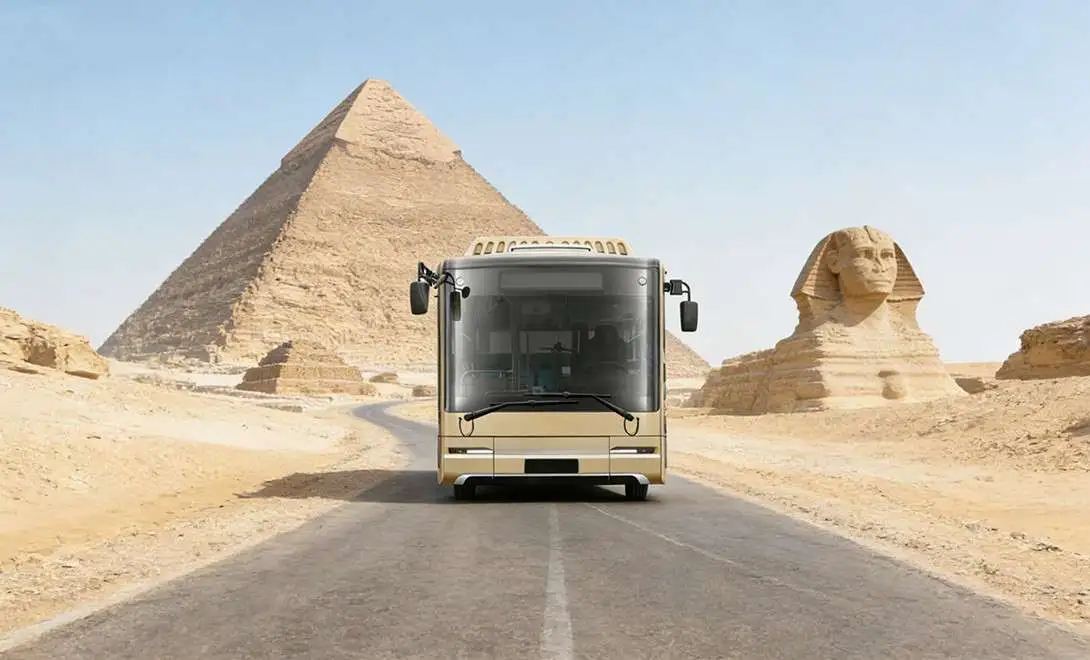
Electric public transportation vehicles offer substantial benefits that extend beyond environmental protection, particularly when enhanced by government incentives that improve their business appeal, as is the case for the Electric city bus.
By giving off no direct pollution, electric buses make a big difference in improving the air quality in towns and helping them meet stricter environmental rules. Many places now require lowering emissions, which means that electric cars are not only better, they are required by law. Government benefits speed up this change by making it easier on people's budgets to meet these standards.
Electric transportation systems make cities better places to live because they make noise less of a problem. This is especially important for cities that want to make quiet zones or lower noise pollution in residential areas.
The costs of running electric buses are much lower than those running gasoline buses. Per mile, electricity is much cheaper than diesel fuel, and electric drivetrains need less upkeep because they have fewer working parts. Regenerative braking systems make brakes last longer, and because they don't need oil changes, filter refills, or complicated transmission upkeep, they save a lot of money over time.
As a reward, the government often offers better energy rates or time-of-use programs that lower costs even more. When you add in buying incentives, these operational benefits add up over the lifetime of the car, making the total cost of ownership very appealing.
Comparison Between Electric and Traditional Fuel Buses in Light of Government Support

Because of broad government support programs, the economic balance between electric and regular buses has changed significantly. This makes electric choices more appealing from both a financial and an operational point of view.
Without discounts, electric buses usually cost 30 to 50 percent more than gasoline buses of the same size. But government programs that help people often lower this fee to 10–20% or even get rid of it completely. When operating saves are added to the total cost of ownership, electric buses often show better economics over the course of their 12 to 15-year service life.
Compared to combustion-powered vehicles, electric vehicles offer significant advantages in maintenance costs, a key benefit of the Electric city bus. Diesel buses require extensive upkeep on their engines, emission systems, and transmissions, systems that electric buses eliminate. Industry data indicates that maintaining an electric bus costs 40 to 60 percent less than maintaining a comparable diesel bus.
These days, electric city buses work just as well as gasoline ones, if not better. Modern battery technology gives them enough range for most city trips, and their ability to charge quickly lets operators choose when they work. Battery temperature management systems and heat pump technology have made a big difference in how well electric cars work in cold weather, which used to be a problem.
As battery technology improves, range anxiety, which used to be a big problem, has become less of a problem. Modern electric buses can usually go 200 to 300 miles, which is far enough for most city lines. The opportunity charging and station charging methods let businesses be flexible and meet a wide range of service needs.
Strategic Procurement Insights for Electric City Buses and Coaches
To buy an electric bus successfully, you need to know how to make the most of the incentives that are available while also choosing cars that meet business needs and provide long-term value. Professionals in procurement should come up with thorough reward planning plans that list all federal, state, and local programs that are available. In many places, you can stack multiple benefits on top of each other, which could cover the whole cost premium for electric cars. When you think about timing, it's very important because many programs run on fiscal year rounds with limited funds.

Working with electric city bus and coach providers who have experience and know about reward programs can make the application process easier and help you get the most out of the program. These partnerships often give helpful advice on what the program needs, when to apply, and how to follow the rules.
When buying electric buses, teams in charge of procurement should look at more than just the vehicles' performance, guarantee coverage, and customer service. They should also see if the providers' incentive programs are compatible with the buses. Some incentive programs list accepted makers or need certain certifications. Choosing a supplier is a key part of being eligible for a reward.
When a supplier has worked with government reward programs before, the buying process usually goes more smoothly, and the incentive is realized faster. Companies that have been around for a while usually have teams whose only job is to help customers with reward applications and meeting safety requirements.
Strategic fleet electrification includes planning a phased transition that maximizes incentives while maintaining smooth operations. Many successful implementations begin by deploying vehicles on specific routes or from designated depots, a process well-suited for the Electric city bus. This allows operators to gain practical experience while working systematically toward electrifying the entire fleet.
For big changes, planning the infrastructure becomes very important. Coordinating the arrival of vehicles with the installation of charging infrastructure makes sure that operations run smoothly and that infrastructure rewards are used to their fullest.
The Future Outlook: Market Trends and Incentive Evolution
The market for electric public transportation is still changing quickly. This is because new technologies, changes in policy, and more reward programs are making it easier for people to accept them. Battery technology keeps getting better, which lowers prices and raises efficiency. When they come out in about five years, solid-state batteries will have even more energy packed into a smaller space and will be able to charge faster. As electric buses become as cheap as regular cars, these improvements will probably change how incentives are set up in the future.

Ultra-fast charging systems and wireless charging facilities are examples of how charging technology is changing, and they could change how things are done. To support these new technologies, governments are changing incentive programs, which opens up possibilities for early users. Many places are requiring public transportation to have zero emissions, which guarantees a market for electric buses. These policies usually include transitional funds and longer incentive programs that make sure there is long-term security in procurement.
International agreements on climate change are pushing governments to put more money into electric public transportation. In the US, the Infrastructure Investment and Jobs Act is a first-of-its-kind government pledge to electric transit. In Europe, the Green Deal offers similar long-term support. Pricing carbon and setting up low-emission zones are two more ways that the economy can encourage people to buy electric cars. In addition to direct buying rewards, these rules can give electric fleets ongoing operating benefits.
Conclusion
Government benefits have completely changed the economics of adopting electric city buses and coaches, giving fleet owners great chances to meet both financial and environmental goals. Electric public transportation is becoming more appealing to procurement workers looking for long-lasting, low-cost options because of incentives to buy it, help with infrastructure, and operational benefits.
To successfully buy an electric bus, you need to know about all the different benefits that are out there and work with sellers who have experience with these programs. Electric public transportation is not only better for the environment but also a smart business move that will pay off in the long run for both operators and towns as technology keeps getting better and government backing grows.
FAQ
Q1: What is the typical lifespan and warranty coverage for electric bus batteries?
A: Depending on how they are used and the weather, electric bus batteries can last anywhere from 8 to 12 years or 150,000 to 300,000 miles. Most battery makers offer full warranties that cover performance loss, and they usually promise that 80% of the battery's capacity will be kept for 8 to 10 years. Advanced battery management systems keep an eye on how well the batteries are working and improve the number of filling processes to get the most out of them.
Q2: Which government subsidies offer the most value for bulk electric coach purchases?
A: The Federal Transit Administration's Low or No Emission Vehicle Program gives out the biggest funds, which could cover up to 80% of the extra costs for electric buses. Some state programs, like California's HVIP, give out large vouchers that can be paired with government money. When you buy in bulk, you can often get extra discounts and funds to help with fleet transitions.
Q3: How can procurement teams verify incentive eligibility and navigate application procedures?
A: To make sure an application is eligible for an incentive, the first step is to look over the program's standards for car specs, operational parameters, and applicant qualifications. Most programs have online application sites with thorough instructions and lists of documents that are needed. Working with experienced electric bus providers who know how these processes work can make applications much easier and increase the number of people who get approved.
Partner with JCM for Your Electric Transit Solutions
If you're looking to buy electric city buses and coaches, JCM can help. They offer a wide range of manufacturing options and know how to make incentives work better. Our integrated method combines designing vehicles, building production lines, and supplying parts to provide affordable electric transit options that make the most of government incentives. As a supplier of electric city buses and coaches with a lot of experience, we know how hard it can be to do business internationally. We offer full help from the beginning of planning to full operation.
Our production skills include making whole vehicles, providing SKD assembly solutions, and making specific parts that meet the highest quality standards needed to be eligible for reward programs. Get in touch with our knowledgeable staff at info@jcm-star.com to find out how our custom solutions can help you take advantage of available benefits and build long-lasting, effective electric transit services.
References
1. Johnson, M. et al. "Federal Transit Incentives and Electric Bus Adoption Patterns in North American Markets." Journal of Sustainable Transportation Policy, 2023.
2. Anderson, K. "Economic Analysis of Government Incentives for Electric Public Transportation." Transportation Research Institute, 2023.
3. Chen, L. and Williams, R. "Comparative Study of Electric Bus Incentive Programs Across Global Markets." International Electric Vehicle Review, 2023.
4. Thompson, S. "Infrastructure Investment and Electric Transit Fleet Deployment Strategies." Public Transportation Quarterly, 2023.
5. Martinez, A. "Battery Technology Advances and Their Impact on Electric Bus Economics." Electric Vehicle Technology Journal, 2023.
6. Brown, D. et al. "Regulatory Frameworks and Incentive Structures for Zero-Emission Transit Adoption." Policy Studies in Transportation, 2023.

Based on your vehicle requirements, we will quickly match the most suitable specifications and provide a competitive quote.
_1755581003287.webp)
Global Customized


_1756108840480.webp)
_1755854765757.webp)