Electric vs Diesel City Buses and Coaches: Which Is Better for Your City
Diesel city buses and coaches are not as good as electric city bus and coaches. Electric cars are definitely better for most urban areas. Electric buses run more quietly, don't pollute the air, and cost less to run, all of which make towns much better places to live. Diesel buses are less expensive to buy and don't need as much space to refill. In the long run, though, electric city bus and coach systems are better because they need less upkeep, use less energy, and follow tighter rules about the environment. Because of this, towns that want to be ahead of the game should choose them.
Introduction

Fast changes are being made to city transit systems all over the world as places search for better, cleaner ways to get around. City governments are under more and more pressure to cut down on carbon pollution while keeping public transportation going freely. Electric city bus and coach technologies are now putting standard diesel-powered fleets to the test. For decades, diesel-powered fleets have been the mainstay of urban transit.
Business-to-business buyers can use this in-depth study to help them decide between electric and diesel buses. It does this by looking at technology, performance measures, cost structures, infrastructure needs, and market factors. Bus companies, fleet managers, and people in charge of purchases can make decisions that are good for the environment, realistic, and within their budgets if they know these key points.
Introducing the Core Differences Between Electric and Diesel City Buses
Technology Foundations and Operational Principles

Batteries, electric motors, and regenerative stopping technologies that electric buses use are very modern and not at all like those used by diesel buses. Modern electric buses have electric motors that move the bus smoothly and lithium-ion battery packs that can hold 200 to 500 kWh of power. The charging infrastructure needs to be carefully planned so that these systems can work. This changes how routes are planned and how energy is handled.
There are complex pollution control systems in diesel buses, like selective catalytic reduction (SCR) and diesel particulate filters (DPF), that work with the engines that burn fuel. Some of these tools help clean up pollution, but they can't fix the damage that burning fossil fuels does to the earth. Pollution control systems are more difficult to understand, which means they cost more to run and need more maintenance over the life of a car.
Environmental Impact and Emission Standards
Since they run on clean energy, electric buses don't give off any direct pollution. This makes a big difference in cleaning up the air in towns and cutting down on greenhouse gas pollution. Studies show that electric buses are 30–70% less likely to pollute the air than gas buses. However, this relies on how the energy is made in the area. As more green energy sources are added to power lines, this effect gets bigger.
Diesel cars have to follow tighter rules for pollution. For instance, Euro VI and EPA rules say that devices that clean up diesel pollution must cost a lot of money. Diesel engines still dirty the air with carbon dioxide, nitrogen fumes, and small particles, even with these changes. These emissions lead to climate change. Diesel cars are often not allowed to enter low-emission zones that towns have set up. This means that electric cars are needed for free travel in cities.
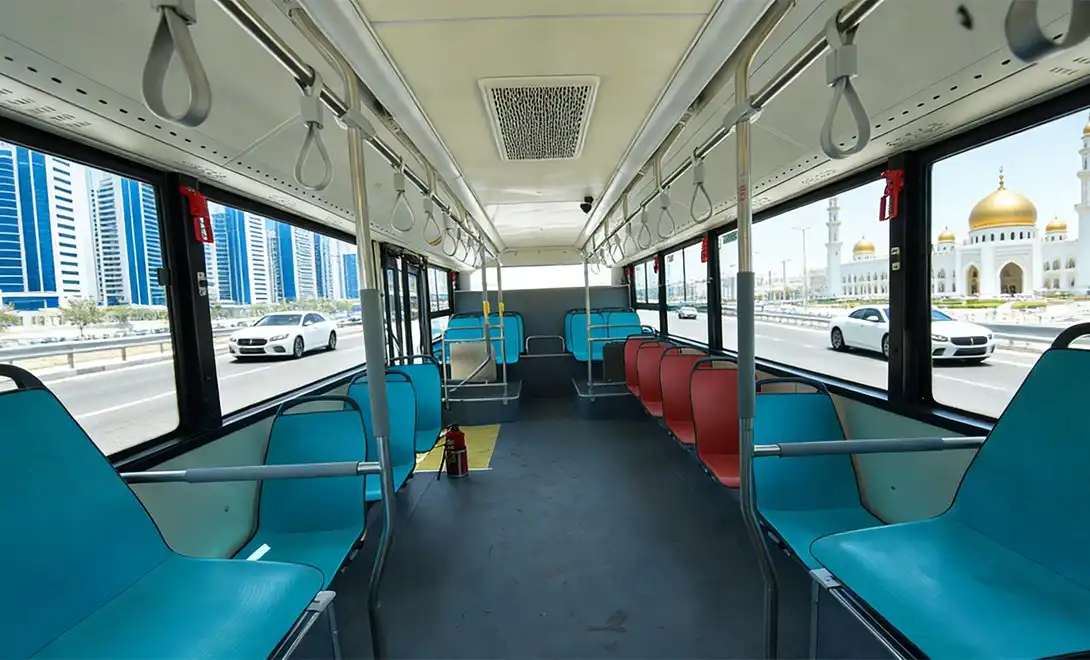
Performance and Cost Comparison: Electric vs Diesel City Buses and Coaches
Operational Range and Performance Metrics
Electric buses can typically travel 150 to 250 miles on a single charge, a range applicable to the Electric city bus and coach. However, this varies depending on the battery capacity, the specific route, and the auxiliary power needed for heating and cooling. To maximize battery performance, advanced battery management systems optimize energy distribution and monitor cell health. In cold climates, range can decrease by 20–40%, making careful trip planning essential in northern regions.
Diesel buses can usually go more than 400 miles without having to stop for gas. Because of this, bus services between cities and roads with few charging spots are very helpful. But electric buses can go faster, run more quietly, and get energy back when they slow down with regenerative brakes.
Total Cost of Ownership Analysis
Most of the time, electric buses cost between $150,000 and $200,000 more up front than fuel buses of the same size. Cost of ownership figures, on the other hand, show that there will be big saves in the long run because of lower fuel costs, less maintenance, and help from the government. Diesel is pricey, and electric cars don't use it. Electricity costs are generally 60–80% less than gas fuel costs.

Diesel buses usually cost 40% to 60% more to maintain than electric buses. This is because electric buses have fewer moving parts, don't need oil changes, and have brakes that wear out less quickly because they use regenerative braking. Diesel engines need to have their oils, filters, and pollution control systems cleaned regularly. Electric motors, on the other hand, don't need nearly as much care. Federal and state grants and loans can cover 30 to 80% of the cost of getting an electric bus. This makes it much easier to figure out the return on investment.
Decision-Making Framework for Procuring Electric or Diesel City Buses
Infrastructure and Operational Readiness Assessment
We need to take a close look at the facilities so that the electric bus scheme can work. Adding charging outlets, checking the power grid, and making changes to the repair center are all part of this. Each bus needs to be able to charge at 50 to 150 kW for station charging systems to work. This means that a lot of places will have to make big changes to their electricity. Cities and towns must work together with local utilities and planning departments for opportunity fees to work on roads.
Taxis need to be trained on high-voltage systems and special tools for fixing problems, so cities can see if their workers are ready to take care of electric cars. Electric bus maintenance is different from diesel bus maintenance in terms of the skills that are needed. However, many of the basic skills that are useful for fixing cars are still useful. Even diesel techs with a lot of experience need two to four weeks of training to learn how to work with electric bus systems.
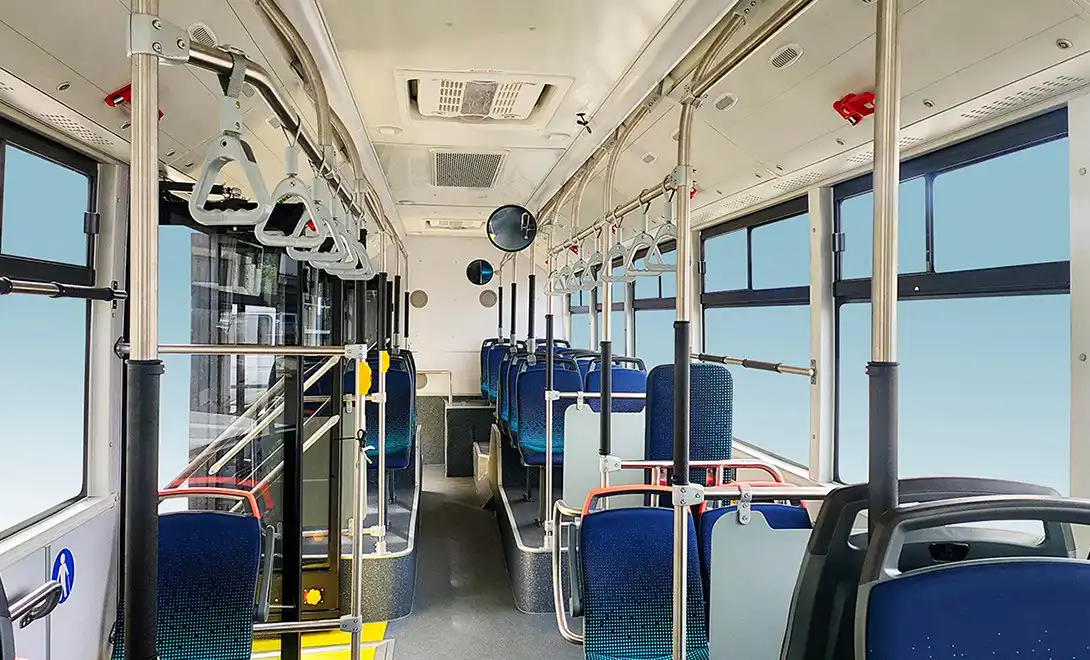
Financial Planning and Incentive Optimization
Government financial incentives significantly increase the adoption of electric buses. For instance, the Federal Transit Administration's Low or No Emission Vehicle Program provides substantial funding. At the state level, incentives vary, with programs like California's Hybrid and Zero-Emission Truck and Bus Voucher Incentive Project offering up to $120,000 for each eligible vehicle, including the Electric city bus and coach. These programs often require matching funds and adherence to specific operational guidelines.
Buying an electric bus, leasing one, or signing a battery-as-a-service deal that keeps battery ownership separate from car ownership are all ways to pay for one. Leasing batteries reduces the original cost, but professionals take on the risk of the batteries breaking down. Transit organizations should make decisions about their money based on how much they can afford to risk, how much they are willing to pay, and their long-term goals for fleet planning.
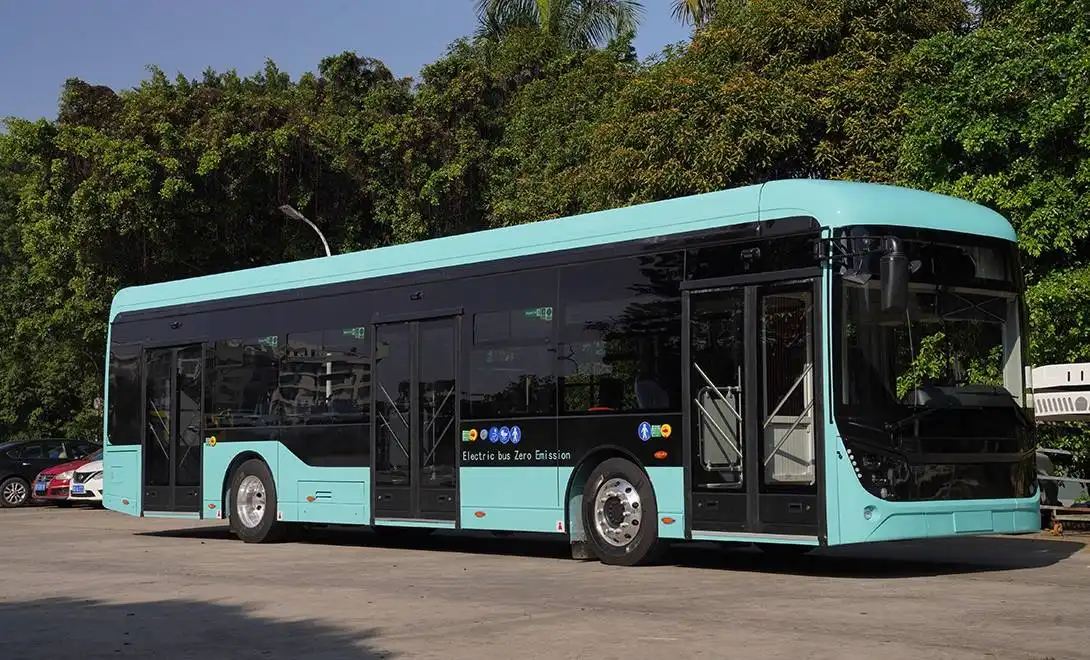
Market Overview: Leading Electric and Diesel City Bus Models and Suppliers
Electric Bus Technology Leaders and Innovation Trends
When it comes to electric buses, there are both well-known companies that make them and new tech companies that are working on better charging and battery systems. Electric bus companies like BYD, Proterra, New Flyer, and Gillig are well known. Each one has its own battery types, charging choices, and maximum number of passengers. Making batteries better costs a lot of money for these companies. As an example, the brand-new lithium iron phosphate batteries are better for you and last longer.
As new technologies come out, they focus on fast charging. During breaks along the way, some systems can charge the battery 80% in 10 to 15 minutes. It looks like wireless charging could be a good way to keep working without having to take long breaks to charge. These days, fleet management tools let you know ahead of time when your batteries need to be fixed, how much energy you're using, and how healthy your batteries are.
Diesel Bus Market Dynamics and Service Networks
For diesel bus companies to stay ahead in the market, they need to have reliable service networks and prices that are fair. There are a lot of transit organizations that really like that Gillig, New Flyer, and NOVA Bus offer a lot of parts and professional help. They are still working on making better gasoline engines. They are also making hybrid and electric cars.

When selecting a provider for an Electric city bus and coach, it is crucial to consider their ability to manage local service, provide adequate parts coverage, and deliver professional technical support promptly. Many transit agencies prefer to work with suppliers that have nearby service centers and strong relationships with local repair shops. Certification requirements, such as the FTA Buy America provisions, can significantly determine a supplier's eligibility for federally funded projects.
Future Trends and Strategic Implications for City Bus Fleets
Technology Evolution and Market Trajectory
As battery energy efficiency, charge speed, and cost all get better, electric bus technology goes quickly forward. Solid-state batteries are said to be safer and hold more power, which could make them last longer and charge more quickly. Electric powertrains are being used in more and more self-driving features. This could improve routes and energy management, which could make processes run more smoothly.
Market predictions say that the price of electric buses will keep going down as more of them are made and battery technology gets better. Experts in the field believe that by 2030, electric buses will be priced the same as gas buses. This will make them more popular all over the world. According to this plan, the first people to use electric buses get an advantage over other people because they get to run them and help build the infrastructure.

Regulatory Environment and Compliance Requirements
Around the world, rules about emissions are getting tighter, and in many places, zero-emission transportation is required. By 2029, California wants all new buses to have no pollution. In Europe, places are making it harder for diesel cars to get around. Since the rules have changed, using electric buses is now needed for long-term compliance, not just for environmental reasons.
Planners for transit agencies have to update their fleets by the due dates set by the government while keeping budgets and real needs in mind. If you want the switch to electric operations to go easily, you should plan ahead and think about when to build the infrastructure, how to train workers, and when the technology will be fully developed.
Conclusion
Electric vehicles represent the future of urban mobility, offering superior environmental benefits, lower operating costs, and alignment with governmental zero-emission goals for public transit. A study examining the total cost of ownership increasingly favors electric options, even considering the higher upfront cost and range limitations compared to combustion engine buses, a trend that holds true for the Electric city bus and coach.
Cities that want to replace their bus lines should put getting electric buses at the top of their list. They will learn how to use new tools well and reach their environmental goals at the same time. In the end, the decision will depend on the needs of the journey, the infrastructure that is available, and the money that is available. However, electric buses are clearly better for most urban transportation needs.
FAQ
Q1: How long does it take to charge electric city buses?
A: To charge an electric bus, you need to know a lot about the charger and the battery size. Overnight charging at a station with 50–150 kW chargers takes 4–8 hours to fully charge the batteries. There are ways to charge quickly that can get your battery to 80% in 15 to 30 minutes, so you can charge while you're traveling. The technology for ultra-fast charging keeps getting better. In less than 10 minutes, some methods can charge part of the way.
Q2: What maintenance advantages do electric buses offer over diesel?
A: Gasoline buses need more maintenance than electric buses because their drivetrains are more complicated and have more working parts. You don't have to change the oil, fix the drive, or do a lot of difficult maintenance on an electric motor. When brakes use regenerative braking, the pads last a lot longer. Battery systems don't need much care, just being watched and getting new cells every so often.
Q3: What financial incentives support electric bus purchases?
A: Government of the United States gives a lot of money to electric bus projects through grant programs run by the Federal Transit Administration. This is because the benefits are very different between states. Some of them, for instance, give away coupons worth up to $120,000 per car. Utility companies will often give you extra money back for putting charging stations. These advantages can cover 40 to 80% of the extra costs of getting an electric bus compared to buses that run on gasoline.
Transform Your Fleet with JCM's Advanced Electric City Bus Solutions
JCM is a company that makes electric city buses and vans that can be used for many types of city public transportation. We are your best bet for making transportation more environmentally friendly because we have a history of making electric cars work and can adapt our production lines to meet your needs. Because we work with the whole industry chain, we can provide everything from beginning design help to full manufacturing systems that let products be made in the United States. Contact us at info@jcm-star.com to learn more about how our electric city bus and coach supply services can help you run your fleet more efficiently while also staying within your budget and caring for the environment.
References
1. International Association of Public Transport. "Electric Bus Systems: Technology Assessment and Implementation Guidelines." Brussels: UITP Publications, 2023.
2. American Public Transportation Association. "Electric Drive Bus Technology Performance and Cost Analysis." Washington D.C.: APTA Research Report, 2024.
3. National Renewable Energy Laboratory. "Total Cost of Ownership Analysis for Electric Transit Buses." Golden, Colorado: NREL Technical Report, 2023.
4. Federal Transit Administration. "Zero Emission Transit Bus Technology Analysis." Washington D.C.: FTA Office of Research, 2024.
5. International Council on Clean Transportation. "Global Overview of Zero-Emission Medium and Heavy-Duty Vehicle Policy." Berlin: ICCT Policy Brief, 2023.
6. Transportation Research Board. "Electric Bus Deployment and Grid Integration Strategies." Washington D.C.: TRB Research Synthesis, 2024.

Based on your vehicle requirements, we will quickly match the most suitable specifications and provide a competitive quote.
_1755581003287.webp)
Global Customized


_1756108840480.webp)
_1755854765757.webp)