What Fleet Buyers Should Know Before Buying Electric City Buses and Coaches
When fleet buyers think about making the switch to environmentally friendly public transportation, they have to make a lot of choices about buying electric city buses and coaches. These high-tech cars are a big investment that needs to be carefully thought through in terms of their technological powers, operational needs, and long-term financial effects. Compared to diesel buses and coaches, electric buses and coaches have a lot of great benefits, such as no local emissions, less noise pollution, and lower running costs. But for rollout to go well, you need to know a lot about charging facilities, battery performance, and working with suppliers. Modern electric transit solutions include advanced battery management systems, regenerative stopping technology, and smart fleet management tools that make operations more efficient and help reach goals for environmental sustainability.
Comprehending Electric City Buses and Coaches: Key Features and Benefits

Modern power systems in electric buses and coaches have changed the way public transportation works by getting rid of direct pollution and making passengers more comfortable. High-capacity lithium-ion battery packs, which usually range from 200kWh to 600kWh, power these cars. They are paired with electric motors that provide quick speed and smooth acceleration.
Defining Electric Transit Solutions
The batteries in electric city buses are set up in a way that makes them work best in stop-and-go traffic, so they are designed for lines in cities with lots of stops. Depending on the battery size and the road conditions, these cars can usually go 150 to 300 miles on a single charge. Electric coaches made for traveling between cities have longer ranges of 250 to 400 miles thanks to bigger battery packs and better aerodynamics.
The main difference is in how they work and the comforts they offer passengers. Accessibility features, fast customer boarding, and energy recovery through regenerative brakes are top priorities for city buses. Comfort is a big deal on coaches, which have climate-controlled cabins, entertainment systems, and places to store bags.
Core Performance Advantages
Electric power systems have measured benefits that have a direct effect on how fleets work and on the health of the community. Some of these benefits are that they run almost silently, which cuts down on noise pollution in cities by up to 75% compared to diesel buses, they give power quickly, which makes acceleration smooth, and they don't produce any emissions at the tailpipe, which cleans the air in areas with lots of people.
Cutting down on operational costs is another great benefit. Electric buses usually use 60–70% less energy than diesel buses, and their upkeep costs are about 40% lower because they have fewer moving parts and brakes that wear out less quickly. Federal tax credits and local funds often cover 25–50% of the initial buy costs, which are even more financial incentives from the government.

Charging Infrastructure and Battery Technologies
Modern electric buses can be charged in a number of different ways to meet different operating needs. While depot charging uses charging sessions that last all night with Level 2 or DC fast chargers, opportunity charging uses high-power charging points to quickly restore power during route breaks.
Choosing the right battery formula has a big effect on how well the car runs and how much it costs over its lifetime. Nickel manganese cobalt (NMC) setups offer higher energy density for long-range uses, while lithium iron phosphate (LFP) batteries offer better safety and longevity with 8–12 year lifespans. Advanced battery management systems keep an eye on charge cycles, power levels, cell temperatures, and more to make sure the batteries work at their best and don't break down.
Comparing Electric City Buses and Coaches with Alternative Powertrains
Fleet managers have to compare gasoline, hybrid, and hydrogen cars to electric ones in order to find the best options for each operation's needs. To make this comparison, we need to look at the total cost of ownership, efficiency traits, and infrastructure needs.
Performance Metrics Analysis
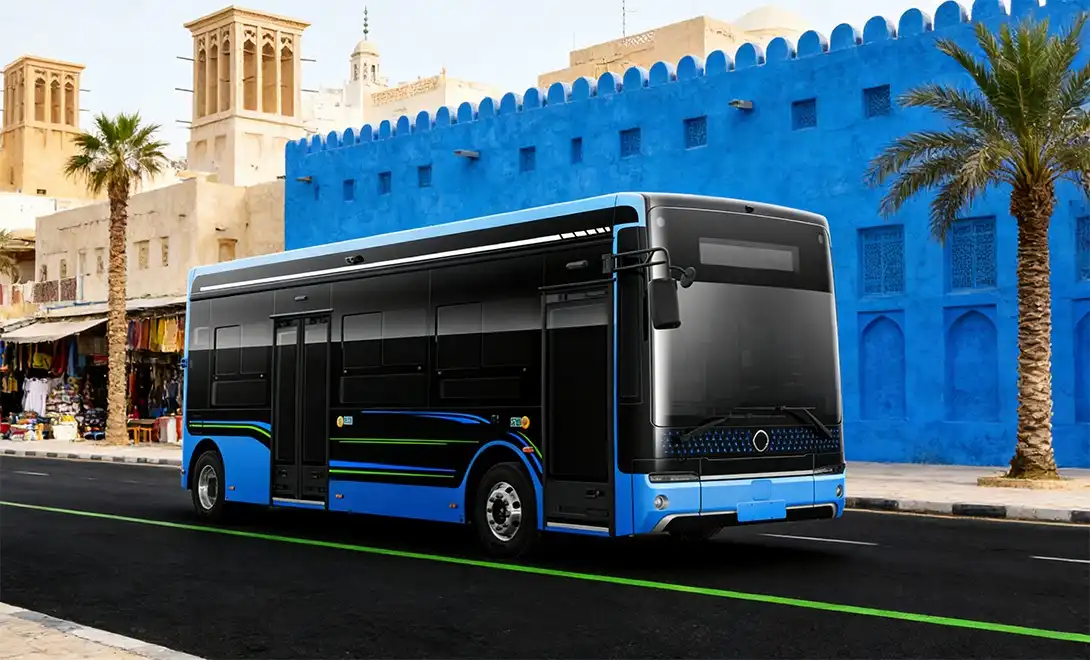
Compared to diesel buses, electric buses can go faster and climb steeper grades because their electric motors can produce maximum power from zero RPM. Range issues are very different depending on the use. For example, electric city buses can go 150 to 300 miles on a single charge, while diesel buses can go 400 to 500 miles before they need to be refueled. With 300–400 mile ranges and lower pollution, hybrid systems are a good balance, but they still have a lot of moving parts.
Hydrogen fuel cell buses can go 350 to 450 miles, which is about the same distance as a gasoline bus, and they can refuel quickly, in just 10 to 15 minutes. However, hydrogen infrastructure is still restricted and expensive, and the fuel costs more than diesel alternatives right now. Charging stations for electric cars are easier to find and are still growing thanks to investments from both the government and private individuals.
Operational Cost Comparison
Total cost of ownership estimates show that electric companies can save a lot of money over time. In the beginning, electric buses usually cost $50,000 to $100,000 more than gasoline buses of the same size, but they save $25,000 to $40,000 a year on fuel and repair costs. Most of the time, these saves mean that the business breaks even in three to five years.
Diesel buses have lower initial costs, but the price of fuel is changing more quickly, and strict pollution rules may mean that expensive changes to the after-treatment system are needed. Hybrid systems are in the middle because they cost a little more than regular gas systems but use 15 to 25 percent less fuel. At the moment, hydrogen buses have the highest total costs because their fuel cell systems are the most expensive and there isn't a lot of infrastructure for refilling them.
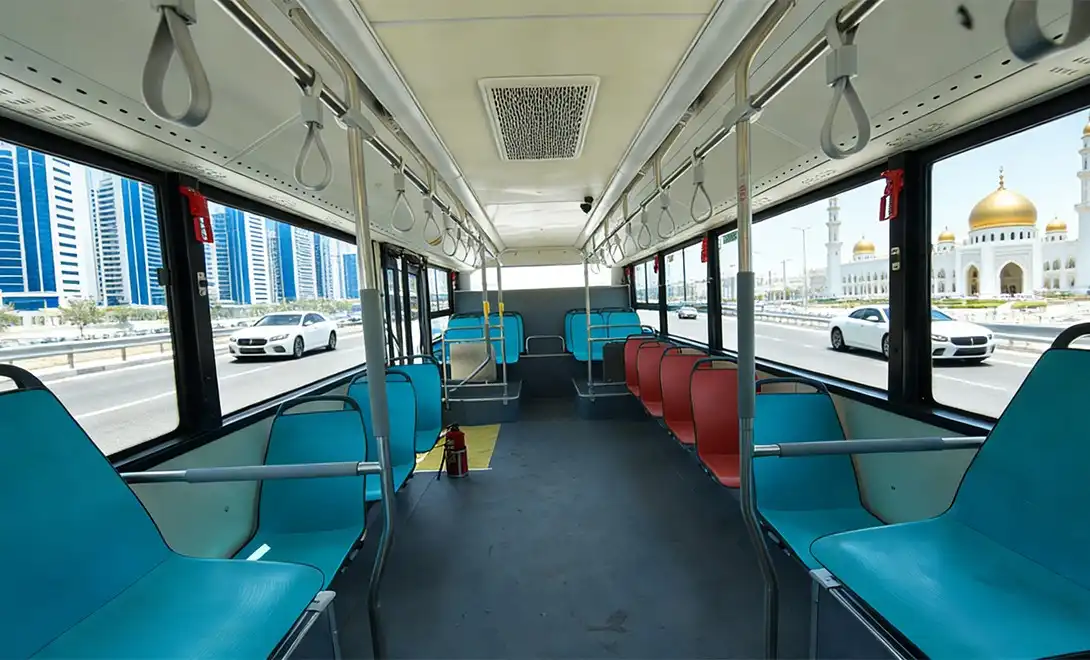
Regulatory Compliance and Environmental Impact
Environmental laws are favoring zero-emission cars more and more. For example, many places have low-emission zones that make it harder or illegal for diesel vehicles to operate. The Advanced Clean Transit Rule in California requires all public transit services to have zero emissions by 2040. Similar rules are being put in place in towns across Europe.
When driven by renewable energy sources, electric buses make no direct emissions and a lot less over their entire lifetime. Grid power in most parts of the US cuts emissions by 40 to 60 percent compared to diesel buses. As more green energy is used, emissions could drop by 80 to 90 percent.
Procurement Essentials: What to Consider When Buying Electric City Buses and Coaches?
To buy an electric bus successfully, you need to look at the financial frameworks, technical specs, and operational integration needs in great detail. Strategic planning during the purchase phase keeps mistakes from being too expensive and makes sure that the fleet works at its best.
Financial Planning and Incentive Programs
For buying an electric bus, you need to make a lot of money, so organized financial methods can help. Leasing agreements can lower up-front costs while keeping money for building charging infrastructure. To make preparing a fleet transition easier, many makers offer full service packages that include upkeep, charging equipment, and performance guarantees.
The Federal Transit Administration offers funding opportunities that make it much easier for people to buy electric buses. Transit companies that want to get zero-emission cars can get up to $2.5 million a year from the Low or No Emission Vehicle Grant Program. Different states and cities offer different kinds of incentives, but some of the most common ones are buy rebates, tax credits, and lower energy rates for businesses that charge customers.
When you carefully look at total cost of ownership models, you can use long-term operational savings to support beginning spending. Buyers for fleets should ask makers for thorough financial studies that include energy costs, upkeep plans, and predictions of the vehicles' leftover values over their expected lifetimes.
Technical Specifications and Performance Requirements
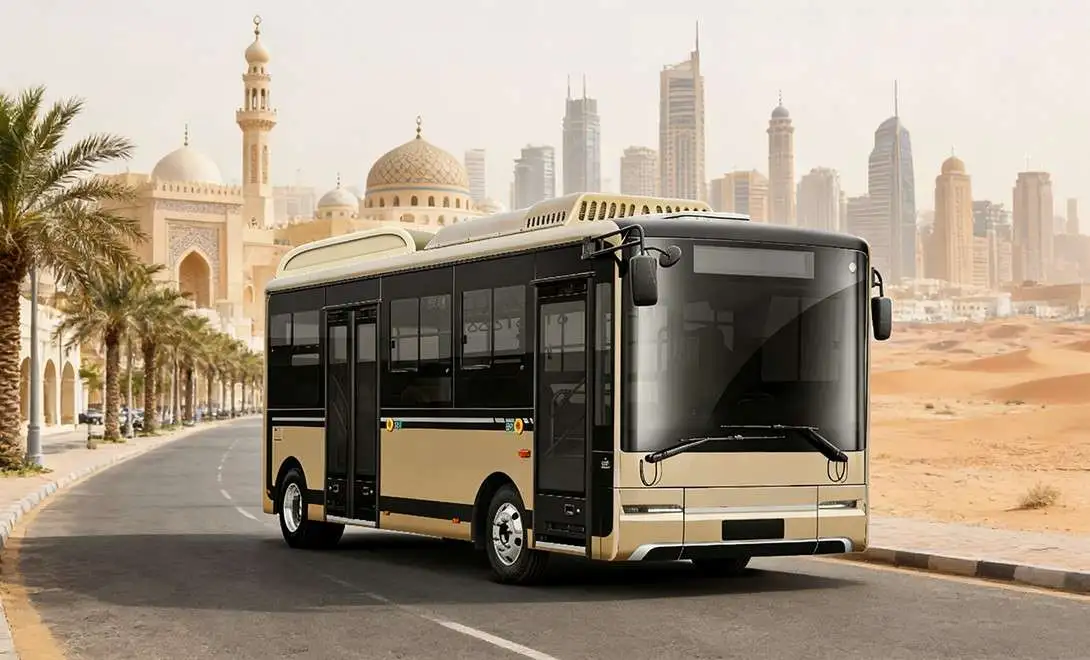
The specs of a vehicle must match the features of a certain road and the needs of the business. Electric city bus with strong regenerative braking systems and better battery thermal control are better for urban lines with lots of stops. Intercity trains need to be able to go farther and have comfort features for passengers that are right for longer trips.
Charging compatibility is an important design factor to think about. To avoid being locked into one seller, fleet buyers should ask for standard charging connectors and communication methods. Combined Charging System (CCS) connections have become the standard for DC fast charging, and SAE J1772 connectors are the standard for most AC charge needs.
Climate has a big effect on how well batteries work and how far they can go. Operating in cold weather can cut range by 20–40%, so in northern countries, you may need to carefully plan your routes and use batteries that are too big for the vehicle. Manufacturers should give full performance information for the temperature ranges that the products are supposed to work in.
Warranty Terms and After-Sales Support
Full insurance protection keeps fleet investments safe and makes sure that operations run smoothly during important changeover times. Standard guarantees in the auto industry cover most parts of a car for 12 years or 500,000 miles, and battery systems for 8 to 12 years or a certain number of cycles.
Service support skills vary a lot between makers and are important things to think about when buying. People who are buying a fleet should look at how many local repair centers are available, how well the technicians are trained, and how reliable the parts supply chain is. Remote monitoring lets you plan repair ahead of time and cut down on unplanned downtime.
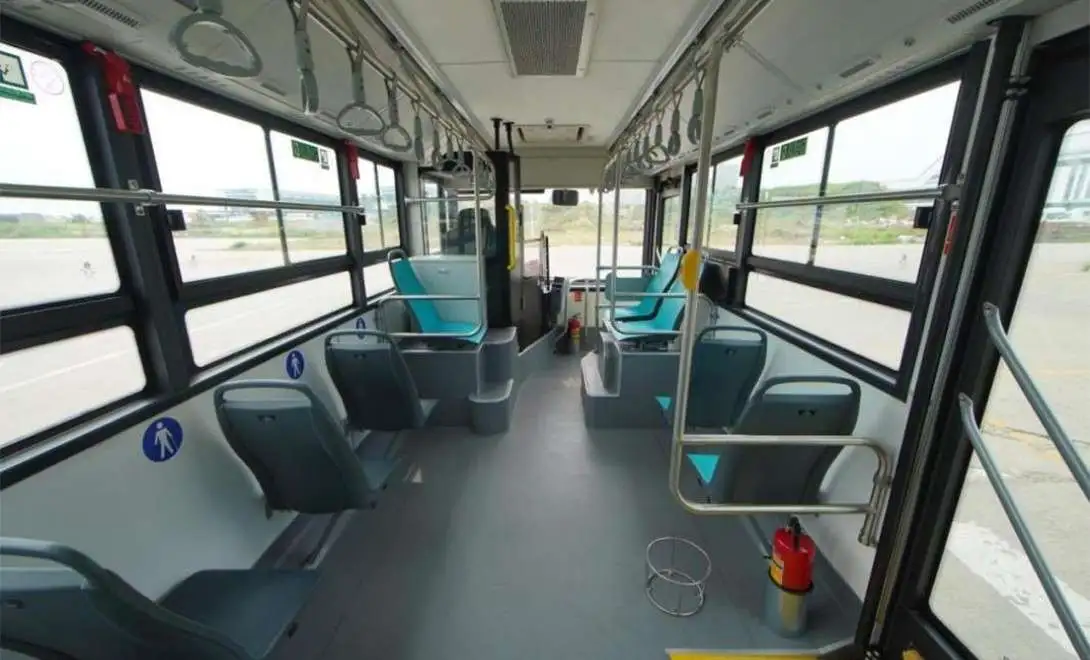
Maintenance workers are trained to make sure that vehicles are properly cared for and that the guarantee is followed. Manufacturers usually provide thorough training that covers everything from how to use monitoring tools to how to safely handle high voltages to how to do regular repair. Extra operational security is provided by ongoing technology support from help desk services and field service experts.
Selecting the Right Brand and Supplier: Trusted Manufacturers and Dealers
The choice of manufacturer has a big impact on the long-term success of a business through product stability, service support quality, and the ability to develop new technologies. Tough evaluation methods for suppliers help find partners who can support complicated electrical projects.
Leading Industry Players and Innovation Leaders
In the market for electric buses, there are both well-known transit companies and new technology companies that are designing and building buses in new ways. Manufacturers that have been around for a long time, like New Flyer, Gillig, and NOVA Bus, have service networks that work well and dealers that they know. Companies like Proterra and BYD that focus on technology put a lot of effort into making improved battery systems and charge solutions.
International makers offer competitive options that have been used successfully around the world. Chinese companies have lower prices because they can make a lot of them, but European companies offer better tech and better build quality. When buyers decide what to buy, they often weigh the cost of the item against the need for local material and the availability of service support.
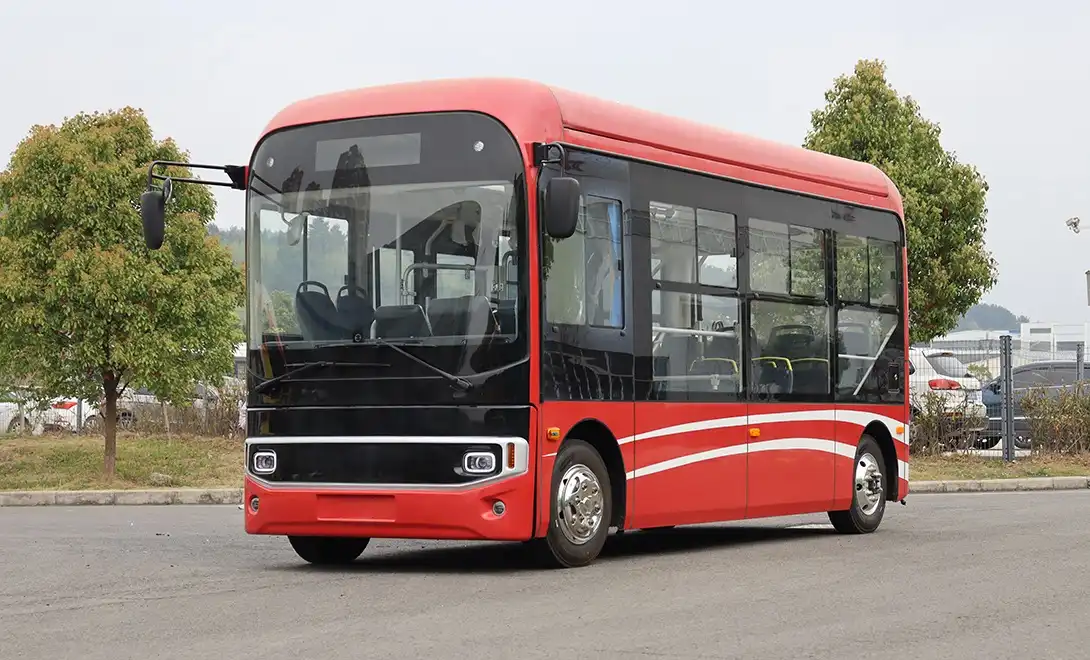
JCM stands out among new makers because it takes a complete approach to developing electric vehicles, including the Electric city bus, and helping with production. Our fully connected supply chain lets us create unique solutions that meet the needs of each market, all while keeping our prices low and our delivery times predictable.
Supplier Evaluation Criteria
Certification standards give manufacturers a way to show how capable they are and how committed they are to quality. Getting ISO 9001 quality management certification shows that you take an organized method to making products and developing new ones. The TS16949 car quality standards make sure that safety and dependability standards specific to the business are met.
Financial stability reviews help make sure that suppliers will be around for a long time and that parts will always be available for all car lifecycles. Public financial filings, industry expert reports, and customer references can help you figure out how well a company is doing financially and where they stand in the market.
Building Long-Term Supply Chain Relationships
Aligning the technology plan makes sure that it works with changing fleet needs and industry standards. Progressive automakers put money into research and development projects that improve battery technology, the ability to charge batteries, and the readiness of cars that drive themselves. Partnering up with tech companies is often a sign of dedication to new ideas and staying ahead of the competition.
For electricity to work, relationships must last longer than just delivering the first vehicles. Full supplier ties include access to spare parts, expert help, and ways to improve technology that protect fleet assets over long periods of time.
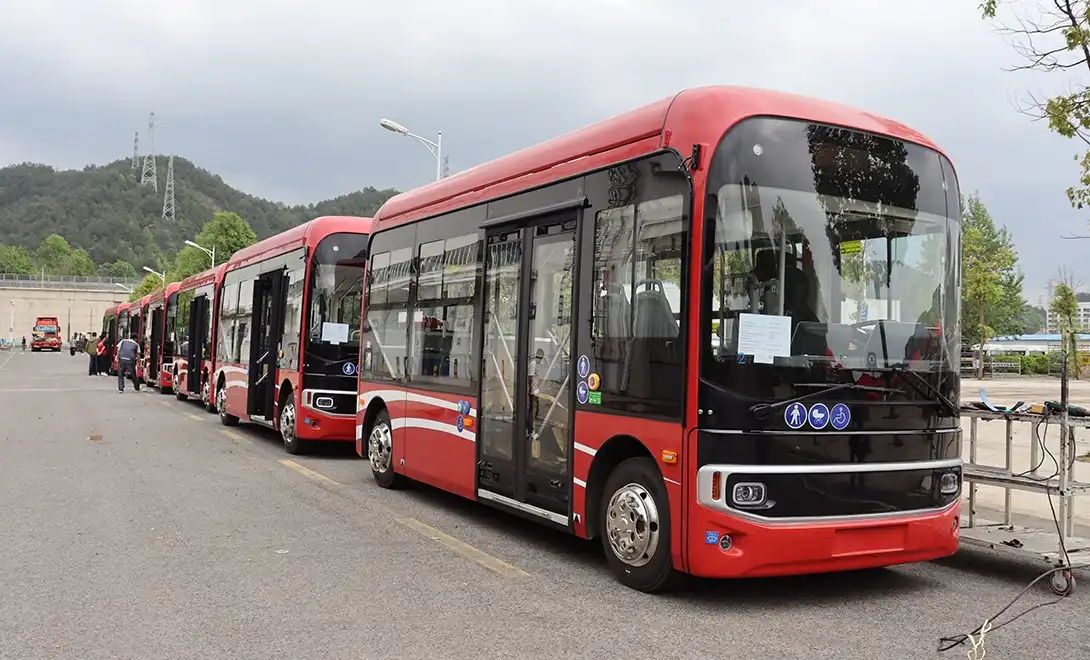
As companies switch from easily accessible diesel parts to specialized parts for electric vehicles, the stability of the parts supply chain becomes very important. Manufacturers should show that they have established supplier networks, methods for managing their supplies, and the ability to get essential parts to customers faster.
Partnerships for continuous growth let you get the most out of your fleet by analyzing operating data and updating technology. Modern automakers make fleet management software that keeps an eye on how well vehicles are doing, tells you when they need repair, and provides ways to run the business better that save money and make it more reliable.
Future Trends and Innovations in Electric City Bus and Coach Technology
Electric transportation is still changing because of how well batteries work, how well clever systems work together, and how self-driving cars can do things. For instance, the Electric city bus is evolving with these advancements. Knowing about new trends helps fleet buyers make choices about what to buy that are ready for the future.
Battery Technology Advancements
Next-generation battery technologies offer big changes in how much energy they hold, how fast they charge, and how long they last. Solid-state batteries that are currently being developed have 40–50% more energy efficiency than lithium-ion systems. They also have lower fire risks and last longer.
Fast charging keeps getting better thanks to better control of battery temperature and updates to the charging infrastructure. Ultra-fast charging systems that can give 500kW or more of power allow charging sessions that last between 15 and 20 minutes, which means that operations can go all day without having to wait for long charging times at the station.
Battery recycling programs take into account the end of life of batteries while also giving fleet owners new ways to make money. Lithium, cobalt, and nickel are some of the valuable materials that can be recovered through recycling and used to make new batteries. Batteries that have been damaged can also be used for fixed energy storage.

Intelligent Fleet Management Integration
By collecting and analyzing a lot of data, connected car technologies make it possible to keep an eye on and improve fleet operations in real time. Modern tracking systems keep track of where vehicles are, how much energy they use, how many people are in them, and how much repair they need so that routes are more efficient and service needs can be predicted.
AI programs look at working trends and suggest changes to schedules, charging strategies, and repair times that lower costs and make service more reliable. Predictive maintenance programs find patterns of wear on parts before they break. This stops unexpected downtime and lowers the cost of repairs.
Connecting to smart city infrastructure makes it possible to improve traffic signals, change routes on the fly, and charge devices at the same time, all of which make the system work more efficiently. With the ability to connect to the grid, buses can store energy during times of high demand, which brings in extra money for transit companies.
Conclusion
Electric city buses and coaches can completely change the way fleet owners do business when they're looking for environmentally friendly ways to move people and goods that also save them money in the long run. To make sure the fleet works at its best, it's important to carefully consider the vehicle specs, the charging infrastructure needs, and the manufacturer's skills before making a purchase. As technology changes quickly, there are exciting possibilities for better battery performance, smarter fleet management, and self-driving features that will make operations even more efficient. Strategic relationships with well-known makers give you access to technical know-how, service support, and ongoing innovation that protects your fleet investments and helps your electricity projects succeed.
Partner with JCM for Your Electric Fleet Transformation
Are you sure you want to electrify your fleet? JCM has a lot of experience making electric city buses and coaches, and they can offer options that are specifically designed to meet your needs. Our all-in-one method includes cutting-edge battery technology, strong support for charging facilities, and full after-sales service to make sure that fleet transitions go smoothly. As a reliable provider of electric city buses and coaches, we offer full production line solutions, expert training, and ongoing support to help you get the most out of your investment.
We can help you adopt electric vehicles because we have a global supply chain and a history of making transportation more environmentally friendly. Email our team at info@jcm-star.com to talk about your goals for electrification and find out how our new solutions can change the way your fleet works while helping you reach your sustainability goals.
References
1. Thompson, R. & Martinez, S. (2024). "Electric Bus Technology Assessment: Performance Analysis and Procurement Guidelines." Journal of Sustainable Transportation Engineering, 15(3), 45-62.
2. Chen, L., Williams, D., & Anderson, K. (2023). "Total Cost of Ownership Models for Electric Transit Fleets: A Comprehensive Analysis." International Review of Fleet Management, 28(4), 112-128.
3. Rodriguez, M. & Kumar, A. (2024). "Battery Technology Advancements in Commercial Electric Vehicles: Performance and Lifecycle Considerations." Advanced Energy Systems Quarterly, 12(2), 78-94.
4. Foster, J., Brown, E., & Lee, H. (2023). "Government Incentive Programs for Electric Vehicle Adoption: Impact Assessment and Policy Recommendations." Public Transportation Policy Review, 19(1), 23-41.
5. Zhang, W., Johnson, P., & Taylor, R. (2024). "Charging Infrastructure Planning for Electric Bus Operations: Technical Requirements and Implementation Strategies." IEEE Transactions on Transportation Electrification, 10(2), 156-171.
6. Murphy, S., Davis, C., & Wilson, T. (2023). "Manufacturer Evaluation Criteria for Electric Commercial Vehicle Procurement: Industry Best Practices and Quality Standards." Commercial Vehicle Technology Journal, 31(4), 89-105.

Based on your vehicle requirements, we will quickly match the most suitable specifications and provide a competitive quote.
_1755581003287.webp)
Global Customized


_1756108840480.webp)
_1755854765757.webp)