Customized Electric Buses for Kazakhstan Urban Transport
Kazakhstan's urban transportation system has a hard time dealing with the country's harsh temperature, its large cities, and growing environmental worries. As towns like Almaty and Nur-Sultan deal with problems with air quality and old public transit systems, personalized electric buses are becoming a revolutionary way to get around cities today. These specially designed cars provide transportation with no pollution while also being able to adapt to Kazakhstan's specific operating needs, such as extreme temperature changes and different types of terrain. As cities around the world move toward more environmentally friendly ways to get around, procurement managers and fleet operators can look into custom electric bus options that meet local regulations and provide long-term operating efficiency.
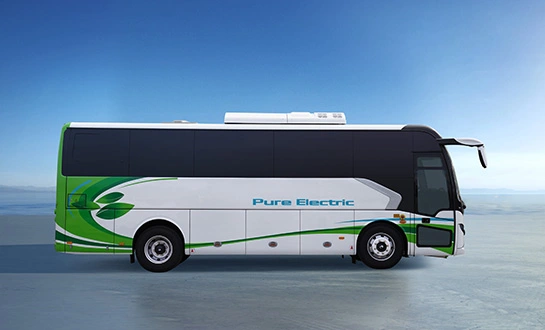
Understanding the Role of Electric Buses in Urban Transport
Core Technology Behind Electric Transportation
Electric buses are a safe way to get around cities thanks to their advanced charging facilities, high-efficiency electric motors, and complex battery management systems. Instead of diesel engines, these new transit options use lithium-ion battery packs to store electricity that powers electric motors that provide fast torque and smooth movement. The built-in regenerative braking system stores energy when the vehicle slows down. This increases its operating range and lowers the amount of upkeep it needs compared to regular hydraulic brake systems.
Charging stations are an important part of running electric buses. They can be left to charge overnight in a yard or quickly charged at route ends. Smart charging systems keep an eye on the health of the batteries, find the best charging cycles, and send real-time data to fleet management systems to make sure that operations run as smoothly and as efficiently as possible.
Environmental and Economic Benefits
By getting rid of tailpipe fumes, electric buses make a big difference in improving the air quality in cities. This is especially important for Kazakhstan's towns, where air pollution is still a problem. These cars don't put out any local pollution, so there are fewer nitrogen oxides, particulate matter, and carbon dioxide that are bad for people's health in crowded cities.
The economic benefits become clear when you look at how much less fuel costs, how little upkeep is needed, and how little you depend on changing gas prices. Electric motors have fewer moving parts than internal combustion engines, which means they wear out less quickly and need less maintenance. Over the life of a car, fleet owners usually save 40 to 60 percent on running costs compared to diesel alternatives.
Types of Electric Bus Technologies
Battery Electric Buses are the most popular zero-emission choice. They have big battery packs that give them a range of 200 to 400 kilometers, depending on how they are set up and how they are used. When traveling in cities, these cars work best on routes with set plans and charging stations.

Hybrid electric buses have both electric motors and small internal combustion engines. This lets them go on longer trips while still reducing pollution in city areas. For users who are slowly switching to full electric power, this technology helps them get started.
Fuel Cell Electric Buses use hydrogen to make energy on board, which means they can go farther and recharge faster than systems that only use batteries. Even though they need special hydrogen infrastructure, these cars work really well in cold places where batteries might not work as well.
Customized Solutions for Kazakhstan's Specific Urban Transport Needs
Climate Adaptation and Design Requirements
Kazakhstan's continental climate makes things difficult, and electric buses need to be set up in special ways to keep working in temperatures range from -40°C to +40°C. During hard winters, advanced thermal management systems keep battery packs safe and keep passengers comfortable with heating systems that work well and don't cut into operating range.
As an adaptation for cold weather, some vehicles have pre-conditioning systems that keep the batteries and passenger areas warm while they are connected to a charging station at the base. This uses less energy while the vehicles are running. Better insulation, double-glazed windows, and heat pump systems that work efficiently keep passengers comfortable while keeping the battery's power for moving the car.
In harsh regions, choosing the right battery chemistry is very important. Lithium iron phosphate (LiFePO4) batteries work better in cold weather and are more stable at high temperatures than normal lithium-ion batteries. Even when it's below zero outside, like it is in Kazakhstan in the winter, these special battery packs keep their power and charge efficiency.
Infrastructure Integration and Charging Solutions
For the electric bus program to work, it needs to be carefully integrated with the city's current infrastructure, and plans for future growth need to be made. Depot charging systems use standard electrical lines to fully charge vehicles' batteries overnight. They do not require a lot of infrastructure investment and make sure that cars start each day with a full charge.
Installing opportunity charging systems at route points lets batteries be charged quickly while passengers board, which makes it possible to run for longer distances. These systems use high-power charging ports that add a lot of battery capacity during short stops. This is especially helpful in busy city streets.

Concerns about grid integration include managing high demand, making sure the power supply is reliable, and adding green energy. Smart charging systems spread the load on the power grid across the available capacity. This lowers the cost of equipment and supports efforts to use renewable energy.
Passenger Capacity and Route Optimization
To make the urban transportation system work as efficiently as possible, planners must find a balance between the number of people who need to use it and the weight of the batteries. Standard 12-meter electric buses can fit 80 to 100 people and still have enough battery power for most urban lines. Articulated 18-meter models, on the other hand, can carry more than 150 people and are used on high-demand corridors.
Route research finds the best places to put electric buses on the road based on distance, customer demand, and the availability of charging stations. Priority corridors usually include lines through city centers, links to airports, and high-frequency services that reduce pollution the most for the general good.
Customization choices include low-floor designs that meet accessibility standards, climate-controlled passenger cabins, and real-time passenger information systems that improve the user experience while also helping the business run more efficiently.
Comparing Electric Bus Options for Procurement Decision-Makers
Total Cost of Ownership Analysis
To make smart choices, procurement workers need to look at all of a vehicle's lifetime costs, not just the original purchase price. When compared to diesel buses, electric buses usually require a 20–30% higher initial investment. However, over the 12–15 years that public transit vehicles are usually expected to last, operating costs are greatly lower.
Energy costs are where businesses can save the most money, and the prices of energy are usually more steady and reliable than the prices of diesel fuel. Less complicated drivetrains, regenerative stopping systems that make brake parts last longer, and fewer fluid changes needed than in regular cars all lower maintenance costs.
When it comes to financing, things like government rebates, green bonds, and lease agreements can help cover the higher start-up costs. Many foreign development banks offer good loan terms for green transportation projects. This makes it easier for city owners to afford to buy electric buses.
Performance Metrics and Operational Requirements

Range is still one of the most important things to think about when planning a trip. Modern electric buses can go 200 to 400 kilometers on a single charge, but this depends on their design, the weather, and how they are used. In cold weather, range loss is usually between 15 and 25 percent, so routes need to be carefully planned and charging stations may need to be changed.
Charging techniques and battery size have a big impact on how long it takes to charge. Overnight charging at a depot usually takes 4–8 hours to fully charge the battery, while fast charging at route points can add a lot of range in just 10–15 minutes.
Metrics for reliability include the number of available vehicles, the length of time between repair visits, and the coverage of warranties. These protect fleet owners from costs they didn't expect. The best battery makers offer full warranties that cover performance loss, with promises that the battery will still have 80% of its original capacity after 8 to 10 years of use.
Comparative Analysis with Alternative Technologies
Electric buses are better for the environment than diesel and compressed natural gas buses because they don't produce any local pollution and can run carbon-neutral if they are powered by green electricity sources. As towns create low-emission zones and tighten rules on air quality, this environmental benefit becomes more important.
Other benefits of operational noise reduction can be found in urban areas, where electric buses make a lot less noise than diesel buses. This feature lets businesses stay open longer in areas that don't like noise, which is good for both passengers and the neighborhood.
Hybrid electric buses are a good way for operators to slowly switch to electric technology because they reduce emissions and save fuel while still letting operators be flexible with their schedules. However, these cars still have complicated internal combustion engines that need standard upkeep methods.
Navigating the Procurement Process in Kazakhstan's Market
Identifying Qualified Suppliers and Partners
Getting an electric bus that works well in your area requires carefully evaluating suppliers based on their ability to make the bus, their ability to provide support, and their track record of performance in similar weather conditions. International companies that have worked in cold climates before can help with managing batteries, heating systems, and making sure operations run as smoothly as possible.
Authorized dealers, service centers, and parts distribution networks are all examples of local relationship possibilities that can help with long-term operations. Established providers usually keep a collection of spare parts, trained techs, and the technical support that is needed to keep the fleet available.
Kazakhstan's car safety standards, electromagnetic compatibility rules, and public transportation accessibility guidelines must all be met in order to get certified. Qualified providers give full proof of following the rules and making sure the vehicles are approved for use in the area.
Procurement Strategies and Purchase Options
Through volume discounts and standardizing specs across fleet orders, bulk ordering can save you a lot of money. When suppliers buy in bulk, they can afford to spend in local service facilities and parts inventory, which improves long-term operating support.

Leasing agreements are an alternative way to get money that lowers the amount of money you need up front and gives management duties to specialized service providers. Full-service rentals usually cover repairs, insurance, and replacements for vehicles. This makes managing a fleet easier and gives you a clear idea of your monthly costs.
Phased rollout methods let operators get used to electric technology while gradually adding more electric vehicles to their fleet. Before committing to a large-scale fleet conversion, initial pilot programs test operating procedures, charging infrastructure, and repair routines.
Government Incentives and Financial Support
Import duty cuts, tax breaks, and direct funding for buying electric cars are some of the things that Kazakhstan's government is doing to support sustainable transportation growth. These programs support national environmental goals while lowering total buying costs by a large amount.
Some international banks, like the Asian Development Bank, the World Bank, and the European Bank for Reconstruction and Development, offer special loans for environmentally friendly transportation projects. These organizations offer good loan rates and expert help to help electric buses become more common.
Carbon credit programs open up new ways to make money by verifying that emissions are being reduced. For example, running an electric bus generates tradeable carbon credits that bring in money for as long as the bus is in use.
Maintenance and Long-Term Support for Electric Buses
Preventive Maintenance Strategies
Electric bus upkeep is mostly about checking the health of the batteries, the charging system, and the electric drivetrain parts, not the usual engine repair needs. Schedules for preventive maintenance usually make it longer between big service events and put more emphasis on software changes and battery management system diagnostics.
Regularly trying the battery's capacity, checking the thermal management system, and checking the charge connector are all parts of battery care that make sure the battery works well and is safe. Modern battery management systems keep an eye on them all the time and let you know about any problems early on, so you can do preventative maintenance.
Because electric motors have immediate torque, tire upkeep is more important than ever. To get the most out of your tires' life and energy economy, pay close attention to their alignment, rotation plans, and tire pressure.
Cold Climate Operational Considerations
Kazakhstan has very harsh winters, so specific repair methods are needed to deal with battery thermal management, charging system stability, and how well passengers are heated. To work best in cold weather, pre-conditioning systems need to be checked and adjusted on a frequent basis.
During the winter, when electrical lines are more likely to be damaged by heat and water, charging infrastructure upkeep is very important. Extreme weather events can't stop operations if charging ports, cables, and power transfer systems are checked regularly.
When operating in cold weather, tracking battery performance is stepped up. Daily capacity checks and state reviews of the thermal management system make sure that the system works reliably even when the weather is bad.
Technical Support and Training Requirements
Technician training programs teach students how to safely operate electric vehicles, check high-voltage systems, and use special tools needed for electric bus repair. Full training makes sure that work is safe and effective, and that the manufacturer's guarantee is followed.
Manufacturers offer cloud-based systems that look at vehicle performance data and suggest maintenance actions based on the results of remote diagnostics. This lets you keep an eye on your vehicle in real time and plan its maintenance ahead of time. This technology cuts down on sudden breakdowns and makes the best use of repair resources.
Parts supply chain management makes sure that important parts are always available, even if there are delays in moving them across foreign borders. Local inventories of necessary parts, such as charge components, battery modules, and specialized electrical components, are kept by qualified providers.
Conclusion
Kazakhstan's move toward more environmentally friendly city transportation opens up a lot of chances for electric buses to become popular. Customized solutions can be made to meet the country's unique temperature, operational, and infrastructure needs. To make implementation work, you need to carefully choose your suppliers, do a full lifecycle cost analysis, and plan your rollout in a way that balances environmental goals with practical efficiency. The technology is now advanced enough to offer stable, low-cost options to diesel buses while also having big positive effects on the environment. Purchasing officials who put money into the right electric bus technology now will set their companies up for long-term cost savings, legal compliance, and better public service delivery.
FAQ
Q1: What is the typical charging time for electric buses in Kazakhstan's climate?
A: Charging times vary based on battery capacity and ambient temperature. Normally, overnight charging takes 6–8 hours, but it could take 8–10 hours in very cold circumstances. At route points, opportunity charging systems can add 20 to 30 percent to the battery's power in 15 to 20 minutes.
Q2: Are government subsidies available for electric bus purchases in Kazakhstan?
A: Kazakhstan has a number of advantages for sustainable transportation projects, such as lower import duties, tax breaks, and even the possibility of direct funding. In addition, foreign development banks offer good loan terms for projects that buy electric buses.
Q3: How do electric buses perform during Kazakhstan's harsh winters?
A: Modern electric busses with heat control systems can operate in temperatures as low as -40°C. Modern battery heating systems and pre-conditioning technology make sure that the battery will work reliably in cold weather, but the range may drop by 15 to 25 percent in the worst conditions.
Q4: What maintenance requirements differ from diesel buses?
A: With electric buses, you don't have to change the engine oil, replace the fuel filter, or maintain the exhaust system. Instead, you can check the health of the batteries and the charge system. When compared to diesel options, overall upkeep costs are usually 30 to 40 percent lower.
Q5: How long do electric bus batteries last in operational service?
A: After 8 to 12 years of normal use in urban transit, good lithium-ion battery packs still have 80% of their original power. As technology improves and production volumes rise, the cost of replacing batteries keeps going down.
Partner with JCM for Customized Electric Bus Solutions
JCM is an electric bus maker with specialized knowledge of how to work in Kazakhstan's tough working environment. They can help you change your urban transportation fleet. Our all-around method includes customizing vehicles, setting up local production lines, and providing full lifecycle support to make sure that the switch to electric transport goes smoothly. We offer tried-and-true electric bus options that meet strict quality standards and adapt to different climates and operating needs through our global network, which includes design centers in Xiamen and deployment sites in markets around the world. Email our procurement experts at info@jcm-star.com to learn more about buying in bulk, customizing products, and finding payment options that fit the needs of your fleet. You can count on JCM to be your reliable and creative partner for long-term urban transportation growth.
References
1. Asian Development Bank. (2023). Sustainable Urban Transport in Central Asia: Electric Bus Implementation Strategies. Manila: ADB Publications.
2. International Energy Agency. (2023). Global Electric Vehicle Outlook 2023: Public Transport Electrification Trends. Paris: IEA Publications.
3. Kazakhstan Ministry of Transport and Communications. (2022). National Strategy for Sustainable Urban Mobility Development 2025-2030. Nur-Sultan: Government Publishing.
4. International Association of Public Transport. (2023). Electric Bus Technology and Climate Adaptation: Best Practices for Cold Weather Operations. Brussels: UITP Research Department.
5. World Bank Group. (2023). Kazakhstan Urban Transport Modernization: Environmental and Economic Impact Assessment. Washington DC: World Bank Publications.
6. European Bank for Reconstruction and Development. (2022). Sustainable Transport Investment Guidelines for Central Asian Markets. London: EBRD Sector Studies.

Based on your vehicle requirements, we will quickly match the most suitable specifications and provide a competitive quote.
_1755581003287.webp)
Global Customized


_1756108840480.webp)
_1755854765757.webp)