How 8m Electric Coaches Serve Intercity and Business Travel
The 8m electric coach has become a game-changing option for modern business and intercity transportation. It has the perfect mix of passenger capacity, operating efficiency, and environmental friendliness. These medium-sized electric cars can hold between 25 and 35 people and have an amazing range of 200 to 300 kilometers on a single charge. Because they are only 8 meters long, they are very small, which makes them great for intercity routes and company shuttle services. They are easy to move around in cities and comfortable for longer trips. As transportation companies put more emphasis on being environmentally friendly and cutting costs, these electric cars are a smart investment in mobility options that will work in the future.

Understanding the Core Specifications and Benefits of 8m Electric Coaches
What the technical specs of 8-meter electric coaches say about their engineering is truly amazing, and it directly meets the needs of modern transportation companies. The batteries in these vehicles are usually very strong, with capacities ranging from 200 to 400 kWh. This lets them keep running for long distances without affecting passenger comfort or safety.
Key Technical Specifications and Performance Metrics
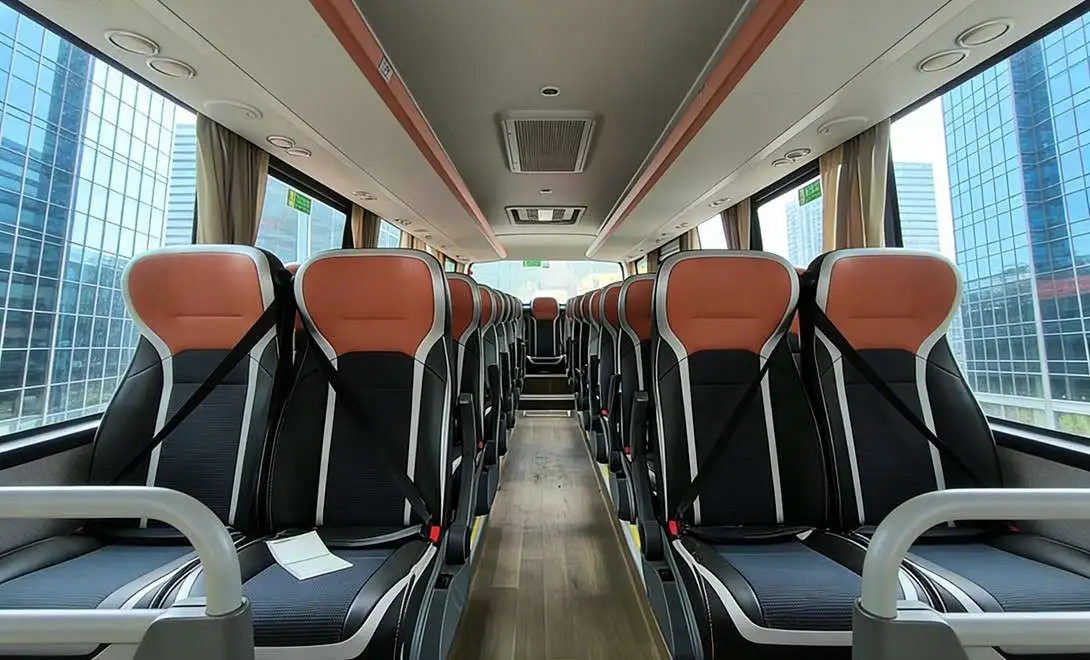
The dimensional features of these cars make them very useful in a number of operating situations. Due to their normal length of 8 meters, width of 2.55 meters, and height of 3.2 to 3.4 meters, these vehicles are very easy to move around in cities while still having roomy interiors. The number of seats usually runs from 25 to 35, but this depends on how the interior is laid out and any mobility needs.
Modern electric coaches use lithium iron phosphate (LiFePO4) or lithium nickel manganese cobalt oxide (NMC) battery systems. Batteries are what these coaches are all about. Charging speeds vary a lot. For example, DC fast charging devices can fully charge an 80% discharged battery in 60 to 90 minutes, while overnight AC charging can fully charge an 80% discharged battery in 6 to 8 hours. Under normal circumstances, the operating range is between 200 and 350 kilometers. This makes these coaches perfect for trips between cities and daily business transportation needs.
Environmental and Operational Advantages
Electric cars are very good for the earth and help companies meet their green goals and government rules. During operation, these cars give off no direct pollution, making a big difference in improving the air quality in cities and lowering our carbon footprint. Studies show that when driven by renewable energy sources, 8m electric coach can cut greenhouse gas pollution by 60–80% compared to diesel coaches.
The operating cost benefits become clear when you look at how much less fuel costs and how little upkeep needs to be done. Because electric drivetrains have fewer moving parts than standard gas engines, they last longer between service visits and wear out less quickly. Reports from fleet owners show that repair costs are 30–40% lower than with diesel coaches, and energy costs are 50–70% lower than with regular fuel.

Technology Integration and Passenger Experience
These days' electric cars have high-tech features that make them run more smoothly and make passengers happier. Integrated telematics systems let you check on the battery level, energy use, and car performance in real time, which lets you plan repairs ahead of time and find the best routes.
Electric coaches' climate control systems use efficient heat pump technology to keep the cabins at a comfortable temperature while reducing battery drain. A lot of passenger comforts come with USB charging ports, Wi-Fi, and high-tech entertainment systems that are driven by the main battery pack. As a general rule, safety features include electronic stability control, advanced driving aid systems, and full fire suppression systems made just for electric vehicles.
Comparative Analysis to Support B2B Decision-Making
When comparing electric cars to standard diesel and hybrid options, it's important to look at a lot of performance factors that have a direct effect on how well the business does and how much money it makes. This comparison gives procurement workers the information they need to make smart financial choices.
Performance and Efficiency Comparisons
When compared to other options, electric coaches are more energy efficient. They can turn about 90–95% of the saved electrical energy into motion, while diesel engines usually only manage 35–40% heat efficiency. This basic difference leads to big savings in running costs and less damage to the environment across all fleet activities.
Different types of power have different range limits. For example, diesel coaches can go almost anywhere as long as they can refuel, but electric coaches have set range limits. However, interstate and business routes are usually the same, which makes electric coaches perfect for planned operations where charging stations can be placed in smart ways.
Due to the way electric motors give power right away, electric coaches often perform better in acceleration and hill climbing. In cities and mountainous areas where acceleration cycles happen often, this speed benefit is especially useful.
Total Cost of Ownership Analysis

When figuring out how much an 8m electric coach is worth, you have to look at its buy price, its operating costs, its repair costs, and its resale value. Electric coaches usually cost more to buy at first than diesel coaches, but over 8 to 12 years of use, the total cost of ownership usually works out better for electric options.
The biggest practical benefit is the lower cost of energy. Compared to diesel fuel, electricity prices usually save 50–70% of the cost. Maintenance costs go down a lot because engine parts are simpler and wear items are fewer. But the cost of replacing batteries needs to be taken into account when planning for the long run. However, with proper care, current battery systems can last longer than 10 years.
Government incentives and tax breaks often cover the initial cost premiums. For example, many places offer purchase rebates, tax credits, and operating funding for business electric cars. With these financial benefits, investing in electric coaches becomes a much better idea.
Regulatory Compliance and Market Trends
More strict rules about pollution affect both city and interstate transportation, and electric coaches are in line with those rules. Many big cities have low emission zones or zero emission standards that encourage people to drive electric cars. These coaches are necessary to keep market access.
Electric coaches' safety standards are always changing, and now there are strict rules about how to protect batteries, work electrical systems, and handle emergencies. Modern electric coaches meet or go beyond the safety standards set by traditional buses, and they also have extra safety features that are only found in electric vehicles.
Procurement Insights: Streamlining Your Purchase of 8m Electric Coaches
When buying electric cars, there are some special things that need to be thought about that aren't needed when buying other kinds of vehicles. Knowing about these things helps you work better with your suppliers and finish your projects on time and on budget.
Essential Supplier Evaluation Criteria
A successful purchase of an electric coach starts with a thorough evaluation of the supplier's technical skills, the quality of their work, and their after-sales support system. Suppliers should have established quality control systems and applicable industry certifications, as well as show that they have experience making electric vehicles.

Pay close attention to battery technology and guarantee terms because battery performance has a direct effect on how well operations run and how much they cost in the long run. Batteries from reputable sellers usually come with contracts that last between 8 and 10 years and cover specific performance issues like keeping their capacity and charging cycles.
Manufacturing capacity and delivery times are very important, especially for operations of bigger fleets. Suppliers with well-established factories and connections in the supply chain can better handle large orders and keep their delivery promises.
Financial Considerations and Contract Terms
Buying electric coaches often involves more complicated financial deals than simple purchase agreements. Organizations that want to use current electric coach technology but don't want to spend a lot of money on capital can choose to lease instead.
Leasing batteries keeps the ownership of the car and the batteries separate, which lowers the starting costs while guaranteeing the battery's performance. Maintenance coverage and battery repair options at the end of their useful lives are common features of these buildings.
Agreements to buy in bulk can save you a lot of money and give you priority delivery times. Suppliers often have tiered price plans that reward big promises and partnerships that last a long time.
Infrastructure and Support Requirements
For electric coaches to be used, the development of charging facilities and the purchase of vehicles must be coordinated. For buying to go smoothly, charging methods, electrical infrastructure, and repair tools must all be carefully planned.
Training programs for drivers and repair workers are important parts of deploying electric coaches. Suppliers should offer full training programs that cover everything from safe operating to simple maintenance and charging processes.
Technical support plans must take into account the specific needs of electric vehicles, such as the ability to diagnose problems, the supply of parts, and the steps to take in case of an emergency. Setting up these support systems during procurement makes sure that routine changes go smoothly.
JCM: Your Trusted Partner for Electric Coach Solutions
JCM is a leader in the electric coach making industry. They combine cutting-edge engineering with a wide range of production skills to create top-notch 8m electric coach options for business and intercity travel. Because we care about the environment and pushing the limits of technology, we are at the head of the electric mobility change.
Comprehensive Product Portfolio and Customization Capabilities
Our electric coach range includes high-tech 8-meter models made to meet the needs of business and interstate transportation. These vehicles have the most up-to-date battery technology, energy management systems, and passenger-focused features that make electric coaches work better and be more reliable.
JCM can customize many parts of a car, such as the seating arrangements, the interior design, the exterior marking, and the inclusion of specialized equipment. Our tech teams work closely with clients to create solutions that meet all of their business needs and brand standards.
By connecting our "Surfing" car industry chain tool to global talent networks and supplier relationships, we can make changes quickly and come up with new products. This method makes sure that every electric coach project gets access to top-notch knowledge and the newest technology.
Manufacturing Excellence and Quality Assurance
Our production operations include research and development centers in Shiyan and Xiamen, as well as original centers placed in Southeast Asia, the Middle East, and Europe. This worldwide industrial presence keeps factories close to important markets and makes sure that quality standards are met everywhere.
JCM's quality management systems go above and beyond what is required by the industry. ISO and TS16949 certifications make sure that quality is controlled throughout the whole production process. Our production skills allow us to handle both small-batch customization and large-scale production, so we can meet the needs of a wide range of clients and meet their delivery deadlines.
Modern manufacturing technologies, like cloud manufacturing and cloud quality management systems, let you keep an eye on and handle production processes in real time. These methods make it possible to quickly meet client needs while still keeping high quality standards.

Global Support Infrastructure and Partnership Approach
When it comes to connections with clients, JCM does a lot more than just send vehicles. They also offer a wide range of support services that make sure operations run smoothly for a long time. Our global service network helps with technical support, getting parts, and servicing in the world's biggest markets.
JCM's training programs cover all parts of operating and maintaining electric coaches. This makes sure that client staff have the information and skills they need to successfully deploy the fleet. There is both classroom-based learning and hands-on practice with real cars and systems in these classes.
As part of our dedication to building partnerships, we offer ongoing consultation services, help with optimizing fleets, and ways to improve technology. This all-around method makes sure that clients' investments in electric coach technology keep paying off for long periods of time.
Conclusion
By buying 8m electric coach, the government is making a smart investment in green transportation that will help the environment and improve operations. For work and intercity travel, these cars are the best mix of passenger capacity, operating efficiency, and cost-effectiveness. Transportation companies have to deal with new rules and standards for sustainability. Electric cars are a tried-and-true way for them to cut costs and do better for the environment. Now is a good time for fleet electrification projects because the technology is mature and the infrastructure to support them is growing. This sets organizations up for long-term success in the sustainable mobility world.
FAQ
What is the typical charging time for an 8m electric coach?
Charging times are different for each charging method and battery type. DC fast charging can usually fully charge an 80% discharged battery in 60 to 90 minutes, while overnight AC charging can fully charge an 80% discharged battery in 6 to 8 hours. The exact charging time relies on the size of the battery, the charging infrastructure's ability, and the temperature and humidity of the room.
How does the operational range compare to diesel coaches?
In normal circumstances, a modern 8m electric coach can travel 200 to 350 kilometers on a single charge. Diesel coaches can go as far as they want as long as they keep their tanks full, but because intercity and business lines are usually the same, electric coaches are better for planned operations where charging stations are placed in smart ways.
What maintenance advantages do electric coaches offer?
Electric coaches need a lot less upkeep than diesel ones because the engine parts are simpler and wear items are less common. With longer service intervals and fewer fluid changes, fleet owners usually see repair costs drop by 30 to 40 percent. The main focus of care changes to managing batteries and keeping an eye on the electrical system.
Are electric coaches suitable for all weather conditions?
Modern electric coaches do have improved temperature control systems that use efficient heat pump technology to keep passengers comfortable while reducing the amount of power used. Battery temperature management systems and interior pre-conditioning features when linked to charge infrastructure control how well the vehicle works in cold weather.
What safety features are standard in electric coaches?
Electric coaches have full safety systems that cover both standard car safety and defenses that are unique to electric vehicles. Electronic stability control, advanced driver aid systems, fire suppression systems built for electric cars, and emergency methods for disconnecting the power are all standard features. Temperature, voltage, and current are all monitored by battery safety devices to keep dangerous situations from happening.
How do government incentives affect the total cost of ownership?
In many places, government benefits like purchase rebates, tax credits, and operating funding make it much more affordable for people to use electric coaches. These benefits often cover the higher starting costs and shorten the time it takes to get the money back. This makes electric coaches more financially appealing than traditional ones.
Partner with JCM for Your Electric Coach Transformation
Through cutting edge technology and top-notch production, JCM offers complete electric coach options that change how intercity and business travel is done. Our 8m electric coach types have features that can be changed to exactly fit your business needs and brand guidelines. They have been tested and proven to work well. As a reliable electric coach manufacturer, we offer full support, from the original meeting to long-term help with managing the fleet.
Are you ready to learn more about how electric cars can change the way you run your transportation business? Get in touch with us at info@jcm-star.com to set up a one-on-one meeting and learn more about the benefits of working with a top 8m electric coach provider. Because we want to help you make a choice, we offer personalized demos, thorough technical specs, and full financial analyses.
References
1. International Energy Agency. "Global EV Outlook 2024: Electric Bus Market Analysis and Future Projections." IEA Publications, 2024.
2. Transportation Research Board. "Electric Coach Performance and Operational Characteristics in Intercity Service." National Academy of Sciences, 2024.
3. European Commission. "Sustainable Urban Mobility: Electric Bus Deployment and Impact Assessment." EU Transport Publications, 2024.
4. American Public Transportation Association. "Electric Transit Coach Technology and Implementation Guidelines." APTA Technical Reports, 2024.
5. McKinsey & Company. "Electric Commercial Vehicle Market Trends and Total Cost of Ownership Analysis." McKinsey Global Institute, 2024.
6. Society of Automotive Engineers. "Electric Coach Safety Standards and Best Practices for Fleet Operations." SAE International Standards, 2024.

Based on your vehicle requirements, we will quickly match the most suitable specifications and provide a competitive quote.
_1755581003287.webp)
Global Customized


_1756108840480.webp)
_1755854765757.webp)