12m Electric Bus Manufacturing Trends to Watch
The 12m Electric Bus Manufacturing field is one of the most exciting parts of the transportation industry right now. It's changing the way cities and companies think about green transportation. As procurement managers and fleet workers work to make sense of a world that is always changing, they need to know about new trends in order to make decisions that are good for business, the environment, and the long term. The number of people who use electric buses has grown by more than 30% every year, according to a new market study. Models with 12 meters of length are leading this change because they have the most room and speed for cities.
Overview of 12m Electric Bus Manufacturing Industry

The way electric buses are made has changed a lot in the last ten years. The reason for this is that people want to get around towns in more eco-friendly ways. Clean transportation projects are getting more and more attention in cities all over the world. This is great news for people who own fleets of cars or work as buyers and want to add new cars to their collections.
Current Market Dynamics and Growth Patterns
Market research shows that the world's market for electric buses reached $28.4 billion in 2026, with 12-meter types making up about 45% of all sales. Their strength comes from being able to handle a wide range of passenger loads and keep things running smoothly on a number of different route plans. Auto factories are no longer the only things that are made in manufacturing hubs. These factories are now carefully put to better serve the markets in their areas.
There is a lot of growth going on because of things like government subsidies, tighter pollution rules, and falling battery prices. The Total Cost of Ownership (TCO) for electric buses has reached the same level as gasoline buses in many places. They can switch if they want to save money on their fleet.
Technological Foundation and Manufacturing Excellence
How things are made and how quickly they are made are changing because of new power systems, light materials, and flexible building methods. High standards for safety and economy are set by foreign markets, and modern 12m Electric Bus Manufacturing methods use cutting edge quality control systems to make sure that cars meet those standards.
LEAN production methods are being used by more and more factories. These methods cut down on waste while still letting companies change to different needs. It's best for procurement teams that need to make changes to setups based on real needs, like changing things to fit the temperature or making them easier to get to.
Emerging Trends in 12m Electric Bus Manufacturing
Electrification, robots, and sustainability are the main industry trends of today. These trends are changing how things are made and how the supply chain works. Car companies are changing how they make cars, plan their production, and talk to customers because of these changes.
Automation and Smart Manufacturing Integration
The switch to highly automatic factory methods is a big change in the way things can be made. Modern computer systems now do precision welding, which makes sure that the standard is always the same and speeds up the production process. Systems that check quality automatically use machine learning to find mistakes before they affect the whole process. This makes cars that are finished more durable.
Smart manufacturing platforms let manufacturers see data about their production in real time. This helps them be more efficient and quickly adjust to changes in how people want to buy things. This mix of technologies helps business-to-business customers the most who need to place large orders and have them shipped by a certain date. This is because makers can provide more accurate planning for timing and capacity.
Sustainable Materials and Eco-Friendly Production
Being aware of the environment includes more than just how cars work. It also includes the whole process of making them. More and more, companies are making things that aren't necessary out of recovered materials. This is good for the environment and doesn't lower performance standards. Using green energy and cutting down on trash are two examples of production methods that are becoming more popular in large factories.
For buying workers, seeing how the supply chain works has become an important thing to think about when picking a seller. Manufacturers now show detailed proof of the steps they take to protect the earth. This lets buyers know that the things they buy are in line with both government rules and the sustainable goals of their own business.
Innovations in 12m Electric Bus Technology and Performance

New, cutting-edge technologies are getting rid of old speed boundaries and making it easier to do things. Through these changes, it is now possible to use better factors to choose cars that work well and last a long time in tough conditions.
Advanced Battery Technology and Energy Management
Alternative lithium-ion systems are not as safe as solid-state battery technology, which can be charged more quickly. This makes solid-state battery technology the next big thing in energy storage. Electric buses can now go more than 300 kilometers on a single charge thanks to new types of high-capacity batteries. This takes away some of the range anxiety that used to keep people from buying them.
Smarter energy management systems use predictive algorithms to figure out the best way to send power to each route based on its qualities and the number of people who use it. The big difference between these methods is how long batteries last and how well they work in many different scenarios.
Flexible Charging Solutions and Infrastructure Compatibility
These days, electric buses can work with many charging systems because they can handle many charge ways. You can quickly charge your batteries during timed stops with opportunity charging devices, and you can charge your cars overnight at a depot.
There are times when wireless charging is better than wired charging because it doesn't need to be connected to anything and also requires less maintenance. This tech is very helpful for fleet owners whose routes have a lot of stops and starts and who need to stick to service plans as much as possible.
Enhanced Motor Efficiency and Performance Optimization
Direct-drive motor systems have mostly taken the place of traditional transmissions because they are easier to work on and use less energy. Different types of power give the best performance in many conditions, from stop-and-go city traffic to high speeds on the highway.
Now, regenerative braking systems can get back up to 25% of the energy they use when the car slows down. The brakes last longer and the range is better because of this. This technology really helps fleet managers run their businesses better and cuts their long-term repair costs.
Comparative Insights for Procurement Decision-Making
Comprehensive evaluation systems help purchase workers pick the best option while also making sure it fits with the business's goals. You can make better choices if you know the key success signs and what the provider can do.
Reliability Assessment and Manufacturer Track Records
Some things that show how reliable something is are how long it usually lasts between problems, how long the guarantee lasts, and how well the company can help customers. Now, ISO 26262 approval is needed for systems that need to be safe, and TS16949 compliance makes sure that quality control stays the same during the whole production process.
The track record of how well a product worked for the company can tell you a lot about how well it will work in the long run. When companies have made a lot of electric cars, they usually have better support networks and more information about how stable their cars are. This makes moving fleets less risky.
Total Cost of Ownership Analysis
More than just the initial purchase price is included in the 12m Electric Bus Manufacturing costs. Also on the list are the bus's value after it has been used up and its running costs. The amount of energy used per kilometer is generally between 0.8 and 1.2 kWh, but this can change depending on the route and the way the car is driven.
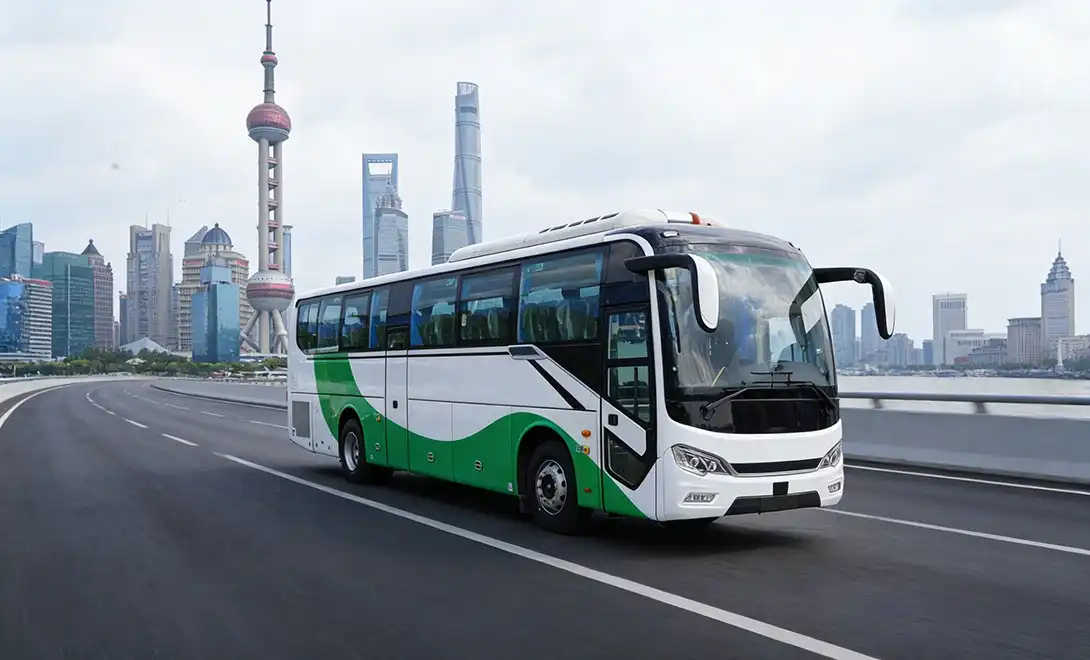
Electric buses usually cost 40% less to maintain than gasoline buses. Mostly, this is because they need less fluid and don't have as many working parts. But when you plan your long-term funds, you need to think about how much it will cost to replace the batteries. During the first few weeks of use, however, guarantee clauses usually calm these worries.
Contract Terms and Customization Capabilities
For most setups, the lead time is between 8 and 16 weeks. Customized specs might take longer, depending on how hard they are to follow. When companies use flexible design, they can often meet specific goals without having to make delivery times much longer.
Some of the things that can be changed are how the seats are laid out, features that make the room easier to get to, temperature control systems, and branding elements. Modern makers make detailed specification tools that help purchasing teams compare different choices while staying within their budgets.
Future Outlook and Strategic Recommendations for Procurement Managers
New technologies and changes in the rules will keep making the electric bus market change. When new chances come up, buying strategies need to change to make the most of them and deal with the risks that come with them in a smart way.
Battery Chemistry Advancement and Performance Evolution
The size, speed, and length of life of next-generation batteries are all very different from the ones that came before them. Most people like lithium iron phosphate batteries because they are safer and last longer. When it's hot, solid-state forms of these cells work better.
Procurement managers should think about how to make changes in the future when they look at the choices they have now. This way, they can be sure that the cars they pick can work with new technologies without having to be completely changed. When it comes to future improvements, companies that make flexible battery systems give you more choices.
Digitalization and Fleet Management Integration
Telematics systems now give full working data, such as trends of how much energy is used, analyses of how people drive, and alarms for fixing problems before they happen. Fleet owners can find the best paths, save money, and improve service if they know this.
You can keep an eye on and control everything from one place with cloud-based fleet management tools that work with operating systems that are already in place. Advanced analytics help find ways to be more productive and help make decisions based on data so that the fleet keeps getting better.
Strategic Partnership Development
When companies build long-term ties with reliable providers, they can use cutting-edge solutions and experts who know their stuff in the field. Members of partnerships that work together can often get better prices, faster shipping, and computer support services that make things run more easily.
This way of working together is shown by JCM's whole industry chain method, which offers full solutions from the beginning of planning to the start of production. Clients, talent, and service providers from around the world can connect on our platform. This makes it easy to make changes fast and create new goods that meet the needs of these markets.
Conclusion
But the 12m Electric Bus Manufacturing business is still changing quickly. This is because of new technologies and eco-friendly worries. People who work in buying have to make tough decisions that take long-term plan goals, performance standards, and costs into account. To be successful, you need to know about new trends, carefully check out your sellers' skills, and build relationships that help your company reach its goals. There will be more fleets that want to use electric buses as batteries get better and charge points get bigger. It's more important than ever to make smart choices about what to buy.
FAQ
What are the primary advantages of 12m electric buses compared to diesel alternatives?
Electric buses are cleaner, quieter, and cost less to run than gas-powered buses because electricity is cheaper than gas. Regenerative stopping systems make brake parts last longer, and there are fewer moving parts, so they need less upkeep. Most of the time, gasoline engines use 300–400% less fuel than diesel engines. People who own fleets will save a lot of money this way.
What are typical lead times for bulk orders of electric buses?
Orders of 10 to 50 units usually take 12 to 20 weeks, but this can be longer or shorter depending on the manufacturer's ability and your specific needs. Larger orders may need more time because of how the production schedule is set up, and custom setups add 4–8 weeks to the usual shipping time. As the seasons change, so can demand patterns. This means that it's important to plan ahead for good buying.
What warranty provisions and after-sales services should I expect?
Batteries have warranties that last for 8–10 years or a certain number of cycles. Full guarantees generally cover important parts for 5 years. After-sales help includes things like technical training, having extra parts on hand, and being able to do repairs from afar. Top companies keep their help lines and field service networks open 24 hours a day, seven days a week to make sure everything runs smoothly.
How do I evaluate manufacturer capabilities for OEM/ODM requirements?
Find out how much the business can make, what its quality standards are (ISO 9001, TS16949), and how it has customized goods in the past. Ask for detailed proof of your skills, like design tools, places to try them, and ways to manage the supply chain. You can learn about how things are made and how quality is checked by going to the manufacturer's website. You can also get feedback from past customers to improve performance.
Partner with JCM for Advanced 12m Electric Bus Manufacturing Solutions
If you want to improve your fleet, JCM can help. Our full 12m Electric Bus Manufacturing skills and way look at the whole industry chain. Every step of the way, from coming up with the first design ideas to making them, we can make sure you get solutions that are perfect for your needs. Both Shiyan and Xiamen are home to our research and development centers. We also have offices in Southeast Asia, the Middle East, and Europe. There are new electric bus choices that we offer. We have strict quality standards and quick customer service. Email our helpful staff at info@jcm-star.com to find out how our tried-and-true production methods and ability to change to your needs can help you reach your long-term goals for sustainable mobility more quickly while also making your business more valuable and efficient.
References
1. Chen, L., & Wang, M. (2023). "Global Electric Bus Market Dynamics and Manufacturing Trends Analysis." International Journal of Sustainable Transportation Technology, 15(3), 234-251.
2. Rodriguez, A., Kim, S., & Thompson, J. (2024). "Battery Technology Advancements in Commercial Electric Vehicle Manufacturing." Journal of Advanced Automotive Engineering, 28(2), 112-128.
3. European Transport Research Institute. (2023). "Comparative Analysis of 12-Meter Electric Bus Performance and Manufacturing Standards." Brussels: ETRI Publications.
4. Zhang, H., Kumar, P., & Anderson, R. (2024). "Supply Chain Innovation in Electric Bus Manufacturing: A Global Perspective." Manufacturing Technology Review, 41(7), 89-105.
5. International Association of Public Transport. (2023). "Electric Bus Deployment Strategies and Manufacturing Requirements for Urban Transit Systems." Brussels: UITP Technical Report Series.
6. Williams, D., Lee, Y., & Patel, N. (2024). "Automation and Quality Control in Electric Vehicle Manufacturing: Case Studies from Leading Producers." Automotive Manufacturing Quarterly, 19(1), 45-62.

Based on your vehicle requirements, we will quickly match the most suitable specifications and provide a competitive quote.
_1755581003287.webp)
Global Customized


_1756108840480.webp)
_1755854765757.webp)