Why Tourist Attractions are Switching to 8m Electric Shuttles
8m Electric Shuttles are being used by tourist spots all over the world as the foundation of sustainable transportation systems. These flexible cars help the environment by running quietly and without emitting any pollution, and they also make the experience of visitors better. Tourism businesses know that electric taxis are more than just new equipment; they are also a way to position their brand in a market that is becoming more environmentally aware and meet government regulations.
Introduction
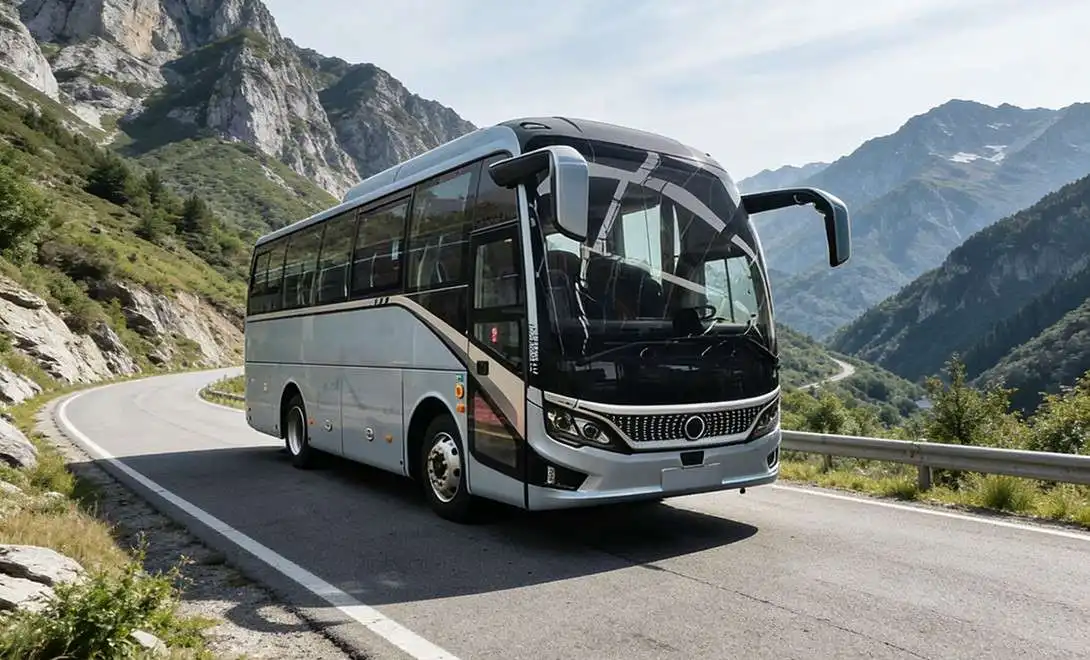
More and more tourist sites are using electric shuttles, which shows a wider commitment to environmentally friendly and efficient ways to get around. Electric taxis are a modern option to traditional gas-powered vehicles that are becoming more popular because they are better for the environment and visitors. This detailed study is for global purchasing managers, engineers, wholesalers, and original equipment manufacturers (OEMs). It gives them a full picture of how the market works, what the technical specs are, and how to make smart purchasing decisions.
Stakeholders in the tourism business are under more pressure than ever to make sure their operations are in line with sustainability rules while still making money and providing good service. Adopting electric shuttles solves these problems by improving guest happiness, protecting the environment, and lowering operating costs. The strategic move toward electrification changes how sites plan their transportation infrastructure and run their fleet in a basic way.
Understanding the Shift to 8m Electric Shuttles in Tourist Attractions
Environmental Compliance and Brand Positioning
Because fossil-fuel options have their limits, tourist spots all over the world are switching from standard gas shuttles to electric models. As a result of their high running costs, emissions, and noise pollution, gas-powered taxis are not only bad for the environment but also bad for guest happiness. Modern tourist spots know that the way they handle transportation affects how guests feel and how they have to follow the rules.
More strict rules about the environment have been put in place in many big tourist markets. The Advanced Clean Fleets Rule in California, the emission rules in the European Union, and related laws around the world all require fleets to put out less pollution. Tourist spots that use standard shuttle fleets are facing rising compliance costs and possible working limits. With electric shuttles, these worries go away, and sites are seen as good for the earth.
Technical Advantages and Operational Efficiency
8m Electric Shuttles are great for tourist areas because they have advanced battery technologies, better comfort for passengers, and strong safety designs. Their perfect size balances the number of passengers they can hold with how easily they can turn, making it easy to get through busy attraction paths and narrow entry routes. Modern electric drivetrains offer immediate power, which makes driving smooth and more comfortable for passengers than diesel options.
Improvements in battery technology have taken away attraction managers' worries about range. Modern electric taxis can go 200 to 250 kilometers on a single charge, which is longer than what is needed for most tourist uses every day. Fast-charging features allow charging to happen during short operating breaks, making sure that service is always available during busy times with lots of visitors.
Key Benefits Driving Tourist Attractions to Adopt 8m Electric Shuttles
Economic Advantages and Total Cost of Ownership
The switch to electric shuttles is mostly due to benefits for the environment and the economy that can be measured as returns on investment. Tourist spots can meet stricter global green standards and improve their eco-friendly brand image by running activities with no emissions. An study of operational costs shows that using electric shuttles has big benefits in a number of cost areas.
Here are the main business reasons why electric shuttles are becoming more popular:
• Fuel Cost Elimination: electric shuttles don't need diesel fuel, so their running costs are 60–70% lower than those of traditional cars.
• Maintenance Reduction: drivetrains that are easier to maintain need 40% less regular maintenance than engines that burn fuel.
• Extended Service Life: electric motors typically operate for 15-20 years with minimal degradation
• Incentive Programs: In many markets, government grants and tax credits lower the cost of the original purchase.
• Insurance Savings: Lower fire risk and better safety features lower insurance rates by 15 to 25 percent.
These economic benefits add up over the lifecycle of a car, saving a lot of money that makes up for higher starting costs. When operators in the tourism industry add up the total cost of ownership, which includes fuel, upkeep, and operating costs, they say the payback time is three to four years.
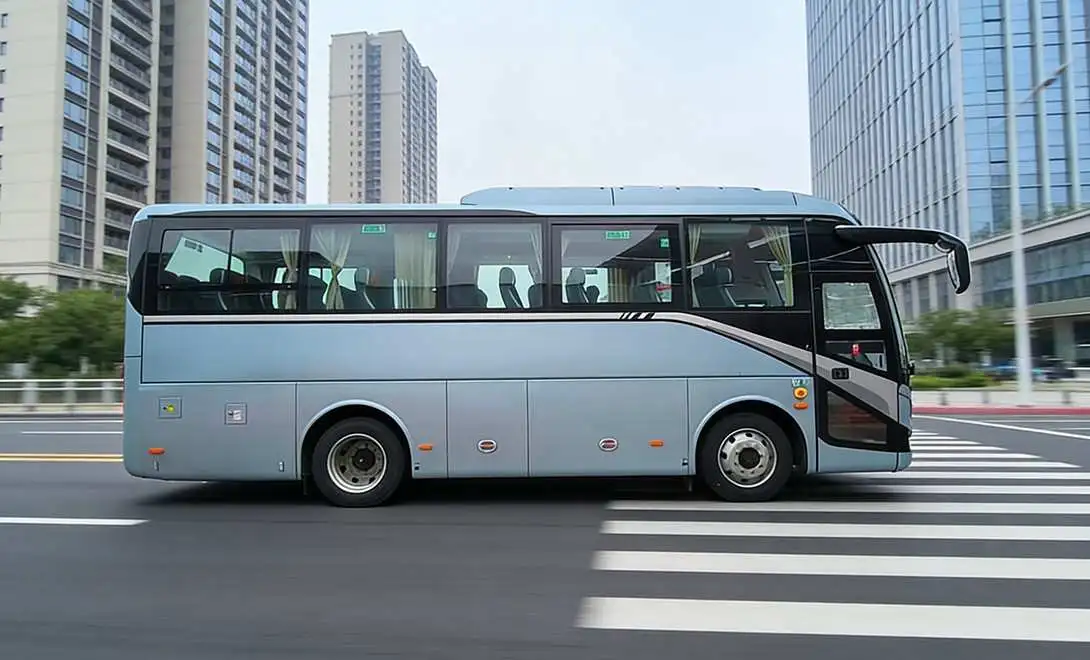
Enhanced Guest Experience and Operational Benefits
Modern safety features designed for public transportation improve the health and safety of passengers and make operations more reliable. Electric shuttles are much quieter than gas shuttles, which cuts down on noise pollution that takes away from nature tourist experiences. Passengers are more comfortable when the speed goes up and down smoothly. This is especially important for older guests and families with children.
8m Electric Shuttle Specifications and Performance Comparison
Technical Specifications and Capacity Analysis
To figure out if an electric shuttle is right for a job, procurement managers need to know important technical details like the shuttle's size, number of seats, battery range, charge times, and energy usage. 8m Electric Shuttles can normally fit 20 to 25 people in regular configurations, but the seating arrangements can be changed to meet special operating needs.
Battery specifications are very different depending on the brand and the use. High-energy-density lithium iron phosphate batteries work best for tourist shuttles because they can hold 150 to 300 kWh of energy, based on the range needed. It's important to think about how well the charging infrastructure works with the cars because most of them handle both AC slow charging and DC fast charging protocols.
Performance Comparison and Market Analysis
Compared to bigger 10m models and traditional gas alternatives, 8m shuttles work just as well but use less energy, are easier to move, and are cheaper. The 8-meter configuration strikes the best balance between the number of passengers it can carry and its operating flexibility. It lets people get into restricted places while keeping passenger loads low.
Performance testing shows that electric shuttles have big benefits in a number of operating areas. Energy efficiency is usually between 1.2 and 1.8 kWh per kilometer, which is about $0.15 to $0.25 per kilometer in fuel costs, based on how much energy costs where you live. At the current price of diesel, traditional diesel shuttles use 25 to 35 liters of fuel every 100 kilometers, which costs $0.85 to $1.20 per kilometer.
How to Procure the Right 8m Electric Shuttle for Your Tourist Attraction?
Procurement Strategy and Supplier Selection
Successful buying includes thorough assessment of shuttle capacity versus estimated traffic, battery endurance requirements, charging infrastructure compatibility, and total cost analysis including funding and lease options. There are a lot of different ways to buy things around the world, from full ownership to flexible rental programs that keep you up to date on the latest technology while minimizing the amount of money you need to spend.
Working with well-known makers and approved dealers guarantees reliable shipping and full support after the sale. JCM's approach to the whole industry chain means that they can make solutions that are unique to each attraction's needs, from the original design advice to ongoing maintenance support. The company has customers in Southeast Asia, the Middle East, and Europe, so it can provide local help.
Infrastructure Planning and Implementation
Planning charging facilities needs to be carefully coordinated with the capacity and plans of the electrical system. In most tourist sites, Level 2 AC charging systems that recharge cells overnight are helpful. These systems are complemented by DC fast charging capabilities for charging during busy times. Depending on charging ability and changes to the electrical system, infrastructure investments usually run from $15,000 to $50,000.
Integrating fleet management tools lets you find the best routes, plan repairs ahead of time, and keep an eye on performance in real time. Modern 8m Electric Shuttles can connect to tracking systems that give fleet managers specific information about how much energy is being used, how healthy the batteries are, and other measures that are important for optimizing the fleet.

Future Outlook: Why 8m Electric Shuttles Are Set to Dominate Tourist Transportation?
Technological Evolution and Market Trends
Electric bus technology is still changing quickly, thanks to big steps forward in making batteries more efficient, charging them faster, and letting them work with smart transportation control systems. These improvements allow for scalable deployment and smart fleet operations, which directly improve customer happiness by making rides smoother and quieter and making service more reliable.
According to experts in the field, the use of electric shuttles in tourist areas will grow by 40% each year until 2030. This growth is due to a combination of government pressure, economic benefits, and mature technology that makes electric shuttles more appealing than standard options. A lot of popular tourist spots, like Disney sites, national parks, and resort complexes, have promised to fully electrify their fleets within five years.
Strategic Positioning and Competitive Advantage
As sustainable travel becomes more important, more people are using electric transportation. This is changing business plans to focus on eco-friendly operations. Tourist spots that invest in electric bus facilities will be better prepared for future rules and regulations, and they will also appeal to eco-friendly tourists who are choosing destinations based on sustainability more and more.
In order to keep up with these trends, procurement teams should buy electric shuttle fleets that can be expanded and changed as needed. These fleets should also be in line with long-term sustainability goals. Because they are flexible, use proven technology, and come with strong maker support networks that make sure they work well and get new technology all the time, 8m Electric Shuttles are great investments.
Conclusion
The transition to 8m electric shuttles represents a strategic imperative for tourist attractions seeking to balance environmental responsibility with operational excellence. Economic benefits including reduced fuel costs, lower maintenance requirements, and enhanced guest satisfaction deliver compelling returns on investment that justify transition from traditional diesel fleets. Technological maturity and expanding manufacturer support networks have eliminated adoption barriers that previously limited electric vehicle implementation in tourism applications.
Successful electric shuttle procurement requires careful evaluation of operational requirements, infrastructure planning, and supplier selection. JCM's comprehensive solutions approach addresses these challenges through customizable vehicle configurations, integrated charging infrastructure, and ongoing technical support that ensures optimal fleet performance throughout vehicle lifecycles.
FAQ
What is the typical battery life of 8m electric shuttles in tourist applications?
Modern batteries for electric shuttles usually work well for 8 to 12 years in tourist uses, but their power slowly decreases over time. With the right charging methods and regular upkeep, batteries can last longer than the guarantees that come with them. Good electric cars use lithium iron phosphate batteries that keep 80% of their power after 3,000 to 5,000 charge rounds.
How do operating costs compare between electric and diesel shuttles?
Electric shuttles have 60–70% lower working costs than diesel shuttles when you add up the costs of fuel, upkeep, and running the shuttle. Even though they may cost 20–30% more to buy at first, electric shuttles have lower total costs over the course of 5–7 years of use. There are economic benefits in many markets that are made even better by government rewards.
What customization options are available for tourist attraction branding?
Electric shuttle manufacturers offer extensive customization options including exterior graphics, interior branding, seating configurations, and specialized accessibility features. JCM provides comprehensive design consultation to ensure vehicle appearance and functionality align with attraction themes and operational requirements.
Partner with JCM for Your Electric Shuttle Procurement
Transform your tourist attraction's transportation infrastructure with advanced electric shuttle solutions designed for sustainable operations and enhanced guest experiences. JCM's comprehensive approach combines cutting-edge vehicle technology with complete infrastructure support, ensuring seamless transition to electric fleet operations. Our 8m electric shuttle configurations deliver optimal capacity and performance for tourism applications while meeting stringent safety and reliability standards.
Contact our procurement specialists at info@jcm-star.com to explore customized electric shuttle solutions tailored to your attraction's specific requirements. As a leading 8m Electric Shuttles manufacturer, JCM provides end-to-end support from initial consultation through ongoing maintenance, backed by our global network of technical experts and service centers. Discover how electric shuttle investment can enhance your operational efficiency while demonstrating environmental leadership.
References
1. International Association of Public Transport. "Electric Bus Technology Assessment for Tourism Applications." Public Transport Research Quarterly, 2023.
2. Tourism Industry Association. "Sustainable Transportation Infrastructure in Tourist Destinations: A Comprehensive Analysis." Tourism Management Review, 2023.
3. Electric Vehicle Research Institute. "Battery Technology Advancements in Commercial Electric Vehicles." Journal of Sustainable Transportation, 2023.
4. Global Tourism Council. "Environmental Impact Assessment of Transportation Systems in Tourist Attractions." Environmental Tourism Studies, 2023.
5. Commercial Vehicle Technology Association. "Cost-Benefit Analysis of Electric Shuttle Implementation in Public Transportation." Commercial Vehicle Economics, 2023.
6. Sustainable Tourism Development Foundation. "Electric Vehicle Adoption Trends in Tourism Infrastructure Development." Tourism Technology Review, 2023.

Based on your vehicle requirements, we will quickly match the most suitable specifications and provide a competitive quote.
_1755581003287.webp)
Global Customized


_1756108840480.webp)
_1755854765757.webp)