400HP Diesel 14m Coach for Commercial Fleet Growth
For commercial fleet owners looking for long-term growth, the 400HP diesel 14m commercial coach is a smart investment. These strong vehicles can carry the most people while still using the least amount of gas. They are reliable and can be expanded, which is important for transportation businesses that want to grow. With their strong diesel engines and high-tech safety features, these coaches make it possible to run profitable businesses on a wide range of routes.
Understanding the Core Dimensions and Specifications of a 400HP Diesel 14m Coach
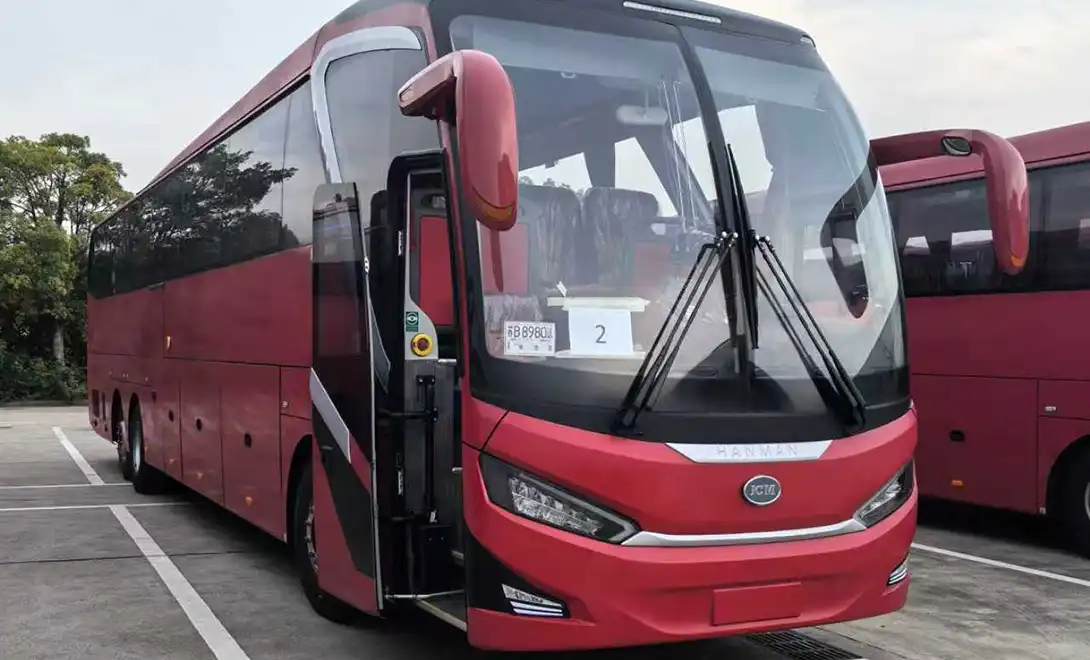
As a business passenger transport vehicle, a 14-meter 400HP diesel coach strikes the perfect balance between size and power. The actual measurements are usually 14 meters long, 2.5 to 2.55 meters wide, and 3.2 to 3.8 meters high, but this depends on how the structure needs to be set up. These specs have a direct effect on how easily the vehicle can move through cities while still carrying as many people as possible.
Engine Performance and Fuel Efficiency Standards
The powerful 400HP diesel engine is what drives these industrial vehicles. It produces a lot of torque while still using only 25 to 30 liters of fuel per 100 kilometers in normal conditions. Modern engines that meet Euro VI standards have improved injection systems and turbocharging technology that make burning more efficient. These engines make about 1,900 Nm of torque, which lets the car speed up smoothly even when it's full of people and stuff.
Fleet owners save money because newer coaches use less fuel than older ones, which lowers their operating costs. The electronic engine control systems keep an eye on performance factors all the time, changing when and how much fuel is delivered to keep the engine running at its most efficient level in all kinds of driving situations.
Passenger Capacity and Interior Configurations
Depending on the amount of comfort and accessibility needs, standard seating setups can fit anywhere from 45 to 55 people. Premium options have bigger aisles, more headroom, and ergonomic sitting designs that keep passengers from getting tired on long trips. Climate control systems use multi-zone HVAC units with individual settings for each passenger to keep the inside of the car at a comfortable temperature.
LED lighting systems, USB charging ports, WiFi connection, and entertainment systems that make the ride better for passengers are common interior comforts. People are happier with these features, which helps business owners set higher prices and keep customers happy.
Advanced Safety and Control Systems
Modern safety technologies like Anti-lock Braking Systems (ABS), Electronic Stability Control (ESC), and improved driving aid features are built into these coaches. Accidents can be avoided with lane departure warning systems and crash prevention technology, which also help fleet owners save money on insurance. Electronic braking systems always work the same way, even when the load is different or the weather is bad.
Why 400HP Diesel 14m Coaches Are Ideal for Commercial Fleet Growth?
For commercial transportation needs, vehicles must be able to consistently perform well in a variety of working situations while still being cost-effective. The 14m commercial coach meets these needs because it has been shown to be reliable and has a range of operating options that help businesses grow.
Versatility Across Multiple Service Applications
These coaches are great for long-distance trips between cities, business shuttle services, and transporting tourists. Their long range—usually more than 600 kilometers on a single tank of fuel—means they don't have to make frequent stops to refuel, which can mess up passenger plans. Because the luggage trunks are big, they can hold a lot of stuff, which makes them good for tour activities and airport transfers. When fleet managers need to change the services they offer based on seasonal demand patterns or new market options, being able to change routes quickly is a big plus. The coaches work just as well on highways as they do in cities, giving them operating flexibility that smaller cars can't match.
Superior Range and Infrastructure Compatibility
Diesel fuel infrastructure is still widely available in North American markets, so there are always safe ways to refuel along well-traveled paths. When compared to alternative fuel technologies, which may have limited refueling networks in some areas, this infrastructure edge gives operating security. Being able to accurately predict fuel costs lets businesses make accurate budgets and set prices. The longer operating range means that drivers don't have to make as many stops, which keeps passenger comfort levels high. This speed leads to more reliable schedules and higher customer happiness levels, which help the business reach its growth goals.

Lower Total Cost of Ownership Analysis
A full cost study shows that this vehicle has big benefits over several smaller ones that carry the same number of passengers in terms of maintenance costs, fuel use, and depreciation rates. For big services, maintenance times are usually between 20,000 and 25,000 kilometers. This cuts down on downtime and the money that is lost because of it. Service delays are kept to a minimum by the supply of parts through established dealer networks. When you run a few bigger cars instead of a bunch of smaller ones, your insurance costs per passenger-kilometer often go down, which helps you make more money. The prices of used items stay stable because smaller companies and buyers from other countries always want to buy them on secondary markets.
How to Choose the Right 14m Commercial Coach for Your Fleet
To choose the right commercial teachers, you need to carefully look at a number of professional and financial factors that will affect the business's long-term success. To make sure that new fleet management systems work with current ones, procurement managers have to find a balance between the need for beginning capital and operational efficiency goals.
Critical Evaluation Criteria for B2B Procurement
The most important things to look at when choosing an engine are its specs, especially its horsepower numbers, torque curves, and how much fuel it uses under normal conditions. There are three types of transmissions: manual, automated manual, and automatic. Each has its own benefits, which rely on the driver's skill level and the conditions of the route. Suspension systems affect how comfortable passengers are and how long a vehicle lasts. This is especially important for trips with rough road conditions.
Seating arrangements need to match the types of people who will be riding and the lengths between stops. Business-class plans with more space charge higher prices but can't hold as many people. Standard setups help you make the most money on trips with a lot of demand where comfort isn't as important. Different operating areas have different safety certifications and licensing standards, so it's important to check the rules carefully. In the United States, DOT compliance includes special rules for commercial passenger cars that change how the vehicles are equipped and how they are operated.
Purchase Versus Leasing Financial Considerations
Capital expenditure plans affect the best way to buy things for teams that are growing. Buying gives you long-term ownership of an item that might have resale worth, but it costs a lot up front. Leasing plans lower the amount of money you need to pay up front and give you access to newer technology and warranty support for the length of the lease.
The tax effects of buying and leasing are very different, which changes how you figure out the total cost. The benefits of owning something may make up for higher starting costs, especially for businesses that have been around for a while and have a steady flow of cash. Leasing fees make monthly costs more regular, which helps growing businesses plan their budgets.
Manufacturer Selection and Service Support Networks
When it comes to getting parts and expert support, makers that have been around for a long time and have large dealer networks are very helpful. Putting service centers near major ways of operation cuts down on downtime when repairs or maintenance are needed. Training programs for repair staff make sure that the right steps are taken to fix vehicles in a way that makes them more reliable and protects the guarantee. The level of technical paperwork affects how well maintenance is done and how well problems can be fixed. Support tools that are available in multiple languages help foreign workers keep up with service standards, no matter how technical the local staff is.
Comparison of Leading 400HP Diesel 14m Coach Models on the Market
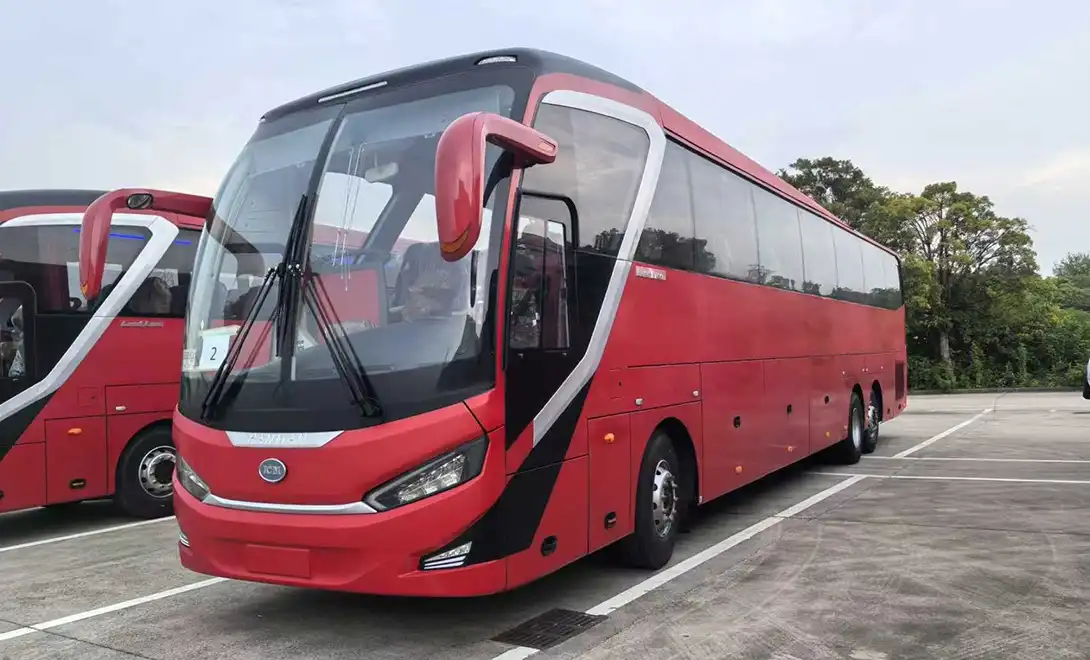
The commercial coach market features several prominent manufacturers offering competitive 14m commercial coach models with varying specifications and pricing structures. When procurement teams know about these differences, they can make better choices that meet business needs and stay within their budgets.
Performance Specifications and Reliability Metrics
Leading manufacturers usually make engines that have between 380 and 420 horsepower and 1,800 to 2,100 Nm of torque, based on the purpose. Fuel consumption changes from brand to brand because of how efficient the engines are, how agile they are designed, and how weight is optimized. Independent testing shows that similar models can use up to 15% more or less fuel when the conditions are the same.
Statistics on reliability from business users show big differences in how often parts need to be maintained and how long they last. Even though they cost more at first, premium makers usually have lower total upkeep costs. Mean time between failures for important parts like engines and transmissions has a direct effect on business success by lowering the cost of downtime. Customer feedback polls from fleet operators regularly show how important it is for owners to rate the quality of dealer help and the availability of parts. When buying something, these things often matter more than small differences in technical specs.
Cost of Ownership and Operational Expenses
To get a full picture of the total cost of ownership, you need to add up the costs of fuel, repairs, insurance, and the rate of decline over the usual 10 to 12 years of use. Differences in fuel economy of 2 to 3 liters per 100 kilometers add up to big price changes over the life of a car, especially with the way diesel fuel prices are going right now.
Maintenance costs change a lot from one maker to the next. For example, some manufacturers need services more often but charge less per service. Others have longer repair gaps and cost more to maintain individually. These trends change how you need to plan your cash flow and your operations' schedules. The cost of insurance is partly based on how safe a model is and how many claims it has had in the past. Some makers have better safety records, which means that fleet owners can get lower insurance rates.
New Versus Pre-Owned Vehicle Considerations
When buying a used coach, you can save money at first, but you need to carefully check the past of upkeep and the remaining service life. When looking to expand your fleet on a budget, vehicles with full service records from reputable companies are often the best bet. But warranty coverage limits and possible secret upkeep problems pose financial risks. You get full maker warranties and the newest safety features when you buy a new car, but you have to spend a lot of money on it. Manufacturer programs that offer financing often have low interest rates and open payment plans that make it easier to handle cash flow.
Strategic Recommendations for Procurement and Fleet Integration
Successful fleet growth requires coordinated planning that aligns vehicle specifications with operational objectives while establishing reliable support networks. The 14m commercial coach segment offers numerous opportunities for strategic partnerships that enhance long-term competitiveness.
Route Optimization and Operational Planning
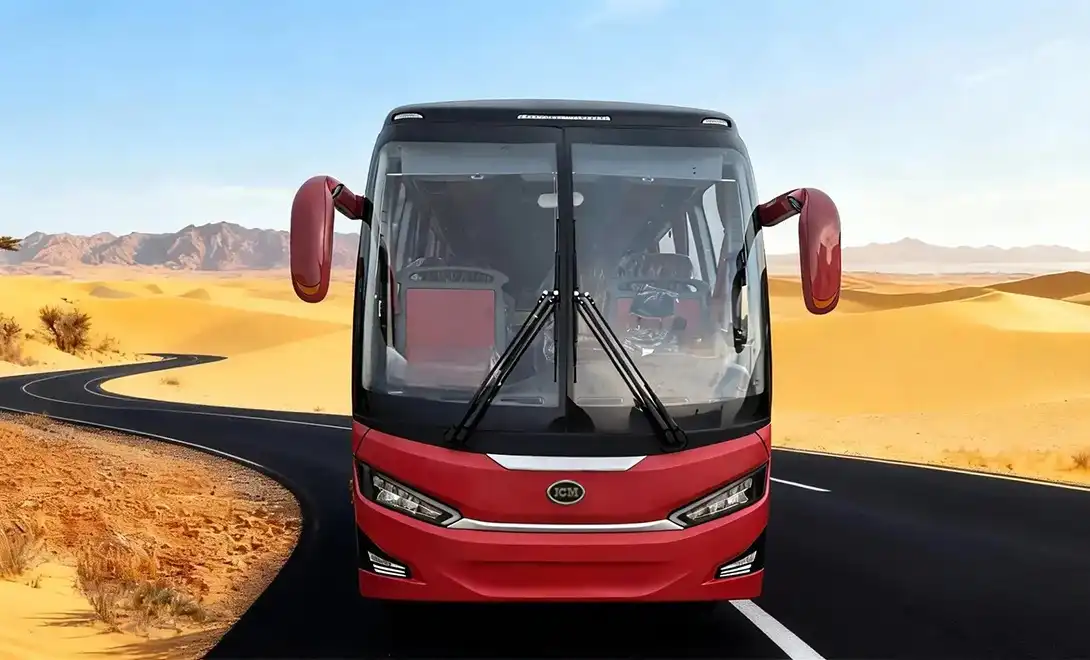
Planning routes well makes the most of the time savings that come with running larger coaches while still making sure that passengers are comfortable. 14-meter coaches are especially useful for routes longer than 200 kilometers because they have a longer range and more comfortable seats. Scheduling freedom is improved when each vehicle can carry a range of passengers without needing multiple smaller units.
Traffic pattern research helps find the best times to leave so that you dodge traffic and use the least amount of gas. GPS-based fleet management tools let you keep an eye on performance in real time and suggest the best routes, which cuts down on running costs. Seasonal changes in demand call for flexible capacity management, which is made easier by the fact that bigger cars can easily serve more than one type of route. This makes it less necessary to buy specialist vehicles that may only be used a few times a year.
Supplier Network Development and Parts Management
Building ties with dependable parts suppliers guarantees access to original parts that keep the car running smoothly and protect the warranty. Regional distribution centers cut down on the time it takes to send important parts, and big buying deals save money. Having access to emergency parts is very important for keeping the plan on track during busy times.
Partnerships with maintenance facilities let you use specialized tools and trained workers without having to spend a lot of money on new service infrastructure. These connections are especially helpful for smaller businesses that can't afford to have their own repair centers. Maintenance staff are trained in the right way to do their jobs so that parts last as long as possible and safety standards are met. Manufacturer certification programs give you respect with insurance companies and government agencies that oversee products, and they also make sure you can get expert help.
Long-term Partnership Strategies and Growth Planning
Strategic relationships with well-known makers like JCM give you access to technical know-how and the ability to customize products that meet your specific needs. Because of these partnerships, companies can quickly take advantage of market possibilities by offering flexible product configurations and shipping times. Working together to plan ahead can help you predict how new rules and technologies will affect car specs in the future.
Market growth plans work better when manufacturers help them in new areas by introducing them to dealers and making sure they follow the rules. Companies that have global service networks and can provide support in more than one language are especially helpful for businesses that do business internationally.
Conclusion
The 400HP diesel 14m commercial coach represents a proven solution for commercial fleet growth, combining operational efficiency with passenger comfort in a reliable platform. These vehicles provide the foundation for sustainable business expansion through their versatility, fuel efficiency, and established support infrastructure. Success depends on careful supplier selection, comprehensive cost analysis, and strategic planning that aligns vehicle capabilities with market opportunities. The investment in quality coaches from experienced manufacturers creates lasting competitive advantages that support long-term profitability and growth objectives.
FAQ
What is the typical fuel consumption for a 400HP diesel 14m coach?
Fuel consumption typically ranges between 25-30 liters per 100 kilometers under normal operating conditions. Actual consumption varies based on route characteristics, passenger loads, driving patterns, and vehicle maintenance standards. Highway operations generally achieve better efficiency than urban stop-and-go conditions.
How many passengers can a 14m commercial coach accommodate?
Standard configurations seat between 45-55 passengers, depending on comfort levels and accessibility requirements. Premium layouts with enhanced legroom reduce capacity to approximately 40-45 seats, while high-density configurations can accommodate up to 59 passengers in certain jurisdictions.
What maintenance intervals are recommended for commercial coach operations?
Major service intervals typically occur every 20,000-25,000 kilometers or annually, whichever comes first. Daily pre-trip inspections, weekly fluid checks, and monthly safety system checks help prevent unexpected breakdowns and maintain warranty coverage.
How do 14m coaches compare to smaller 12m models for commercial operations?
Larger coaches provide superior passenger capacity and luggage space while achieving better fuel efficiency per passenger-kilometer. However, they require more experienced drivers and may face restrictions on certain routes due to length limitations in some jurisdictions.
Partner with JCM for Your 14m Commercial Coach Requirements
Ready to transform your commercial transportation operations with reliable, high-performance coaches? JCM specializes in customized automotive solutions and comprehensive support for commercial fleet operators. Our extensive experience with 14m commercial coach manufacturing and whole industry chain integration ensures optimal vehicles for your specific requirements. We provide complete solutions from initial design through production line setup, parts supply, and ongoing technical support. Contact our procurement specialists at info@jcm-star.com to discuss your fleet expansion plans and discover how our customization capabilities can enhance your competitive advantage as a leading 14m commercial coach manufacturer.
References
1. International Association of Public Transport. "Commercial Bus Operations and Fleet Management Best Practices." Public Transport Research Institute, 2024.
2. Society of Automotive Engineers. "Heavy-Duty Diesel Engine Performance Standards and Testing Protocols." SAE Technical Publications, 2023.
3. American Bus Association. "Motor Coach Safety and Operational Standards for Commercial Carriers." Transportation Safety Council, 2024.
4. Commercial Vehicle Safety Alliance. "Annual Review of Commercial Vehicle Inspection and Maintenance Requirements." CVSA Technical Report, 2023.
5. International Road Transport Union. "Global Commercial Vehicle Market Analysis and Future Trends." IRU Economic Research Division, 2024.
6. National Institute for Occupational Safety and Health. "Ergonomic Guidelines for Commercial Passenger Vehicle Design." NIOSH Publication Series, 2023.

Based on your vehicle requirements, we will quickly match the most suitable specifications and provide a competitive quote.
_1755581003287.webp)
Global Customized


_1756108840480.webp)
_1755854765757.webp)