Why Cities Are Switching to Electric Public Transport
Cities all over the world are putting in place electric public transportation systems because they know that clean mobility solutions can change everything. Electric public transportation is a big change from diesel-powered buses, trains, and other types of transit vehicles because they run on batteries and produce no direct pollution. This change helps with important problems in cities, like making the air better, lowering noise, and lowering running costs. It also helps with longer-term environmental goals and following rules.
Introducing Electric Public Transport and Its Benefits
Electric public transportation includes a wide range of car types that use modern electric propulsion technologies to change the way people get around cities. The ecology includes battery-electric buses, trolleybuses, light rail systems, and specialty vehicles like electric passenger tricycles that help people get from one place to another in crowded cities.

Core Technology Components
Powertrain designs that include high-capacity battery packs, efficient motor controls, and regenerative braking systems are what make modern electric transit systems work. During operating cycles, battery management systems keep an eye on cell performance and temperature to make sure that the most energy is being used efficiently. These cars usually have lithium-ion batteries with capacities between 200kWh and 400kWh. This means that they can go between 150 and 300 kilometers on a single charge, based on the route and the number of people riding.
Environmental and Operational Advantages
Compared to traditional options, electric transit cars are much better for the earth. Studies show that when electric buses are driven by renewable energy sources, they cut greenhouse gas emissions by 70–80% and get rid of local air pollutants that cause smog and health problems for people with breathing problems. The amount of noise pollution goes down a lot, and during acceleration and driving, electric cars make 10-15 decibels less noise than diesel vehicles.
Operational cost structures support electric solutions because they use less fuel and are easier to maintain. With an electric motor, you don't have to change the oil, service the transmission, or fix the exhaust system like you do with an internal combustion engine. When compared to diesel cars, fleet owners say that maintenance costs are 40–60% lower for electric motors, which only need to be inspected and updated software on a regular basis.
Comparison of Electric Public Transport Versus Traditional Alternatives
By knowing how different propulsion technologies work, you can make smart buying choices that are based on your specific working needs and long-term strategic goals.
Total Cost of Ownership Analysis
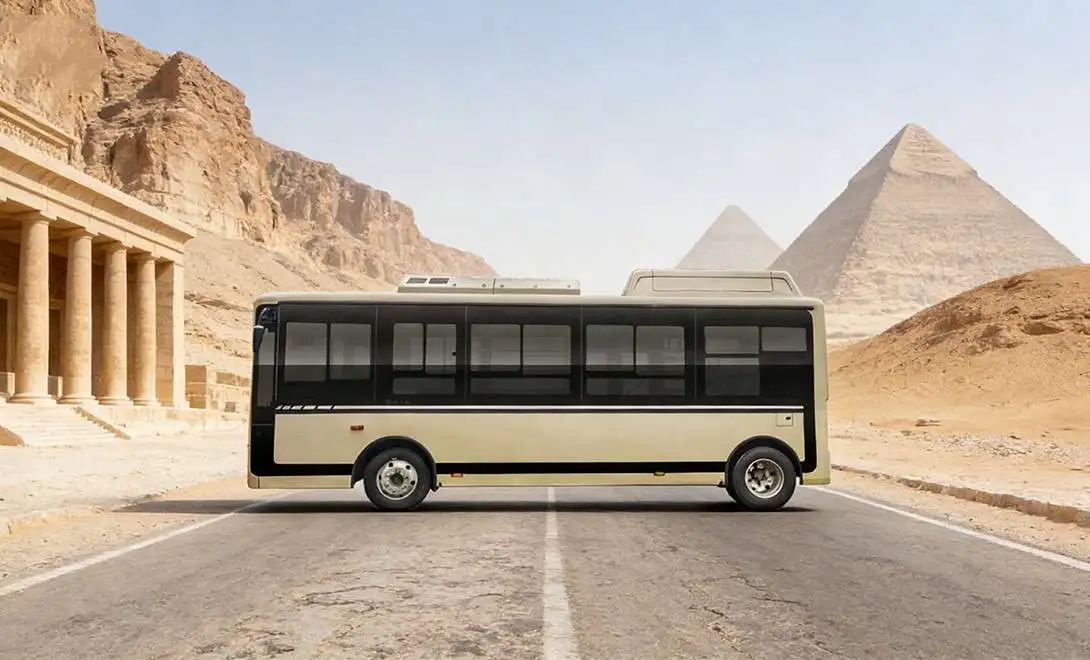
Electric vehicles require a higher upfront investment, typically costing 1.5 to 2 times more than a comparable diesel bus. However, a comprehensive lifecycle analysis reveals strong economics over an 8–12 year operating period. While diesel fuel costs $0.40 to $0.60 per kilometer, electricity costs only $0.15 to $0.25 per kilometer, enabling high-mileage routes to achieve substantial savings. Furthermore, battery replacement costs, once a major concern, have fallen by 85% since 2010. Advances in energy efficiency have also extended vehicle range and reduced charging frequency, accelerating the adoption of electric public transportation.
Performance and Reliability Metrics
Electric buses have better torque delivery qualities, which makes acceleration smoother and customer comfort better during stop-and-go city operations. When backed by the right charging facilities and preventative maintenance practices, modern electric transit cars have utilization rates of over 95%, which is about the same as diesel fleets. Advanced heat control systems keep batteries working well in temperatures as low as -20°C, which means they work better in cold weather.
Hydrogen fuel cell options can go farther, but they need a lot of infrastructure investment and have problems with how much it costs to store and distribute hydrogen. While hybrid systems are helpful in the short term, they still have the difficulty of dual engine technologies and can't meet zero local emissions goals.
Procurement Considerations for Electric Public Transport Fleets
To successfully buy an electric fleet, you need to carefully look at the technical specs, the supplier's skills, and the long-term support systems that will make sure the vehicles work well for their entire lives.
Technical Specification Requirements
Procurement teams need to set clear performance standards, such as the number of passengers that can fit, the operating range, the ability to charge other devices, and the efficiency of the temperature control. Battery specs should match route patterns, taking into account things like changes in slope, the number of passengers, and the extra power that heating and cooling systems need. Compatibility with charging infrastructure makes sure that it works well with current or planned station facilities.

For certain uses, like transporting tourists, providing services between cities, or making trips easier for people with disabilities, vehicles need to be able to be customized. Electrical passenger tricycles, which are regulated under L5e rules, provide unique ways to meet people in the last few kilometers. They can travel 80 to 140 kilometers and can hold up to six people. These cars have 1000W–3000W brushless DC motors and 60V–72V electricity systems that are designed to work best in cities where traffic stops and starts often.
Supplier Evaluation and Selection Criteria
Suppliers you can trust have a history of making things, quality certifications like ISO 9001 and TS16949, and large networks of people who can help you after the sale. The warranty should cover performance promises for the battery, usually for 8 to 10 years or up to a certain amount of energy preservation. Technical support, extra parts, and training programs help keep the fleet running smoothly and reduce the risk of downtime.
Assessing a supplier's financial health and production capacity helps find ones that can increase transport volumes to meet deadlines for purchases. Manufacturers that have been around for a while and have global service networks give trust for foreign deployments and the growth of long-term partnerships.
Real-World Impact and Case Studies of Electric Public Transport
Cities that implement electric public transportation report improvements in air quality, operational efficiency, and passenger satisfaction, even as they navigate the challenges and infrastructure investments required for the transition.
Successful Implementation Examples
Los Angeles Metro runs more than 2,000 electric buses on a wide range of routes. Compared to diesel buses, these buses are 95% more reliable and cost 35% less to run. The method uses overnight charging at the depot along with charging opportunities along the way to keep service plans without limiting range. According to polls of passengers, the ride quality has gotten better and comments about noise in residential areas have gone down.
Operational Challenges and Solutions
In order to keep operations running smoothly, charging infrastructure rollout needs to be carefully coordinated between energy providers, facility managers, and vehicle plans. Smart charging systems that make the best use of electricity during off-peak hours are one way to handle peak demand. This lowers utility costs and the effect on the grid. In harsh conditions, managing the temperature of the batteries becomes very important. This means that HVAC systems must keep the cars at the right temperature while keeping passengers comfortable.
Driver training programs teach students how to operate electric and gas-powered cars differently, with a focus on regenerative braking and fuel-efficient driving. To make sure that service methods are safe and efficient, maintenance staff need to be trained in high-voltage systems and battery diagnostics.
Government Policies and Infrastructure Supporting Electric Public Transport
The adoption of electric public transportation is accelerated by regulatory frameworks and incentive programs that provide financial support and infrastructure development projects, which lower the barriers to implementation.
Policy Incentives and Funding Programs
Through programs like the Low or No Emission Vehicle Program, the Federal Transit Administration gives cash funds that cover up to 80% of the cost of buying an electric bus. At the state level, benefits include utility refunds for installing charging infrastructure and faster permit processes for making changes to depots. Transit companies that run trucks with zero emissions can make more money through carbon credit programs.
Infrastructure Development Strategies
To get the most out of charging stations and keep installation costs as low as possible, charging infrastructure planning needs to take into account the electrical grid's capacity, the plans for vehicles and the shape of the charging stations. For overnight charging, depot charging systems usually use 50–150kW of power, while on-route options use 150–450kW of power for fast charging to keep up with service plans. Strategies for integrating renewable energy into the grid include buying energy storage systems that lower peak demand charges and getting renewable energy.
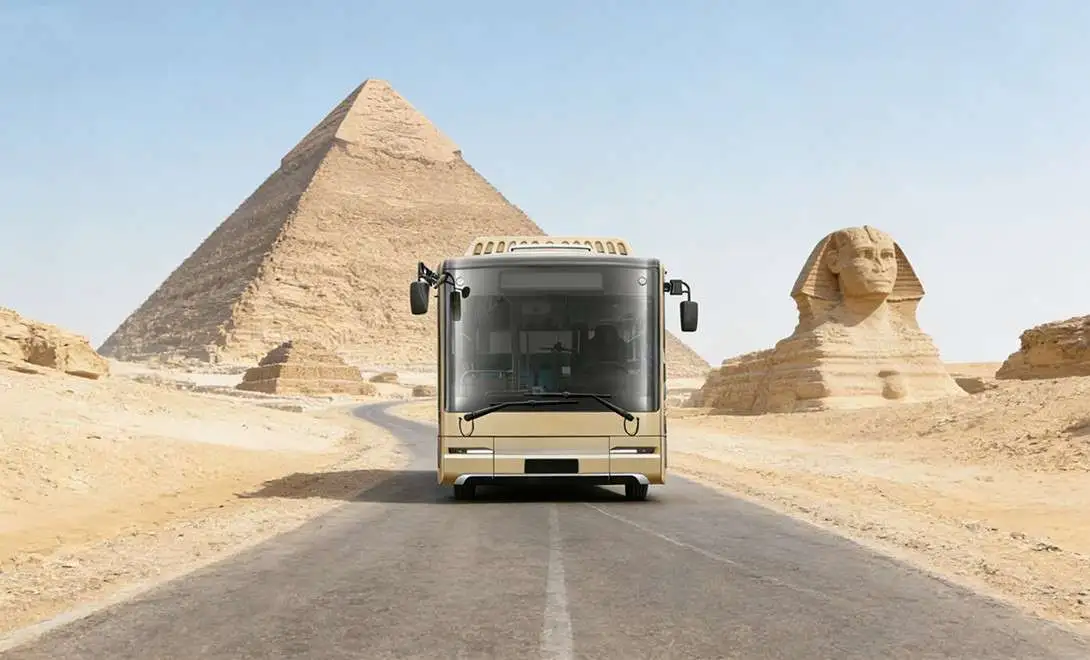
Standardization efforts encourage charging equipment and car systems to work with each other. This lowers the risk of being locked into one seller and allows for more competitive buying. Industry norms, like the Combined Charging System (CCS), make sure that systems from different manufacturers work with each other and make it easier to update technology in the future.
Conclusion
For cities and fleet owners, electric public transportation is a smart chance to meet environmental goals while also lowering costs and making service better. To make adoption work, technical details, choosing a provider, and planning infrastructure that fits with long-term transit goals need to be carefully thought out. Better battery technology, helpful government policies, and proven operational benefits all work together to make it easier for electric fleets to be used in a wide range of market groups and areas.
FAQ
Q1: What are the cost advantages of electric buses over diesel fleets?
A: When compared to diesel buses, electric buses usually have lower operating costs by 40 to 60% because they use less fuel and require less upkeep. Even though the starting prices are 1.5 to 2 times higher, the total cost of ownership study over 8 to 12 years shows that the economics are good, especially for high-mileage urban routes where electricity costs about $0.15 to $0.25 per kilometer and diesel costs about $0.40 to $0.60 per kilometer.
Q2: How long do batteries last and what are replacement costs?
A: Modern lithium-ion batteries made for train use usually last between 8 and 12 years or keep 80% of their power after 3,000 to 4,000 charges. The price of replacing batteries has gone down by 85% since 2010, and now they cost between $150 and $200 per kWh of energy. Most makers offer warranties that cover battery efficiency guarantees during the first few months of use.
Q3: What government funding programs are available for electric transit procurement?
A: Through the Low or No Emission Vehicle Program, the Federal Transit Administration gives cash funds that cover up to 80% of the cost of buying an electric bus. Utility refunds at the state level, EPA grants to lower diesel pollution, and infrastructure investment programs that help with charging station installation and grid upgrades are some other sources of funding.
Q4: How do electric vehicles perform in extreme weather conditions?
A: Modern electric transit cars have advanced thermal control systems that keep the batteries working well in ranges from -20°C to 50°C. In cold weather, activities may be limited by 15 to 25 percent, but heating systems use the least amount of energy possible while keeping passengers comfortable. Diesel cars, which make a lot of engine heat, have higher cooling loads, which hurts performance in hot climates.
Q5: What charging time is required for electric buses?
A: Charging time depends on how much power is available and how much power the battery has. Using 50–150kW equipment, depot charging systems usually need 3–6 hours to fully charge. Fast charging stations, on the other hand, can recover 80% capacity in 30–45 minutes using 150–450kW power levels. Charging plans are built into route planning so that service frequency is maintained without any working breaks.
Contact JCM for Your Electric Public Transport Solutions
JCM specializes in making and customizing electric public transportation systems that meet the needs of a wide range of fleets around the world. Our unified method includes designing vehicles, building production lines, and providing technical support to offer full solutions for electric bus companies, specialized transit vehicles, and the infrastructure systems that support them.
We have been a producer of electric public transportation for a long time and can do everything from making batteries (with a capacity of 100 MWh per year) to putting together full vehicles (with a capacity of 2,000 units per year). We can customize electric passenger tricycles, urban feeder vehicles, and other transportation options that need to meet unique operating and regulatory needs.
Email our engineering team at info@jcm-star.com to talk about your needs for buying electric transit and to look into custom solutions that will improve performance, cut costs, and speed up your move to environmentally friendly transportation systems.
References
1. International Association of Public Transport. "Electric Bus Market Analysis and Growth Projections 2024." Public Transport Research Institute.
2. American Public Transportation Association. "Battery Electric Bus Technology Assessment and Implementation Guidelines." Transit Cooperative Research Program Report 195.
3. Clean Transportation Program. "Total Cost of Ownership Analysis for Electric Transit Buses: A Multi-City Comparative Study." University of California Transportation Center.
4. Federal Transit Administration. "Low or No Emission Vehicle Program: Implementation Results and Best Practices Report 2023." U.S. Department of Transportation.
5. International Energy Agency. "Global Electric Vehicle Outlook: Commercial Vehicle Adoption Trends and Policy Analysis." IEA Publications.
6. Transportation Research Board. "Electric Bus Charging Infrastructure Planning and Design Standards." National Academy of Sciences Engineering and Medicine.

Based on your vehicle requirements, we will quickly match the most suitable specifications and provide a competitive quote.
_1755581003287.webp)
Global Customized


_1756108840480.webp)
_1755854765757.webp)