49-Seat 12m Electric Coaches for Intercity Highway Routes
Today's transportation problems need creative answers that strike a mix between environmental duty and operational efficiency. One 12m electric coach that can hold 49 people is the best way for fleet owners to meet these needs, making it the best choice for medium-capacity intercity lines. The range of these cars is amazing, they have low operating costs, and they produce no pollution, so they meet ever stricter environmental rules. Advanced battery technology and advanced energy management systems make electric coaches stable on a wide range of traffic conditions. This makes them a smart investment for transportation companies that want to grow and improve their operations in the long term.
Understanding the Specifications and Performance of 49-Seat 12m Electric Coaches
Electric cars made for interstate highway use advanced engineering that makes them as efficient as possible while also making sure passengers are safe and comfortable. For buying managers looking at long-term fleet purchases, it's important to understand these technical specs.

Battery Technology and Energy Systems
Lithium iron phosphate (LiFePO4) battery packs with capacities between 350 and 500 kWh are common in modern electric cars. Depending on the geography, weather, and driving habits, these high-capacity battery packs can power vehicles for 250 to 350 kilometers on the highway. Modern battery management systems keep an eye on cell temperatures, voltage levels, and charging cycles to get the most out of the batteries and make them last longer than 8 to 10 years in regular circumstances.
A 12m electric coach uses an average of 1.2 to 1.5 kWh of electricity per kilometer when it is on the highway. When compared to diesel alternatives, this efficiency means big cost saves, especially since energy rates don't change as much as fuel prices do. When you slow down, regenerative braking systems collect kinetic energy. This makes the system 15-20% more efficient, which is helpful in urban hubs where traffic is often stop-and-go.
Performance and Range Capabilities
The way electric coaches work on highways shows that the technology is fully developed. These cars keep their speeds steady between 80 and 90 km/h and keep their battery life high by managing their powertrains more efficiently. Climate control systems use heat pump technology to keep passengers comfortable all year long while using as little energy as possible.
Charging infrastructure support means that the car can be charged overnight using either DC fast charging (150–250 kW) or AC charging. DC fast charging can restore 80% of a battery's power in 45 to 90 minutes, which makes it possible for port facilities to turn vehicles around quickly. Overnight AC charging is a cost-effective way to replenish energy during off-peak power rates, which greatly lowers running costs.
Maintenance and Operational Benefits
Maintenance for electric drivetrains is a lot less than maintenance for gas engines. Maintenance costs are cut by 40 to 60 percent a year because oil changes, filter refills, and complicated transmission service are not needed. Regenerative stopping systems make it so that brake pads don't need to be replaced as often, and electric motors often last over 500,000 kilometers with little maintenance.
Case studies from European operators show that success stays the same in a range of working situations. Electric coaches on German intercity lines are reported to be reliable 99.2% of the time, and companies in Scandinavia report similar results, even though winter weather can be tough. These practical details show that the technology is ready for use in demanding business settings.

Comparing 12m Electric Coaches with Traditional and Alternative Fuel Buses
The transportation business has to make important choices about how to update their fleets. A close look at the differences and similarities between electric, diesel, and hybrid options shows clear benefits that affect purchasing choices in various working situations.
Cost Structure Analysis
When compared to conventional options, electric vehicles have distinct cost structures. The initial purchase price for an electric model, such as the 12m electric coach, is typically 40–60% higher than for a comparable diesel vehicle. However, over an 8–12 year service life, the total cost of ownership often favors the electric option. On average, electricity costs 60–70% less per kilometer than diesel fuel, and due to simpler mechanical systems, annual maintenance expenses are significantly lower.
Government benefits and rules on pollution make it easier for people to buy electric cars. Federal tax credits, state rebates, and carbon credit programs can help a lot with the original buy fees. Access to HOV lines and lower tolls in some areas also help businesses in ways other than lowering costs directly.
Environmental Impact Assessment
Environmental concerns go beyond just reducing emissions and include effects that happen throughout a product's whole life. Electric coaches don't put out any local pollution, which makes the air quality better in urban hubs and boarding places. When compared to diesel options, lifetime carbon emissions drop by 60–80% when driven by renewable energy sources.
Getting rid of noise pollution is another big benefit. Electric coaches make a lot less noise, which is especially helpful for services that go through private areas early in the morning or late at night. This trait makes it possible to add more service times without getting complaints from the community, which could lead to more money-making possibilities.
Operational Efficiency Comparison
Different types of power have very different performance properties. When compared to diesel engines, electric motors offer quick power, which makes them better at speeding up and climbing hills. This speed edge is especially helpful on rough terrain and highway on-ramps, where keeping traffic moving is very important.
Hybrid options are good for transitioning, but their dual power systems make them more complicated. Hybrids use 25–35% less fuel, but they still need a lot of the same maintenance as diesel systems, plus they need extra upkeep for the electric parts. With single-technology options, electric cars get rid of this mess.
Procurement Considerations for Fleet Buyers: Purchasing, Leasing, and Financing Options
To make strategic procurement choices, you need to look at a lot of different acquisition methods, finance options, and practical integration problems. By understanding these factors, you can come up with the best fleet update plans that fit your organization's goals and your budget.
Pricing and Market Overview
Electric coaches with 49 seats cost between $450,000 and $650,000 on the market right now, based on the maker, specifications, and battery capacity. Premium setups with longer ranges and more high-tech amenities for passengers cost more, but basic configurations are a great deal for owners who want to save money.
Leasing agreements are a good option for businesses that want to get the newest technology without spending a lot of money on it. Operating lease terms are usually between 5 and 7 years, and travel amounts are good for running between cities. A lot of the time, these deals include full repair packages that lower business risk and financial uncertainty.
Financing Models and Incentives
Equipment loans, offering 7 to 10-year terms with competitive interest rates, remain a popular method for traditional financing. Many lenders recognize that electric vehicles, including the 12m electric coach, retain higher residual values and are willing to finance their purchase due to their slower depreciation compared to diesel models. Asset-based lending models can also be viable for businesses with diverse credit profiles.
Energy service agreements are an alternative way for owners to finance the buy of cars while also contracting energy supply separately. Guaranteed power rates and charging infrastructure development can be part of these agreements. This makes practical planning easier and lowers the volatility of energy costs.
Custom Order and Delivery Considerations
Electric coaches usually take between 6 and 12 months to make, but this depends on how customized they need to be and how quickly they need to be made. When making service start plans, operators who want to grow their fleets must take these dates into account. However, this time for planning ahead allows for thorough driving training and the building of infrastructure.
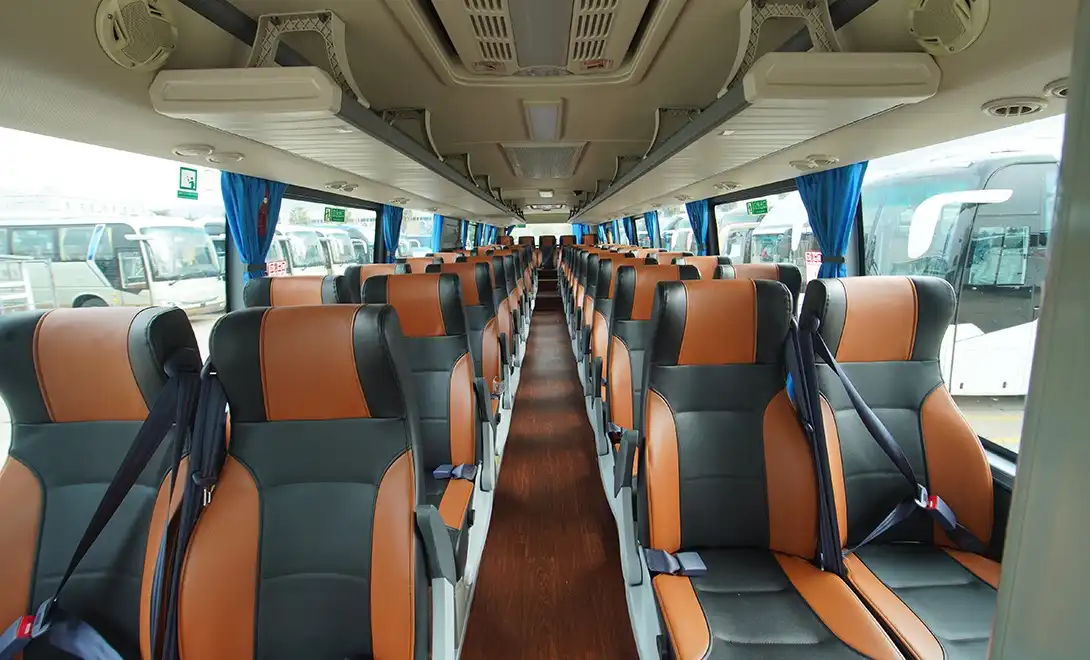
Customization choices include how the seats are set up, features that make the space more accessible, and branding elements. A lot of companies make products that can be customized in a cost-effective way without having to make major technical changes. These skills support a wide range of operational needs while keeping output running smoothly.

Selecting the Right Manufacturer and Supplier for 49-Seat 12m Electric Coaches
When it comes to product stability, service support, and relationship quality, the choice of manufacturer has a big effect on the long-term success of an operation. When looking at possible providers, you need to carefully check their technical skills, market position, and dedication to developing electric vehicle technology.
Leading Manufacturers and Technology Platforms
Several well-known companies offer electric coach options that have been shown to work in the real world. European companies like Volvo, Mercedes-Benz, and Scania use their many years of experience making buses along with modern electric drivetrains. Chinese companies like BYD and Yutong offer options that are reasonable in price and have a lot of experience making electric cars.
More and more American companies are getting into this market area with goods that are made to work in North America and meet North American regulations. These domestic choices are better because parts are easier to find, the service network is wider, and they meet Buy America standards for transit organizations.
Certification Standards and Compliance
Quality certificates are very important for proving that a product can be made well and is reliable. ISO 9001 quality management systems make sure that production processes are always the same, and ISO 14001 environmental management shows that a company is committed to using environmentally friendly methods. The TS 16949 vehicle quality standards are designed to meet the needs of the transportation business.
Safety certifications, such as FMVSS compliance, DOT approval, and any necessary state certifications, make sure that the vehicle can legally operate in the areas it is meant to serve. These licenses need to be kept up-to-date with regular checks and tests that show they are still in line with changing standards.
Building Strategic Partnerships
For electric coach adoption to go well, ties need to be formed that go beyond just working with vendors. Leading producers offer a wide range of support services, such as training programs for drivers, certification for repair technicians, and operational advice. During times of change when companies are getting used to new technology, these relationships are very helpful.
Due to the specialized nature of electric vehicle systems, access to dedicated technical support is essential. Manufacturers that offer local service networks, online diagnostic tools, and rapid parts delivery ensure minimal service disruptions for assets like the 12m electric coach. This comprehensive partnership approach, exemplified by JCM, supports customers from initial consultation through ongoing operational support by integrating services across the entire industry chain.
Future Trends and Innovations in 12m Electric Coach Technology for Intercity Travel
The electric car business is still changing quickly as technology improves and the market grows. By knowing about new trends, you can make smart plans for your fleet investments that will pay off in the long run and avoid the risks of becoming obsolete.
Battery Technology Evolution
Next-generation battery technologies offer big changes in how much energy they hold, how fast they charge, and how long they last. Solid-state batteries that are still being developed could increase range by 30 to 40 percent while cutting the time it takes to charge to 15 to 20 minutes for 80% capacity. With these improvements, worries about range anxiety would go away, and working schedules would be more fluid.
Recycling batteries and finding new uses for old ones are becoming good ways to make money. Used coach batteries still have 70–80% of their original capacity, which means they can be used for fixed energy storage. This creates residual value lines that help figure out the total cost of ownership. This cycle economy method is in line with goals for sustainability and creates more ways to make money.
Infrastructure Development and Smart Grid Integration
Public-private agreements and utility funding speed up the growth of charging facilities. Long-distance electric coach service is possible with high-power charging routes along major roads. Depot charging options lower energy costs by managing demand and incorporating renewable energy.
With vehicle-to-grid technology, coaches can help keep the power grid stable during times of high demand. With these features, cars can go from using energy to being an advantage to the grid, which brings in extra money and helps with the integration of renewable energy. Smart charging methods keep operations ready while lowering energy costs.
Digital Fleet Management Integration
Modern telemetry systems let you keep an eye on your vehicle's performance, energy use, and expected repair needs in real time. These systems allow for smart scheduling of repair that keeps service interruptions to a minimum and gets parts replaced at the best time. Data analytics find ways to improve working efficiency, such as making routes more efficient and finding ways to use less energy.
The creation of autonomous driving technology keeps moving toward business use. While fully self-driving cars are still years away, tools like adaptive cruise control, lane keeping aid, and automated emergency stopping make long intercity trips safer and less tiring for drivers.
Conclusion
The transition to 49-seat electric coaches for intercity highway routes represents a strategic opportunity for fleet owners seeking cost savings, sustainability, and operational efficiency. Electric coaches, particularly the 12m electric coach, have become a viable alternative to conventional diesel models due to advancements in battery technology, expanding charging infrastructure, and proven reliability in service. A successful fleet upgrade requires a comprehensive assessment of the manufacturer's capabilities, financing options, and operational integration needs to secure long-term competitive advantages and adapt to evolving market and regulatory demands.
FAQ
Q1: What is the typical range of a 49-seat electric coach on highway routes?
A: Modern electric vans with 49 seats can go 250 to 350 kilometers on the highway, but this depends on the battery's size, the terrain, the weather, and how the drivers drive. This range is good for most trips between cities and lets you be flexible with your working schedule by strategically placing charging stations.
Q2: How does charging time compare to diesel refueling for electric coaches?
A: DC fast charging takes 45 to 90 minutes to fully charge a battery to 80% capacity, while gas refill only takes 10 to 15 minutes. But charging vehicles overnight while they're not being used cuts down on operating delays and saves money thanks to off-peak power rates. This makes differences in charging times less important for operations.
Q3: What warranty coverage should fleet buyers expect for electric coaches?
A: Full insurance deals usually cover your car for two to three years and the batteries for eight to ten years. Some of the best manufacturers offer long-term service plans that cover major parts, preventative maintenance programs, and performance warranties that protect against unexpected repair costs and make sure the machine works reliably.
Q4: How do maintenance costs compare between electric and diesel coaches?
A: Electric coaches have simpler drivetrains that don't need oil changes, less brake wear from regenerative braking, and fewer moving parts that can wear out. This cuts down on maintenance costs by 40 to 60 percent a year. This cost advantage grows over the life of the car, which makes figuring out the total cost of ownership much easier.
Partner with JCM for Your Electric Coach Procurement Needs
JCM is ready to help you make the switch to environmentally friendly interstate transportation by providing complete electric coach options that are tailored to your specific needs. Our "whole industry chain" method includes customizing vehicles, improving production lines, and providing ongoing technology support to make sure that fleet modernization goes smoothly. As a reliable 12m electric coach provider, we offer advanced manufacturing skills along with a range of customization choices to meet the needs of customers in North America and around the world.
Our experienced team helps with everything, from the first meeting to actual deployment. This includes driver training programs, certification for repair technicians, and services that improve performance. Get in touch with our professional buyers at info@jcm-star.com to talk about funding options, technical details, and delivery times that are tailored to your goals for expanding your fleet.
References
1. International Association of Public Transport. "Electric Bus Development and Deployment Guidelines for Transit Agencies." Public Transport Research Institute, 2024.
2. American Public Transportation Association. "Zero Emission Bus Technology Analysis and Best Practices Report." APTA Standards Development Program, 2024.
3. National Renewable Energy Laboratory. "Electric Transit Bus Life Cycle Cost Analysis and Performance Evaluation." U.S. Department of Energy, 2023.
4. Global Commercial Vehicle Research Institute. "Intercity Coach Electrification: Market Analysis and Technology Assessment." Transportation Research Quarterly, 2024.
5. Society of Automotive Engineers. "Heavy-Duty Electric Vehicle Charging Infrastructure Requirements and Standards." SAE International Technical Paper Series, 2024.
6. Clean Transportation Research Center. "Economic and Environmental Impact Assessment of Electric Coach Deployment in North American Markets." Sustainable Mobility Journal, 2023.

Based on your vehicle requirements, we will quickly match the most suitable specifications and provide a competitive quote.
_1755581003287.webp)
Global Customized


_1756108840480.webp)
_1755854765757.webp)