Understanding the Custom Alternator Production Process
To fully grasp the lead times involved in custom alternator production, it's essential to understand the intricate process behind creating these specialized components. Customized alternators are not off-the-shelf products; they require careful planning, design, and manufacturing to meet specific performance requirements and application needs.
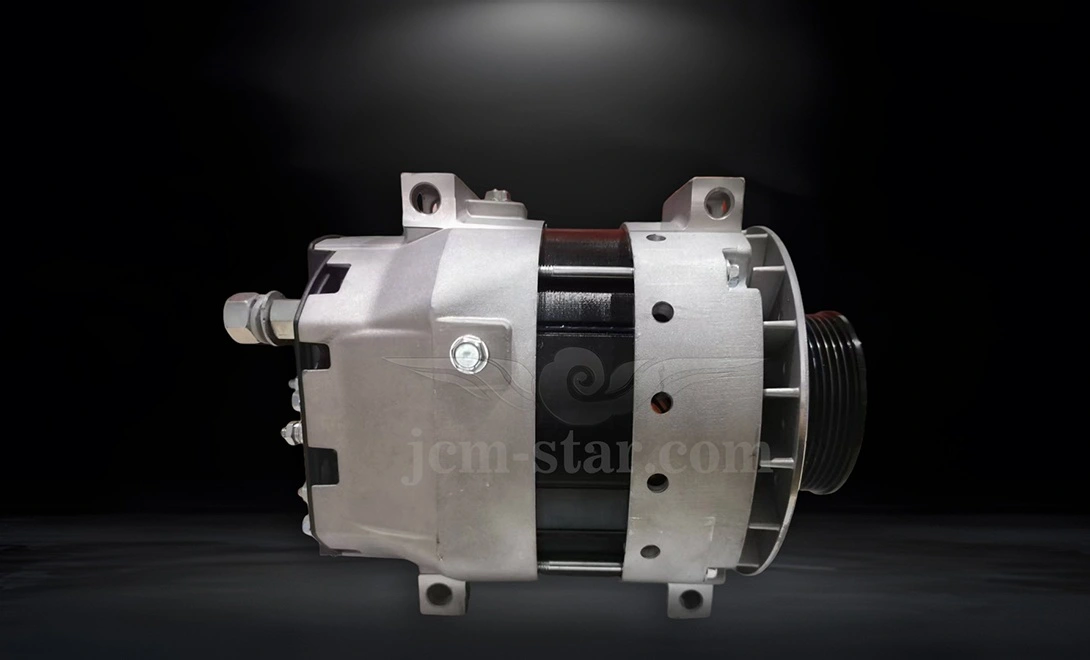
Design and Engineering Phase
The journey of a custom alternator begins with the design and engineering phase. This crucial stage involves:
- Requirement gathering and analysis
- Conceptual design and feasibility studies
- Detailed engineering and 3D modeling
- Performance simulations and optimizations
The duration of this development phase can vary significantly depending on the complexity and specifications of the project. Typically, it may take 1 to 4 weeks for standard alternator designs, allowing engineers to complete detailed modeling, prototyping, and preliminary testing. For highly specialized or custom alternators, the timeline may extend further as engineers address unique technical challenges, refine component integration, and optimize performance parameters such as efficiency, thermal management, and durability. Thorough testing and iterative adjustments ensure that the final alternator meets all operational requirements and maintains reliability under demanding conditions.
Prototype Development and Testing
Once the design is finalized, the next step is to create a prototype. This involves:
- Sourcing specialized components
- Manufacturing custom parts
- Assembling the prototype
- Rigorous testing and performance validation
The prototype phase is a crucial step in the development of a customized alternator, as it allows engineers to verify that the design meets all specified performance, safety, and reliability requirements. During this stage, a working prototype is built and subjected to rigorous testing under simulated operating conditions, including load, temperature, and vibration scenarios.
Typically, this phase takes 2 to 4 weeks, providing sufficient time for initial assessments, minor adjustments, and performance validation. For more complex or highly specialized alternator designs, multiple iterations may be necessary, extending the timeline to ensure the final product achieves optimal efficiency, durability, and operational effectiveness.
Production Preparation and Component Sourcing
With a validated prototype, the manufacturer can begin preparing for production. This involves:
- Finalizing the bill of materials
- Sourcing all necessary components
- Setting up production lines or workstations
- Training personnel on the new product
The duration of this component sourcing and preparation phase can vary considerably based on the availability of required parts and the manufacturer’s existing production capabilities. For standard components that are readily in stock, the process usually takes 1 to 3 weeks, allowing time for inventory checks, quality inspections, and initial assembly preparations.
However, if the project requires specialized or custom-made parts, particularly those that must be manufactured to precise specifications or sourced from overseas suppliers, the timeline can extend significantly. Delays in shipping, customs clearance, or supplier lead times may further impact the schedule. Careful planning, supplier coordination, and proactive procurement strategies are essential to minimize delays and keep the alternator development project on track.
Factors Influencing Lead Times for Custom Alternators
Several key factors can significantly impact the lead times for customized alternator production. Understanding these elements can help you better estimate and plan for your project timeline.
Design Complexity
The complexity of your custom alternator design is perhaps the most significant factor affecting lead times. More complex designs require:
- Extended engineering and design phases
- Multiple prototype iterations
- Specialized tooling or manufacturing processes
- More rigorous testing and validation
Simple modifications to existing alternator designs can often be completed relatively quickly, as they typically involve minor adjustments to components, performance tuning, or integration with existing systems. These changes usually require less prototyping and testing, allowing engineers to implement them efficiently without disrupting production schedules.
In contrast, developing entirely new alternator designs or creating units with unique performance requirements—such as higher output, specialized cooling, or extreme-duty operation—can significantly extend the overall timeline. Such projects demand extensive research, multiple design iterations, rigorous testing, and precise validation to ensure the final product meets all functional, reliability, and safety standards.
Component Availability
The availability of necessary components plays a crucial role in determining lead times. Factors affecting component availability include:
- Global supply chain disruptions
- Rare or specialized materials
- Long lead times for custom-made parts
- Minimum order quantities from suppliers
Working with a manufacturer with strong supplier relationships and a robust supply chain can help mitigate some of these challenges and potentially reduce lead times.
Production Capacity and Workload
The manufacturer's current production capacity and workload can significantly impact lead times for your custom alternator. Factors to consider include:
- Availability of skilled personnel
- Existing production commitments
- Capacity for concurrent projects
- Flexibility in production scheduling
Selecting a manufacturer with ample production capacity and proven experience in handling multiple custom projects is essential for ensuring the timely delivery of a customized alternator. Such manufacturers possess the necessary infrastructure, skilled workforce, and streamlined processes to manage complex designs, coordinate component sourcing, and maintain consistent quality throughout production.
Their familiarity with custom engineering challenges allows them to anticipate potential delays, implement efficient solutions, and adhere to project timelines. Partnering with a reliable and experienced manufacturer minimizes risks associated with late delivery, production bottlenecks, or design errors, ultimately ensuring that the final alternator meets specifications while arriving on schedule for integration into your systems.
Strategies to Optimize Lead Times for Custom Alternators
While some factors affecting lead times may be beyond your control, there are several strategies you can employ to optimize the production timeline for your custom alternator project.
Early Engagement and Clear Communication
Engaging with your chosen manufacturer early in the process can significantly streamline the development timeline. This approach allows for:
- Early identification of potential challenges
- Proactive problem-solving and design optimization
- Better alignment of expectations and timelines
- More accurate initial quotes and estimates
Clear and consistent communication throughout the project is essential when developing a customized alternator. Maintaining open channels between the client, engineering team, and manufacturer helps prevent misunderstandings regarding design requirements, performance targets, and material specifications. Regular updates, progress reports, and feedback sessions allow potential issues to be identified and addressed promptly, reducing the likelihood of delays.
This collaborative approach ensures that all stakeholders remain aligned throughout the development process, ultimately guaranteeing that the final customized alternator meets exact specifications, performs reliably under intended operating conditions, and satisfies both technical and operational expectations.
Leveraging Existing Designs and Components
When possible, basing your custom alternator on existing designs or using readily available components can significantly reduce lead times. Consider:
- Modifying standard alternator designs to meet your needs
- Using off-the-shelf components where possible
- Exploring modular design approaches for easier customization
- Balancing customization with standardization for optimal efficiency
This approach can often result in a faster time-to-market without compromising on the specific performance requirements of your application.
Planning for Scalability and Future Needs
When designing your custom alternator, consider not just your current needs but also potential future requirements. This forward-thinking approach can:
- Reduce the need for future redesigns
- Allow for easier scaling of production
- Improve long-term cost-effectiveness
- Enhance the overall value of your investment in custom alternator development
By planning for scalability and future needs, you can potentially reduce lead times for subsequent orders or modifications to your custom alternator design.
Conclusion
Understanding the lead times for Customized Alternator production is crucial for effective project planning and management. While typical lead times range from 4 to 12 weeks, various factors can influence this timeline. By considering the complexity of your design, working closely with your chosen manufacturer, and implementing strategies to optimize the development process, you can ensure a smooth and efficient journey from concept to final product. Remember that investing time in the early stages of the project can often lead to significant time savings and improved outcomes in the long run.
FAQ
Can I expedite the production of my custom alternator?
In some cases, expedited production may be possible, but it often comes at a premium cost and may not be feasible for all projects.
How do I choose the right manufacturer for my custom alternator?
Look for manufacturers with experience in custom alternator production, strong technical capabilities, and a track record of on-time delivery.
What information do I need to provide for a custom alternator quote?
Typically, you'll need to provide specifications such as voltage, amperage, mounting style, and any specific performance requirements or environmental considerations.
Custom Alternator Solutions for Every Industry - JCM
At JCM, we specialize in delivering high-quality customized alternators tailored to meet the unique needs of diverse industries. Our state-of-the-art manufacturing facilities and experienced engineering team enable us to offer rapid prototyping and efficient production of custom alternators. Leveraging our whole industry chain integration approach, we ensure seamless collaboration from design to delivery, catering to specific market demands with unparalleled flexibility. For inquiries about our custom alternator solutions or to discuss your project requirements, please contact us at info@jcm-star.com.
References
1. Johnson, R. (2022). "Advanced Alternator Design: Principles and Practices." Electrical Engineering Journal, 45(3), 78-92.
2. Smith, A. & Brown, T. (2021). "Custom Alternator Manufacturing: Challenges and Opportunities." International Journal of Automotive Engineering, 12(2), 156-170.
3. Thompson, E. (2023). "Optimizing Lead Times in Custom Electrical Component Production." Supply Chain Management Review, 18(4), 45-58.
4. Lee, K. et al. (2022). "Innovations in Rapid Prototyping for Automotive Electrical Systems." Journal of Manufacturing Technology, 33(1), 112-125.
5. Garcia, M. & Wilson, P. (2023). "Industry 4.0 and Its Impact on Custom Alternator Production." Digital Manufacturing Quarterly, 7(2), 89-103.

_1755581003287.webp)


_1756108840480.webp)
_1755854765757.webp)