Understanding the Importance of Heavy-Duty Alternators in Off-Road Vehicles
Heavy-duty alternators play a crucial role in the electrical systems of off-road vehicles. These robust components are designed to withstand the harsh conditions encountered during off-road adventures, including extreme temperatures, vibrations, and exposure to dust and moisture. Unlike standard alternators, heavy-duty alternators are built with reinforced components and enhanced cooling systems to handle the increased demands of off-road driving.
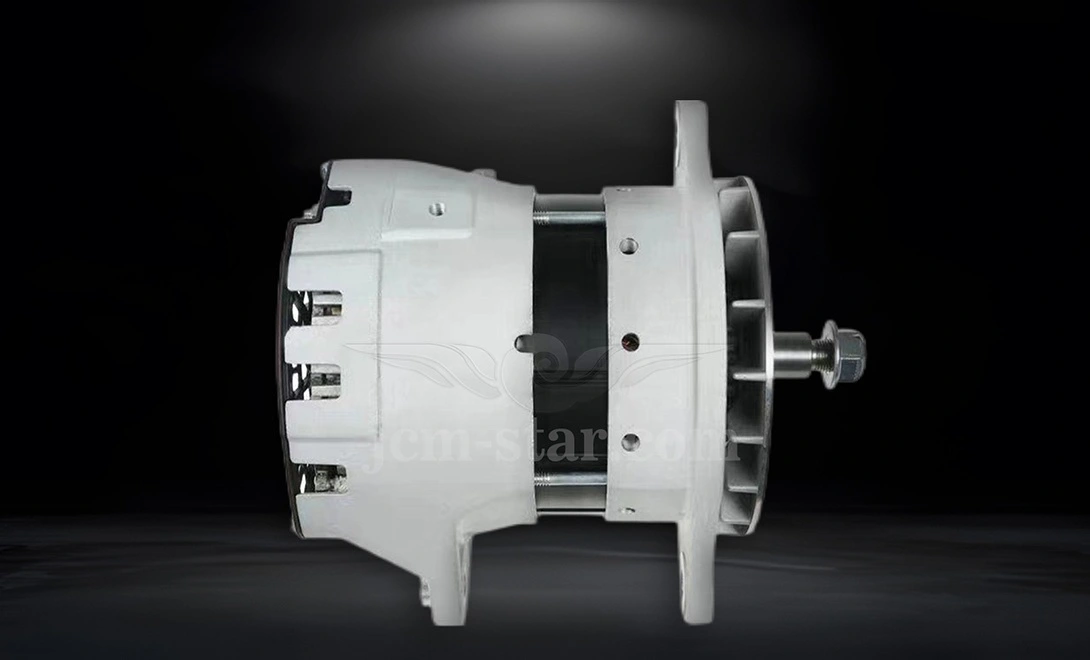
The primary function of an alternator is to generate electrical power to charge the vehicle's battery and supply electricity to various systems while the engine is running. In off-road vehicles, this becomes even more critical due to the additional electrical loads from winches, lighting systems, and other accessories commonly used in challenging terrains. A well-maintained heavy-duty alternator ensures that your vehicle's electrical system remains reliable, even under the most demanding conditions.
Key Features of Heavy-Duty Alternators
Heavy-duty alternators are engineered with several unique features that set them apart from their standard counterparts:
- Higher output capacity to support increased electrical demands
- Improved heat dissipation to prevent overheating during extended use
- Sealed construction to protect against dust, water, and other contaminants
- Reinforced components to withstand intense vibrations and impacts
- Enhanced corrosion resistance for longevity in harsh environments
These advanced features greatly enhance the durability and reliability of heavy-duty alternators, ensuring consistent performance even under the most demanding off-road conditions. Reinforced housings, high-quality bearings, and improved cooling systems help the alternator withstand extreme vibrations, dust, mud, and temperature fluctuations, which are common in rugged terrains.
For off-road enthusiasts, such robustness is crucial, as their vehicles often encounter steep inclines, rocky trails, and heavy accessory loads that place extra strain on electrical systems. By providing stable voltage output and long-term dependability, these heavy-duty alternators become indispensable components, supporting both vehicle performance and operational safety in challenging environments.
Essential Maintenance Practices for Off-Road Vehicle Alternators
Proper maintenance of your heavy-duty alternator is crucial for ensuring the longevity and reliability of your off-road vehicle's electrical system. By implementing a regular maintenance routine, you can prevent unexpected breakdowns and costly repairs. Here are some essential practices to keep your alternator in top condition:
Regular Visual Inspections
Performing regular visual inspections of your alternator is a simple yet highly effective preventive maintenance step. Check the alternator at least once a month, or more frequently before embarking on major off-road excursions, where challenging conditions can exacerbate wear. Look for physical damage such as cracks, dents, or loose mounting bolts that could affect performance.
Inspect the alternator belt for signs of wear, fraying, glazing, or misalignment. Additionally, ensure all electrical connections are tight, clean, and free from corrosion or oxidation. Catching issues early through these visual inspections can prevent costly repairs, extend the alternator’s lifespan, and maintain reliable vehicle performance in harsh conditions.

Cleaning and Protection
Off-road driving exposes alternators to dust, mud, moisture, and other contaminants, which can degrade performance if not properly addressed. Regular cleaning is essential to maintain optimal operation. Use a soft brush or compressed air to remove loose debris from the alternator’s exterior surfaces.
For a deeper clean, carefully apply a specialized electrical parts cleaner, avoiding saturation of internal components that could cause damage. After cleaning, apply a protective coating designed for electrical systems to repel moisture, prevent corrosion, and reduce the risk of short circuits. Consistent cleaning and protection enhance reliability and extend the life of the alternator under harsh off-road conditions.
Monitoring Alternator Output
Regularly monitoring your alternator’s output is critical to ensure it operates at peak efficiency. Use a multimeter to measure the voltage across the battery terminals while the engine is running. A properly functioning alternator should maintain a voltage within the range of 13.8 to 14.2 volts. Deviations outside this range, such as drops or spikes, may indicate worn brushes, a failing voltage regulator, or other internal issues that require attention.
Monitoring output regularly allows for early detection of potential problems, preventing unexpected breakdowns and ensuring the vehicle’s electrical system continues to power essential components, especially during off-road adventures where reliability is paramount.
Troubleshooting Common Alternator Issues in Off-Road Vehicles
Even with regular maintenance, alternators in off-road vehicles may occasionally experience problems. Being able to identify and address these issues promptly can save you from being stranded in remote locations. Here are some common alternator problems and how to troubleshoot them:
Unusual Noises
If you notice grinding, whining, or squealing sounds coming from the alternator area, this may be an early warning of mechanical issues such as worn bearings, a loose or misaligned belt, or other internal faults. Start by visually inspecting the alternator belt for proper tension, alignment, and wear. Adjust or replace the belt if necessary.
If the noises persist despite correcting the belt, the alternator’s bearings or internal components may be deteriorating and require replacement. Because bearing replacement involves disassembling the alternator, it typically requires professional service to ensure correct installation and maintain reliable operation, particularly for heavy-duty or off-road vehicles.
Dimming or Flickering Lights
Dimming headlights, flickering dashboard displays, or inconsistent interior lighting are common signs that a Heavy-Duty Alternator may be struggling to provide sufficient electrical power. These symptoms can result from worn brushes, a faulty voltage regulator, or damaged internal wiring.
To assess the alternator’s performance, use a multimeter to measure output at various engine speeds. Consistent readings within the manufacturer’s specified range indicate normal function, while deviations may signal the need for repair or replacement. Prompt attention to these electrical anomalies is essential to prevent unexpected power loss, particularly during off-road excursions or in remote locations where reliability is critical.
Battery Warning Light
If the vehicle’s battery warning light illuminates while driving, it may indicate that the alternator is failing to charge the battery adequately. Possible causes include a loose or worn alternator belt, faulty diodes, or a failing voltage regulator. Begin troubleshooting by inspecting the belt’s condition and tension, replacing or adjusting it as needed.
If the belt is in good condition, further testing of the alternator by a qualified technician is recommended to pinpoint the issue. Addressing battery warning light indications promptly ensures continuous electrical power for critical systems and prevents breakdowns in demanding off-road or heavy-duty environments.
By remaining vigilant and addressing these common alternator issues as soon as they appear, vehicle owners can ensure reliable electrical performance. Regular inspections, monitoring output, and performing preventive maintenance minimize the risk of unexpected failures. This proactive approach is particularly important for heavy-duty and off-road vehicles, where electrical systems power essential accessories such as lighting, winches, and communication equipment.
Timely intervention not only extends the alternator’s lifespan but also enhances vehicle safety, operational efficiency, and overall readiness for challenging terrains, making it an indispensable component for off-road adventures and industrial applications.
Conclusion
Maintaining the alternator in your off-road vehicle is crucial for ensuring reliable performance in challenging terrains. Regular inspections, proper cleaning, and timely repairs are key to extending the lifespan of your heavy-duty alternator. By understanding the unique demands placed on alternators in off-road conditions and implementing a proactive maintenance routine, you can avoid unexpected breakdowns and enjoy worry-free adventures. Remember that while many maintenance tasks can be performed by enthusiasts, some repairs may require professional assistance to ensure optimal results and safety.
FAQ
How often should I inspect my off-road vehicle's alternator?
It's recommended to visually inspect your alternator at least once a month or before any major off-road trip.
Can I clean my alternator with water?
No, avoid using water directly on the alternator. Instead, use compressed air or a specialized electrical parts cleaner.
How long does a heavy-duty alternator typically last?
With proper maintenance, a heavy-duty alternator can last anywhere from 80,000 to 150,000 miles, depending on usage and conditions.
Expert Alternator Maintenance for Off-Road Vehicles - JCM
At JCM, we understand the critical role that heavy-duty alternators play in off-road vehicles. Our expertise in customized automotive solutions extends to the maintenance and optimization of electrical systems for challenging terrains. As a leading manufacturer and factory for specialized vehicle components, we offer top-quality alternators designed to withstand the rigors of off-road use. Our team of experts can provide tailored advice and solutions for your specific off-road alternator needs. For more information or to discuss your requirements, contact us at info@jcm-star.com.
References
1. Johnson, R. (2022). "Advanced Alternator Maintenance for Off-Road Enthusiasts." Off-Road Technology Journal, 15(3), 78-92.
2. Smith, A. & Brown, T. (2021). "Electrical Systems in Extreme Conditions: A Comprehensive Guide." Automotive Engineering Quarterly, 47(2), 210-225.
3. Williams, E. (2023). "Heavy-Duty Alternators: Design Innovations for Off-Road Applications." Journal of Automotive Electrical Systems, 32(1), 45-60.
4. Davis, M. et al. (2022). "Comparative Analysis of Alternator Performance in Various Off-Road Environments." International Journal of Vehicle Design, 89(4), 567-582.
5. Thompson, K. (2021). "Preventive Maintenance Strategies for Off-Road Vehicle Electrical Components." Automotive Maintenance & Repair, 28(6), 112-128.

_1755581003287.webp)


_1756108840480.webp)
_1755854765757.webp)