Oil and gas transport vehicles are essential pieces of infrastructure that are designed to securely carry petroleum products over long distances. For these specialized trucks to handle dangerous cargo while preserving operating efficiency, strict safety procedures and cutting-edge power systems are required. Manufacturers and operators must give compliance and performance first priority in the face of growing regulatory scrutiny of modern hazardous transportation. Procurement managers, engineers, distributors, and OEM clients must comprehend these needs in order to navigate the intricate global B2B oil and gas sector environment.
Understanding Oil and Gas Transport Vehicles
The transportation of petroleum depends on advanced equipment designed to manage dangerous substances in harsh environments. Short-to-medium distance transportation is dominated by tanker trucks, which have specialized tanks with several compartments and cutting-edge safety features. To avoid catastrophic events while in route, these trucks are equipped with fire suppression equipment, emergency shutdown valves, and pressure release systems.
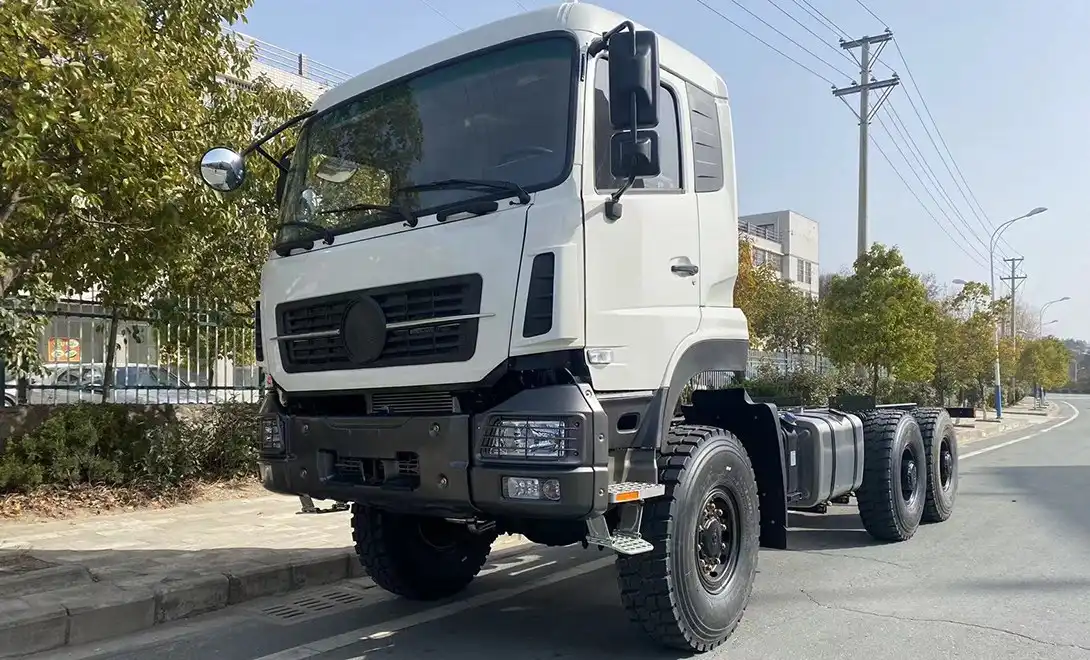
Types of Specialized Transport Equipment
Certain vehicle layouts are needed for different sorts of freight. Light petroleum products need different tank requirements than liquefied natural gas or heavy crude oil. Tank materials include specialty steel grades for corrosive chemicals and aluminum alloys for the transportation of gasoline. Chemical compatibility, weight concerns, and regulatory restrictions in various countries all influence the decision.
Operational Environment Considerations
Oil and gas transport vehicles must function dependably in a variety of climates, from the arctic, where fuel systems must withstand bitter cold, to the desert, where cooling systems must operate constantly. Vehicle design is influenced by route factors; highway tankers prioritize fuel economy and aerodynamics, whilst off-road versions prioritize durability and traction. The choice of vehicle has a direct influence on operating expenses and safety results, as modern fleet operators are becoming more aware of. These days, sophisticated telemetry systems provide real-time tracking of driver behavior, cargo status, and vehicle performance, enabling proactive maintenance planning and risk reduction techniques.
Core Safety Requirements for Oil and Gas Transport Vehicles
Because combustible and poisonous materials have inherent dangers, safety is still of utmost importance in petroleum transport operations. In order to maintain market competitiveness, producers must surpass minimal safety criteria set by regulatory frameworks such as DOT laws in North America and ADR standards in Europe.
Mandatory Safety Standards and Certifications
The cornerstone of competent transportation operations is adherence to international safety regulations. For the transportation of hazardous products, vehicles must adhere to IMDG rules, and operators must have certain training qualifications. With paperwork requirements that vary by jurisdiction and cargo category, regular inspection schedules guarantee continued compliance. Multiple layers of protection are now integrated into advanced safety systems. Spill containment systems, fire extinguishing apparatuses, and communication devices for prompt hazmat team coordination are examples of emergency response equipment. Together, these measures reduce the effect on the environment and the severity of incidents.
Technology Integration for Enhanced Safety
Transportation safety technology has advanced significantly with the introduction of IoT-enabled monitoring systems. These systems continuously monitor variables such as temperature fluctuations, tank pressure, and leak detection. Fleet managers have previously unheard-of insight into operational hazards when GPS tracking and driver monitoring technologies are integrated. By averting collisions before they happen, advanced driver assistance systems (ADAS) enhance conventional safety devices. The bulk of transportation-related accidents are caused by human mistake, which is greatly decreased by features like tiredness detection systems, lane departure alarms, and collision avoidance.
Power System Requirements and Performance Optimization
Petroleum transport trucks' power systems must fulfill ever-tougher pollution regulations while striking a balance between economy and performance needs. Because of their demonstrated dependability and benefits in energy density, conventional diesel powertrains continue to rule heavy-duty applications.
Emerging Alternative Power Technologies
In some applications, electric and hybrid powertrains are becoming more popular, especially for oil and gas transport vehicles regulations are in place. Longer operational ranges are made possible by advancements in battery technology, while hydrogen fuel cell systems provide zero-emission options for long-distance applications without sacrificing cargo capacity. The availability of infrastructure and operational needs must be carefully considered while making the switch to alternative fuels. While hybrid systems provide flexibility in a variety of operating scenarios, electric cars perform best in predictable route applications with established charging infrastructure.

Maintenance and Reliability Optimization
Proactive maintenance strategies become critical for maintaining power system reliability and minimizing unplanned downtime. Predictive maintenance technologies use sensor data to identify potential failures before they occur, reducing maintenance costs while improving vehicle availability. OEM-approved components ensure compatibility and warranty compliance while maintaining performance standards. Generic parts may offer cost savings but can compromise system reliability and regulatory compliance, creating long-term operational risks that outweigh initial savings.
Decision-Making Guide: Choosing the Right Oil and Gas Transport Vehicle
A thorough assessment of operating demands, regulatory compliance standards, and total cost of ownership factors is necessary when choosing the right oil and gas transport vehicle. The initial capital expenditure must be weighed against maintenance expenses and long-term operating effectiveness by decision-makers.
Comparative Analysis Framework
Although they demand competent drivers and extensive insurance coverage, tanker tankers provide flexibility and direct delivery options. For long-distance bulk moves, rail transport is more affordable, but it requires fixed route infrastructure and intermodal transfer capabilities. Optimizing vehicle capacity entails striking a balance between cargo volume and weight and route constraints. Larger cars cost less to transport per unit, although they could be difficult to reach in cities or need specific handling facilities.
Financial Considerations and Procurement Options
Total cost of ownership analysis includes acquisition costs, financing expenses, insurance premiums, maintenance requirements, fuel consumption, and residual value projections. Leasing arrangements offer operational flexibility and reduced capital requirements, particularly attractive for companies testing new markets or managing seasonal demand fluctuations. Fleet standardization reduces training requirements, simplifies maintenance procedures, and improves parts inventory management. However, specialized applications may justify custom configurations that optimize performance for specific operational requirements.
JCM: Your Trusted Partner for Specialized Vehicle Solutions
JCM is a prominent company that specializes in tailored automobile solutions that satisfy a range of consumer needs in international markets. Our all-encompassing strategy combines flexible cooperation models with entire industrial chain thinking to produce precisely manufactured vehicles for unique purposes.
Advanced Manufacturing Capabilities
Among the several vehicle categories in which we excel in manufacturing are specialist trucks made for the transportation of hazardous materials. We retain close access to important markets while using global experience thanks to our strategically placed R&D facilities in Shiyan and Xiamen, as well as our operating locations in Southeast Asia, the Middle East, and Europe. Through the integration of top global talent, suppliers, and customers, the "Surfing" automobile industry chain platform facilitates quick customization and creative product creation. This cooperative strategy guarantees that every vehicle solution satisfies particular client needs while maintaining adherence to global safety regulations.
Comprehensive Production and Support Services
From initial planning to continuing support services, JCM offers comprehensive solutions for the building of local manufacturing lines and parts management. Our capabilities include specialized assembly fixtures, component manufacturing systems, and vehicle production lines that can produce up to 2000 units annually. Beyond only delivering vehicles, we also provide thorough training programs that assist local employees in becoming proficient in maintenance and assembly techniques. Throughout the vehicle lifespan, this all-encompassing strategy guarantees ongoing operational confidence and compliance assurance, safeguarding consumer investments while optimizing operational effectiveness.
Conclusion
Navigating the complex requirements of oil and gas transport vehicle procurement demands thorough understanding of safety regulations, power system capabilities, and operational considerations. Success depends on selecting vehicles that meet stringent safety standards while delivering reliable performance across diverse operating conditions. The integration of advanced technologies like IoT monitoring and alternative powertrains offers opportunities to enhance safety and efficiency while meeting evolving regulatory requirements. Partnering with experienced manufacturers who understand these complexities ensures optimal vehicle selection and long-term operational success in this critical industry segment.
Frequently Asked Questions
What are the main safety certifications required for petroleum transport vehicles?
Key certifications include DOT compliance in North America, ADR certification in Europe, and IMDG codes for international transport. Vehicles must also meet specific national standards like OSHA requirements and undergo regular inspection schedules. Driver certifications, hazmat training, and emergency response protocols are equally important components of comprehensive safety compliance.
How do electric petroleum transport vehicles compare to diesel ones in terms of power and cost?
Electric vehicles offer lower operating costs and zero direct emissions but face limitations in range and payload capacity. Diesel vehicles provide superior energy density and established infrastructure support but incur higher fuel costs and emissions compliance expenses. Hybrid systems offer a compromise solution, combining electric efficiency with diesel reliability for extended range applications.
What maintenance practices are essential for transport vehicle safety and longevity?
Critical maintenance includes regular tank inspections, pressure system testing, and safety equipment verification. Predictive maintenance using sensor monitoring helps identify potential failures early. Using OEM-approved parts ensures compatibility and warranty compliance. Comprehensive maintenance records support regulatory compliance and help optimize replacement schedules for maximum vehicle availability.
Partner with JCM for Your Transport Vehicle Needs
For businesses looking for dependable providers of oil and gas transport vehicles with demonstrated proficiency in certain automotive applications, JCM offers all-inclusive solutions. From original design to manufacturing and continuing support services, our complete industrial chain approach guarantees smooth integration. We strictly adhere to international safety standards when customizing cars to fulfill certain operating needs. Our worldwide reach and technological know-how allow quick response to your needs, whether you want small-batch specialty equipment or whole production line solutions. Contact us at info@jcm-star.com to discuss your specific needs and discover how our innovative solutions can enhance your operational capabilities.
References
1. U.S. Department of Transportation, "Hazardous Materials Regulations: General Requirements for Shipments and Packagings," Federal Motor Carrier Safety Administration, 2023.
2. International Maritime Organization, "International Maritime Dangerous Goods Code: Guidelines for Safe Transport of Dangerous Goods by Sea," 2022 Edition.
3. European Agreement Concerning the International Carriage of Dangerous Goods by Road (ADR), "Safety Standards for Petroleum Product Transportation," United Nations Economic Commission for Europe, 2023.
4. American Petroleum Institute, "Recommended Practice for Design, Construction, Operation, Maintenance, and Inspection of Terminal Facilities," API RP 2003, 2021.
5. National Institute for Occupational Safety and Health, "Criteria for Safe Handling and Transport of Petroleum Products in Commercial Vehicles," NIOSH Publication 2022-108.
6. International Association of Oil & Gas Producers, "Guidelines for the Safe Design and Operation of Oil and Gas Transport Systems," Report 490, 2023.

_1755581003287.webp)


_1756108840480.webp)
_1755854765757.webp)