In the harshest locations in the world, heavy-duty off-road transport methods are essential for keeping businesses running. These specially designed vehicles can go where regular vehicles can't: the Arctic tundra, mine sites in the desert, thick woods, and hilly areas. Heavy-duty off-road transport options are different from regular business vehicles because they have advanced engineering features like strengthened frames, improved suspension systems, and specialized traction control that can handle loads of more than 100 tons. These reliable systems keep businesses running in rural areas that regular transportation networks can't reach. They are used in fields from oil extraction to green energy infrastructure.
Understanding Heavy-Duty Off-Road Transport Systems
In order to use extreme-condition transportation, you need to know the specific technical rules that make specialized off-road vehicles different from regular vehicles. These systems use a number of different technologies to deal with problems in the environment that would normally stop normal tools from working within hours of starting up.

Core Engineering Features and Capabilities
Modern heavy-duty off-road transport methods are better at what they do because they have a number of important parts that work together. Advanced suspension systems with separate wheel configurations keep cars stable on rough ground while keeping the purity of the goods. Traction control systems change how power is distributed between wheels automatically, so the vehicle doesn't lose its speed when it's on sand, loose soil, or ice. There is another big difference in the chassis design, which uses strengthened steel frames that can handle very high stress loads. The ground clearance of these vehicles is usually between 18 and 36 inches, which lets them get over things that would stop regular trucks. Ultra-wide cushion tires and track systems are two types of specialized tire designs that spread weight widely to protect the ground and improve grip.
Vehicle Classifications and Applications
There are a few different types of heavy-duty off-road systems, and each one is best for a certain set of working needs. Articulated dump trucks are great for mining because they have pivot-steer systems that make them easier to move around in tight areas. All-terrain crane trucks can move around and lift things in building zones that don't have access to other infrastructure. Utility vehicles specially made for maintaining pipelines can get through swamps, woods, and rocky areas that regular service cars can't. When the ground is soft, tracked vehicles work better because they can spread their weight over a bigger area and keep their direction on steep slopes. Wheeled systems can move faster on partially prepared surfaces, which makes them perfect for moving tasks that need to move quickly from one work site to another.
Evaluating Options: How to Choose the Right Heavy-Duty Off-Road Transport System?
To choose the best heavy-duty off-road transport options, working factors must be systematically compared to available technologies. To be successful, you need to make sure that the vehicle's abilities match the unique tasks and load needs of each application.
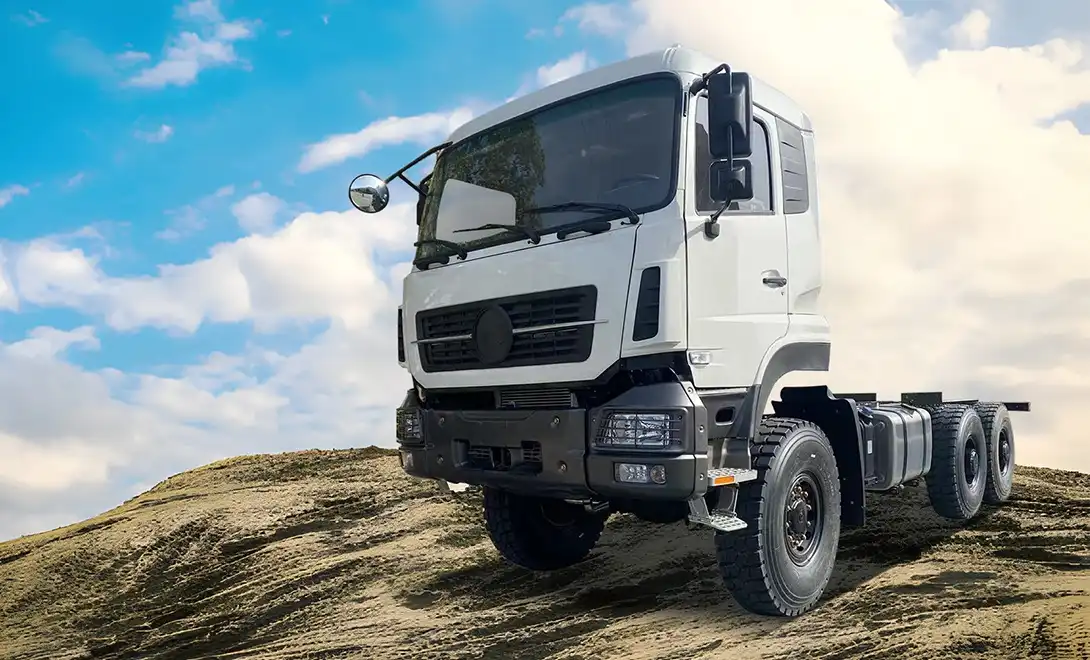
Critical Selection Criteria
The most important thing to think about is the load capacity, which includes both weight limits and size limits. Vehicles have to be able to handle the size of the goods while staying stable while driving on rough ground. When activities are far away and refilling is hard to do or costs a lot of money, fuel economy becomes more important. Environmental suitability determines whether or not a business can operate in certain circumstances. For use in the Arctic, cold-weather starting systems and warming hydraulics are needed. For use in the desert, better cooling systems and dust protection are needed. Compliance with regulations varies a lot from one area to the next. Safety and emission standards affect the choice of tools.
Manufacturer Comparison and Technology Assessment
Some of the best makers set themselves apart by offering unique products and services. Caterpillar leads mining uses with help networks that cover a wide range of issues. Volvo focuses on fuel economy and user comfort, which is especially important for activities that last a long time. Liebherr specializes in precise engineering for applications that need to place loads exactly where they need to go. Technology integration is becoming more and more important in buying choices. For example, tracking systems can track performance in real time and predict repair needs. Advanced features for user help cut down on mistakes made by people and raise safety in dangerous places. Both electric and hybrid powertrains are better for the environment, but their use is currently limited by the limits of their batteries.
Maximizing Efficiency and Safety in Heavy-Duty Off-Road Transport
To be operationally excellent in harsh settings, upkeep, safety, and performance improvement must be looked at in a broad way. In all manufacturing settings, these factors have a direct effect on project timelines, cost control, and worker safety.
Preventive Maintenance Strategies
Harsh working conditions speed up the wear and tear on parts, so preventative repair is necessary to keep them working well. The daily check plans center on important systems like the hydraulics, the engine, and the structure's strength. Fluid analysis tools find pollution early on, which stops major fails that could leave equipment stuck in faraway places. Schedules for replacing parts change based on how busy the business is and the surroundings. Because they are exposed to gritty dust, mining operations need repair more often. On the other hand, forestry operations put a lot of stress on different systems because they have to move around obstacles all the time. Keeping track of spare parts inventory is important for keeping operations running in places where emergency fixes could take days or weeks to finish.
Safety Protocols and Regulatory Compliance
Operator training programs teach both how to use the tools and how to handle emergencies in remote areas. Simulation training shortens the time it takes to learn and limits the amount of time that new workers are exposed to equipment. Different industries have different certification needs. For example, mining jobs usually need special qualifications on top of regular business driver's licenses. Integration of safety equipment includes rolling protection systems, emergency contact devices, and sensors that watch the environment. These systems automatically send out alerts when cars are operating outside of safe limits. This stops crashes before they happen. Safety checks should be done on a regular basis to make sure that new rules are followed and to find ways to make operations better.
Industry Applications and Case Studies: Heavy-Duty Off-Road Transport in Action
Applications in the real world show how important specialized transportation is for many businesses that work in harsh environments. These examples show both the problems and the ways to fix them that make applications successful.
Mining and Resource Extraction
Heavy-duty transport systems are the only way for open-pit mines to move waste and rock from where it is extracted to where it is processed. Over 200 specialized haul trucks are used by a copper mine in Chile. Each one can carry 400-ton loads over steep, dirt roads that are more than 12,000 feet above sea level. Extreme changes in altitude and temperature mean that the engines need to be calibrated differently and the cooling systems need to be improved. When temperatures drop below -40°F and there is no sunshine for months, oil exploration in the Arctic is very difficult. Tracked vehicles with warm cargo bays are used to move fragile goods and equipment across cold land, where wheeled vehicles would sink through the surface ice. These activities show how important engineering for cold weather and self-driving tracking systems are.

Construction and Infrastructure Development
Specialized transportation is needed to get supplies and tools to building sites that can't be reached by road. In hilly areas, building a wind farm needs trucks that can move up to 150-ton turbine parts down steep, narrow roads cut into the sides of hills. Precision guiding systems and trucks that can guide themselves make it safe to move through narrow passageways that would be impossible for regular vehicles. Building pipelines on a variety of terrains shows how flexible modern transportation systems need to be. For projects that go through forests, swamps, and mountains, the vehicles need to be set up in different ways that are best for the terrain and environmental problems. Modular design methods make it easy to change the layout quickly as projects move through different types of land.
JCM: Your Partner for Customized Heavy-Duty Transport Solutions
JCM is the leader in the industry when it comes to making personalized car goods and solutions that meet the strict needs of transporting people in harsh conditions. Our all-around method combines thinking about the whole industry chain with the ability to make solutions that are completely tailored to your specific business needs.
Advanced Manufacturing Capabilities
Heavy-duty vehicles, such as specialized trucks and industrial transport systems, are put together on specially designed assembly lines in our specialized production sites. The combined production method makes it possible to deliver small batches and customized goods quickly, which is important for meeting the specific needs of each project. Our yearly output capacity of 2,000 units across a number of different types of vehicles supports large-scale activities reliably. Technical know-how goes beyond putting together vehicles and includes full production line solutions. We help with all aspects of local manufacturing projects, such as planning the facilities, choosing the right tools, and making the processes run more smoothly. Our ability to make batteries—with a yearly capacity of up to 100 MWh—helps meet the growing need for electric heavy-duty off-road transport options in places that are good for the environmen
Global Support Network and Customization Services
JCM has Original Centers in Southeast Asia, the Middle East, and Europe, which give the company a global footprint and local help for its businesses around the world. Together with our clients, our engineering teams create custom changes that solve specific environmental problems and meet business needs. This includes making things just for defense against extreme weather, special lifting tools, and better safety systems. The "Surfing" automobile industry chain tool connects global talent, providers, and clients, making it possible to provide full project support from the beginning of the planning process to the launch of the product on the market. Our technical advice services help you choose the right vehicles and set them up so that they work as efficiently as possible while still meeting local safety and regulatory requirements.
Conclusion
Heavy-duty off-road transport systems represent critical infrastructure for industries operating in extreme conditions. Success requires careful evaluation of vehicle capabilities against specific operational requirements, supported by comprehensive maintenance strategies and safety protocols. The evolving technology landscape offers improved efficiency and environmental performance, while customized solutions address unique challenges across diverse applications. Strategic partnerships with experienced manufacturers like JCM ensure access to cutting-edge technologies and comprehensive support services essential for sustained operational success in the world's most challenging environments.
Frequently Asked Questions
What are the key differences between tracked and wheeled heavy-duty off-road systems?
Tracked systems provide superior traction and weight distribution on soft surfaces like mud, sand, and snow, making them ideal for consistent operations in challenging terrain. Wheeled systems offer faster transit speeds and lower maintenance costs on semi-prepared surfaces, with better fuel efficiency for applications requiring frequent repositioning between work sites.
How do I determine the appropriate load capacity for my specific application?
Load capacity selection must consider both maximum weight requirements and dimensional constraints of your typical cargo. Factor in safety margins of 15-20% above maximum expected loads, and evaluate how terrain conditions affect actual carrying capacity. Soft ground conditions can reduce effective capacity by 30-40% compared to firm surfaces.
What maintenance considerations are unique to extreme-condition operations?
Extreme conditions require more frequent fluid changes, enhanced filtration systems, and specialized lubricants rated for temperature extremes. Daily pre-operation inspections become critical, focusing on seals, hydraulic systems, and structural components. Spare parts inventory must account for extended delivery times to remote locations, typically maintaining 90-day supply buffers for critical components.
Partner with JCM for Superior Heavy-Duty Off-Road Transport Solutions
Transform your extreme-condition operations with JCM's customized heavy-duty transport systems designed for maximum reliability and performance. As a leading heavy-duty off-road transport manufacturer, we deliver comprehensive solutions from initial design through complete production line setup. Our whole industry chain approach ensures seamless integration of vehicles, components, and support services tailored to your specific operational requirements. Ready to optimize your fleet capabilities? Our engineering team stands ready to develop customized solutions that meet your most challenging transport demands. Contact us at info@jcm-star.com to discuss your project requirements and discover how our innovative transport solutions can enhance your operational efficiency.
References
1. International Journal of Heavy Vehicle Systems. "Advanced Suspension Technologies for Off-Road Transport Applications." Volume 28, Issue 3, 2021.
2. Mining Engineering Magazine. "Optimizing Haul Truck Performance in Extreme Climate Conditions." Society for Mining, Metallurgy & Exploration, 2022.
3. Journal of Terramechanics. "Ground Pressure Distribution Analysis for Heavy Off-Road Vehicles." International Society for Terrain-Vehicle Systems, 2023.
4. Construction Equipment Guide. "Heavy-Duty Transport Solutions for Remote Infrastructure Projects." Associated Construction Publications, 2022.
5. SAE International Technical Papers. "Powertrain Technologies for Extreme Environment Heavy Vehicles." Society of Automotive Engineers, 2023.
6. Off-Highway Research. "Global Heavy-Duty Off-Road Vehicle Market Analysis and Forecast 2023-2028." Industrial Market Research Institute, 2023.

_1755581003287.webp)


_1756108840480.webp)
_1755854765757.webp)