The unique combination of electric propulsion technologies and self-driving technology is what makes New Energy Autonomous Vehicles so special. These high-tech cars use electric powertrains to help the environment and autonomous driving technologies to make them safer and more efficient. This combination delivers a solution that changes the way we think about transportation today while also meeting the needs of commercial fleets for efficiency and sustainability.
Understanding the Design Principles of New Energy Autonomous Vehicles
The design philosophy behind new energy autonomous vehicles centers on creating integrated systems where electric powertrains and autonomous technologies work harmoniously. This approach requires careful consideration of weight distribution, energy management, and computational requirements that support both propulsion and autonomous functions.
Modular Architecture and System Integration
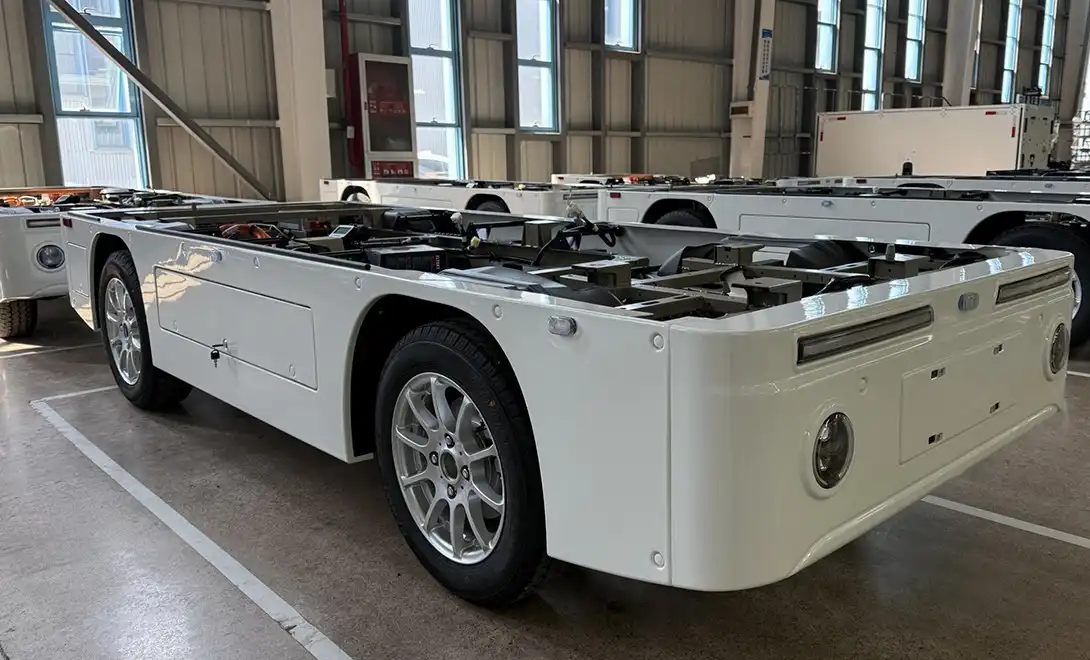
Modern electric self-driving cars use modular design ideas that let them be set up in many ways. These structures can hold different sizes of sensor arrays, computation units, and battery packs while yet being strong. The modular method lets manufacturers make vehicles that are perfect for certain uses, such delivery trucks in cities or long-haul trucks.
The integration problem is to find a balance between the energy use of propulsion and autonomous vehicles systems. Advanced power management systems make sure that all vehicle functions work at their best by prioritizing energy distribution depending on real-time needs. This thorough planning makes the range as far as possible while keeping all autonomous features.
Sensor Fusion and Environmental Awareness
LiDAR, radar, cameras, and ultrasonic sensors are some of the advanced sensor arrays that self-driving electric cars use. These parts need to work well within the vehicle's energy limits while giving complete environmental data. Combining data from many sensors makes safety systems that are more reliable in a variety of situations.
Energy-efficient sensor designs use less power without lowering the precision of detection. Advanced algorithms interpret sensor data on the spot, which lowers the amount of work that central processing units have to do and makes the vehicle system use less energy overall.
Key Safety Features in Autonomous New Energy Vehicles
Safety systems in self-driving electric cars include many levels of protection that work together to keep passengers safe and avoid accidents. These systems need to work well in a variety of weather situations and yet meet energy efficiency criteria.
Collision Avoidance and Emergency Response
Advanced collision avoidance systems use real-time sensor data processing to keep an eye on the area around the vehicle at all times. These technologies can find possible dangers from more than 200 meters away and take action to stop them in milliseconds. When the danger of an accident goes over a certain level, emergency braking systems kick in on their own. They provide stopping forces that are stronger than what a person can respond to.
Combining regenerative braking with emergency systems serves two purposes: it makes things safer and it saves energy as the vehicle slows down. This method gets the most out of the economy advantages of electric propulsion while keeping safety levels higher than those of regular cars.
Vehicle-to-Everything Communication
V2X communication technology allows electric automobiles that drive themselves speak to other cars, infrastructure, and traffic management systems. This communication gives you more information about what's going on than onboard sensors can take up. This is particularly helpful in crowded cities where visual obstacles could make sensors less effective.
Connected automobile systems gather information about traffic, road conditions, and dangers from external sources in real time. When you put this information together, you can plan the best routes ahead of time. This makes both safety and energy efficiency better by avoiding congestion exposure.
Challenges and Solutions in NEAV Design and Safety
The development of new energy autonomous vehicles faces technical hurdles that require innovative engineering solutions. Knowing about these problems helps procurement managers figure out how good a supplier is and how ready their technology is.
Battery Technology and Charging Infrastructure
The amount of energy that autonomous systems need makes battery capacity constraints a big issue for how far autonomous electric vehicles can drive. Most corporate purposes can work with the current ranges of lithium-ion technology. On the other hand, new solid-state batteries promise to store more energy and charge faster.
Fleet operations still require charging stations that work with their cars. Vehicles need to be able to charge in a variety of settings, hence they need to support more than one charging standard and protocol. Advanced charging methods may fill approximately 80% of a battery's capacity in 30 to 45 minutes when used with high-power charging stations.
Cybersecurity and Data Protection
When self-driving vehicles are networked, they require powerful protection measures to avoid cybersecurity risks. Multi-layered security frameworks keep those who shouldn't be there out while yet letting the connections required for autonomous activities happen. Encryption standards keep connections between cars and infrastructure secure and avoid data from being modified in ways that might make safety systems less effective.
Keeping software up to date on a regular basis protects it from emerging cyber dangers. Over-the-air upgrades enable manufacturers send out system updates and security patches without having to take the car in for service. This cuts down on downtime for commercial fleets.
Market Trends and Procurement Insights for Autonomous New Energy Vehicles
The worldwide market for self-driving electric cars is growing quickly. This is because to government assistance, advances in technology, and the fact that they are becoming more affordable. Understanding how the market works helps procurement professionals make smart choices about how to electrify and automate their fleets.
Economic Benefits and Total Cost of Ownership
Electric self-driving cars are more cheaper to run than regular cars because they use less fuel, need less maintenance, and are better at finding the best routes. Autonomous systems change how people drive to use less energy and put less stress on mechanical parts.
When fleet operators switch to electric self-driving cars, they usually see a 40–60% drop in their operating expenses. These savings come from not having to pay for gasoline, lower insurance rates because of better safety records, and less maintenance needed for electric powertrains.
Regulatory Environment and Compliance
Changing rules make it easier and harder for people to buy self-driving electric cars. Many places provide incentives for buying electric cars and tougher pollution requirements that favor electric power. The rules for self-driving cars are still being worked out, and pilot projects are helping to set the stage for commercial use.
Vehicles must fulfill regulatory criteria in various markets, and compliance with safety standards like ISO 26262 for functional safety and cybersecurity standards is one way to make sure they do. These certificates provide fleet operators peace of mind and help with insurance coverage for self-driving operations.
JCM's Advanced Solutions for New Energy Autonomous Vehicles
JCM specializes in developing customized solutions for new energy autonomous vehicles through our comprehensive industry chain approach. Our expertise spans from initial design concepts through production line establishment and ongoing technical support.
Integrated Manufacturing Solutions
We can make autonomous electric vehicles because we have the manufacturing capability to meet their complicated needs. JCM offers whole production line solutions, such as customized assembly fixtures, quality control systems, and testing equipment made just for parts for electric and self-driving cars.
We make batteries to order, with a yearly capacity of up to 100 MWh, and we can handle different cell combinations and pack designs. Our drive motor manufacturing lines provide whole electric propulsion systems that are perfect for self-driving cars.
Technical Support and Customization
JCM's engineers work closely with customers to come up with vehicle specs that match their individual needs. Our modular approach lets you customize a lot while yet keeping manufacturing efficient and cost-effective. We provide continuing technical assistance for the whole life of the vehicle to make sure it runs well and is reliable.
We have R&D facilities and service networks all throughout the world, which means we can quickly help foreign customers. We are experts in integrating autonomous vehicles, which helps our customers deal with the challenges of merging electric propulsion with autonomous technology.
Conclusion
New energy autonomous vehicles represent a fundamental shift toward safer, more efficient, and environmentally sustainable transportation solutions. When electric powertrains are combined with self-driving technology, they make cars that are safer, more efficient, and cheaper to run than normal cars. Procurement professionals may make smart choices regarding fleet modernization plans if they know about design principles, safety features, and market trends. As technology keeps getting better and rules become better, self-driving electric cars will become more and more important for businesses in many different fields to stay competitive.
FAQ
Q1: How do new energy autonomous vehicles ensure safety in complex traffic environments?
A: These cars stay fully aware of their surroundings by using sophisticated sensor fusion that combines LiDAR, radar, cameras, and ultrasonic sensors. Real-time V2X communication gives you more information about the situation than just what the sensors can see. Redundant safety measures make sure that everything works even if one part fails.
Q2: What are the main differences between electric autonomous vehicles and traditional gasoline autonomous vehicles?
A: Electric self-driving cars have no emissions, much reduced operating costs, and work better with digital infrastructure. They provide you quick torque and run more quietly, but they need new kinds of maintenance that rely on battery systems instead of internal combustion engines.
Q3: What factors should B2B clients consider when procuring autonomous new energy vehicles?
A: Some important things to think about include the supplier's technical skills, if they meet safety certification standards, how much it will cost to purchase the product, whether the charging infrastructure will work with it, and whether they will be able to help you in the long run. Checking out customization possibilities and production scalability makes sure that the solution fits certain operational needs.
Partner with JCM for Advanced Autonomous Vehicle Solutions
JCM offers complete solutions for making self-driving cars that are customized to meet your individual needs. Our comprehensive strategy uses the latest electric propulsion technology and sophisticated autonomous technologies, together with full manufacturing line capabilities and continuing technical knowledge. We make batteries, drive motors, and specialist assembly solutions that are tailored to the needs of contemporary electric autonomous cars. Ready to transform your fleet with next-generation autonomous vehicle technology? Contact us at info@jcm-star.com to discuss your autonomous vehicle supplier needs and explore our comprehensive manufacturing solutions.
References
1.Society of Automotive Engineers. "Taxonomy and Definitions for Terms Related to Driving Automation Systems for On-Road Motor Vehicles." SAE International Standard J3016, 2021.
2.National Highway Traffic Safety Administration. "Federal Motor Vehicle Safety Standards for Automated Driving Systems." Department of Transportation, 2022.
3.International Organization for Standardization. "Road Vehicles - Functional Safety Standards for Autonomous Vehicle Systems." ISO 26262-12, 2021.
4.Institute of Electrical and Electronics Engineers. "Standard for Cybersecurity Framework for Connected and Autonomous Vehicles." IEEE 2846-2022.
5.World Economic Forum. "Autonomous Vehicle Technology and Market Analysis Report." Global Future Council on Mobility, 2023.
6.McKinsey & Company. "The Future of Autonomous and Electric Commercial Vehicle Markets." Automotive and Assembly Practice, 2023.

_1755581003287.webp)


_1756108840480.webp)
_1755854765757.webp)