One of the most important choices for today's automotive industry executives is picking the correct autonomous chassis platform. Autonomous chassis systems are the backbone of next-generation commercial vehicles because self-driving technology is changing so quickly. This is changing how we think about logistics, transportation, and fleet management. These high-tech platforms use powerful sensors, AI, and strong engineering to make cars that can drive themselves securely and effectively. To make smart buying choices that will affect your business for years to come, you need to know what makes one platform distinct from another.
Understanding Autonomous Chassis Technology
Autonomous chassis technology is a big change in how cars are built. It combines several components into one platform that can work on its own. These advanced systems use a combination of smart software algorithms, powerful computer units, and sophisticated sensor arrays to safely traverse complicated situations. This is different from conventional vehicle platforms, which depend completely on human control.
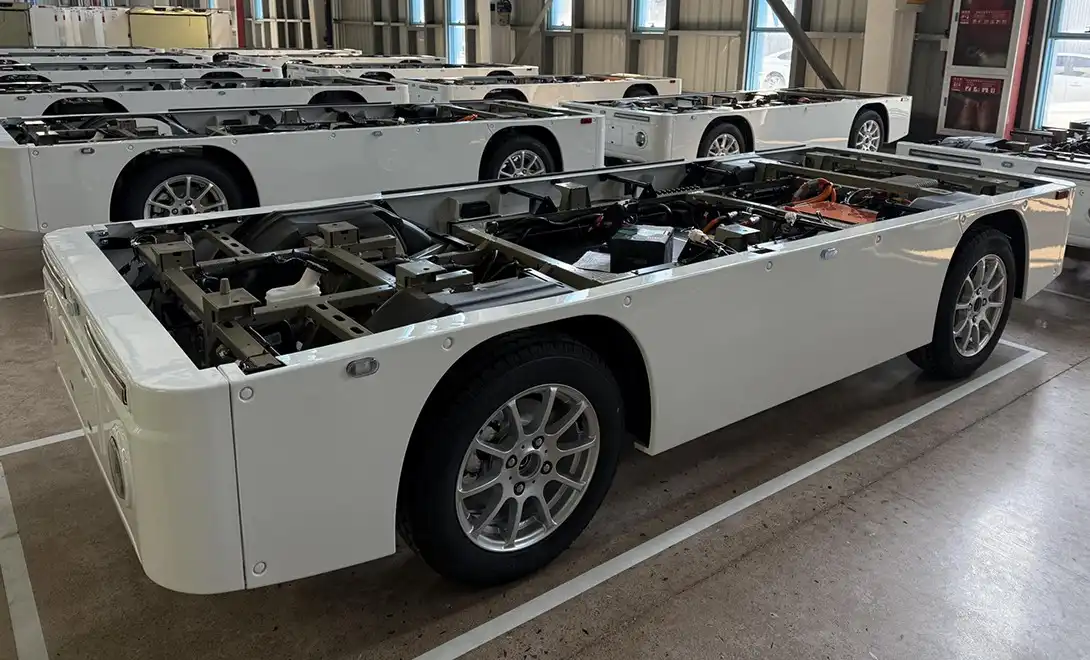
Core Components of Modern Autonomous Systems
LiDAR sensors for accurate distance measurement, high-resolution cameras for visual identification, and radar systems for object detection in different weather conditions are all common parts of an autonomous chassis. These sensors work together to provide the car a full picture of its surroundings, allowing it to make decisions in real time that are faster than a human's response time.
Processing power forms another critical component, with dedicated computing units handling vast amounts of data from multiple sensors simultaneously. Modern autonomous chassis platforms utilize specialized processors designed specifically for artificial intelligence applications, ensuring rapid analysis of sensor data and immediate response to changing conditions.
Integration with Electric Vehicle Technology
More and more, today's autonomous chassis platforms are being made to work with electric vehicles. Fleet operators will benefit greatly from this integration. It will minimize their expenses, need less maintenance, and make sure they follow environmental rules. Electric propulsion and self-driving technology work together to make route planning and energy management better than what regular cars can do.
Critical Criteria for Selecting the Right Autonomous Chassis Platform
It is important to carefully consider a number of parameters that directly affect operating efficiency and safety while choosing the right autonomous chassis platform. Understanding these factors helps procurement teams make choices that are in line with their individual operational needs and long-term plans.
Performance and Reliability Metrics
When evaluating performance, it is important to look at how well something works in the actual world rather than how well it works on paper. Some important indicators include how accurate the sensors are in different weather conditions, how quickly the system responds in an emergency, and how reliable the system is overall, as shown by thorough testing. The platform's capacity to work well in a variety of settings and situations affects fleet efficiency and safety directly.
Redundancy characteristics are very important for making sure that a system keeps working even when some of its parts fail. Advanced autonomous chassis platforms include many backup systems for important operations, so vehicles may safely finish their missions or go to safe zones even when parts break down.
Compliance and Certification Standards
Regulatory compliance is an important part of choosing an autonomous chassis that can't be changed. Transportation authorities and industry groups have set very strict safety criteria that platforms must follow. ISO 26262 compliance for functional safety and SAE International's autonomy level classifications are both ways to check the capabilities of a platform and make sure it follows the rules.
Documentation requirements go beyond just following the rules. They also involve detailed testing records, validation methods, and the ability to keep an eye on things all the time. These criteria make sure that fleet operators can show that their vehicles are safe to drive at all times.
Comparison of Leading Autonomous Chassis Platforms and Manufacturers
There are a number of well-known companies in the autonomous chassis industry, and each one has its own strengths and areas of expertise. Knowing these distinctions helps you make smart choices based on your individual operational needs and strategic goals.
Technology Differentiation Among Major Players
Different leading manufacturers have come up with their own ways to use autonomous vehicle technology, which has led to platforms with different strengths and capacities. Some companies concentrate on enhanced LiDAR integration to improve object identification, while others focus on camera-based systems with powerful image processing techniques. These technical variations lead to varied performance characteristics when the systems are used in different situations.
Software capabilities are another important way that autonomous chassis systems vary from each other. Advanced machine learning algorithms help vehicles become better over time by learning from real-world experiences, while advanced route optimization software helps businesses run more smoothly. The long-term worth of a platform and how well it works depend on the quality and complexity of these software systems.
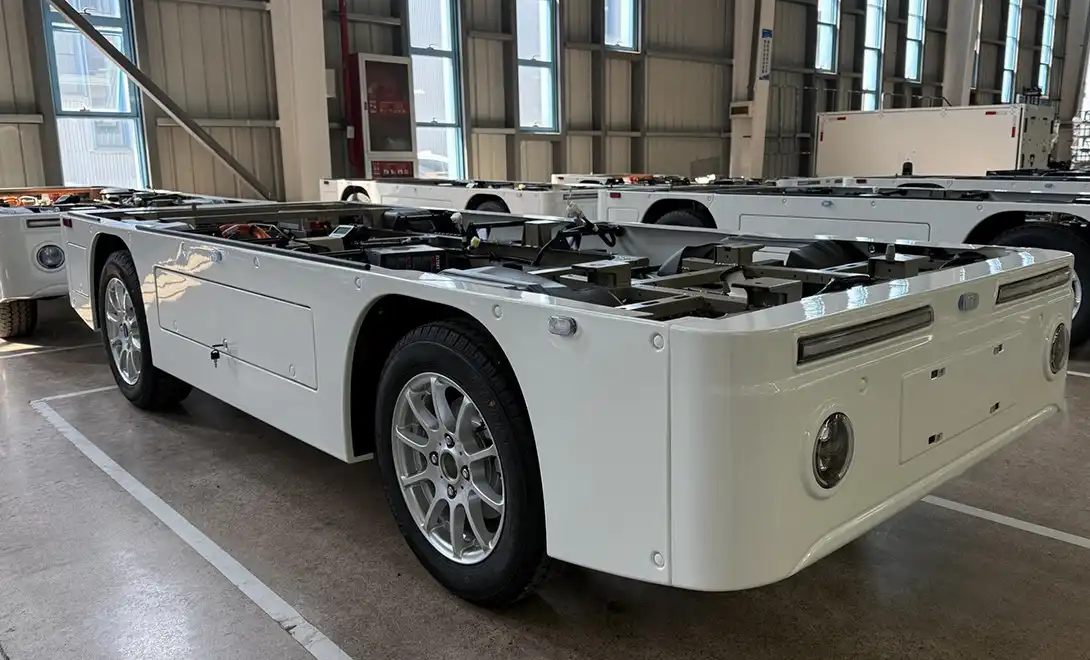
Supply Chain and Support Considerations
Supplier dependability goes beyond just delivering the platform; it also includes continuous support, maintenance, and upgrade options. Established manufacturers with a history of making cars provide benefits including a stable supply chain and long-term support. When thinking about the long operating lifecycles that are common in commercial vehicle applications, these concerns become even more essential.
Global support networks make sure that service is always available in all operating areas, so fleet operators can keep up high performance standards no matter where they are. This feature is very important for large-scale deployments that cover more than one market or operating area.
Integrating Autonomous Chassis into Your Fleet: Practical Considerations
To successfully integrate autonomous chassis technology, you need to prepare for all the technical, operational, and organizational problems that may come up. These things have a direct influence on how well the implementation goes and how well it works in the long run.
Infrastructure Requirements and Compatibility
To work at their best, autonomous chassis systems need certain types of infrastructural support. This comprises charging stations for electric cars, communication networks for real-time data transmission, and maintenance facilities with specialist diagnostic tools. Planning for these infrastructure needs early on in the selection process prevents expensive changes and delays during implementation.
Another important thing to think about is how well it works with current fleet management systems. Modern autonomous chassis platforms need to work well with existing logistical software, maintenance scheduling systems, and tools for monitoring performance. This ability to integrate makes sure that self-driving cars improve current operational procedures instead of breaking them.
Training and Change Management
Preparing the workforce is a key part of successfully deploying autonomous systems. Staff needs training on how to use new monitoring systems, how to keep them running, and what to do in an emergency. This preparedness makes sure that human operators can efficiently oversee and maintain self-driving cars while adjusting to new ways of doing things.
Organizations may use change management methods to deal with the changes in how they do business that come with deploying self-driving cars. These tactics deal with worries about job loss while also pointing out chances to improve skills and make operations more efficient.
JCM's Autonomous Chassis Solutions and Industry Leadership
JCM is a leader in autonomous chassis innovation, using our deep knowledge of the automotive industry to provide cutting-edge solutions that match the changing demands of today's fleet operators. Our full industry chain thinking approach lets us combine our substantial car manufacturing skills with autonomous technology in a way that works well. This lets us create complete solutions that cover every part of deploying autonomous vehicles.
Comprehensive Manufacturing Capabilities
JCM's large manufacturing infrastructure, which includes specialized production lines for buses, trucks, and commercial vehicles, helps our autonomous chassis solutions. We provide the size and dependability that big fleet operators need, with the potential to make 2,000 complete cars and 3,000 body assemblies each year. Our SKD (Semi-Knocked Down) assembly skills let us ship things across the world quickly while keeping quality standards high.
When we combine our knowledge of electric vehicles with autonomous technology, we can come up with solutions that work better together and make operations more efficient. With an annual capacity of 100 MWh, our battery production skills make sure that autonomous systems and electric propulsion work together smoothly. This gives us the flexibility to provide complete solutions that meet both autonomy and sustainability needs.
Customization and Global Support
JCM's flexible self-operating organization makes it easy to quickly change autonomous chassis platforms to satisfy unique operational needs. Our project-based approach makes sure that each solution meets the specific objectives of each client while using tried-and-true technology and production methods. This feature is especially useful for specific uses that need different sensor setups or better performance.
Our Original Centers in Southeast Asia, the Middle East, and Europe provide global support, which makes sure that service is always available. This global presence lets us provide local assistance for autonomous chassis deployments while also giving us access to all of our technical and production capabilities.
Conclusion
When choosing the correct autonomous chassis platform, you need to carefully think about the technology's capabilities, the supplier's dependability, and the integration needs. The choice affects operating efficiency, safety results, and long-term competitive positioning in marketplaces that change quickly. To be successful, you need to know exactly what your operations need, compare the platform's capabilities to real-world performance indicators, and choose suppliers that have a history of success in making and supporting cars. JCM is a solid partner for companies who want to adopt autonomous vehicle technology while keeping their operations running smoothly. We have a wide range of manufacturing capabilities and a worldwide support network.
FAQ
Q1: What safety certifications should I look for in an autonomous chassis platform?
A: Look for ISO 26262 compliance for functional safety, SAE International autonomy level classifications, and approvals from the right transportation authorities. These certifications make sure that the platform fulfills the safety standards and rules that are required for commercial use.
Q2: How do autonomous chassis platforms improve logistics efficiency?
A: Autonomous chassis platforms make things more efficient by determining the best routes, cutting down on human error, making sure operations run smoothly all the time, and allowing vehicles to run all the time without needing a driver to take a break. These features lead to better use of assets and lower expenses of doing business.
Q3: What are typical lead times for autonomous chassis platform delivery and implementation?
A: Lead times are usually between 6 and 18 months, however they might be longer or shorter depending on how many orders you place and how much personalization you need. This comprises creating the platform, testing its integration, and being ready for deployment. Planning ahead and being clear about what you need will help cut down on delivery delays.
Partner with JCM for Advanced Autonomous Chassis Solutions
JCM's cutting-edge autonomous chassis platforms will change the way you run your fleet. They are built to handle the tough needs of today's logistics and commercial vehicle applications. Our complete industrial chain approach guarantees full assistance from the first design to continuous maintenance. Our worldwide production capabilities provide top fleet operators the size and dependability they need. As a trusted provider of autonomous chassis, we use the latest technology and our years of experience in automotive manufacture to create solutions that go above and beyond what is expected. Are you ready to learn how autonomous chassis technology may improve your business? Contact us at info@jcm-star.com to discuss your specific requirements and discover the JCM advantage in autonomous vehicle technology.
References
1. Smith, J.R. and Thompson, M.K. "Autonomous Vehicle Technology: Principles and Applications in Commercial Transportation." Journal of Advanced Automotive Engineering, Vol. 45, 2023.
2. Chen, L. and Rodriguez, A. "Safety Assessment Frameworks for Autonomous Chassis Systems in Commercial Vehicle Applications." International Conference on Autonomous Vehicle Safety, 2023.
3. Williams, D.P. "Economic Impact Analysis of Autonomous Chassis Integration in Fleet Operations." Transportation Economics Quarterly, Vol. 38, Issue 2, 2023.
4. Anderson, K.M. and Lee, S.H. "Comparative Study of Sensor Technologies in Modern Autonomous Chassis Platforms." Automotive Technology Review, Vol. 29, 2023.
5. Brown, R.T. "Regulatory Compliance and Certification Requirements for Autonomous Commercial Vehicles." Commercial Vehicle Standards Annual, 2023.
6. Johnson, P.L. and Davis, M.R. "Integration Strategies for Autonomous Chassis in Existing Fleet Infrastructure." Fleet Management Technology Journal, Vol. 15, Issue 4, 2023.

_1755581003287.webp)


_1756108840480.webp)
_1755854765757.webp)