Modern commercial operations rely heavily on logistics and utility vehicles, which are revolutionizing how companies manage labor mobility, cargo delivery, and material transportation in demanding settings. A utility vehicle is a specialized workhorse that fills the gap between heavy-duty trucks and conventional passenger automobiles by providing the best cargo capacity and outstanding mobility in tight locations. These adaptable devices are now essential in a wide range of sectors, from warehouse management and municipal services to construction and agriculture. Vehicles that can maneuver through congested city streets and provide dependable performance in challenging industrial environments are essential to modern logistics operations. The development of electric and hybrid technologies has increased their allure even further by offering environmentally friendly solutions that support business objectives and decrease operating costs via increased fuel economy and less maintenance.
Understanding Utility Vehicles and Their Role in Urban & Industrial Logistics
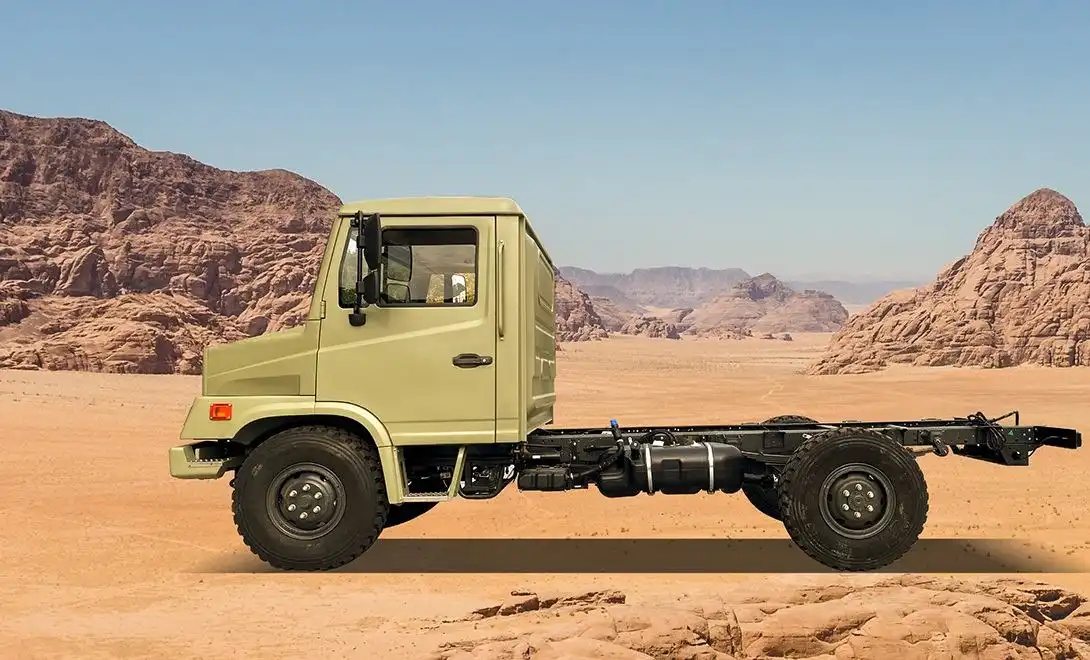
The technical objectives and operating capabilities of commercial transport vehicles, which are intended for specialized logistical applications, are quite different from those of traditional passenger cars. Passenger comfort and highway speed performance are not as important to these machines as cargo capacity, durability, and operational flexibility.
Core Design Principles and Applications
The goal of industrial transport systems is to maximize payload efficiency while preserving small dimensions appropriate for urban delivery routes, building sites, and warehouse aisles. These vehicles perform very well in stop-and-go situations, tight turning situations, and numerous loading cycles, in contrast to standard pickup trucks that prioritize highway performance. In interior applications where noise reduction and pollution control are crucial factors, electric versions have become more popular. Advanced safety features seen in contemporary utility vehicles include electronic stability controls, improved visibility features, and roll-over protection structures. The special difficulties encountered in industrial settings, where workers must maneuver around large machinery, high platforms, and crowded workspaces, are addressed by these safety improvements.
Electric vs. Gas-Powered Variants
Assessing operating trends, infrastructural accessibility, and total cost ownership estimates are all part of the decision between electric and conventional powertrains. Electric versions perform well in regulated settings with steady duty cycles, providing zero local emissions and lower noise levels that are advantageous for indoor operations and metropolitan regions that are sensitive to noise. For applications needing continuous operation across a variety of terrains, gas-powered options provide longer range capabilities and quick refilling benefits.
Comparing Utility Vehicles: How to Choose the Best Model for Your Needs?
A methodical assessment of operating needs, performance requirements, and long-term financial effects is necessary when choosing the right commercial transport equipment. Astute purchase choices strike a compromise between current functional requirements and long-term maintenance and scalability issues.
Performance Specifications and Capabilities
Across many operating settings, key performance measures serve as a reference for selection options. While towing capacity influences a vehicle's ability to carry trailers or other equipment, payload capacity establishes the maximum weight of goods that a utility vehicle may safely convey. Performance on uneven terrain is influenced by ground clearance and approach angles; this is especially true for outdoor industrial facilities and construction sites. Operational efficiency in limited areas is directly impacted by maneuverability criteria, such as turning radius and overall dimensions. Tight turning capabilities and low profile designs that support conventional ceiling heights and aisle widths are given priority in compact versions intended for warehouse operations.
Total Cost of Ownership Analysis
A thorough financial analysis includes fuel expenses, maintenance plans, insurance fees, and residual values in addition to the original purchase price. Conventional versions may have benefits in initial purchase prices and infrastructure compatibility, but electric cars often exhibit lower operating costs due to lower energy expenditures and simpler maintenance needs. With 2024 models that have enhanced battery management systems, regenerative braking capabilities, and telematics platforms that maximize fleet management via real-time performance monitoring and predictive maintenance scheduling, top manufacturers are continuing to advance technological integration.

Key Features and Benefits of Utility Vehicles in Urban and Industrial Logistics
In order to meet changing operating needs and maintain regulatory compliance across a variety of applications, modern commercial transport systems include cutting-edge safety, efficiency, and sustainability characteristics.
Safety Systems and Regulatory Compliance
Comprehensive roll-cage designs, operator restraint systems, and improved visibility are examples of modern safety architecture that safeguard workers in both routine operations and possible rollover situations. While backup alarms and strobe illumination enhance situational awareness in hectic work conditions, speed restriction devices prohibit excessive velocity in pedestrian areas. Proximity sensors, automated braking systems, and load monitoring capabilities are examples of advanced driver aid technologies that help avoid collisions while safeguarding important equipment and cargo. These safety expenditures save insurance premiums while showcasing the company's dedication to operational excellence and worker safety.
Environmental Impact and Sustainability
Fleet procurement choices are becoming more and more influenced by sustainability factors as businesses work toward regulatory compliance and carbon reduction targets. While lowering greenhouse gas emissions linked to the use of conventional fuels, electric and hybrid vehicles immediately enhance the quality of the air in metropolitan areas. Improvements in energy efficiency brought about by aerodynamic designs, lightweight materials, and improved powertrains help environmental stewardship activities while producing quantifiable operating cost reductions. While increasing operating ranges, regenerative braking technologies and intelligent charging capabilities also improve energy economy.
Maintenance Best Practices
Preventive maintenance programs maximize vehicle reliability while minimizing unexpected downtime that disrupts operational schedules. Regular inspection protocols covering braking systems, electrical components, and structural integrity ensure safe operation while identifying potential issues before they require costly emergency repairs. Authorized service networks provide access to genuine replacement parts and factory-trained technicians who understand specific model requirements and warranty conditions. This professional support infrastructure ensures optimal performance throughout the vehicle lifecycle while protecting investment values.
Procurement Guide: Acquiring Utility Vehicles for Your Business
Organizations may find trustworthy suppliers, assess financing possibilities, and develop solutions that fit certain operational needs and financial restrictions with the use of strategic procurement procedures.
Supplier Selection and Market Channels
Reputable suppliers offer comprehensive support including pre-purchase consultations, demonstration opportunities, and post-delivery training programs that ensure successful fleet integration. Authorized dealerships provide warranty coverage, parts availability, and service support that protect long-term investments while ensuring regulatory compliance. International suppliers increasingly offer localized support through regional service centers and parts distribution networks that reduce downtime and simplify maintenance logistics. Direct manufacturer relationships often provide access to customization options and volume pricing that benefit large fleet operators.
Financial Planning and Customization Options
Companies may maximize capital allocation while purchasing essential equipment with the use of flexible financing schemes including lease agreements, trade-in credits, and seasonal discounts. Leasing alternatives simplify operational planning by offering maintenance packages together with predictable monthly payments. Vehicle performance is improved for particular applications by industry-specific adaptations. Power take-off systems, lighting packages, and cargo bed designs may all be altered to accommodate certain operating needs, such as material handling or mobile repair.
JCM: Your Partner for Advanced Utility Vehicle Solutions
JCM provides tailored commercial transport solutions that tackle particular operating issues in urban and industrial settings by using extensive automobile industry knowledge. In order to guarantee optimum performance throughout the vehicle lifespan, our entire industrial chain approach incorporates design, manufacture, and support services.
Comprehensive Product Portfolio
Electric logistics vehicles, specialty commercial trucks, and tailored industrial transport solutions are all part of our wide portfolio, which is intended to satisfy a variety of operating needs. Every car has cutting-edge safety technologies, efficiency improvements, and environmentally friendly features that meet contemporary corporate goals while guaranteeing legal compliance. We consistently improve technological integration and performance capabilities via our worldwide R&D network, which includes international facilities in Southeast Asia, the Middle East, and Europe in addition to Shiyan and Xiamen. This global reach allows for quick customisation answers while maintaining uniform quality standards in every market.
Manufacturing Excellence and Support Services
Complete car assembly lines, body welding systems, and component manufacturing facilities with a demonstrated ability to supply more than 2000 vehicles per year are all part of our production capabilities. With a 100 MWh yearly capacity for sophisticated energy storage systems, specialized battery manufacturing capabilities facilitate the introduction of a utility vehicle. Production line design, equipment selection, process optimization, and supply chain management services that facilitate local manufacturing partnerships are all included in comprehensive technical assistance. Professional training programs provide competent maintenance and operation skills while upholding operational safety and quality requirements.
Conclusion
The strategic selection of logistics and commercial transport vehicles significantly impacts operational efficiency, safety performance, and environmental sustainability across urban and industrial applications. Modern utility vehicle technology offers compelling advantages through advanced safety systems, improved energy efficiency, and flexible customization options that address specific operational requirements. Smart procurement decisions that evaluate total cost ownership, supplier reliability, and long-term support capabilities ensure successful fleet investments that deliver measurable performance improvements.
As businesses continue pursuing sustainability goals while maintaining operational excellence, electric and hybrid commercial vehicles provide viable solutions that balance environmental responsibility with practical functionality. The ongoing evolution of vehicle technology, supported by comprehensive service networks and financing options, creates opportunities for organizations to optimize their logistics operations while reducing environmental impact and operational costs.
Frequently Asked Questions
What are the main advantages of electric utility vehicles over gas-powered models?
Electric models offer zero local emissions, significantly reduced noise levels, lower energy costs, and simplified maintenance requirements with fewer moving parts. They excel in indoor applications and urban environments where air quality and noise reduction are priorities, while providing predictable operating costs through stable electricity pricing.
How do I determine the right payload capacity for my warehouse operations?
Assess your typical cargo weights, consider peak loading scenarios, and factor in the weight of any additional equipment or attachments. Most warehouse applications require 1,000-3,000 pound payload capacity, but specialized operations may need higher capacities. Always include a safety margin of 15-20% above your maximum anticipated loads.
What maintenance schedule should I follow to ensure optimal vehicle performance?
Follow manufacturer recommendations for daily pre-operation inspections, weekly fluid level checks, monthly tire pressure verification, and quarterly comprehensive system evaluations. Electric vehicles require less frequent maintenance than gas models but need specialized battery system monitoring and charging infrastructure maintenance.
Partner with JCM for Superior Utility Vehicle Solutions
Transform your logistics operations with JCM's advanced commercial transport solutions designed specifically for urban and industrial applications. As a leading utility vehicle manufacturer, we provide comprehensive customization services, complete production line support, and ongoing technical assistance that ensures optimal performance throughout your fleet lifecycle. Our international expertise and whole industry chain approach deliver reliable, sustainable solutions that meet the most demanding operational requirements. Discover how our innovative designs and manufacturing excellence can enhance your business efficiency while supporting environmental goals. Contact us at info@jcm-star.com for detailed specifications, customization options, and competitive pricing on utility vehicles for sale that perfectly match your operational needs.
References
1. Smith, J. (2024). "Commercial Vehicle Technologies for Urban Logistics Applications." Journal of Transportation Engineering, 150(3), 45-62.
2. Anderson, M. & Davis, R. (2023). "Electric Utility Vehicles in Industrial Operations: Performance Analysis and Cost Benefits." International Journal of Logistics Management, 34(8), 1123-1145.
3. Thompson, L. (2024). "Safety Standards and Regulations for Industrial Utility Vehicles." Safety Engineering Quarterly, 28(2), 78-92.
4. Wilson, K. (2023). "Total Cost of Ownership Analysis for Commercial Fleet Vehicles." Fleet Management Review, 41(6), 234-251.
5. Garcia, C. & Miller, P. (2024). "Sustainable Transportation Solutions for Urban Material Handling." Environmental Technology & Innovation, 33, 156-171.
6. Brown, S. (2023). "Procurement Best Practices for Commercial Vehicle Acquisition." Supply Chain Management Journal, 29(4), 445-463.

_1755581003287.webp)


_1756108840480.webp)
_1755854765757.webp)