Customizing emergency rescue vehicles turns ordinary cars into specialist tools that may save lives in a variety of mission situations. Every rescue mission, including hazardous material containment, medical response, firefighting, and disaster relief, need exact vehicle modifications that are adapted to particular operational requirements. With life-saving technology and specialized equipment that may mean the difference between successful operations and disastrous consequences, these specially designed platforms function as mobile command centers. In order to help first responders function well in difficult situations, modern rescue vehicles have cutting-edge medical equipment, safety measures, and communication systems. In order to help procurement managers and fleet operators make well-informed choices that improve operational efficiency and mission success rates, this thorough handbook delves into the complex process of customizing rescue vehicles.Customizing emergency rescue vehicles turns ordinary cars into specialist tools that may save lives in a variety of mission situations.

Understanding the Core Functions of Emergency Rescue Vehicles
Emergency rescue vehicles operate across multiple mission profiles, each requiring distinct functional capabilities and equipment configurations. Understanding these core functions enables procurement teams to specify vehicle requirements that align with operational demands and safety standards.
Mission-Specific Vehicle Roles
High-capacity water pumps, foam injection systems, and heat-resistant storage spaces for protective gear are all necessary for firefighting units. In order to ensure patient comfort during transportation, medical response vehicles provide priority to patient care spaces equipped with cutting-edge life support equipment, temperature control, and smooth suspension systems. When conventional infrastructure fails, disaster relief vehicles prioritize having storage space for emergency supplies, communication devices, and all-terrain capability to get to impacted regions.
In order to safeguard responders and the environment, hazardous material response trucks are equipped with specialized containment systems, decontamination tools, and ventilation systems. Every kind of vehicle is put through extensive testing to make sure it complies with industry requirements, such as DOT rules for medical transport vehicles and NFPA certifications for fire equipment.
Safety Protocol Integration
Several safety devices are included into contemporary emergency rescue vehicles to safeguard patients and crew. These consist of emergency lighting packages, roll-over prevention systems, and communication redundancy that keeps in touch with command centers even under difficult circumstances. Modern GPS monitoring and collision avoidance technologies lower fleet owners' liability worries while improving operational safety.
Customization Principles for Emergency Rescue Vehicles
Effective vehicle customisation adheres to methodical guidelines that strike a balance between operational limitations and mission objectives. In order to maximize vehicle efficacy in a variety of situations, these principles direct component selection, layout design, and performance requirements.
Modular Design Implementation
Rapid reconfiguration of vehicle equipment in response to changing mission requirements is made possible by modular customizing techniques. Standardized mounting solutions preserve weight distribution and structural integrity while accommodating various tool packages. Because of this adaptability, fleet managers may modify vehicles to meet changing operating needs or seasonal demands without having to replace them entirely. Optimizing compartment design ensures prompt access to essential equipment while optimizing storage space. Secure mounting brackets, movable shelves, and specialized drawer systems guard against equipment damage in high-speed reaction scenarios. In an emergency, staff members may swiftly identify equipment thanks to LED lighting systems' superior visibility within storage facilities.
Powertrain Selection Strategies
Vehicle performance, running expenses, and environmental compliance are all greatly impacted by the choice of powertrain. Conventional diesel engines are suitable for prolonged deployment situations and rural operations due to their demonstrated dependability and long range. Electric powertrains are advantageous for urban operations with strict environmental rules since they operate quietly, emit less pollutants, and need less maintenance. The benefits of both technologies are combined in hybrid systems, which provide diesel backup for longer flights and electric-only operation for hospital zones. In order to minimize fuel consumption and noise levels during prolonged on-scene operations, these systems often include auxiliary power units that run onboard equipment without using the primary engine.
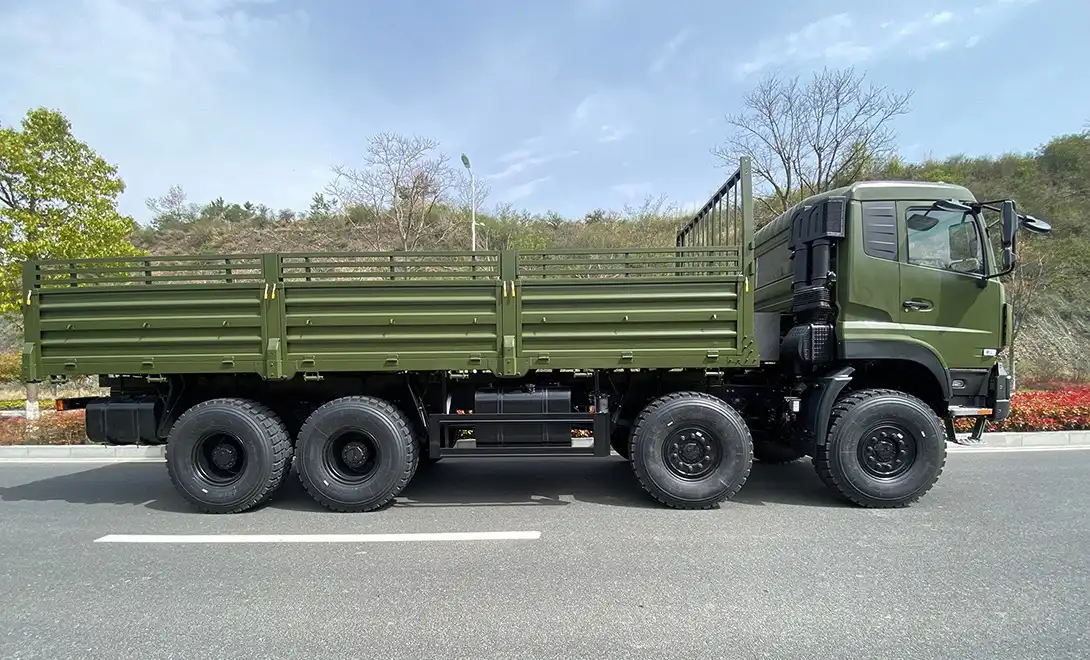
Comparing Emergency Rescue Vehicle Models and Technologies
When choosing a vehicle, performance attributes, technological integration, and lifespan costs must all be carefully considered. Rescue vehicle design is approached differently by different manufacturers, each with unique benefits appropriate for certain operating needs.
Performance Metrics Analysis
Acceleration capabilities for quick reaction, braking distance when fully loaded, and maneuverability in congested metropolitan areas are examples of key performance metrics. The quantity of equipment and supplies that any vehicle can transport while still operating safely and within the permitted weight limitations is determined by its payload capacity. Response range capabilities and operational costs are directly impacted by fuel economy. Modern suspension systems provide solid platforms for onboard activities while reducing equipment vibration during transit. In bad weather and off-road settings, which are typical in disaster response situations, all-wheel-drive systems improve traction. When infrastructure damage or natural catastrophes prevent regular road access, these skills become crucial.
Technology Integration Benefits
In order to improve operational efficacy, modern rescue vehicles are equipped with advanced technological packages. While automated vehicle locating systems allow dispatch centers to keep an eye on fleet locations, GPS navigation systems with real-time traffic updates improve response routes. Digital communication systems coordinate multi-agency responses and keep in touch with command centers. In order to minimize unplanned malfunctions during crucial missions, onboard diagnostic devices track the condition of the vehicle and forecast maintenance needs. Situational awareness and documentation capabilities offered by integrated camera systems facilitate post-event analysis and training initiatives.
Procurement Considerations for Customized Emergency Rescue Vehicles
Lifecycle cost analysis, specification creation, and meticulous supplier assessment are all necessary for successful procurement methods. These factors guarantee that acquired vehicles fulfill operational needs and provide emergency service companies long-term value.
Supplier Evaluation Criteria
Proven track records of providing dependable solutions and a wealth of knowledge in emergency rescue vehicle customisation are characteristics of qualified vendors. Professional competence and adherence to safety standards are shown by industry certifications such as ISO quality management systems and specialized rescue vehicle manufacturing credentials. Customer testimonials from comparable businesses provide insightful information about the performance and support capabilities of suppliers. Evaluation of manufacturing capacity guarantees that suppliers can fulfill delivery deadlines, especially for fleet purchases or urgently required replacement cars. The quality of continuing maintenance assistance and the availability of parts throughout the course of a vehicle's lifespan are determined by the availability of the local service network.
Specification Development Process
Operational requirements analysis, which pinpoints particular equipment needs, performance standards, and compliance requirements, is the first step in developing detailed specifications. Working together, procurement teams and operational staff can make sure that vehicle configurations meet mission-critical criteria and real-world use patterns. Before committing to full production orders, firms may verify vehicle performance via prototype testing and assessment stages. By identifying possible problems, this procedure makes it possible to revise specifications and optimize final vehicle designs.
Future Trends in Emergency Rescue Vehicle Customization
Rescue vehicle design and customisation are always developing due to emerging technology and changing operating needs. Procurement professionals may prolong vehicle usability and operational relevance by making forward-looking choices based on their understanding of these patterns.
Advanced Technology Integration
Artificial intelligence technologies optimize equipment deployment plans and improve vehicle diagnostics and predictive maintenance capabilities. Internet of Things sensors provide real-time data that enhances decision-making during emergency rescue operations by tracking ambient conditions and equipment status. Technologies for autonomous driving have the potential to improve safety in high-stress scenarios and speed up reaction times. Although complete autonomy is still being developed, existing sophisticated driver aid technologies enhance their ability to prevent collisions and optimize routes.

Sustainable Vehicle Solutions
Purchasing choices for vehicles are increasingly influenced by environmental sustainability factors. By using less fuel and requiring less maintenance, electric and hybrid rescue vehicles lower carbon emissions while also saving money on operating costs. Electric cars' operating range is being extended by advancements in battery technology, which makes them suitable for a wider variety of uses. Advanced composites and aluminum alloys are examples of lightweight materials that lower vehicle weight without sacrificing structural integrity. These materials enhance fuel economy across all engine types and allow for greater equipment capacity within permitted weight limitations.
JCM Emergency Rescue Vehicle Solutions
Using full industry chain thinking to provide complete customisation services, JCM is a prominent company that specializes in customized emergency rescue vehicle solutions. We create and produce customized vehicles that satisfy a variety of mission requirements while upholding the highest quality standards thanks to our broad R&D skills and worldwide presence. Fire engines, ambulances, disaster response units, and vehicles for the containment of hazardous materials are all part of our fleet of emergency rescue vehicles.
Our integrated strategy, which blends innovative design, cutting-edge manufacturing capabilities, and extensive support services, benefits every vehicle. Rapid customisation and small-batch manufacturing are made possible by the JCM "Surfing" automobile industry chain platform, which satisfies urgent deployment needs. We provide full production line solutions, such as body welding systems, car assembly lines, and component manufacturing capabilities. Our yearly manufacturing capability of 3,000 body assemblies and 2,000 complete cars guarantees dependable supply chain assistance for government organizations and fleet operators. Every vehicle satisfies worldwide safety and performance requirements thanks to quality management systems and ISO certifications.
Conclusion
Emergency rescue vehicle customization represents a critical investment in public safety infrastructure that requires careful planning and expert execution. Successful customization projects balance mission-specific requirements with technological capabilities, regulatory compliance, and lifecycle cost considerations. The evolution toward more sustainable and technologically advanced solutions continues reshaping the industry while improving operational effectiveness. Organizations that partner with experienced manufacturers benefit from comprehensive support throughout the vehicle lifecycle, ensuring that their emergency response capabilities remain at peak effectiveness. Strategic procurement decisions made today will determine emergency response capabilities for years to come, making informed supplier selection and specification development essential for mission success.
Frequently Asked Questions
What factors should be prioritized when choosing an emergency rescue vehicle for different missions?
Mission-specific equipment requirements, operational environment conditions, and regulatory compliance standards should guide vehicle selection. Consider payload capacity, response time requirements, and crew safety features alongside budget constraints and maintenance capabilities.
How do electric emergency rescue vehicles compare to traditional diesel-powered models in terms of performance and cost?
Electric vehicles offer lower operating costs, reduced emissions, and quieter operation but may have limited range compared to diesel models. Lifecycle cost analysis often favors electric vehicles despite higher initial purchase prices due to reduced fuel and maintenance expenses.
What are the typical lead times for ordering a fully customized emergency rescue vehicle?
Custom vehicle delivery typically ranges from 6-12 months depending on complexity and manufacturer capacity. Rush orders may be accommodated with expedited production schedules, while standard configurations often have shorter delivery timelines.
Partner with JCM for Your Emergency Rescue Vehicle Needs
JCM delivers comprehensive emergency rescue vehicle manufacturer solutions that combine innovative design with proven reliability. Our whole industry chain approach ensures seamless integration from initial consultation through final delivery and ongoing support. Whether you require single units or fleet quantities, our experienced team provides customized solutions that meet your specific operational requirements and budget parameters. Contact us at info@jcm-star.com to discuss your emergency rescue vehicle supplier needs and discover how our expertise can enhance your emergency response capabilities. Visit jcmotorblog.com for additional insights into our comprehensive vehicle solutions.
References
1. National Fire Protection Association. "NFPA 1901: Standard for Automotive Fire Apparatus." Fire Protection Research Foundation, 2020.
2. International Organization for Standardization. "ISO 13485: Medical Devices Quality Management Systems." International Standards Publication, 2019.
3. Department of Transportation. "Federal Motor Vehicle Safety Standards for Emergency Vehicles." National Highway Traffic Safety Administration, 2021.
4. Emergency Vehicle Response Safety Institute. "Emergency Vehicle Design and Customization Guidelines." Public Safety Equipment Research, 2022.
5. International Association of Fire Chiefs. "Vehicle Technology Integration in Modern Emergency Response." Fire Service Technology Report, 2023.
6. Global Emergency Management Association. "Sustainable Technologies in Emergency Response Vehicles." Environmental Impact Studies in Public Safety, 2023.

_1755581003287.webp)


_1756108840480.webp)
_1755854765757.webp)