Interior Layout Design Tips for City and Coach Buses
Both urban transit and long-distance journey uses benefit greatly from effective bus interior layout design in terms of passenger happiness and operational efficiency. When buying teams know the different needs of city and coach buses, they can make smart choices about sitting arrangements, accessibility features, and making the best use of space. Modern interior design trends focus on modular adaptability, integrated technology solutions, and passenger-centered features that make journey more enjoyable while still meeting safety and cost-effectiveness standards.
Understanding Bus Interior Layouts – A Comprehensive Overview
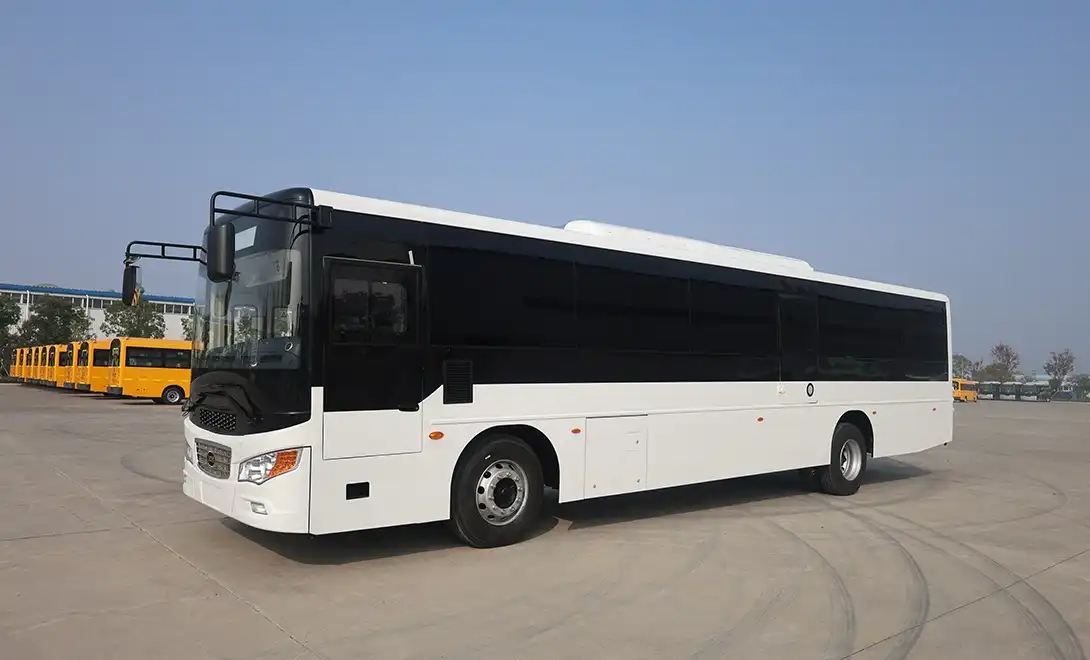
City buses and tour buses have very different bus interior layouts because they are used for different purposes and passengers have different needs. Rapid customer movement, standing room, and accessibility features are important for urban transit vehicles. On the other hand, individual comfort, storage solutions, and entertainment systems are important for international coaches.
Key Differences in Service Context Requirements
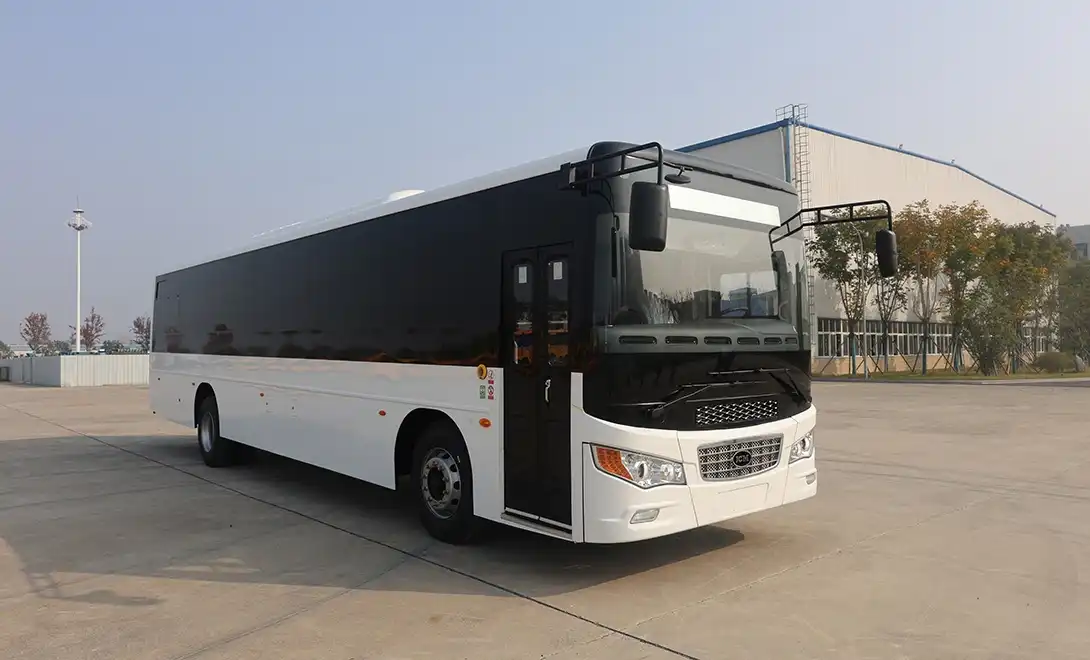
With bigger lanes and more door configurations, city buses can usually fit more people. This makes getting on and off the bus faster. Standing areas with carefully placed handholds and grab bars become necessary, and seating setups usually have people looking forward with few options for reclining. The focus stays on durability and ease of upkeep because it will be used all the time during working hours.
Coach buses have very different problems, because the pleasure of the passengers on long trips is the most important thing. Individual climate controls, reclining seats with enough width, and storage spaces for each person become normal. Along with dim lighting and noise-cancelling materials, the mood inside changes to make it more relaxed.
Latest Design Trends and Innovations
Smart technology like USB charging ports, Wi-Fi infrastructure, and digital information screens are becoming more and more common in modern bus interior layouts design. Operators can change plans with modular seating systems based on seasonal demand or needs specific to a route. Concerns about the environment are addressed by using sustainable materials and lighting that uses less energy.
Advanced materials technology makes it possible for parts to be lighter without lowering their sturdiness. This makes vehicles more fuel-efficient and less maintenance-intensive. Antimicrobial surface treatments and materials that are easy to clean have become more popular, especially since people are more aware of how to keep themselves clean in public transportation.
Optimizing Bus Interior Space and Ergonomics for Enhanced Passenger Experience
To make good use of room, you have to carefully balance increasing capacity with keeping customer comfort levels high. Decisions about seat sizes, aisle lengths, and headroom clearances are based on ergonomic principles to make sure that all types of passengers have good journey experiences.
Spatial Optimization Techniques
Support poles and handholds are placed strategically on city buses to make the most of the space available for standing and to keep passengers safe during acceleration and stopping. Curved sitting arrangements can hold more people than standard straight-line arrangements, and they also make it easier for people to see and talk to each other.
When used in coaches, overhead storage spaces need to be carefully placed so that they don't block passengers' legroom and can still be reached by people of different heights. Using underfloor storage for mechanical systems frees up more room inside for passenger comforts.
Material Selection and Lighting Considerations
Fabric choices have a big effect on both how nice something looks and how much care it needs. High-performance fabrics don't get dirty or worn down easily and are comfortable enough to wear for long periods of time. Instead of leather, there are options that are easier to clean and still look professional.
Using LED lighting systems saves energy and lets you control the mood in different ways. Indirect lighting cuts down on glare while still providing enough light for safety and security. Integrating emergency lighting must meet regulatory requirements and not get in the way of regular activities.
Accessibility Features and Compliance Standards
Universal design guidelines make sure that people who have trouble moving around can use public transportation. Seating places that are available by wheelchair need to be set up in a certain way and have safety systems that meet ADA standards. Priority seating near the doors makes it easy for older customers and people with disabilities to get in and out.
Audio and video notice systems help people who have trouble hearing or seeing and make it easy for everyone to communicate. Tactile signs and color schemes with a lot of contrast help visually impaired people find their way and stay safe.
Comparing Popular Layout Designs: Benefits & Trade-offs for Procurement Decisions
When procurement workers know the pros and cons of different interior design methods, they can choose solutions that meet operational goals and stay within budget. Each bus interior layout has its own effects on the number of seats available, the level of comfort, and the amount of upkeep that needs to be done.
Modular Versus Traditional Layout Systems
Fleet owners who have to deal with different route needs can be very flexible with modular interior systems. Seasonal reconfiguration between high-density urban service and comfortable intercity uses is possible with quick-release systems. However, the original investment costs are usually higher than those of standard fixed installations, so it is important to do a careful cost-benefit analysis.
Traditional plan designs have been shown to be reliable and make upkeep easier. Standardized parts cut down on the need to keep extra parts on hand and make sure that passengers have the same experience across all fleet activities. The main problem is that it's not easy to change when market needs or route features change.
Seating Configuration Analysis
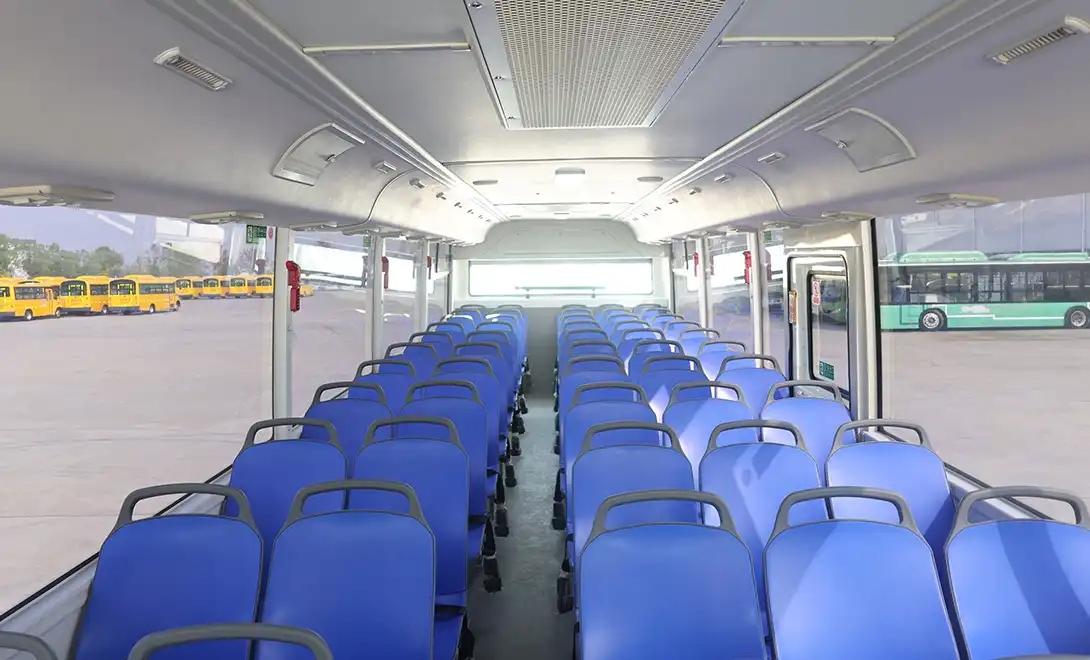
High-density seating layouts increase the amount of money that can be made per car, but they may make it less comfortable for each passenger. Bench-style seats can fit more people, but it might not be as appealing to people who aren't traveling on business. Even though individual seats with arms are more comfortable, they make the whole thing less roomy.
Longitudinal sitting along the sides of a car makes more space for standing while lowering the number of seats. When traveling short distances in cities with lots of stops, this setup works well. But when traveling longer distances, where passengers get tired, it doesn't work well.
Material Durability and Lifecycle Considerations
Premium materials cost more up front, but they usually last longer and need to be replaced less often. Components made of stainless steel don't rust and keep their good looks over a long period of time. But weight fines might affect how well a car uses gas and how well it runs.
Alternatives that are less expensive and use modern materials are durable enough for many uses while also making vehicles lighter. When comparing different material choices, you need to take into account the total cost of ownership, which includes regular maintenance needs and replacement plans.
Key Considerations When Designing Interior Layouts for City and Coach Buses
To do good interior design, you have to find a balance between many important factors, such as making sure passengers are comfortable, following safety rules, running the business efficiently, and caring for the environment. Integrated methods look at the whole lifecycle of a car, from when it is first bought to when it is thrown away at the end of its useful life.
Holistic Design Framework Integration
Comfort standards for passengers on urban transit and intercity coaches are very different, so seats, climate control, and noise management need to be tuned to each application. When used in cities, quick cleaning and criminal resistance are important, while in coaches, luxury amenities and entertainment features are more important.
Safety rules include standards for fire resistance, emergency exits, and structural stability, which affect the choice of materials and how they are laid out. Following the Federal Motor Vehicle Safety Standards (FMVSS) makes sure that operation is legal and protects passengers and drivers from potential issues.
Environmental Responsibility and Sustainability
Choosing eco-friendly materials has less of an effect on the earth and often improves the air quality inside for passengers and workers. Recyclable parts make it easier to get rid of old products and help companies meet their sustainable goals. Adhesives and finishes with low emissions help make indoor settings healthy.
LED lights and better HVAC integration are examples of energy-efficient systems that lower costs and help the environment. Smart controls let the system automatically change based on the number of people inside and the weather outside, which maximizes economy without lowering passenger comfort.

Future-Proofing Strategies
New technologies, like getting ready for self-driving cars and better infrastructure for connecting devices, need internal designs that can be easily upgraded in the future. Adding technology doesn't have to involve big rebuilding jobs thanks to modular wiring systems and mounting options that can be expanded.
Bus interior layouts that are flexible can adapt to changing passenger needs and government rules over the course of a vehicle's life. Design freedom lets owners adapt to changing market conditions while getting the most out of their assets and investments.
JCM's Comprehensive Bus Interior Solutions and Manufacturing Expertise
Customized bus interior options made to fit the needs of different markets and transportation networks around the world are what JCM does best. Our wide range of services includes providing design advice, making parts, and integrating the whole inner system for both city and tour buses.
Advanced Manufacturing Capabilities
Our state-of-the-art production sites use both traditional craftsmanship and cutting-edge manufacturing technologies to make internal parts of the highest quality. Automatic cutting systems make sure that the right amount of material is used, that waste is minimized, and that standards are kept the same from one production run to the next.
International car standards are always followed thanks to quality control systems like ISO 9001 and TS 16949 certifications. Before parts go into production, they are put through a series of thorough tests to make sure they work well in terms of sturdiness, fire resistance, and safety.
Customization and Engineering Services
The engineering team at JCM works closely with clients to create interior solutions that meet their unique needs and the tastes of the market. Customized sitting arrangements, unique storage options, and built-in technology systems all show off the brand's personality while still being highly useful.
The ability to make rapid prototypes lets you quickly test design ideas and make changes as the project develops. Our manufacturing process is flexible enough to handle both small-batch unique projects and high-volume production needs while still maintaining high quality standards.
Comprehensive Support Services
Technical support includes more than just sending out parts; it also includes installation help, training in upkeep, and ongoing service support. Our global service network makes sure that we can help people in a wide range of places quickly and effectively, while also keeping local knowledge of the needs and preferences of each area.
Supply chain management skills make sure that parts are always available and help keep transportation costs and delivery times as low as possible. Strategic relationships with material providers give customers access to the newest products at prices that are still affordable.
Conclusion
To create an effective bus interior layout, you need to think carefully about operational needs, passenger standards, and legal compliance across a wide range of transportation uses. Different needs for city buses and coach buses affect basic design choices like the number of seats, comfort features, and mobility features. Modern trends toward flexible systems and eco-friendly materials offer more options for freedom while also helping to reach environmental goals. Long-term relationships with suppliers that can provide customized solutions along with full technical support and service skills are key to successful procurement strategies.
FAQ
What factors should be prioritized when designing interiors for city versus coach buses?
Due to high usage rates and regular cleaning rounds, city buses need to focus on how quickly they can move people from one seat to another, how many people can stand at once, and how long they last. For longer trips, coach buses put an emphasis on each passenger's comfort, offering entertainment options and space for bags. The choice of material is based on these different use patterns. For example, vandal-proofing is needed for urban uses, while luxury appeal is important for international services.
How can ergonomic principles enhance passenger satisfaction in bus interiors?
To make the best seats, aisles, and support features, ergonomic design takes into account the types of people who will be using the transportation, how long the trip will be, and their physical comfort needs. Good lumbar support, enough headroom, and easy-to-reach handholds make travel safer and less tiring. Lighting design and noise control have a big impact on how passengers feel and what they think about the quality of the service.
What advantages do modular interior systems provide for fleet operators?
Seasonal change between different service uses is possible with modular systems. This makes the best use of assets across a wide range of route needs. Quick-change features let operators respond to changes in the market without having to buy more cars. Standardized interfaces make upkeep easier and allow for technology updates over the life of the car.
Contact JCM for Advanced Bus Interior Layout Solutions
JCM is the leader in designing and making bus interior layouts that will improve the customer experience for your fleet. Our all-around method blends cutting-edge technical skills with years of experience in manufacturing to create custom solutions that meet your exact operational needs. Our team can help you with everything, from the initial consultation to production delivery and ongoing service. This includes full interior systems for new car projects and retrofit options for current fleets. Get in touch with our knowledgeable staff at info@jcm-star.com to talk about your bus interior layout supplier needs and find out how our custom solutions can improve business efficiency and go above and beyond what passengers expect.
References
1. Smith, J.A. "Modern Bus Interior Design Principles and Applications." Transportation Engineering Journal, 2023.
2. Johnson, M.K. "Ergonomic Considerations in Public Transportation Vehicle Design." International Journal of Vehicle Design, 2022.
3. Chen, L.W. "Sustainable Materials in Commercial Vehicle Interior Applications." Automotive Materials Research, 2023.
4. Rodriguez, P.S. "Safety Standards and Regulatory Compliance in Bus Interior Design." Commercial Vehicle Safety Review, 2022.
5. Thompson, R.J. "Modular Interior Systems: Flexibility and Cost Analysis in Fleet Operations." Fleet Management Quarterly, 2023.
6. Williams, D.A. "Passenger Experience Enhancement Through Interior Layout Optimization." Public Transportation Research, 2022.

Based on your vehicle requirements, we will quickly match the most suitable specifications and provide a competitive quote.
_1755581003287.webp)
Global Customized


_1756108840480.webp)
_1755854765757.webp)