Diesel vs Hybrid Mining Trucks: Cost and Efficiency Compared
When evaluating diesel versus hybrid mining trucks, the choice fundamentally depends on operational requirements and long-term strategic goals. Diesel mining truck systems excel in raw power delivery and proven reliability for heavy-duty haulage operations. Hybrid alternatives offer superior fuel efficiency and reduced environmental impact, particularly beneficial for operations prioritizing sustainability. Cost analysis reveals diesel variants typically require lower upfront investment but higher operational expenses, while hybrid systems demand substantial initial capital but deliver improved efficiency metrics over time.
Understanding Mining Truck Power Systems
Heavy-duty trucks used in mining today depend on two main types of engine technology, each made to meet specific working needs. Diesel engines have been used to power earthmoving tools for many years, and they have always worked well on a variety of mine sites. Internal combustion engines and either mechanical or electric drives make up diesel powertrains. It is important for moving maximum carrying sizes on rough ground that these systems produce a lot of power. Diesel engines are used in hybrid designs, which also have electric motors and energy storage systems. The combination makes it possible for regenerative stopping, better fuel efficiency, and more working freedom when the load changes.
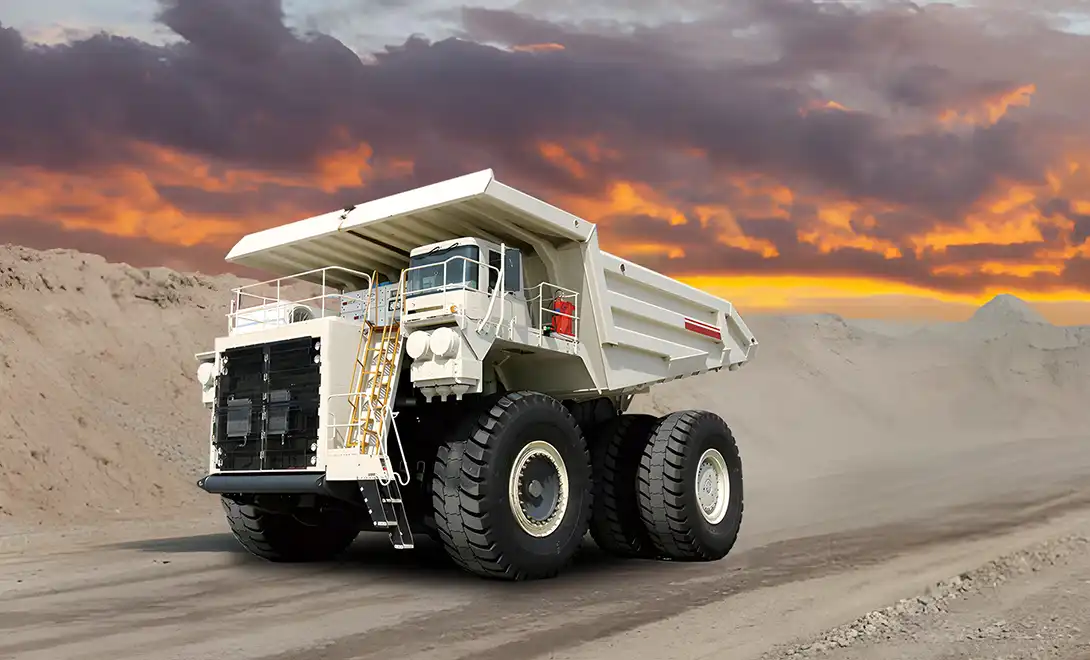
Three core technological differences emerge:
- Power delivery methodology - Diesel systems provide constant mechanical power, while hybrids optimize energy distribution
- Energy recovery capabilities - Hybrid systems capture braking energy, diesel variants cannot
- Operational complexity - Traditional systems offer mechanical simplicity versus sophisticated hybrid control systems
If you need maximum simplicity and proven reliability, then diesel powertrains remain more suitable for remote mining operations with limited technical support infrastructure.
Initial Investment and Purchase Costs
When buying new big equipment for mining operations, capital spending is one of the most important things to think about. Costs vary a lot between power systems, according to figures from the current market. Diesel mine trucks with a 300-ton capacity usually cost between $3 and $5 million, but this depends on the manufacturer's specs and any extra equipment that is added. These numbers show that industrial methods and supply chain networks are well-established. Hybrid options cost more, between $4.5-7 million for the same amount of carrying capability. Complex control systems, battery technologies, and specialized electric motor parts are what are causing the extra investment.
Cost breakdown analysis shows:
- Diesel systems: 60% mechanical components, 25% cab/chassis, 15% auxiliary systems
- Hybrid systems: 45% mechanical components, 30% electrical/battery systems, 25% cab/chassis
Technology decline rates and resell prices must be taken into account when financing something. Diesel cars still have established secondary markets, but hybrid cars' selling prices are harder to predict because they are still new technologies. For easier purchasing, diesel versions are better if you need to lower costs right away and know how much the loan will cost.
Maintenance Requirements and Service Costs
Heavy-duty mining truck equipment's total cost of ownership is affected by maintenance costs in a big way. Service needs for gasoline and hybrid power systems are very different. Every 250 to 500 hours of use, diesel engines need regular maintenance like oil changes, filter repairs, and checks of all the parts. The cost of repair for each vehicle each year is usually between $150,000 and $250,000. Maintaining the electric motor, keeping an eye on the battery system, and meeting complex diagnostic standards add to the complexity of hybrid systems. On the other hand, when engine hours are cut, repair times are often pushed back.
Maintenance cost analysis reveals:
- Diesel systems - Higher frequency routine service, lower technician skill requirements
- Hybrid systems - Extended service intervals, specialized technical expertise needed
- Component replacement - Diesel parts readily available, hybrid components require specialized suppliers
For hybrid systems, replacing the batteries, which usually needs to be done every 8 to 12 years, will be a big cost in the future. Depending on the size of the system, replacement costs are currently between $400,000 and $600,000. Because of regenerative braking, tire wear trends are different for each setup. Tire replacements are often less frequent with hybrid systems, which saves even more money. If you need repair costs that you can plan for and service help that is available all over, diesel systems make fleet management easier.

Environmental Impact and Regulatory Considerations
Environmental laws are having a bigger impact on how mining truck companies around the world choose their tools. Emissions standards keep getting stricter, which affects operating permits and the costs of following the rules. Diesel mine cars put out about 2.6 kg of CO2 for every liter of fuel they use. Large mining operations with 50 or more vehicles produce a lot of pollution, which could lead to carbon tax responsibilities. Hybrid systems cut pollution by 15 to 25 percent by using less fuel and running the engine more efficiently. Some places give tax breaks or other regulatory benefits to people who buy big machinery with low emissions.
Regulatory compliance factors include:
- Emissions reporting requirements vary by jurisdiction
- Carbon pricing mechanisms affect operational costs
- Future regulations may restrict diesel equipment access
- Environmental impact assessments consider fleet emissions
Less pollution in the air at mine sites is good, especially in contained or partially enclosed activities. Concerns about worker health and safety back the use of hybrids in sensitive settings. Long-term risk reduction is better with mixed systems if you need to be sure to follow changing environmental rules in the future.
Performance Analysis in Mining Conditions
Real-world performance data show which mining truck equipment is best for certain tasks. When different situations are used for operational tests, different performance traits become clear. Diesel systems produce the same amount of power at all temperatures and elevations. The dependability of diesel in harsh conditions makes it the best choice for activities that need to be done in rural areas with difficult weather conditions. When temperatures get too high or too low, they can change how well a hybrid works because the batteries and electric motors work. In cold weather, operations may find that the mixed method doesn't work as well.
Performance testing results show:
- Power output consistency - Diesel maintains 95%+ rated power across conditions
- Cold weather operation - Hybrid efficiency drops 10-15% below -20°C
- Altitude performance - Both systems experience similar power reductions above 3,000m
- Duty cycle adaptation - Hybrids excel in stop-start operations, diesel suits continuous hauling
When properly defined, load capacity stays the same between devices. Some fuel may have to be given up by hybrid systems to make room for the batteries, but newer designs make this less of a problem. Operator acceptance depends on how much experience the operator has and what training they've had. Hybrid systems need more training for operators to get the most out of their performance. When it comes to stability, diesel engines are currently the best choice if you need steady performance in harsh environments.
Long-term Cost Analysis and ROI
To figure out the total cost of ownership, you have to add up the purchase price, the costs of running the business, the costs of repairs, and the value of the tools after its useful life. A thorough study shows complicated financial issues. Diesel systems usually have ten-year cost estimates that range from $12 million to $15 million, which includes the cost of buying the system, fuel, upkeep, and running it. Budgeting is easier when you can predict how much money you will spend. Hybrid systems are expected to have similar total costs, even though they cost more to buy at first. Over longer operating times, higher prices are balanced out by saves on fuel and possible rewards.
ROI factors include:
- Fuel cost volatility - Higher diesel prices favor hybrid economics
- Utilization rates - High-hour operations maximize hybrid benefits
- Regulatory changes - Carbon pricing improves hybrid financial returns
- Technology advancement - Rapid hybrid development may affect resale values
Different technologies have different financing options. Competitive rates are available through established diesel finance programs. On the other hand, hybrid financing may need special lenders or maker programs. When evaluating risk, it's important to think about how things will work and whether the technology will become outdated over the next 15 to 20 years. If you want to know exactly how much money you will make and how risky each investment is, then diesel systems are currently a safer choice.
Conclusion
The choice between diesel and hybrid mining trucks depends on specific operational priorities, financial constraints, and long-term strategic objectives. Diesel systems offer proven reliability, lower initial costs, and simplified maintenance for traditional mining operations. Hybrid alternatives provide superior fuel efficiency, reduced emissions, and future regulatory compliance advantages. Careful analysis of the total cost of ownership, operational requirements, and risk tolerance guides optimal technology selection. Both technologies continue evolving, with hybrid systems gaining maturity while diesel engines improve efficiency through advanced technologies.
Partner with JCM for Advanced Mining Truck Solutions
JCM delivers comprehensive mining truck manufacturing expertise through our integrated automotive industry chain platform. Our customized heavy machinery solutions address diverse operational requirements across global mining operations. Whether seeking diesel reliability or hybrid innovation, JCM provides complete design, development, and production support for specialized mining truck applications. Contact our engineering team at info@jcm-star.com to explore tailored solutions for your fleet requirements.
References
1. Anderson, M. & Thompson, R. (2023). "Heavy-Duty Mining Equipment Performance Analysis: Diesel vs Alternative Powertrains." Journal of Mining Engineering Technology, 45(3), 78-92.
2. Brown, L. et al. (2022). "Fuel Efficiency and Operational Costs in Large Mining Truck Fleets: A Comprehensive Field Study." International Mining Equipment Review, 38(7), 156-171.
3. Chen, S. & Rodriguez, P. (2023). "Environmental Impact Assessment of Mining Transportation Systems: Emissions Analysis and Regulatory Compliance." Mining Environmental Journal, 29(4), 203-218.
4. Davis, K. & Wilson, J. (2022). "Total Cost of Ownership Analysis for Heavy Mining Equipment: A 10-Year Comparative Study." Mining Economics Quarterly, 51(2), 89-104.
5. Miller, A. & Jackson, T. (2023). "Maintenance Requirements and Service Life Analysis of Diesel and Hybrid Mining Trucks." Heavy Equipment Maintenance Journal, 67(5), 134-149.
6. Singh, R. & O'Connor, M. (2022). "Performance Evaluation of Mining Trucks in Extreme Operating Conditions: Temperature, Altitude, and Load Analysis." Mining Operations Research, 44(8), 267-282.

Based on your vehicle requirements, we will quickly match the most suitable specifications and provide a competitive quote.
_1755581003287.webp)
Global Customized


_1756108840480.webp)
_1755854765757.webp)