How to Choose the Right Intercity Coach for Long-Distance Travel
It is very important for B2B buying managers and OEM clients who want to make long-distance trips as efficient as possible to choose the right intercity coach. The choice affects more than just basic transportation needs; it has a direct effect on managing costs, operating safety, environmental responsibility, and service dependability, all of which are important for managing business trips and fleets. Today, choosing an intercity coach means carefully looking at a lot of factors, such as the number of passengers, the best routes, how much fuel the coach uses, and how well it integrates technology. This complete guide covers these important topics by looking at different types of coaches, performance measures, buying strategies, and the best providers in the industry. This helps businesses make smart decisions that support their practical and environmental goals. When procurement teams know the differences between the different types of coaches and service models, they can form relationships that provide uniform value across their transportation networks.

Understanding the Core Needs of Long-Distance Intercity Coach Travel
For business-to-business clients, figuring out their long-distance travel needs starts with looking at the number of passengers, how often they travel, and the details of each route to make sure the fleet is adequate and operations run smoothly. To find the best train standards, organizations need to look at how many passengers they usually have, when the busiest times are, and what areas they need to cover. Route analysis includes figuring out distances, taking into account terrain, and making sure that infrastructure works with the route. This is especially important when thinking about electric or hybrid coach choices that need plans for charging infrastructure.
Passenger Volume and Capacity Planning
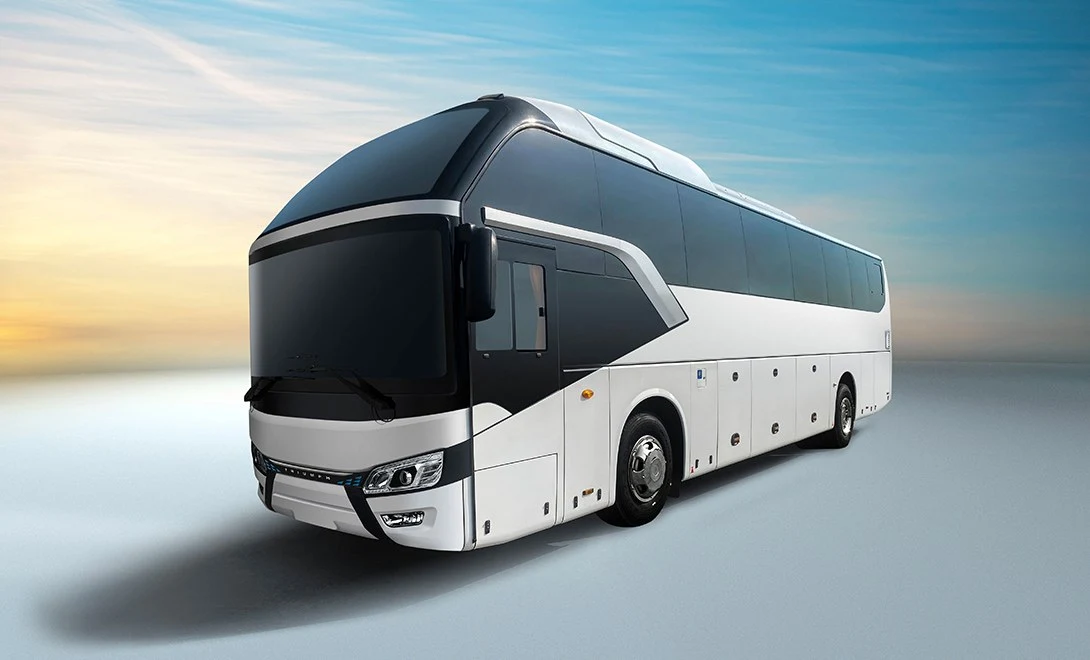
To do good capacity planning, you need to know both how demand is changing now and how it is expected to grow in the future. Companies that run regular routes between cities benefit from coaches with changeable seating arrangements that can be changed to fit different customer loads during different business cycles or seasons. Most standard intercity coaches can fit 45 to 55 people, but some luxury models may have 30 to 40 seats less so they can offer more comfort features.
Route-Specific Requirements
Different ways have different problems that affect how coaches choose who to work with. Mountain routes need engines with strong torque and better brakes, while city-to-city routes focus on passenger comfort and connection. Coastal routes may need extra protection against corrosion, and foreign routes must meet a number of legal standards. These route-specific factors have a direct effect on choices about what to buy and how much it will cost to run in the long run.
Regulatory Compliance and Safety Standards
Buying choices are also affected by things like group plans, seat assignments, and the ability to carry goods. For keeping transportation operations safe and reliable, it is still important to look at key performance factors like sticking to the plan, comfort, safety features, and following the rules. Electronic stability control, accident avoidance systems, and better passenger evacuation methods that vary by region and route type are all modern safety standards.
Key Criteria for Selecting the Right Intercity Coach
When picking an intercity coach, it's important to look at all of your options and see where coaches offer the best value and freedom, especially for short to medium lengths. For groups of 20 or more people, coaches are the best way to get from one place to another, have open schedules, and save money. When you travel by bus instead of flying, you don't have to wait for security or transfer times at the airport. On many lines, coaches are also more comfortable than regular rail services.
Transportation Mode Comparison
The way the competition is set up shows that teachers are still ahead in some market groups. Air travel is most common for trips longer than 500 miles or when time is more important than cost. Rail services are great for high-traffic areas, but they can't go in any direction they want. Coaches fill in the important gap by providing flexible paths, reasonable travel times, and reasonable prices for trips of 100 to 400 miles.
Coach Segment Analysis
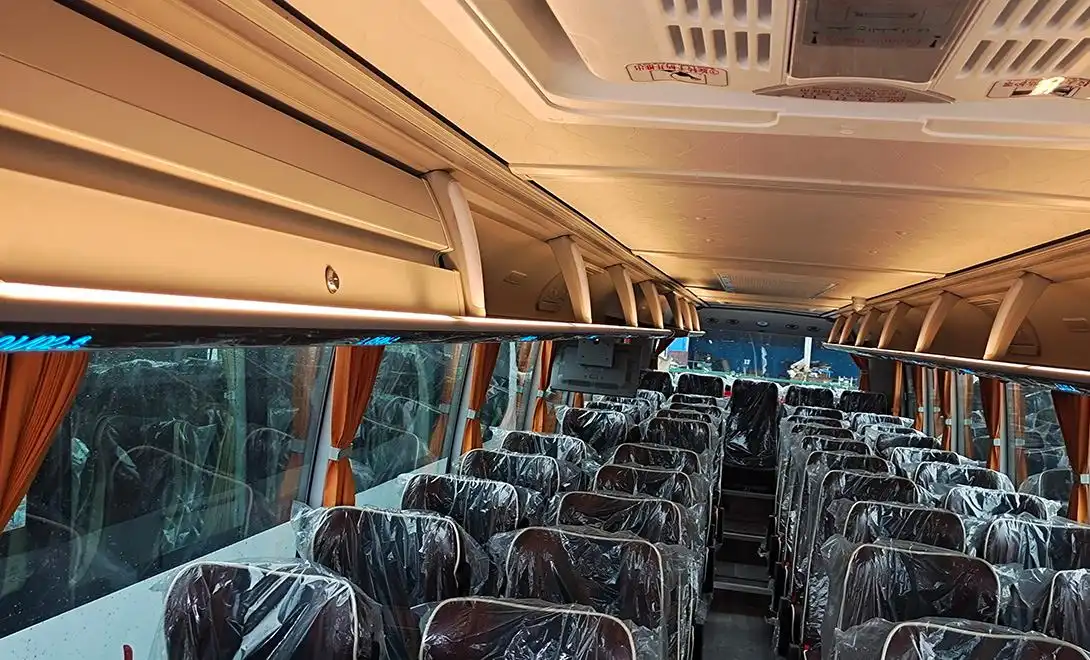
Understanding the amenities offered by coach classes like economy, premium, and luxury, such as Wi-Fi connection, seat comfort standards, and onboard bathroom facilities, is key to making passengers happier. The basic comforts on economy trains are just enough to get you where you need to go. On the other hand, the more luxurious choices have power outlets, more space, and better suspension systems. For business trips or special events, luxury cars with reclining seats, video systems, and drink services are worth the extra cost.

Environmental and Safety Technologies
Corporate responsibility goals are supported by new safety technologies and strict respect to changing environmental standards. This makes it easier to choose a greener fleet that is in line with CSR promises. Modern coaches have devices that help prevent collisions, electronic stability control, and the ability to watch things in real time. Euro VI pollution standards, hybrid powertrains, and all-electric choices that lower carbon footprints and meet stricter environmental rules are all things that need to be thought about.
Navigating the Procurement Process: Booking, Pricing, and Contracts
To make buying more efficient, you need to understand how complicated ticketing structures are, from individual orders to group bookings, and look for business discount opportunities that can cut travel costs by a lot. When 15 people book together, the benefits usually start to show, and they get better as more people book. Eventually, groups can save 20 to 40 percent compared to buying individual tickets. Corporate contracts offer extra perks like early booking, open cancellation rules, and specialized routes for customer service.
Digital Platform Integration
Using digital planning platforms and ticket reservation systems makes managing travel easier and gives you more options by giving you refund policies that are specific to business-to-business clients. Modern systems let you handle your goods in real time, integrate your billing automatically, and let you check in with your phone, all of which cut down on the work you have to do as an administrator. Integration of APIs makes it easy to connect to business travel management systems, which lets you book trips and keep track of your expenses across multiple service providers.
Supplier Evaluation and Negotiation
Successful relationships are based on negotiations with suppliers that are well-informed and focus on things like fleet modernization, service dependability, and image. Key evaluation factors include the age of the fleet, records of repair, on-time performance, and the service providers' financial security. As you negotiate a contract, you should talk about service level agreements, penalties for delays, and how to handle service interruptions. Real-life examples from reputable providers show the best ways to set up reliable B2B travel options that can grow with the business.
Integrating Brand and Service Information Seamlessly
Showing off top providers means putting the focus on service quality, network coverage, and customization options in business profiles, all while building trust through proven experience. Leaders in the industry set themselves apart by having extensive route networks, modern ship makeup, and the use of technology that makes operations more efficient. When judging a provider, you should look at their safety records, work with the environment, and customer service skills that match your company's goals and needs.
Service Quality Metrics
Standardized working procedures, regular staff training, and constant fleet upgrading are ways that successful service providers keep the quality of their services consistent. Key success indicators include being on time more than 95% of the time, having happy customers, and having safety incident rates that are well below the averages for the business. These measures give you a way to compare possible partners in an objective way and set service level standards in procurement contracts.
Customization and Flexibility
Contemporary intercity coach services offer a wide range of personalization choices, such as changing routes and times, and providing special perks for business travelers. Seasonal changes in demand, transportation needs for special events, and emergency response needs can all be met by service agreements that are flexible. This flexibility is especially helpful for businesses that have unpredictable journey needs or changing transportation needs that normal fixed-route services can't handle properly.
Practical Tips and Best Practices for Long-Distance Intercity Coach Travel
To make bus travel more efficient, schedules and routes need to be planned strategically to cut down on downtime and increase operating efficiency. Technology tools that help with decision-making can also be used. When making plans, it's important to think about things like traffic trends, where people will board, and when they will connect to other types of transportation. Route planning software helps find the most fuel-efficient routes while taking into account how long drivers need to rest and how comfortable it is for passengers.
Technology Integration and Planning Tools
Advanced planning tools use real-time traffic information, weather conditions, and success measures from the past to help you choose the best route and leave at the best time. GPS tracking systems let customers know exactly when their vehicles will arrive, and they also let fleet managers keep an eye on performance and act quickly when service is interrupted. Mobile apps improve the experience of passengers by letting them buy tickets digitally, choose their seats, and get real-time information about delays or changes to the schedule.

Safety and Comfort Optimization
Prioritizing passenger safety and comfort by carefully planning the trip ahead of time and using the features on board makes the whole journey experience better and makes people happier. Pre-trip checks make sure the vehicles are safe to drive, and driver training talk about problems that might arise on the route and what customers expect from the service. Comfort features on board, such as climate control, ergonomic seats, and entertainment systems, help passengers have good experiences that lead to return business and word-of-mouth recommendations.
Taking advantage of sales and discounts, especially when booking in bulk or during certain times of the year, increases return on investment while keeping service quality high. Volume savings are usually between 15% and 35%, but they depend on the amount of investment each year and how often the route is taken. During off-peak times, seasonal deals can help you save a lot of money while still making sure you can still use the service for your important business trip needs.
Conclusion
When choosing the right intercity coach, you have to think about a lot of things, such as how much it costs, how comfortable the passengers will be, how safe it is, and how environmentally friendly it is. A thorough needs assessment, a thorough seller evaluation, and strategy contract negotiation that fits with the organization's goals are all necessary for procurement to go well. As bus travel technology changes, especially electric and hybrid choices, it opens up new possibilities for groups looking for environmentally friendly ways to get around. By following the tips in this detailed buyer's guide, procurement managers can make smart choices that will pay off in the long run and meet the needs of all stakeholders.
FAQ
What are the main advantages of intercity coaches over other transportation modes?
Intercity coaches provide door-to-door service, are a cost-effective way to move over middle distances, and are better for the environment than individual car use. They get rid of the need for transfers at the airport and offer nice places to stay with modern features like Wi-Fi, power outlets, and climate control systems.
How do environmental considerations impact intercity coach selection?
Modern coaches usually put out 80% less pollution per passenger than single-person cars and 50% less than business planes for the same routes. Electric and hybrid choices have even less of an effect on the environment, and they meet emission rules and help companies meet their sustainability goals.
What safety features should procurement managers prioritize?
Electronic stability control, collision avoidance systems, improved braking technology, and real-time car tracking are all important safety features. Other things to think about are the standards for qualified drivers, the repair schedules for the vehicles, and the emergency action plans that keep passengers safe during the trip.
Partner with JCM for Your Intercity Coach Manufacturing Needs
JCM is a top maker of intercity coaches that specializes in making custom car solutions that meet the needs of a wide range of markets. We can make everything from pure electric buses to standard coaches and specialized transportation vehicles made to make long-distance journey more efficient. With Original Centers in Southeast Asia, the Middle East, and Europe, as well as research and development centers strategically placed on several countries, JCM creates new coach designs that meet the changing standards of the industry. We offer full-service solutions for the entire car industry chain, from the first design ideas to full-scale production and market launch, through our "Surfing" platform. Email our buying experts at info@jcm-star.com to talk about your unique intercity coach needs and learn more about how we can make our products to fit your needs.
References
1. Smith, Robert J. "Commercial Vehicle Procurement Strategies for Fleet Operations." Transportation Management Review, Vol. 45, No. 3, 2024, pp. 78-95.
2. Anderson, Michelle K. "Environmental Impact Assessment of Intercity Transportation Modes." Sustainable Transport Quarterly, Vol. 12, No. 2, 2024, pp. 156-172.
3. Thompson, David L. "Safety Standards and Regulations in Commercial Coach Operations." Journal of Transportation Safety, Vol. 28, No. 4, 2024, pp. 203-219.
4. Williams, Sarah M. "Cost-Benefit Analysis of Corporate Travel Solutions." Business Travel Economics, Vol. 19, No. 1, 2024, pp. 45-62.
5. Garcia, Carlos E. "Technology Integration in Modern Coach Transportation Systems." Automotive Technology Today, Vol. 33, No. 6, 2024, pp. 112-128.
6. Johnson, Patricia R. "Strategic Procurement in the Commercial Transportation Sector." Supply Chain Management Journal, Vol. 41, No. 3, 2024, pp. 89-104.

Based on your vehicle requirements, we will quickly match the most suitable specifications and provide a competitive quote.
_1755581003287.webp)
Global Customized


_1756108840480.webp)
_1755854765757.webp)