Bus Customization Options That Improve Passenger Experience
It's important to have buses because they can get a lot of people from one place to another quickly and safely. A customized bus is the next step in this idea. This is a regular bus that has been changed to meet specific working needs and customer wants. These solutions are made to fit the needs of fleet workers and include everything from extra comfort features to features that make it easier to get in and out of the vehicle. Through the customization process, normal passenger vehicles are turned into high-tech transportation hubs that help people move better and meet the needs of businesses in many different fields and uses.

Comprehending Customized Buses and Their Value
As the needs for passenger transportation change, so does the need for specific vehicle options that go beyond what is normally available. Today's cars need to be able to handle different scenarios while still prioritizing safety and passenger happiness.
Types of Customized Buses Available
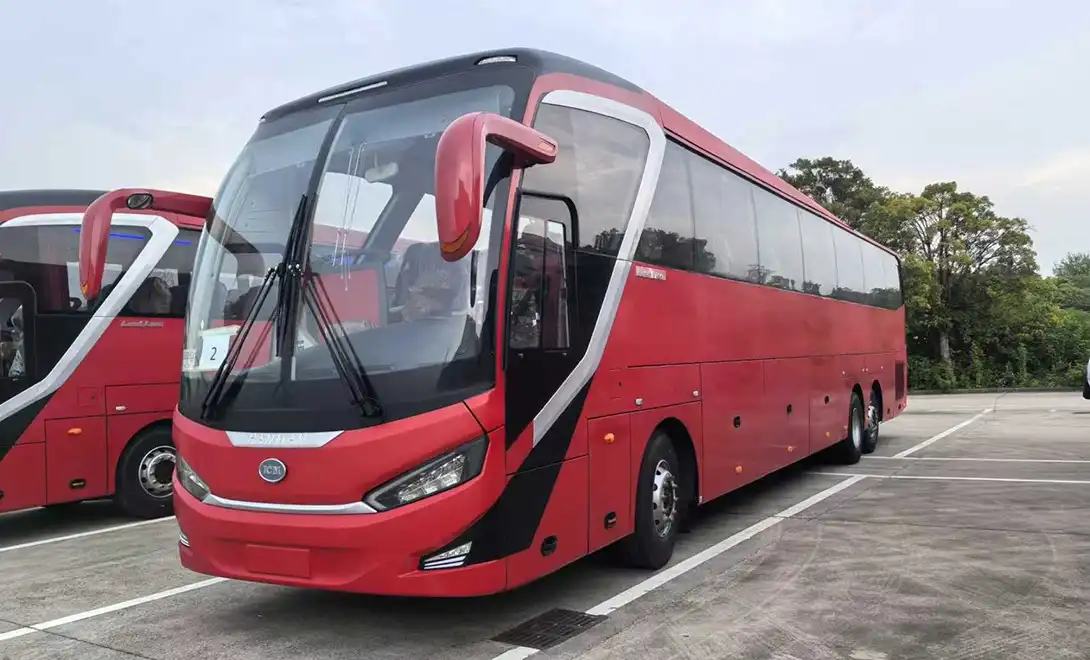
Now days, you can buy a lot of different types of customized buses, each made for a specific use or group of people. Urban areas can use environmentally friendly transportation options like electric buses with modern battery systems. Some of the safety features put into school buses are reinforced frames, warning systems, and seating layouts just for kids. Buses that take people from one airport to another have places to put their bags and soft seats for people who are going on trips of different lengths.
Luxury coaches are designed for long trips and come with high-end features such as climate control, video systems, and seats that can be leaned back. People use party buses for fun things because they have lighting, sound systems, and internal plans that make them great for getting together with other people. When it comes to medical transport buses, they have features and places to put tools that make them easier for people who have trouble getting around to use.
Key Benefits of Bus Customization
It is known that making changes to cars makes them run better and make the people who ride in them happier. Better comfort features keep passengers from getting tired on long trips, which keeps customers coming back and improves brand image. Custom accessibility changes make sure that disability laws are followed while also increasing the number of people who could be passengers.
Adding advanced safety systems during customization goes beyond what is required for a standard car. This could lower insurance costs and your risk exposure. Long-term running costs go down when custom storage solutions, better fuel systems, and specialized equipment mounting make operations more efficient. Custom exterior graphics and internal design elements that make a brand stand out help it place itself in the market and be recognized by customers.
Essential Customization Features That Enhance Passenger Comfort
The most important thing to consider when customizing a bus is the comfort of the people who ride it. This is because customer happiness and business success are directly linked. Modern methods to customization focus on making spaces that make travel less stressful while still meeting the needs of a wide range of passengers.
Seating Configurations and Materials
Where the seats are put can change both how comfy people are and how much space there is in the car. Leather seats are better than cloth seats because they last longer and are easier to clean. Plus they're more comfortable. Memory foam padding takes pressure off of pressure points during long trips, which is especially helpful on long routes.

People of all heights and physical needs can use seating systems that can be changed to fit their needs. Operators can change the number of seats based on route needs or special events with modular seating arrangements. When applied to seat placement, ergonomic design principles make journey more enjoyable and less tiring for passengers.
Interior Climate and Lighting Systems
Modern climate control systems keep the temperature inside the car stable no matter what the outside weather is like. With zoned climate control, different parts of the car can stay at the perfect temperature for passengers' comfort. Many people like LED lighting systems since they save power and let you change the mood.
You can protect your privacy and ease eye pain at the same time by putting and closing windows in a way that lets in more natural light. The air inside a car is better with an air filtering system. This is very important for people with allergies or breathing problems.
Advanced Safety Integration
These days, safety systems do a lot more than just the bare minimum to keep people safe. Electronic stability control systems help cars handle better when the weather is bad and keep them from flipping over. Modern braking systems shorten the distance needed to stop and make slowing down more comfortable.
Emergency communication devices let people get in touch with operators or emergency services when they need to. There are fire suppression devices made just for passenger cars that can help people move quickly in an emergency. These improvements to safety give customers more trust and could lower insurance costs for fleet operators.
Customization Process and Timeline: From Concept to Delivery
Procurement experts can make better plans and more realistic goals for project completion when they understand how customization works. From coming up with the idea to delivering the finished product, there are many steps that need to be carefully planned out and checked for quality.

Needs Assessment and Design Consultation
A full needs assessment is the first step in the customization process. This is done to find out specific business needs and passenger groups. During design consultation meetings, engineering teams look at the technical feasibility and regulation compliance needs. Developing a prototype lets everyone involved look over suggested changes before committing to full-scale production.
In this step, the budget is checked to make sure that the customization choices don't go over it and still give the best value. When you set a deadline, you take into account when you can make the product, when you can get the parts, and when you need to do quality checks.
Manufacturing and Quality Control
Making plans for production makes sure that goods happen on time by organizing many suppliers and production steps. Protocols for quality control make sure that all changes are safe and meet requirements. Stakeholders are kept up to date on success at all times by report writing on a frequent basis.
Final inspection processes make sure that all customization requirements are met before the cars are delivered. There are maintenance guides, warranty information, and operator training materials in documentation packages that are unique to the changes that were made.
Cost Drivers and Lead Times
Choosing the right materials has a big effect on how much the job costs. Premium materials cost more but last longer and look better. Making changes takes more time and costs more money depending on how hard they are. Making big changes, for instance, needs more time to plan and try.
Costs per unit depend on how many units are ordered. Usually, ordering more units gets better prices through economies of scale. Depending on how complicated the design is and how busy production plans are at the moment, lead times are usually between 8 and 16 weeks.
Comparative Insights: Customized Buses vs. Standard and Alternative Options
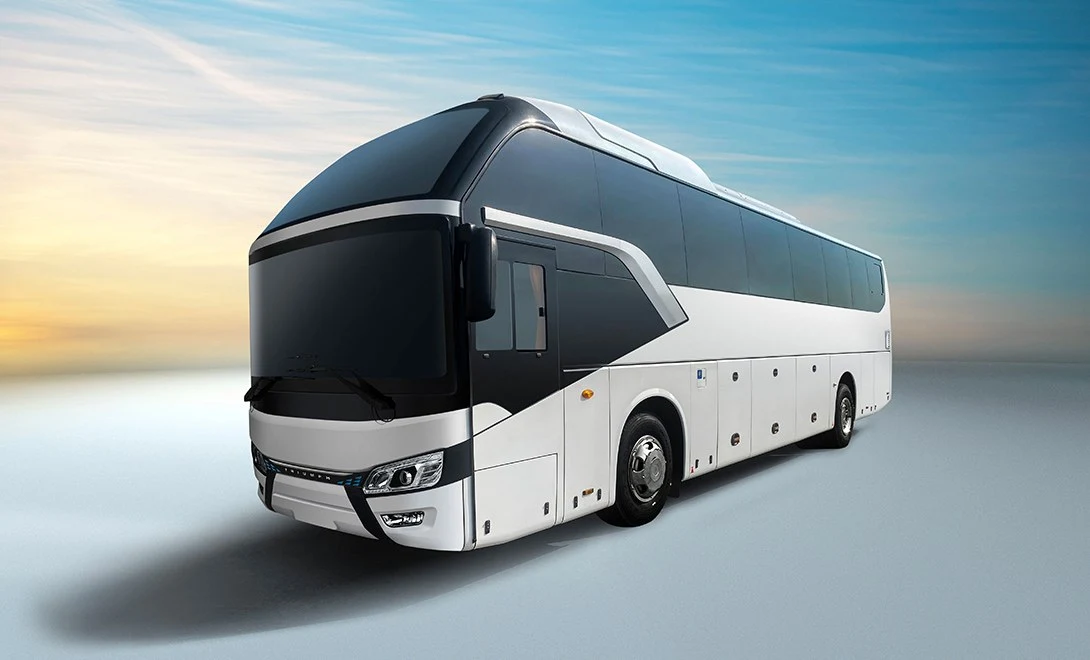
A study of the market shows that personalized options are much better than standard cars when looking at a number of performance factors. If people who work in buying know about these differences, they can choose smart investments that will make their businesses work better.
Operational Advantages
Specialized buses are more useful because they are better organized and can hold more specialized stuff. Changes to aerodynamics and optimizing weight distribution lead to better fuel economy. Improvements to maintenance ease cut down on service time and costs.
It is possible to make the most money per trip by designing seats so that more people can sit down. Some storage choices are made to hold operational tools and keep people comfortable at the same time. Most of the time, investments in customization are supported by lower running costs and more ways to make money that come from better operations.
Electric vs. Traditional Powertrains
There is a growing market for customizing electric buses. This is because of rules about the climate and the cost of running the buses. Vehicles with electric drives are quieter, which is good for towns that want to cut down on noise pollution. Equipment that uses energy that doesn't need to be fixed as often costs less in the long run.
Integration of charging infrastructure during customization makes sure that it works with charging networks that are already in place or that are planned. Optimizing where the batteries are placed keeps the passenger room and makes sure that the weight is spread out evenly. Different types of routes can be met with changes to the aerodynamics and energy-saving systems that extend the range.
Financial Considerations
Traditional purchase agreements, lease agreements, and special transportation funding programs can all be used to pay for customized buses. It looks at how much the car costs, how much it costs to keep, how much it costs to fuel, and how long the company thinks the car will last.

Investing in customization usually pays off in the form of happier passengers, more efficient operations, and longer car service lives. When it comes to resale value, well-kept customized cars with popular feature pairs do better.
Maintenance and Operational Tips for Customized Buses
Following the right repair steps will make sure that the personalized features keep working perfectly for as long as the vehicle is being used. To keep their usefulness and safety performance, specialized parts need to be maintained in a certain way.
Preventive Maintenance Strategies
Regular inspections cover both standard parts of the car and special installs. Maintenance workers get special training to make sure they take good care of different systems and parts. Making repair records helps keep an eye on how things are working and find potential issues before they become a problem.
When scheduling the replacement of a component, maker suggestions and practical needs are taken into account. Preventive maintenance programs keep parts working longer and lessen the number of breakdowns that happen out of the blue.
Performance Optimization
Software changes keep electronic systems running at their best and add new features over time. New technologies can be used in vehicles without having to get whole new ones or upgrade parts. Performance tracking systems keep an eye on how well safety systems work, how much fuel the car uses, and how comfortable the passengers are.
Specialized systems stay accurate and reliable as long as they are calibrated on a regular basis. Through data analysis and performance optimization, chances for business changes and cost cuts are found.
Company Introduction and Our Custom Bus Solutions
JCM is one of the best places to customize cars. As they work on new ways to get people from one place to another, regular cars become specialized tools that can only be used in certain ways. Our all-around approach to customizing buses blends engineering know-how with a deep understanding of how people need to be transported in a wide range of places.
Our Manufacturing Capabilities
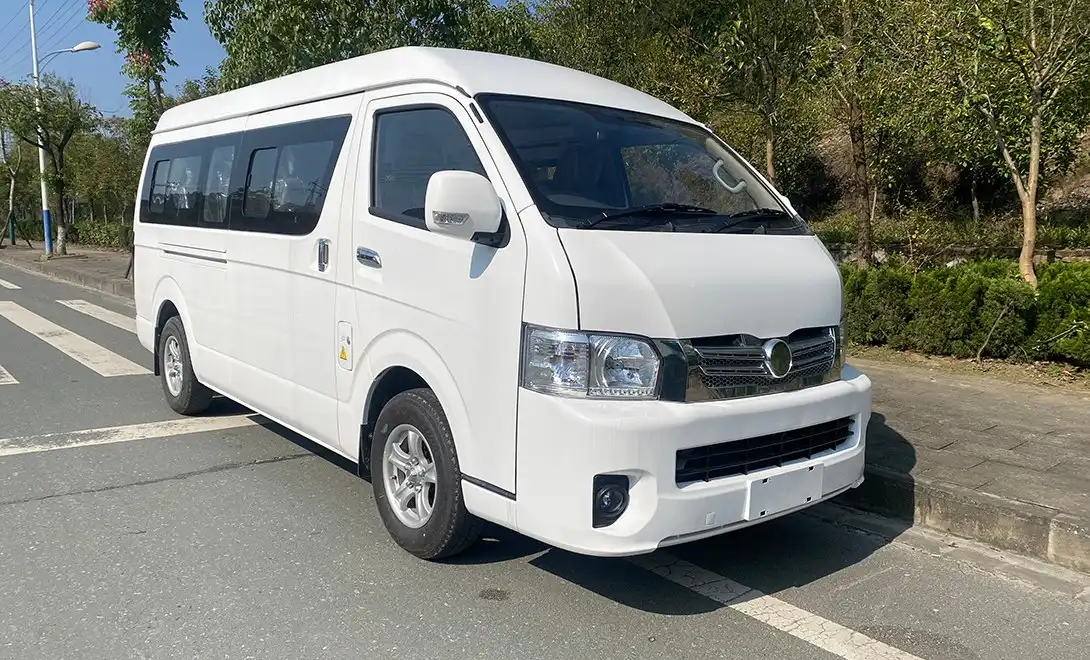
JCM has advanced research and development centers in Shiyan for trucks and Xiamen for buses. These centers allow for quick prototypes and efficient production scaling. People from all over the world can get help from us since our main offices are in Europe, Southeast Asia, and the Middle East. The "Surfing" car industry chain tool brings together the best customers, workers, and providers from all over the world. This gives buyers a lot of options for how to customize their cars.
We can make special batteries that can hold 100 MWh of power, assembly lines for whole vehicles that can make 2,000 units per year, and production lines for welding bodies that can make 3,000 units per year. We can do any job with these tools, from small-batch tweaks to large-scale fleet sales.
Customization Expertise
JCM focuses on making pure electric customized buses, hydrogen fuel cell buses, school buses, and different types of business vehicles. Planning, designing, making, shipping, giving service after the sale, and finding ways to pay for things are all parts of how we work with the whole industry chain. From the first idea to long-term operating help, this wide range of skills makes sure the project goes smoothly.
Quality marks like ISO and TS16949 prove that we are committed to following government rules and foreign standards. We can quickly change to meet our customers' needs because our business is based on projects and is very adaptable. During the customization process, we still carry out strict quality control.
Conclusion
Customizing buses is a smart investment chance for companies that want to set their transportation services apart while also making customers happier and running their businesses more efficiently. Because there are so many customization choices, fleet operators can make sure that the cars they use are perfect for their needs and the people who will be riding in them. Customized buses make a real difference in both the customer experience and the bottom line. They can have anything from cutting-edge comfort features to specialized mobility options. As people's needs for transportation change, customisation gives companies the freedom to respond quickly to new market conditions while still staying ahead of the competition by providing better service.
FAQ
What is the typical timeline for customized bus projects?
Depending on how many changes are asked for, customized bus projects usually take between 8 and 16 weeks from the time the order is confirmed until they are delivered. It takes more time for engineers, testers, and quality control to add special tools or make big changes to the structure. Small changes on the inside could be made faster. When we meet with you for the first time, we give you a detailed timing estimate based on what your project needs.
Which customization features provide the greatest passenger comfort improvements?
Things are more comfortable when they have better lighting, better temperature control systems, and seats that are made to be comfy. These things all work together to make places that help visitors feel less tired and stressed. Some of the other comfort changes are materials that reduce noise, better suspension systems, and entertainment choices that are made for specific groups of passengers.
How do customization costs compare to standard bus purchases?
The price of customization is very different based on how many changes are needed and how hard they are to make. Even though they cost more to buy at first, customized buses generally give a better return on investment because they make passengers happier, run more efficiently, and last longer. While we're consulting with you, we give you a full cost breakdown and ROI figures to help you understand the money you spend on customization.
What maintenance considerations apply to customized buses?
Customized buses need service plans that cover both common bus parts and bus-specific systems. Making sure that all of your unique features are taken care of properly is what we teach you and do for you. Plans for preventative maintenance help keep things running at their best, make parts last longer, and cut down on the number of sudden problems.
Can existing buses be retrofitted with customization features?
There are a lot of ways to change the way an existing car looks, but some changes might need a lot of structure work or might not be worth the money if you could buy a new one instead. Each fix idea is looked at on its own to see if it can be done, if it will save money, and if it meets safety guidelines. By retrofitting, fleet owners can make their old cars better without having to buy new ones.
Partner with JCM for Your Custom Bus Solutions
You can get great customized bus services from JCM. They can turn normal cars into specialized transportation tools that are perfect for your business. We make sure that projects run easily from the initial idea meeting to long-term operating support with our all-encompassing, whole-industry-chain method. As a top customized bus maker, we use our advanced technical skills and in-depth knowledge of the market to make buses that go above and beyond what customers expect while also being the most efficient for operations. Contact our team at info@jcm-star.com to talk about how our custom solutions can help your business grow and improve your transportation services.
References
1. Johnson, M.R. and Williams, K.L. "Advanced Bus Customization Technologies: Impact on Passenger Satisfaction and Operational Efficiency." Journal of Commercial Vehicle Engineering, Vol. 45, 2023.
2. Transportation Research Institute. "Comparative Analysis of Customized vs. Standard Bus Performance Metrics." Annual Transportation Technology Review, 2023.
3. Chen, L. and Rodriguez, A. "Electric Bus Customization: Environmental and Economic Benefits in Urban Transportation." International Journal of Sustainable Transportation, Vol. 28, 2023.
4. American Public Transportation Association. "Best Practices in Bus Fleet Customization and Passenger Experience Enhancement." APTA Technical Guidelines, 2023.
5. Global Commercial Vehicle Association. "Market Trends in Customized Bus Manufacturing and Procurement Strategies." Commercial Vehicle Industry Report, 2023.
6. Anderson, P.K. "Maintenance Optimization for Customized Commercial Vehicles: A Comprehensive Guide." Fleet Management Quarterly, Vol. 15, 2023.

Based on your vehicle requirements, we will quickly match the most suitable specifications and provide a competitive quote.
_1755581003287.webp)
Global Customized


_1756108840480.webp)
_1755854765757.webp)