How to Choose the Best Bus Size (e.g., 12m) for Urban Routes
To pick the right bus size for city transport, you should carefully consider how many people can fit, how quickly the bus moves, and the features of the path. A 12m city bus is usually the best choice for getting around in busy towns because it has enough room for people. These medium-length cars can fit between 80 and 100 people and still meet the standards for fuel efficiency and ease of use that are needed for public transportation today. If fleet managers know about the technical specs, operating needs, and buying problems, they can make better decisions that will improve service quality and the business's long-term growth.
Understanding the Key Dimensions of 12m City Buses for Urban Routes

Passenger Capacity and Seating Configuration
Figure out how many people a 12m city bus can take. This is one of the most important things to know when planning routes in towns. The most people that can fit in these cars is about 100, with 35 to 40 sitting down and more standing. The seats are set up in different ways based on the trip and the rules in the area. There are a lot of workers who pick open schedules so that people can get on and off less quickly during rush hours.
This new 12m bus has low floors that make getting on and off easier for people who have trouble moving around. This makes it easy for older people and people in wheelchairs to get on and off. The floor is usually about 320 to 350 mm above the ground. People with disabilities can now use 12m buses, which means they meet the requirements of the Americans with Disabilities Act (ADA) and other international norms.
Fuel Efficiency Across Different Powertrains
How much it costs to run public transportation in cities is affected by fuel economy in a big way. Diesel-12m city buses can get about 4 to 6 miles per gallon in towns, but hybrid buses can get 25 to 30 percent better gas usage. Electric 12m buses use about 1.2 to 1.6 kWh per mile. When electricity rates are low compared to gas prices, they save a lot of money.
There are diesel, hybrid, and electric powertrains that can be used. Which one is used depends on the trip and the infrastructure that is available. If there are enough charging sites and a set route for electric buses, they work best. Hybrid systems, on the other hand, can be used for a lot of different situations. Each battery in an electric 12m bus can hold 200 to 400 kWh of power. They can go 150 to 250 miles, depending on how much they use the air control and the terrain.
Maintenance Requirements and Total Cost of Ownership

Diesel engines should be serviced every 5,000 to 7,500 miles, and electric drivetrains should be serviced every 10,000 to 15,000 miles. This is what the bus manufacturer says should be done for maintenance. The brakes on electric buses last a lot longer because they have regenerative stopping systems that make them less likely to break down.
To find the total cost of ownership, you need to add up the price you paid for the car, the cost of gas, the cost of fixes, and the car's value when its 12–15-year useful life is up. Industry data shows that gasoline 12m buses cost between $350,000 and $450,000 and electric 12m buses cost between $450,000 and $600,000. But after 7 to 10 years of service, the lower running costs can make up for the higher starting cost.
Evaluating 12m City Bus Models: Key Factors for Procurement Decision-Making
Comparing 12m Buses with Alternative Sizes
Procurement managers often compare different bus lengths, such as 10m and 18m models, when determining the ideal size, with the 12m City bus serving as a key benchmark. The 12m format provides the highest passenger capacity without requiring the more complex articulated designs, which are harder to maintain and require specialized driver training. Typically, a 12m bus can accommodate 20 to 25 percent more passengers than a 10m model, while maintaining a similar turning radius and parking footprint.
Looking at the number of routes helps you choose the right size. Twelve-meter buses are good for lines that run a lot and have steady ridership because they have a good mix of space and freedom to move around. With 10 to 12 meters of stopping space, these cars can go through normal city streets. This means they can use current route networks without having to change the infrastructure.
Powertrain Technology Comparison
Diesel, hybrid, and electric powertrains all have pros and cons that need to be weighed against the needs of the business. There are well-known ways to keep diesel engines in good shape. On the other hand, hybrid systems use less fuel and make less pollution. The ride is more comfortable for people and better for the environment with electric drivetrains because they are quieter and don't pollute the area.

Either lithium iron phosphate or lithium nickel manganese cobalt batteries are used in 12m battery electric buses. Each has its own pros and cons. LiFePO4 batteries are safer and can go longer without being charged, but NMC batteries pack more power into a smaller space. The choice depends on what the trip needs and how the cars can be charged.
Safety Features and Accessibility Standards
These days, 12m city buses have high-tech safety features like cameras that watch the whole bus, electronic stability control, and systems that stop accidents before they happen. Accidents and insurance rates go down because of these features, which also keep people safe in their cars and on the streets. These days, many car makers make driving aids that look for blind spots and play sounds when the car turns.
There are more accessibility features than just low floor plans. These include video passenger information systems, wheelchair-accessible places, and tactile help systems for blind or low-vision people. People from all walks of life will have a better time with these features, which make sure that movement rules are followed.
Aligning Bus Size Selection with Urban Route and Operational Requirements
Route Planning and Capacity Analysis
If you want to know what size bus is best for a route, you need to look at customer demand trends, traffic, and the roads' limits. Software for transportation planning helps businesses visualize different scenarios and evaluate the performance of various models, such as the 12m City bus, in diverse operating set-ups. Most of the time, the size selection is based on the passenger capacity needed during peak hours. This particular size of bus provides sufficient room for medium-density routes so they don't get too crowded.
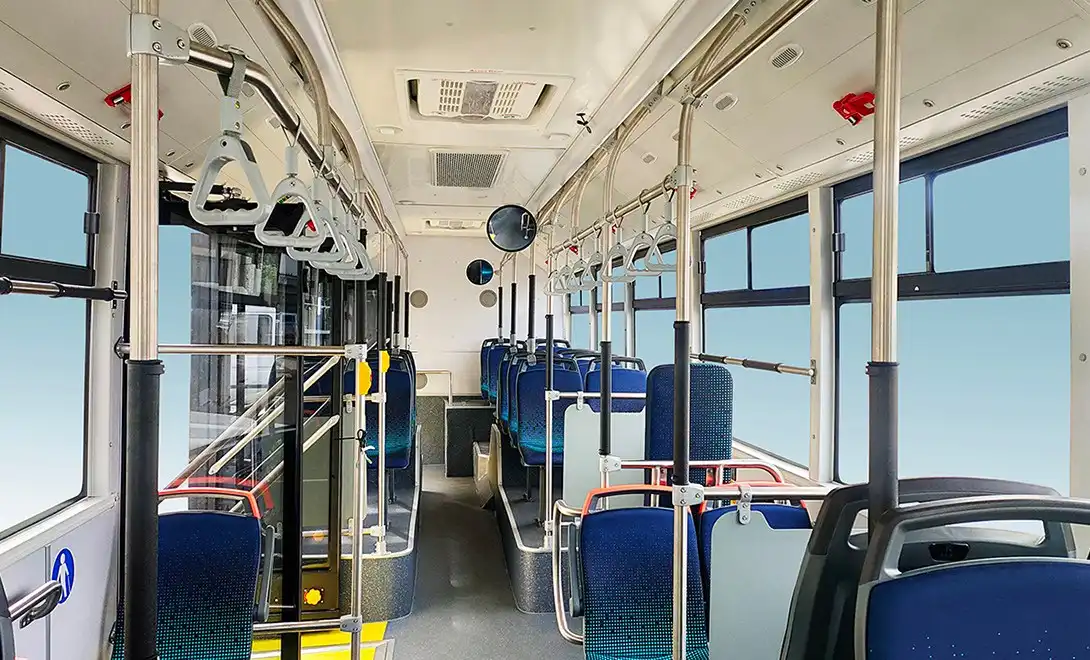
It's not always easy to trust the plan because of when people get on and off the buses, especially when it's busy. Smaller cars can't move people through groups as quickly as 12m buses can because they only have one door. Different types have two or three wide doors that make it easier for people to move around inside the car.
Integration with Smart City Infrastructure
More and more, technologies that connect cars and make them more efficient are being used in smart city projects. These technologies include passenger information systems and connected cars. 12m buses with GPS tracking, real-time passenger counting, and forecast repair monitoring can help fleet managers and people who decide which paths to take.
Priority signal timing at crossroads is possible with vehicle-to-infrastructure communication systems. This cuts down on journey times and makes it easier to stick to plans. When it comes to 12m buses that run on certain bus rapid transit lines, these technologies work especially well. Signal priority can have a big impact on how effective the service is and how happy the passengers are.
Driver Training and Operational Considerations
People must learn how to handle 12m buses in a certain way when they are being taught how to drive. These include how to load people, how far you can turn, and how long you can stop. The drivers of the longer buses need to learn how to use mirrors and pay more attention to what's going on around them. They say that experienced drivers get used to 12m cars quickly because they handle in a way that is easy to predict.
As a 12m bus driver, you have to keep an eye on how many people can fit inside. This is especially important during rush hour, when standing loads are getting close to the limits. Driver training stresses smooth ways to speed up and slow down that are better for riders and last longer for car parts. Getting new training on a regular basis helps keep safety standards high and activities going smoothly.

Procurement and After-Sales Considerations for 12m City Buses
Financing Options and Budget Planning
You need to think about all the different ways you can pay for a fleet, such as straight sales, leases, and build-operate-transfer deals, especially for a significant investment like the 12m City bus. A lot of owners like lease options that cover repairs, lower their risk, and make their monthly costs clear. Many times, people can buy electric buses with the help of government funds and rebates that cover 20 to 40 percent of the initial cost.
It's important to include how much it costs to build charging points for electric 12m buses in your budget. It costs around $50,000 to $100,000 per charge spot for a depot charging setup. On the other hand, more money needs to be spent on infrastructure for opportunity charging along paths. You should weigh these costs against the long-term saves on fuel and the good it does for the environment.
Customization and OEM Collaboration
Original equipment manufacturers give owners of 12m city buses a lot of ways to customize their buses. For example, they can pick how the seats are set up, how the doors are set up, and which features are available. Getting cars from suppliers with a lot of knowledge makes sure that they follow local rules and meet working needs. A lot of manufacturers offer advice services while the specs are being made.
JCM specializes in custom solutions for the auto industry. It has its own research and development labs that let it make quick samples and produce in a variety of ways. Our all-around method includes planning, developing, and making things in ways that are specific to each market. This part of the 12m city bus makes sure that it can meet certain working needs while still meeting quality standards and delivery times.
Service Network and Parts Availability
A good service network makes sure that cars don't have too much downtime and that parts are always available for as long as the cars are used. Before deciding what to buy, workers should look at the service coverage, response times, and parts stocking systems of the manufacturing company. A lot of manufacturers set up service centers in different areas and offer online diagnosis tools that let you plan ahead for upkeep.
Parts that are the same for all fleets of cars save money on materials and make maintenance easy. When owners choose 12m buses, they should look for companies that stand behind their parts and offer repair staff training. This is very important to think about for electric buses because the people who fix them need special training and tools.
Conclusion
To pick the best 12m city bus for city trips, you should think about how many people it can hold, how quickly it moves, and how much it will cost over time. When it comes to room and speed, these vehicles are the best choice. They can also use a variety of engine technologies that are good for the environment and work well. If you want your fleet operations to last, you should look at the total cost of ownership, the ways you can customize them, and the help you can get after the sale. More and more 12m electric and hybrid buses are on the road. This gives bus companies more ways to save money, help the environment, and make the ride better for customers.
FAQ
Q1: What passenger capacity should I expect from a 12m city bus?
A: A normal 12m city bus can fit 80 to 100 people, with room for 35 to 40 to sit down and extra room for people to stand. There may be safety rules in your area that say how many people can stand at once, as well as how the seats are set up and whether they need to be easy for people to get to.
Q2: How does fuel efficiency compare between different 12m bus powertrains?
A: Diesel 12m buses usually get 4 to 6 miles per gallon in towns, but hybrid buses use 25 to 30 percent less gas. For every mile they go, electric 12m buses use between 1.2 and 1.6 kWh of energy. This means that when electricity prices are low, they are much cheaper to run than gas buses.
Q3: What infrastructure modifications are needed for 12m buses?
A: Because they can turn within 10 to 12 meters, most urban lines can handle 12m buses without having to make big changes to the infrastructure. For electric models, on the other hand, charging infrastructure needs to be set up. Depending on the power needs and site conditions, this can cost anywhere from $50,000 to $100,000 per charging spot at a station.
Q4: How do maintenance costs compare between 12m bus powertrains?
A: Electric 12m buses usually need 40–50% less maintenance than diesel ones because they have fewer moving parts and stopping devices that use electricity to power the bus again. Diesel engines need to be serviced every 5,000 to 7,500 miles, and electric drivetrains need to be serviced every 10,000 to 15,000 miles. This cuts down on hours worked and costs.
Q5: What safety features are standard on modern 12m city buses?
A: Electronic stability control, systems that help avoid accidents, full camera tracking, and other features that help the driver are all part of modern 12m buses. A lot of models also have passenger information systems that work in real time and can talk to both other cars and infrastructure. These traits make things safer and help them work better.
Partner with JCM for Your 12m City Bus Requirements
JCM provides full services for owners seeking reliable 12m city bus companies with a history of building custom vehicles. The first step in our all-in-one method is a design session. The next step is setting up the production line and giving help after the sale. This makes sure that your company meets all of its working needs. The fact that our research and development centers are spread out in different parts of the world means that we can make prototypes and changes to our goods fast. Please email us at info@jcm-star.com to learn more about how our unique 12m city bus solutions can help your public transportation, save you money, and make sure they last a long time.
References
1. Transportation Research Board. "Bus Rapid Transit Practitioner's Guide: Vehicle Specifications and Fleet Management." National Academy of Sciences, 2023.
2. American Public Transportation Association. "Electric Bus Deployment and Infrastructure Planning Guidelines for Transit Agencies." APTA Standards Development Program, 2024.
3. Federal Transit Administration. "Low or No Emission Vehicle Program: Technology and Performance Analysis." U.S. Department of Transportation, 2023.
4. International Association of Public Transport. "Urban Bus Fleet Optimization: Capacity Planning and Route Efficiency Analysis." UITP Global Public Transport Report, 2024.
5. Society of Automotive Engineers. "Recommended Practice for Electric and Hybrid Electric Vehicle Battery Systems." SAE International Standard J2464, 2023.
6. Institute of Transportation Engineers. "Transit Capacity and Quality of Service Manual: Bus System Capacity Analysis." ITE Transportation Planning Handbook, 2024.

Based on your vehicle requirements, we will quickly match the most suitable specifications and provide a competitive quote.
_1755581003287.webp)
Global Customized


_1756108840480.webp)
_1755854765757.webp)