How 25-Seat Coaster-Style Buses Fit Business and Corporate Shuttle Use
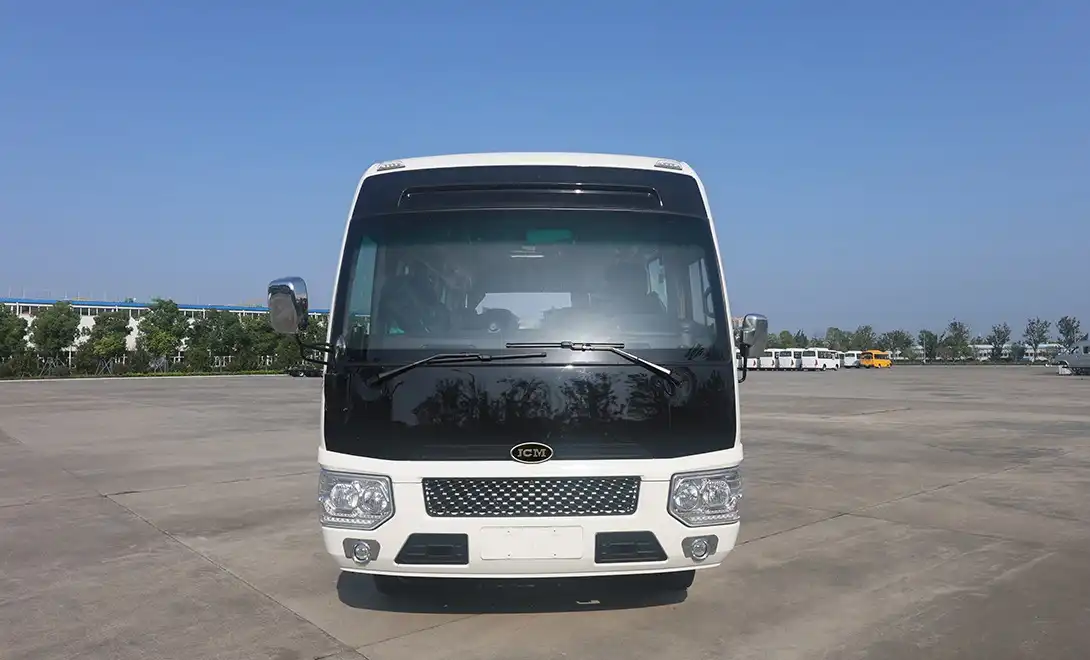
For business and company shuttle uses, the 25 seat Coaster bus is the best option because it strikes the ideal balance between passenger capacity and operating effectiveness. Because they look professional, have nice seats, and work reliably in both urban and intercity transportation situations, these mid-sized cars are great for business settings. Smaller cars feel crowded, and bigger coaches are wasteful for moderately sized groups. Coaster-style buses, on the other hand, provide the best passenger experience while still being cost-effective for businesses needing reliable employee transportation options.
Understanding the 25-Seat Coaster Bus: Specifications and Features
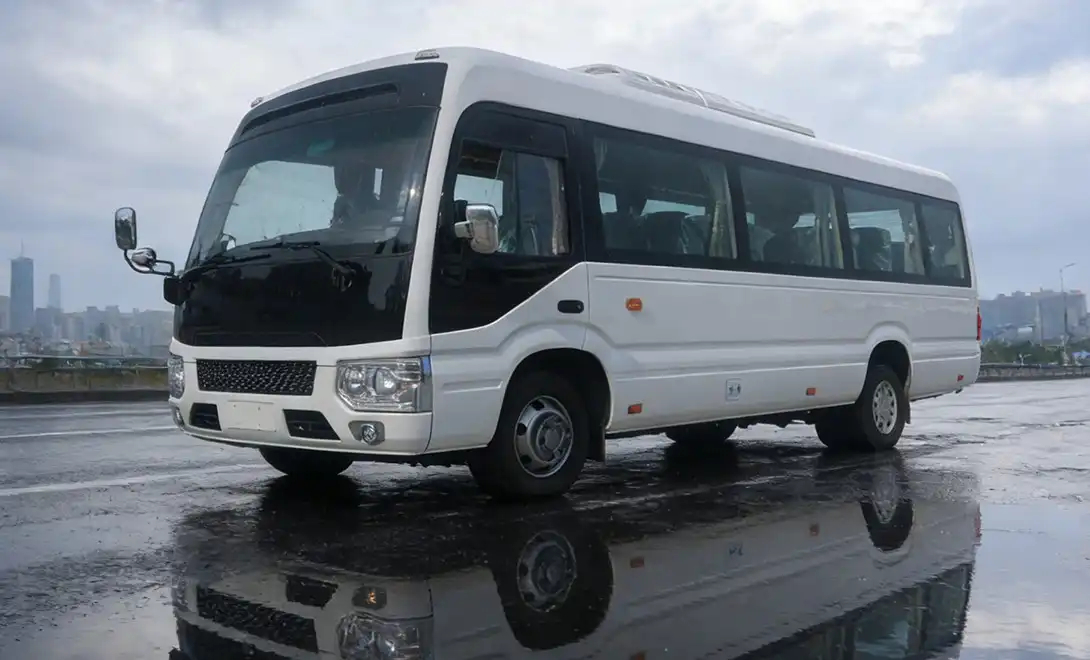
Understanding the technical features and design elements that make these vehicles perfect for business use is the first step to building a successful company shuttle service. Modern Coaster buses combine complex tech with useful features to meet a wide range of business transportation needs.
Core Technical Specifications and Performance Metrics
Modern Coaster-style buses have strong diesel engines with displacements between 4.0 and 5.2 liters that produce 136 to 156 horsepower and 300 to 400 Nm of torque. Under normal city driving conditions, these powertrains get 8 to 12 kilometers per liter of gas, which makes them cost-effective for daily shuttle services. The vehicles are usually between 7 and 8 meters long and have a gross vehicle weight rating of 4,500 to 6,500 kg. This makes them very easy to move around and stable while transporting people.
Most transmission systems have either a 5-speed manual or a 6-speed automatic choice. Many fleet owners prefer automatic transmissions because they are easier for drivers to use and require less training. Suspension systems use leaf springs in the back and independent suspension in the front to keep passengers comfortable and handle different loads well.
Interior Comfort and Customization Options
In workplace shuttle uses, where employee happiness has a direct effect on business operations, passenger comfort is still very important. There are standard seating setups for 25 people, which can be set up in 2+1 or 2+2 layouts. Each seat is ergonomically designed and has enough legroom for adults on 30- to 90-minute trips.
Climate control systems include air conditioners on the roof that can handle between 24,000 and 30,000 BTU, keeping the house at a comfortable temperature no matter what the weather is like outside. LED technology is used for energy-efficient lighting inside, and big windows let in natural light and keep passengers from feeling suffocated on long trips.
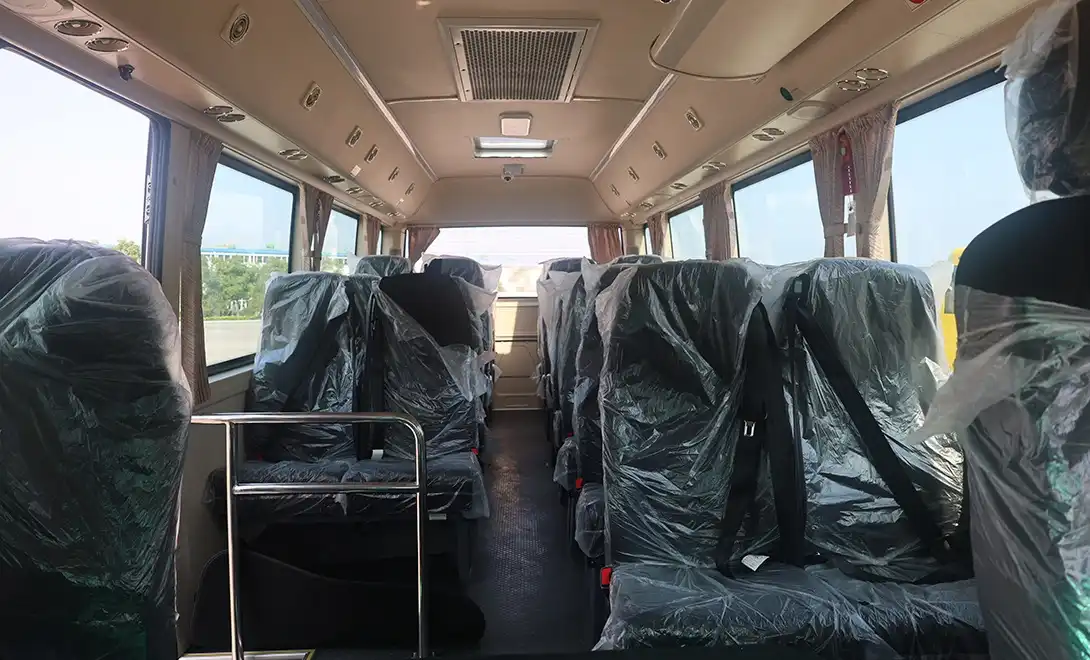
Customization options go beyond basic comfort features and include things like company logos, different types of seating, extra storage spaces, and changes to make the furniture easier for workers who need to move around. These changes help businesses keep up a professional image while also meeting the needs of a diverse staff.
Safety Features and Compliance Standards
Considerations about safety are very important when moving valuable people, so complete safety systems must be included. Anti-lock braking systems (ABS), electronic stability control (ESC), and traction control systems are all standard safety features that keep the car stable in a variety of driving situations.
Structure safety features include stronger passenger areas, emergency doors that are placed according to rules, and fire control systems where required. There are fewer accidents on the road these days because many new units have advanced driving aid systems like blind spot tracking, rear cameras, and collision warning systems.
Following local transportation rules makes sure that cars meet emission standards, noise laws, and accessibility requirements set by regional officials so that they can legally operate in different areas.
Comparing 25-Seat Coaster Buses to Other Shuttle Solutions
To make strategic fleet choices, you need to carefully weigh all of your vehicle options against your business's needs and your budget, from a full-size transit bus to a versatile 25 seat Coaster bus. When procurement teams understand these different configurations, they can select vehicles that optimize passenger satisfaction and operational efficiency.
Operational Cost Analysis Against Alternative Vehicles
When looking at the total cost of ownership, Coaster-style buses are more cost-effective than multiple smaller vehicles or coaches that are too big for the passengers. Using three 8-passenger vans to move 24 workers needs three drivers, three times as much fuel, and more complicated maintenance. A single Coaster bus can do the same job with just one driver and fewer running costs.
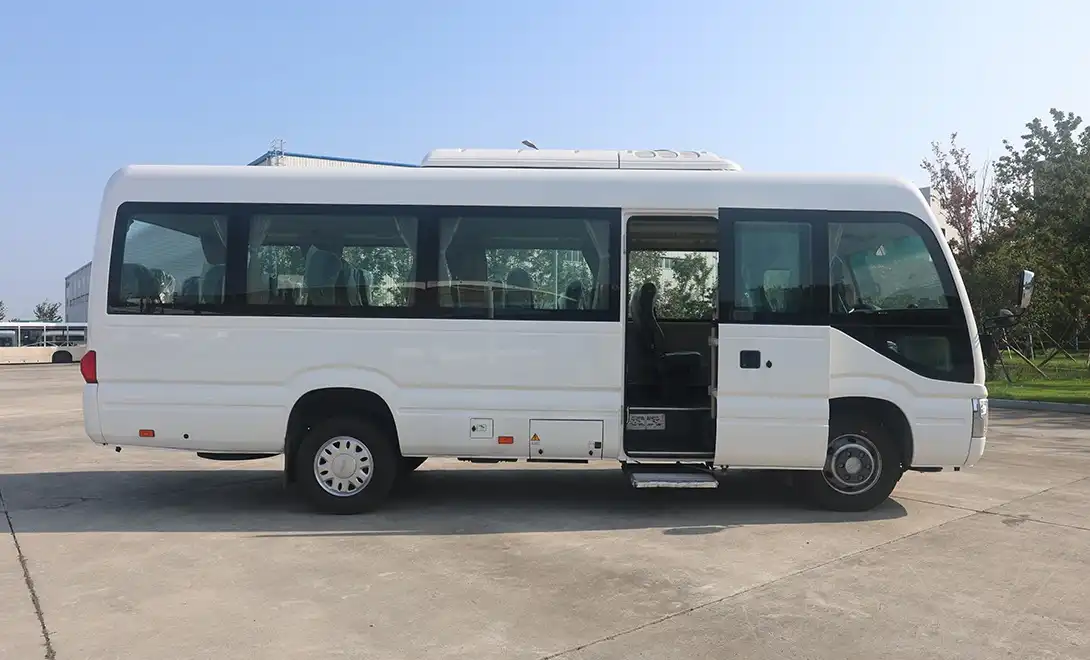
Because Coaster buses have normal service intervals, parts networks that are easy to find, and simpler fleet management processes, maintenance costs are easier to plan for. Insurance costs per passenger usually go down as the size of the car grows. This saves money on operations and adds up over the life of a fleet.
Calculations of fuel efficiency show that current Coaster buses get 40–60% better fuel economy per person than smaller vehicles with the same amount of space. This is especially important since fuel prices keep changing in global markets.
Passenger Comfort and Capacity Advantages
Companies that switch from crowded vans to properly built buses make the experience of their passengers a lot better. Individual seats with enough space between them get rid of the pain that comes with bench sitting or conversion cars with little legroom, which has a direct effect on how happy and productive employees are.
Professional appearance standards are supported by custom-built passenger cabins with enough headroom, climate control, and noise insulation. These features make the spaces ideal for employees to talk to each other or think quietly during trips. These things help improve the company culture and the number of employees who stay with the company.
Larger cars have more room for luggage and personal items than smaller ones. Briefcases, laptops, and other work materials can fit without sacrificing passenger comfort or space during daily transportation cycles.
New Versus Used Vehicle Considerations
Because of limited funds, buying teams often have to look at used vehicle markets. They have to carefully weigh the long-term dependability of the vehicles against the initial cost saves. New Coaster buses come with warranties, regular repair schedules, and the newest safety technologies that lower operating risks during busy business transportation times.
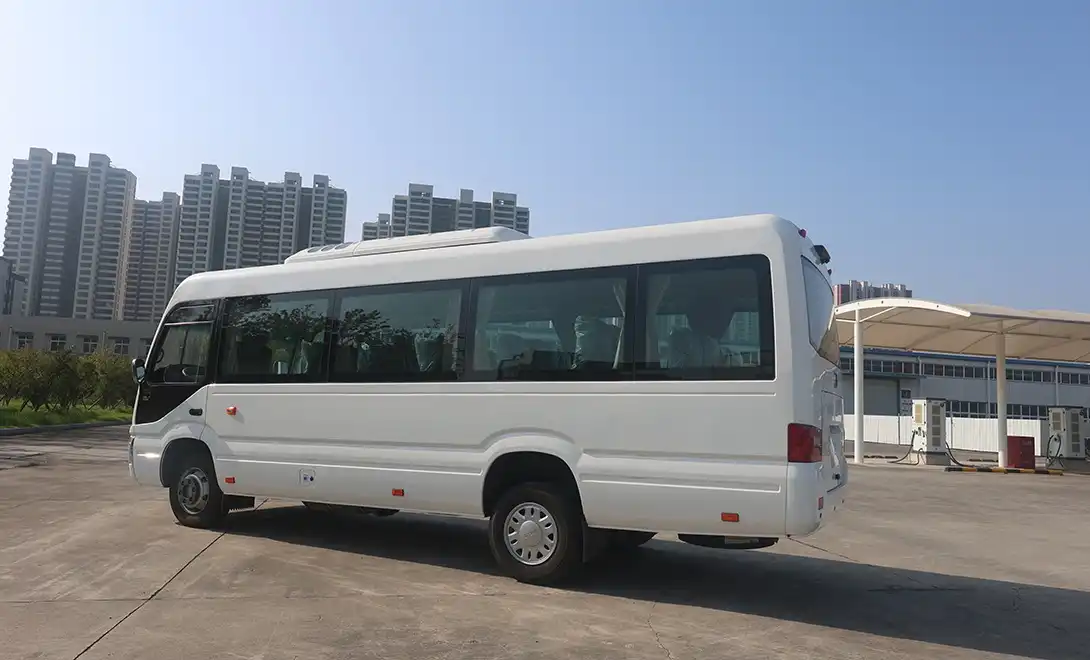
Used cars may save you 30 to 50 percent at first, but they need to be thoroughly inspected mechanically, parts may need to be replaced, and you'll need to set aside more money for care to make sure they work well. When making these purchases, fleet owners have to weigh the short-term budget constraints against the long-term need for operating stability.
Lease agreements, purchase agreements, and fleet management contracts are all types of financing choices that give groups with different capital structures and operational tastes a lot of freedom.
Procurement Strategies for Business and Corporate Shuttle Fleets
To buy a fleet of vehicles successfully, you need to use a methodical approach that matches the vehicle's specs to its practical needs—such as considering a 25 seat Coaster bus for certain routes—while also maximizing long-term efficiency and cost savings. Strategic planning makes sure that purchases meet both the organization's current transportation needs and its plans for future growth.
Defining Operational Requirements and Usage Scenarios
Transportation planning starts with a full study of the number of passengers, the characteristics of the route, and the frequency of service needs that decide the best vehicle specs. When running an urban shuttle service, agility and the ability to make frequent stops are very important. On the other hand, intercity lines focus on customer comfort and highway performance.
Seating arrangements and fleet size choices are affected by the number of passengers each day, the need for peak capacity, and seasonal changes. Companies with more than one shift need cars that can keep running with little downtime between service rounds.
Analyzing routes, taking into account things like distance, terrain, traffic patterns, and parking restrictions, can change the choice of engine, transmission, and size needs so that cars can work well in certain situations.
Vendor Selection and Partnership Development
Building partnerships with trustworthy dealers and manufacturers gives you access to technical help, parts, and service networks that are necessary for fleet operations to continue. When judging a vendor, you should look at their product quality, customer service skills, financial health, and ability to cover areas that are similar to your operations.
Authorized dealer networks have benefits like warranty support, qualified techs, and access to real parts that make upkeep easier and make sure that service quality is always the same. These connections are especially helpful for businesses that have fleets in different places and need to follow regular service processes.
Long-term relationships allow for better pricing, faster service, and personalized support deals that make fleets more reliable while lowering overall running costs over the lifecycles of vehicles.
Export Logistics and Compliance Management
International purchasing is more difficult because you need to know about different countries' customs rules, shipping arrangements, and safety certifications. Professional transportation support makes sure that cars meet local rules for safety, emissions, and operations before they are sent out.
To avoid expensive delays or rejections at customs facilities, the documentation needs of the importing country must match the requirements of the exporting country. This includes certificates of origin, compliance attestations, and technical specs. For these processes to work, producers, freight forwarders, and local legal authorities need to work together.
Buying in bulk can save you a lot of money because you can save on shipping, get better prices, and make it easier to coordinate operations. This is especially helpful for businesses that need to buy a lot of cars at once.
Optimizing 25-Seat Coaster Bus Utilization for Corporate Shuttle Efficiency

To get the best return on fleet investments, operations management, repair planning, and improving the passenger experience must all be done in a planned way. This integrated approach, applied to vehicles like the 25 seat Coaster bus, will ensure that they provide reliable service throughout their useful lives.
Fuel Management and Cost Control Strategies
Fuel costs are a big part of running a business, so they need to be actively managed through driver training, route optimization, and regular car repair. If you keep your tires at the right pressure, service your engine regularly, and drive efficiently, you can save 15 to 20 percent on fuel compared to fleet operations that aren't taken care of.
Software for planning routes helps find the best routes that keep service plans while reducing journey time and fuel use. Cutting down on running costs and car wear is achieved by combining multiple stops and getting rid of inefficient route patterns.
Focusing on proper speed management, efficient acceleration, and safe vehicle operation methods in driver training programs leads to measurable gains in fuel economy and component longevity.
Preventive Maintenance and Component Longevity
Structured repair plans based on what the maker suggests keep cars from breaking down and make them last longer than usual. Regular checks find problems before they become big enough to stop service or cost a lot to fix.
Replacing a part with a legitimate one guarantees compatibility, dependability, and insurance coverage that protects fleet investments. Generic or replacement parts may be cheaper at first, but they may break down early or not work with other parts, which will cost you more in the long run.
Documenting maintenance and keeping track of service records allows for predictive maintenance methods that find the best times to replace parts and find problems that keep happening and need systematic answers.
Enhancing Passenger Experience Through Customization
Changes to the interior that are made based on what each customer wants make them happier and support company culture efforts. There are options like better materials for the seats, better climate control, entertainment systems, and ways to connect that can turn your journey into a time to work or rest.
Color patterns, names, and interior design themes that are part of corporate branding help people recognize the company and make transportation areas that are professional and reflect the company's standards and values.
Accessibility features help workers who have trouble moving around, and they make sure that transportation policies are fair for everyone, support a diverse workforce, and follow the rules.
Future Trends and Innovations in 25-Seat Coaster Buses for Business Use
The business vehicle industry is always changing because of new technologies and new regulations, affecting fleet planning across all segments, including the versatile 25 seat Coaster bus. When procurement teams understand emerging trends, they can make decisions that will help their organizations succeed in the future.
Alternative Fuel Technologies and Environmental Compliance
Electric and hybrid powertrains are big steps forward in protecting the environment and cutting down on operating costs. Electric Coaster buses don't produce any pollution and are easier to maintain, but their limited range may limit their use on certain routes.
The hydrogen fuel cell technology allows for longer range and quick refueling, just like regular cars. However, in many areas, the infrastructure is still not widely available. These technologies need to be tested against specific operating needs and the powers of the infrastructure.
Global emission rules are getting stricter, which could affect the growth of engine technology and the resale prices of cars that don't meet future standards. When choosing cars for long-term use, fleet planning must take legal deadlines and compliance requirements into account.
Digital Integration and Fleet Management Systems
Telematics systems let fleet managers know where their vehicles are at all times, how well they're doing, and when they need to be serviced. These technologies help find the best routes, keep an eye on how drivers act, and guess what repairs need to be done before they happen.
Advanced diagnostics let you keep an eye on engine performance, component wear, and operating efficiency metrics from afar, which helps you make choices about maintenance that are based on data. This knowledge helps fleet managers get the most out of their vehicles and cut down on unplanned downtime.
Passenger management systems, which include booking platforms, real-time tracking, and contact tools, improve service quality while lowering the administrative costs of running bus services.
Conclusion
The 25 seat Coaster bus is the best choice for corporate shuttles because it strikes the perfect balance between passenger capacity, operating effectiveness, and professional look to meet all kinds of business transportation needs. These vehicles offer more comfort than crowded van options while avoiding the practical waste that comes with over-sized coaches. This makes them perfect for businesses that regularly move moderate-sized groups.
Modern Coaster buses have high-tech safety features, flexible design options, and reliable performance traits that make sure they always meet professional standards and provide consistent service. Companies can get the most out of their fleet investments and find long-term transportation options that help them reach their business goals by using strategic procurement methods that focus on daily needs, vendor relationships, and long-term planning.
FAQ
Q1: What is the typical fuel efficiency of a 25-seat Coaster bus?
A: Modern Coaster buses get 8 to 12 kilometers per liter when going in cities. Their real economy depends on the route, how they are driven, and how well they are maintained. Driving on the highway is often 15-20% more efficient than driving in cities, where you have to stop and go.
Q2: How do maintenance costs compare between Coaster buses and multiple smaller vehicles?
A: When compared to using multiple cars to carry the same number of people, coaster buses usually have 30–40% lower upkeep costs per passenger. These saves are made possible by combining upkeep, using standard parts, and making fleet management easier over longer periods of time.
Q3: What safety standards should businesses require for corporate shuttle vehicles?
A: Following local traffic rules, having ABS brakes, electronic stability control, the right emergency exits, and regular safety checks are all important safety standards. Extra features, such as systems that avoid collisions and driver monitoring, make sure that important workers are safer.
Q4: How long do Coaster buses typically remain in service for corporate fleets?
A: Well-kept Coaster buses usually work well for 8 to 12 years in business settings, and some last longer than 15 years if they are properly maintained. Service life is based on the number of miles driven each year, the conditions of the route, the level of upkeep, and the needs of the business.
Q5: What customization options are available for corporate shuttle applications?
A: Some of the things that can be customized are the seating setups, the materials used inside, the temperature control, the entertainment systems, the accessibility features, and the storage options. These changes help make sure that cars meet the needs of the company and the desires of the employees.
Partner with JCM for Your 25 Seat Coaster Bus Requirements
With a wide range of car options, the ability to customize them, and full-lifecycle support services, JCM is ready to help you with your business shuttle projects. We can provide 25 seat Coaster bus options that are tailored to your unique operating needs and financial constraints thanks to our experience in car manufacturing and supply chain management.
With R&D centers in Shiyan and Xiamen as well as offices in Southeast Asia, the Middle East, and Europe, JCM offers both local help and the ability to manufacture goods all over the world. Our "Surfing" tool brings together global talent and suppliers to make it easy to customize products quickly and come up with new ones that meet the needs of the market.
Whether you need a single vehicle or a whole fleet, JCM offers a wide range of services to make sure that your shuttle operations are as efficient and reliable as possible. These services include design advice, production planning, quality testing, and support after the sale. Find out how our unified method can maximize your business transportation investments by getting in touch with our team at info@jcm-star.com to talk your 25 seat Coaster bus supplier needs.
References
1. International Association of Public Transport. "Best Practices in Corporate Shuttle Operations: A Global Analysis." Public Transport Research Journal, Vol. 28, 2023.
2. Commercial Vehicle Safety Alliance. "Safety Standards and Compliance Requirements for Medium-Duty Passenger Vehicles." Transportation Safety Quarterly, Issue 4, 2023.
3. Fleet Management Institute. "Total Cost of Ownership Analysis for Corporate Transportation Solutions." Commercial Fleet Operations Review, 2023.
4. Automotive Industry Research Group. "Emerging Technologies in Commercial Passenger Vehicles: Trends and Implications." Industry Technology Report, Vol. 15, 2023.
5. Corporate Transportation Association. "Employee Satisfaction and Productivity Impacts of Professional Shuttle Services." Workplace Mobility Studies, 2023.
6. Environmental Protection Agency Office of Transportation. "Emission Standards and Alternative Fuel Adoption in Commercial Vehicle Fleets." Environmental Compliance Handbook, 2023 Edition.

Based on your vehicle requirements, we will quickly match the most suitable specifications and provide a competitive quote.
_1755581003287.webp)
Global Customized


_1756108840480.webp)
_1755854765757.webp)