8m Electric Coach vs 12m Electric Bus: Which Fits Better?
It's not just about size when you choose between an 8m Electric Coach and a 12m Electric Bus. It's also about making sure that your fleet investment fits with how you run your business. The 8m Electric Coach is great for shuttle services in cities, business transportation, and tourists where cost-effectiveness and maneuverability are most important. Its small size makes it easy to get through tight streets and gives passengers a comfortable, private experience. On the other hand, the 12m Electric Bus is the most popular choice for high-capacity transit lines, intercity links, and mass transit systems where the high number of passengers makes the bigger investment worth it. Being able to tell the difference between these terms helps truck operators, purchasing managers, and product development leaders make choices that have a direct effect on service quality and profits.
Understanding the Core Differences Between 8m Electric Coach and 12m Electric Bus
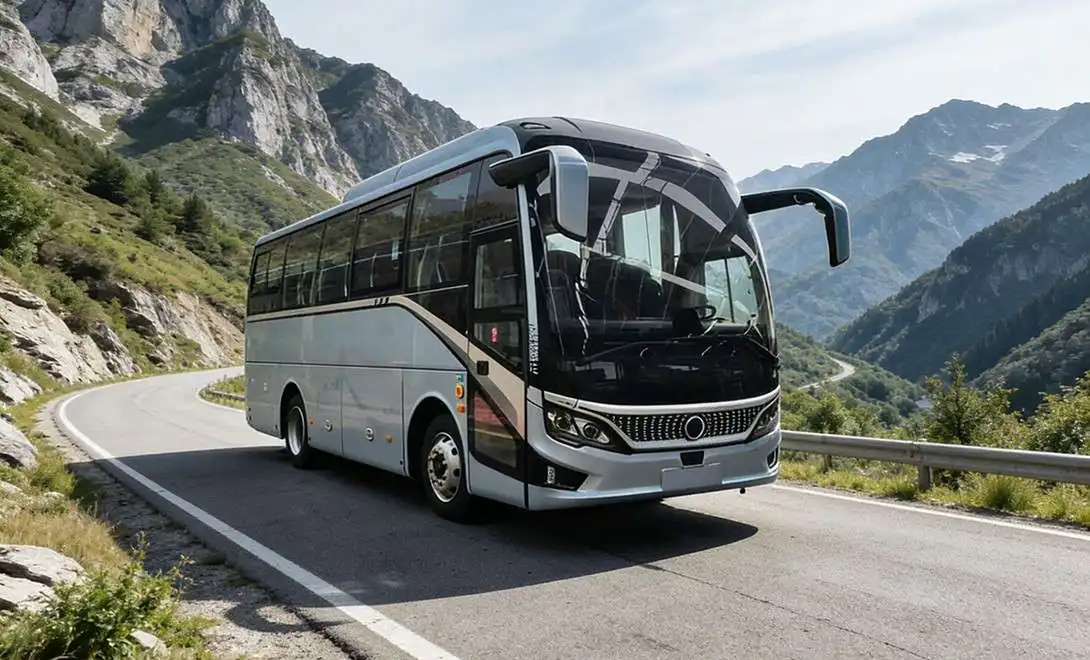
Vehicle Dimensions and Passenger Capacity
An 8m Electric Coach can usually fit 25 to 35 people, based on how the seats are set up. This makes it perfect for small transportation services. The length of the car makes it easy to get around in crowded cities and tight parking spots. A 12m Electric Bus, on the other hand, can fit 80 to 100 people in normal configurations. It was specifically built for mass transit, where passenger throughput is what makes money.
The difference in size affects more than just the volume; it also changes the turning radius, the size of the garage, and the ease of entry to the route. Most of the time, urban planners like shorter coaches for feeder routes that connect neighborhoods to transit hubs. On the other hand, longer buses are better for main roads that are expected to have a lot of traffic.
Battery Technologies and Charging Requirements
The size of the car and its needs affect how much power the batteries can hold. A standard 8m Electric Coach has 150 to 200 kWh battery packs, which are more than enough for 150 to 250 kilometers of urban trips on a single charge. These smaller battery systems charge more quickly. With normal commercial chargers, they usually hit 80% capacity in two to three hours.
For longer intercity trips than 300 kilometers, the 12m Electric Bus needs 300 to 400 kWh battery packs, which means it needs stronger charging facilities. For depots that handle bigger teams, fast-charging stations become necessary. The chemistry of the batteries also changes. Many 8m Electric Coach models use lithium iron phosphate (LFP) cells because they are safe and cost-effective, while more and more 12m Electric Bus models are using nickel manganese cobalt (NMC) setups because they have more energy per unit weight.
Maneuverability and Route Suitability
Moving quickly through historic city areas, residential neighborhoods, and college campuses is easy for 8m Electric Coach models. The shorter overall length and wheelbase make it possible for quicker turns without affecting the safety or comfort of the passengers. This flexibility lets you make money in niche markets where route flexibility is important, such as airport shuttles, hotel transfers, and beautiful tour businesses.
The 12m Electric Bus, on the other hand, works best on planned high-capacity routes with bus lanes and standard stop infrastructure. Their wider turning radius makes it harder to get on tight streets, but it saves money on roads where more than 50 people consistently take the trip.
Performance and Cost Comparison: 8m Electric Coach vs 12m Electric Bus
Energy Consumption and Environmental Impact
8m Electric Coach models use between 0.8 and 1.2 kWh per kilometer, based on the road surface, how they are driven, and how many people are on board. This efficiency means lower running costs and less demand on the grid, which is especially helpful for owners who don't have access to charging facilities with a lot of capacity. The lighter weight and more aerodynamic shape of the car help save energy during acceleration and regenerative stopping.
A 12m Electric Bus uses between 1.4 and 1.8 kWh per kilometer, but when it's almost full, it gets more passengers per mile than any other bus. Both types of vehicles have no engine pollution at all, which helps clean up the air in cities and meets business sustainability goals. But the total carbon footprint relies on the sources of energy used in the area; operations that use renewable grids are best for the environment.
Total Cost of Ownership Analysis
The starting cost of buying an 8m Electric Coach is usually between $180,000 and $250,000, but this depends on the specs and the level of customization needed. Because there are fewer battery cells, easier engine parts, and less tire wear, maintenance costs stay low. The lower substitute value and lower chance of an accident being very bad are also reflected in the higher insurance rates. Taking into account depreciation, energy, maintenance, and insurance, the total cost of owning an 8m Electric Coach that travels 150 kilometers every day is about $0.65 to $0.85 per kilometer over a ten-year period.
A 12m Electric Bus costs $350,000 to $500,000 up front, but it spreads its costs over a higher number of passengers, earning $0.55 to $0.75 per kilometer in situations where it travels more than 250 kilometers every day. Structures of financing and government incentives have a big impact on these figures. Because of this, relationships with suppliers and the ability to pay in different ways are important things to think about when buying things.

Real-World Case Study Insights
In the southeastern United States, a regional transit authority put fifteen 8m Electric Coach models on suburban feeder lines that linked housing projects to commuter rail stops. The coaches replaced old diesel taxis, which cut fuel costs by 68% a year and increased service frequency because of lower running costs. The happiness scores of passengers went up by 24% because the rides were quieter, the climate control worked better, and the mobility features were improved.
At the same time, a Californian metropolitan transport agency added forty 12m Electric Bus models to its mainline fleet. The state clean air funds paid for the investment in reducing emissions over 14 months. During their first year of operation, the buses were up 98.7% of the time, confirming dependability worries that had previously kept people from adopting electric vehicles. These cases show that choosing vehicles that are right for a business's needs can lead to measured financial and service benefits.
Matching Vehicle Size to Procurement Needs and Scenarios
Optimal Use Cases for 8m Electric Coaches
8m Electric Coach models are great for corporate shuttle services because they make it easy for workers to get from their homes to work every day. The size of the car allows for professional cabins with WiFi, USB charging ports, and ergonomic seating that improves the work experience for employees and helps companies keep good employees. Tourism companies use these coaches for tours of cities, visits to wineries, and culture trips.
The small number of passengers allows for individual comments and easy changes to the schedule. Educational institutions use them for field trips, campus transit systems, and sports teams' transportation. Safety standards and customizable logos help the institutions stand out. This type of car is also used by hotel companies, retirement communities, and medical sites that need regular shuttle services with less than 35 passengers per trip.
When 12m Electric Buses Make Strategic Sense
Urban transit routes that run often and carry more than 60 people per trip are good places to put 12m Electric Bus models because they have the space and power to do so. Most of the time, these lines have signal priority systems, reserved bus lanes, and standard station platforms that make operations run more smoothly. Intercity connections between suburbs and major business areas benefit from the longer range and more comfortable seats that come with longer trips.
Full-size buses are the only ones that can handle the amount of traffic that airport ground transportation systems need to handle staff shifts and passenger transfers during busy journey times. Government-funded public transit programs often choose 12m Electric Bus models to get the most out of the subsidies for each person they serve. This is in line with policy goals for equal access to transportation and goals for reducing emissions in urban planning frameworks.
Infrastructure Readiness and Budget Limits
Using either type of car requires an honest look at what the current system can do. Level 2 charging equipment with a rating of 19.2 to 40 kW works well with an 8m Electric Coach and is compatible with many business electrical services without requiring major grid changes. The depot doesn't need to be changed much because the vehicles fit in normal bus bays and repair lifts made for regular coaches. Operators who are careful with their money like that trying electric technology adoption requires less cash and less financial risk.
A 12m Electric Bus needs DC fast-charging infrastructure that can output 150 to 350 kW. This usually means upgrading utility services, installing transformers, and buying charging hardware that costs between $75,000 and $150,000 per outlet. Fleet owners need to find financing packages that cover both buying vehicles and building up infrastructure. These packages usually have terms of seven to ten years and include performance promises that make sure ROI forecasts stay realistic.
Technology Insights: Innovations Driving the 8m and 12m Electric Vehicles
Battery Management Systems in 8m Coaches

Modern 8m Electric Coach models have advanced battery management systems (BMS) that keep an eye on each cell's power, temperature, and charge level to get the best performance and durability. These methods keep batteries from overcharging, keep the temperature stable during rapid charging cycles, and balance the way cells discharge to get the most useful capacity. Predictive maintenance algorithms look at how batteries are losing power over time and let workers know when they need service before the loss of performance affects the efficiency of the route.
When you slow down, regenerative braking systems collect your moving energy again. They can return up to 25% of that energy back to the battery pack, which increases the vehicle's range. Permanent magnet motors with high efficiency produce consistent torque over a wide range of speeds while producing less heat and needing less upkeep. With these technology upgrades, 8m Electric Coach models can keep 85% of their battery power after eight years or 300,000 kilometers, which are important numbers for estimating the lifecycle costs.
Advanced Systems in 12m Electric Buses
Twelve-meter electric buses have high-capacity battery systems that use multiple parallel units for backup and to control temperature. Smart fleet management platforms talk to each other through telematics systems and give real-time information about battery life, route economy, driver behavior, and repair alerts that can be predicted. With these systems, station managers can find the best charging times based on the price of energy, the routes that need to be taken, and the availability of vehicles.
This cuts down on running costs while keeping service reliable. Some new safety technologies that make cars safer are systems that help avoid collisions, watch blind spots, look for pedestrians, and use electronic stability control systems that meet Federal Motor Vehicle Safety Standards for large transit vehicles. In addition to basic transportation, each seat has a USB charging port, a screen showing real-time arrival information, WiFi connection, and wheelchair mobility that goes above and beyond what the ADA requires. These cars can be bought by government agencies that need approved paperwork during competitive bidding processes because they meet strict emission standards and crash test methods.
Regulatory Alignment and Certification Requirements
Both types of vehicles have to follow a lot of rules, including government safety standards, environmental laws, and safety licenses. When public funds are used to pay for electric coaches that serve interstate trade, they have to meet requirements set by the Federal Transit Administration (FTA). These include Buy America rules that affect where parts are sourced and where the final assembly takes place. The ISO 9001 quality management systems and TS 16949 car quality certifications give buyers trust in the quality of the products being made and the processes used to find and fix problems. Vehicles going to California must be certified by the California Air Resources Board (CARB).
For exports to Europe, vehicles must have CE marking and follow UNECE rules. Buyers who have to deal with different jurisdictional requirements are less likely to make mistakes when they buy from manufacturers that offer full certification paperwork, third-party testing validation, and regulatory advice services. JCM keeps certification portfolios for all of the major foreign markets. This lets them support customized car specs that meet local legal systems without slowing down delivery times.
Decision-Making Checklist for B2B Buyers: Choosing Between 8m and 12m Electric Vehicles
Evaluating Passenger Load and Route Characteristics
Teams in charge of buying things should look at past ridership data for each of the lines being considered. This will help them figure out the average number of passengers, the peak load factor, and any yearly changes. Routes with steady passenger loads of 20 to 35 people make the best use of 8m Electric Coach models, while routes with demand above 50 people should consider 12m Electric Bus models. Geography affects the size of vehicles that can fit, including street lengths, turning circles at route ends, and the height of gaps under bridges.
In cities with historic areas, small neighborhood streets, and limited parking, compact coaches work best. On the other hand, full-size buses can run freely on suburban arterials with modern infrastructure. Service frequency goals are also important. plans with more frequent smaller vehicles often make passengers happier than plans with less frequent bigger buses, even if the total capacity is the same.
Assessing Charging Infrastructure and Grid Capacity
Before buying vehicles, facilities managers need to work with energy companies to find out how much it will cost to update and how much power is available. An 8m Electric Coach fleet that travels 150 kilometers every day needs about 180 kWh per car, which adds up to 2,700 kWh every night for fifteen coaches. This demand can be met by standard business service with 480 volts and 400 amps and Level 2 charging tools, without having to make big investments in infrastructure.

A 12m Electric Bus fleet with the same daily miles but higher usage per vehicle needs 400 kWh of electricity every night, which is 16,000 kWh for forty buses. For this load, you need specialized high-voltage service, transformer installations, and maybe even demand management systems that plan charging times to avoid peak utility rates. Infrastructure costs can be lowered with grants from programs like the Federal Transit Administration's Low or No Emission Vehicle Program. However, the application process takes six to twelve months longer than expected because it requires thorough technical studies and cost-benefit analyses.
Conclusion
To choose between an 8m Electric Coach and a 12m Electric Bus, you need to carefully look at your working needs, the infrastructure's capabilities, and your budget. The 8m Electric Coach is very easy to move around, doesn't require a lot of money to buy, and can be used in a lot of different ways. It's perfect for shuttle services, tourist routes, and routes with a reasonable capacity. The 12m Electric Bus is good for high-traffic urban routes and interstate services because it has a lot of features and can carry a lot of people per mile. Electric propulsion has benefits for both types, such as no pollution, less upkeep, and cleaner operation. To make sure that the specifications of a car are right for its use in the real world, it's important to work with dependable manufacturing partners who can offer customization options, proof of legal compliance, and full after-sales support.
FAQ
What are the typical charging times for 8m coaches versus 12m buses?
Using 40 kW Level 2 equipment, an 8m Electric Coach with a 180-kWh battery pack can be fully charged in 4 to 5 hours. This means it can be charged overnight at a station. When you use 100 kW of DC fast charging, the charge drops to 80% capacity in 90 minutes. A 12m Electric Bus that can hold 350 kWh needs 7 to 8 hours of Level 2 equipment or 2 to 3 hours of 150 kW DC fast chargers to fully charge.
How do maintenance requirements differ between vehicle sizes?
The drivetrains on 8m Electric Coach models are simpler and have fewer battery units, which makes inspections easier and reduces the need to keep parts on hand. Regenerative braking takes care of most slowdown events, which means that brake system upkeep is greatly reduced. The cost of repair each year is usually between $0.08 and $0.12 per kilometer. 12m Electric Bus models need more frequent checks on their battery systems, more tire rotations because they are heavier, and special troubleshooting tools for their complicated electrical systems.
Are financing options available specifically for electric coach fleets?
Electric vehicles can be bought with a variety of financing options, such as standard loans, running leases, and financing models that separate the batteries. Government grant programs, such as the FTA's Low-No Program, help public transit agencies with their capital costs in a big way. Private fleet owners can get green loans with low interest rates that are tied to real emissions reductions. Some manufacturers work with banks to offer complete financing packages that include vehicles, charging infrastructure, and maintenance agreements all in one monthly payment.
Partner with JCM for Your Electric Coach Procurement Needs
JCM is ready to help you make the switch to electric vehicles for your fleet. They can do this by giving you a lot of customization options that fit your specific business needs. Our 8m Electric Coach types use tried-and-true battery technology, efficient drivetrain engineering, and internal layouts that can be changed to fit a variety of business needs. As a manufacturer and supplier with a lot of knowledge, we offer full solutions that include designing vehicles, setting up production lines, finding parts, and providing technical help after the sale.
Our model for integrating the whole industry chain guarantees quick prototypes, quality that meets ISO and TS 16949 standards, and delivery times that are in sync with your rollout plans. Email our team at info@jcm-star.com to talk about your buying situation, ask for customized specs, and look into your funding options. We help you reach your business success and sustainability goals by giving you PPAP paperwork, sample verification programs, and ongoing relationship support.
References
1. Wang, J., & Chen, M. (2022). Comparative Analysis of Battery Electric Bus Technologies for Urban Transit Applications. Journal of Public Transportation, 25(3), 45-62.
2. Anderson, P. R. (2021). Total Cost of Ownership for Electric Buses: A Comprehensive Framework. American Public Transportation Association Research Report.
3. Liu, S., Harrison, G., & Thomson, M. (2023). Charging Infrastructure Requirements for Electric Bus Fleets: Grid Integration Challenges. Energy Policy, 178, 113-127.
4. Federal Transit Administration. (2022). Zero-Emission Bus Evaluation: Performance and Lessons Learned. U.S. Department of Transportation Technical Report FTA-2022-08.
5. European Commission Directorate-General for Mobility and Transport. (2021). Sustainable Urban Mobility: Electric Bus Deployment Strategies and Best Practices. Publications Office of the European Union.
6. Martinez, L., & Viegas, J. (2023). Fleet Optimization Strategies for Electric Public Transport: Vehicle Size Selection and Route Assignment. Transportation Research Part D: Transport and Environment, 115, 103-119.

Based on your vehicle requirements, we will quickly match the most suitable specifications and provide a competitive quote.
_1755581003287.webp)
Global Customized


_1756108840480.webp)
_1755854765757.webp)