14m Coach Bus for Desert & High-Temperature Regions
When you run passenger transportation services in harsh climates, you need cars that were made to handle those conditions. A 14m desert coach bus is a special kind of building made for places where temperatures regularly rise above 40°C (104°F) and dusty conditions make every motor system work harder. These vehicles have better cooling systems, stronger parts, and climate-adaptive materials that keep them reliable when regular busses would break down. More and more, procurement managers in the Middle East, North Africa, and parts of the southwestern US are putting these specialty buses at the top of their lists to make sure the safety of passengers and to cut down on expensive breakdowns in remote areas where service infrastructure is still limited.
Understanding the Unique Specifications of 14m Desert Coach Buses

Commercial cars have to meet strict requirements in deserts that go far beyond their normal operating limits. Heat stress changes engines, motors, electrical systems, and passenger comfort all at the same time. This means that major design changes are required, not just possible.
Specialized Thermal Management Systems
The most important difference between normal coaches and desert-rated types is how well they cool. High-capacity radiators with more surface area get rid of engine heat more quickly, and secondary transmission coolers keep the gearbox from breaking down, which can happen when the engine is running at high temperatures for a long time. Most of the time, these buses' HVAC systems can cool 30–50% more than normal models, and their reinforced compressors are rated for constant job cycles of more than 12 hours a day.
Putting thermal insulation layers under floor panels and along cabin walls cuts down on direct heat transfer by about 40%. This keeps temperatures inside the cabin doable even when surfaces outside get very hot. Modern climate control systems move conditioned air through specially designed ductwork that keeps temperatures even from the front seats to the back ones. This fixes a common problem in regular buses where the back seats are much warmer.
Chassis and Structural Reinforcements
Deserts have both hard-packed ground and soft sand, so suspension systems need to be able to handle both without affecting the ride quality or the strength of the structure. Heavy-duty shock absorbers, strengthened leaf springs, or air suspension systems keep the vehicle stable while taking hits from uneven ground. Undercarriage security keeps important parts safe from sand and rock hits that are typical on unpaved desert roads. High temperatures and, in desert areas near the coast, air that is high in salt slow down the oxidation process.
Corrosion-resistant treatments are used on the frame and body parts to protect them. Frame rigidity is very important because high heat can cause welded joints and bolts to expand, putting stress on them. To make sure that these pressures are handled without cracks or weak connections, engineers choose materials and assembly methods that can handle them.
Propulsion Options for Harsh Climates
When ordering desert coaches, fleet operators have to decide between diesel and electric powertrains. Diesel engines are still the most common in remote desert areas because they are easy to find fuel for and can run without charging stations. Modern diesel versions have turbochargers that are designed to work best at high altitudes in the desert and better filtration systems that can handle fine sand particles that would quickly damage regular air filters. Electric buses have a lot of benefits for routes in urban deserts where charging stations are available. They have lower running costs and no tailpipe pollution, which makes the air quality better in crowded oasis.
When it comes to electric cars, battery heat management is very important. These cars need active cooling systems that keep lithium-ion cells from breaking down when the temperature outside goes above what the maker recommends. Range anxiety is something that should be seriously thought about because battery capacity drops by about 15 to 20 percent in high heat compared to moderate temperatures. This could mean that you need bigger battery packs, which add weight and cost at first.
Comparing 14m Desert Coach Buses with Standard Models: Insights for Smart Procurement
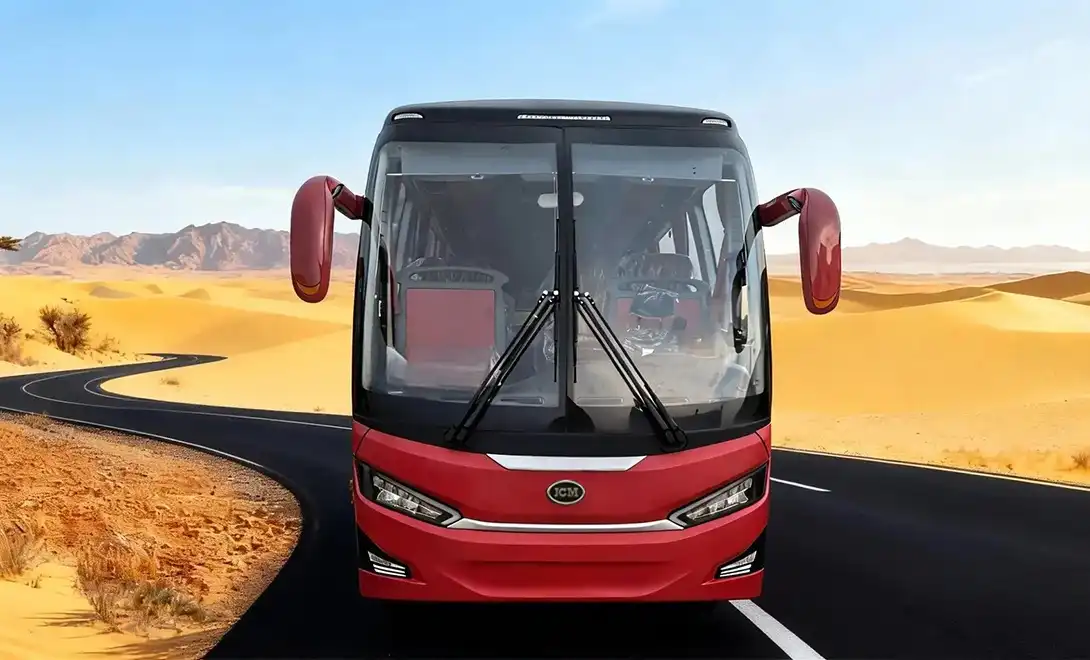
When you compare 14m desert coach bus models to regular ones, you can learn how to make smart purchases. Knowing how specialized coaches perform compared to standard coaches helps procurement managers explain why they need to spend more on tools that can handle the harsh conditions of deserts.
Operational Durability and Lifecycle Costs
In high-temperature settings, desert-rated coaches show significantly better durability measures. In the desert, standard coaches usually need major cooling system fixes or replacements every 18 to 24 months, but types made for the desert usually go longer than 48 months before they need the same kind of work. This longer time between services directly leads to lower repair costs and higher fleet availability.
Patterns of fuel use are also very different. Engines that are optimized for the desert stay efficient over a wider range of temperatures, while normal engines lose 8–12% of their efficiency when they run above 35°C. Over a normal 10-year operating lifetime, these differences in efficiency can save a lot of money on fuel costs for groups that travel a lot, like those that go over desert routes every month and cover thousands of kilometers.
Passenger Comfort and Capacity Considerations
Desert coaches have seating arrangements that balance the need for space with the need for comfort for long trips in rough circumstances. The upholstery on high-end types is made of heat-resistant, breathable materials that stay soft against the skin even after hours of full sunlight. Ergonomic seat designs with better back support help people who are traveling for six to eight hours on boring desert roads feel less tired. Standard coaches have 54 to 59 seats along a 14m length, but desert versions sometimes have only 48 to 52 seats to give people more space and make their individual climate controls work better. This decrease in capacity is a trade-off that providers must weigh based on how demand trends for routes change and what passengers expect.
Leading Manufacturers and Certification Standards
Manufacturers that are known to serve markets in the desert have certificates that show they follow international safety and environmental rules. The ISO 9001 quality management certification makes sure that production methods are always the same, and the TS16949 car standards make sure that quality controls are in place throughout the supply chain. Desert-rated buses should have at least IP5X entry protection ratings, which prove that dust can't get inside and damage the electrical systems.
Manufacturers who have been around for a while provide detailed technical paperwork that includes the results of thermal performance tests that were done under controlled high-temperature conditions. This gives buying teams real-world data to use for comparison. Infrastructure for after-sales support is very important. For example, makers with regional service centers in desert markets make sure that parts are available quickly and that downtime is kept to a minimum when fixes need to be done out of the blue.
Maintenance and Operation Best Practices for Desert Coach Buses
Even the toughest desert-rated coaches need to be maintained in a certain way so they can work at their best and last as long as possible.
Preventive Inspection Schedules
Checking the cooling system should be a top priority on maintenance plans. Every 5,000 kilometers or once a month in very dusty places, the radiator fins should be cleaned. Building up sand and dust between radiator fins lowers the effectiveness of heat transfer by as much as 30%, which cancels out the benefits of cooling systems that are too big. Engine air filters need to be replaced about twice as often as is recommended for moderate temperatures.
Some operators use pre-cleaner systems to get rid of bigger particles before they reach the main filters. Keeping an eye on tire pressure is important because tires that aren't filled properly produce too much heat, which, when paired with hot road surfaces, speeds up the breakdown of rubber and raises the risk of a blowout. In desert operations, transmission oil needs to be checked more often to find early signs of thermal breakdown before lubrication fails damage expensive parts.

Driver Training for Desert Conditions
Operators get the best performance and economy by giving drivers special training that addresses problems that only happen in the desert. To get through soft sand parts without losing speed or making the engine too hot, you need to practice and learn about how weight transfers. Drivers learn to spot the early signs of an engine that is getting too hot and know how to safely stop and deal with temperature problems before they become major problems.
Understanding how changes in elevation and weather affect fuel use is an important part of managing fuel for desert routes. This helps with more accurate range planning on routes where gas stops may be 300 kilometers or more apart. Training in emergency preparation makes sure that drivers have the right safety gear and know how to use cell phones to communicate in case of a breakdown in an area without cell service.
Supplier Relationships and Parts Availability
Downtime is greatly reduced by building ties with suppliers who keep large stockpiles of parts for desert-rated coaches. Important wear parts, like heavy-duty air filters, coolant lines that can work at high temperatures, and strengthened drive belts, should be kept in stock locally so that they don't have to be shipped from other countries when they break.
When troubleshooting complicated problems in remote areas, suppliers with 24-hour technical support hotlines filled by experts who know how to work in the desert are very helpful. Service agreements that include regular visits by factory-trained techs help keep the warranty valid and make sure that repair procedures follow the manufacturer's instructions instead of general methods that might not take into account the needs of the desert.
Procurement Guide: Buying, Leasing, and Financing Your 14m Desert Coach Bus
When planning how to pay for 14m desert coach bus units, you should think about your overall fleet management goals and the limited access to cash that most transportation companies face.
Purchase Versus Lease Evaluation
It makes sense for established operators with access to capital and long-term route agreements to buy the asset outright. Owning the asset helps keep the balance sheet strong. When you buy a car, you have full control over its specs and can make any changes you want. You also don't have to worry about the miles or usage limits that come with leasing. Leasing deals are helpful for businesses that want to grow into new markets where demand isn't clear yet or that want to keep their cash on hand for other smart investments.
Operating leases keep cars off of balance sheets, which could make financial numbers better for buyers and lenders. Some lease companies that work with customers in the Middle East and North Africa offer maintenance-inclusive packages that include regular maintenance costs in fixed monthly payments. This makes planning easier and gets rid of the need for in-house maintenance experts.
Verification and Customization Options
When you buy from an approved dealer, you can be sure that the car meets the stated specs and comes with a legal maker warranty that is recognized around the world. Independent proof through third-party inspection services gives buyers more peace of mind, especially when they are buying things across borders, where it can be harder to sue for bad goods. Customization choices should be carefully thought through during the design phase, since making changes after delivery usually costs 30–40% more than integrating them in the factory.
Before production starts, decisions should be made about where to put logos, what colors to use inside, how the seats should be set up, and any extras that will be on board, like WiFi or entertainment systems. There is a wide range of warranty coverage from one manufacturer to the next. Some offer industry-leading protection for five years or 500,000 kilometers on all powertrain components, while others may not cover important parts that are used in deserts or may only cover them for two years.
Financing Solutions for Fleet Expansion
Better rates are available on commercial car lending programs through banks and finance companies that know how the transportation industry works financially. Interest rates, required down payments, and loan repayment terms depend on the financial history of the business and their expected cash flow.
As a way to boost sales, especially for bigger fleet orders, some makers keep captive finance departments that offer reasonable rates. In some areas, government programs offer discounts on buying low-emission cars. This makes electric desert coaches more appealing from a financial point of view, even though they cost more up front. Some examples of these benefits are direct buy rebates, lower import taxes, or better loan terms through development banks that support long-lasting transportation infrastructure.
Building Trust with Top 14m Desert Coach Bus Manufacturers and Suppliers
Choosing the right production partner affects not only the quality of the car when it is first made, but also the whole ownership experience over a decade or more. Building trust with elite 14m desert coach bus builders and providers ensures consistent operational support and vehicle reliability.
Evaluating Manufacturing Credentials
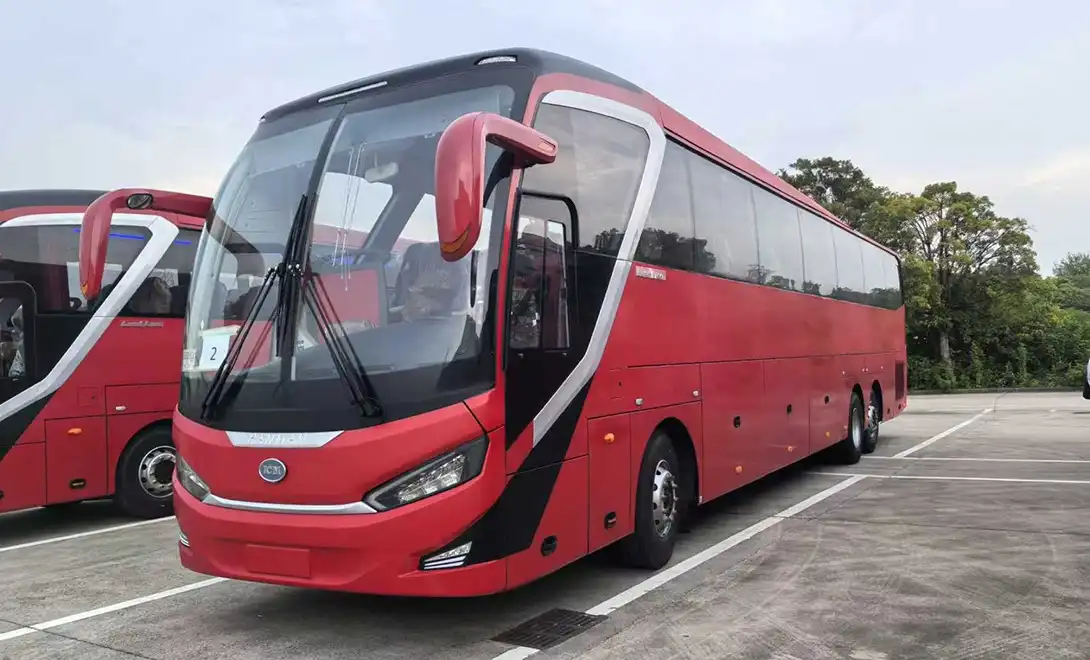
JCM stands among manufacturers demonstrating comprehensive capabilities specifically relevant to 14m desert coach bus requirements. With dedicated factories for making buses in Xiamen and an approach to the supply chain that is fully integrated, JCM offers both standard and personalized solutions that meet the specific needs of the area. Rapid prototyping and small-batch production are made possible by the company's research and development (R&D) capabilities.
This is especially helpful for operators who need to change specs that normal production runs can't handle. Certifications and quality control systems from JCM make sure that their products are always made to the same high standards. They also have a growing network of regional service centers in the Middle East and Southeast Asia that help with after-sales needs that are important for keeping desert fleet operations running.
Supplier Assessment Criteria
Along with the quality of their products, procurement managers should also look at how experienced and skilled their sellers are at exporting and documenting, which are both important for making foreign business run smoothly. When suppliers know what certifications a target country needs, they can speed up the customs process and make sure vehicles come with all the paperwork they need to be registered and run. Referrals from clients of operators who run similar desert routes can give you useful information about how the product works in real life that marketing materials can't.
When it's possible, visiting factories shows how things are made, how they check for quality, and what technical skills are used. These are what set serious makers apart from assembly operations that don't have as much scientific depth. Suppliers who put money into ongoing product development show that they want to improve performance and meet new customer needs, not just sell ideas that have already been made.
Long-Term Partnership Considerations
The most successful fleet managers see their coach suppliers as long-term partners, not just as people who sell them things. Manufacturers that offer full support, such as driver training programs, certification for repair technicians, and expert advice during route planning, add value that goes beyond the car itself. The infrastructure that handles distributing spare parts is a key factor in judging how fast operators can get broken-down cars back into service.
Modern automakers make digital diagnostic tools and remote troubleshooting features that let techs find problems and order the right new parts before they even get to cars that aren't working, which cuts diagnostic time by a large amount. Recently, global changes made it even more important to be open about where parts come from and how resilient the supply chain is. Manufacturers with a diverse base of suppliers had better access to parts than those who relied on a single source.
Conclusion
To select the right vehicles for operations in desert and high-temperature environments, it’s essential to understand the specialized technologies that distinguish capable vehicles. A 14m desert coach bus is designed with advanced cooling systems, heat-resistant materials, and robust powertrains to ensure reliable performance under extreme conditions. There are changes in performance between normal models and desert-rated models. The extra money spent is worth it because the models are more reliable, require less upkeep, and make passengers happier over longer operational lifetimes.
When making procurement choices, it's important to weigh current budget limits against long-term costs, giving more weight to providers who can show they have manufacturing experience, quality standards, and an after-sales support infrastructure. The success of desert coach operations relies on both the type of vehicle used and how well it is run. This is why partnerships with suppliers that include technical help and training are important parts of the overall solution.
FAQ
What distinguishes desert-rated coaches from standard models?
Desert coaches have better cooling systems with bigger heaters and HVAC units, stronger parts that can handle high temperatures, better filtering to keep fine dust out, and materials that don't break down easily at high temperatures. These changes make it possible for the coaches to work reliably in situations where regular coaches often break down, making passengers uncomfortable.
How does extreme heat affect coach bus operational costs?
High temperatures make regular engines use 8–12% more fuel and electric cars' batteries go down by 15–20% of their range. Cooling system strain speeds up the wear and tear on parts, which increases the need for upkeep and the cost of replacing parts. But properly designed desert coaches lessen these effects through temperature management engineering that keeps the coaches running efficiently and increases the time between service visits even when conditions are bad.
What maintenance intervals apply to desert operations?
In desert areas, air filters need to be serviced about twice as often and cooling systems need to be checked more often than in milder temperatures. Every 5,000 kilometers, the radiator should be cleaned, and every 20,000 kilometers, the whole cooling system should be checked. This helps find problems before they happen.
Should operators choose diesel or electric powertrains for desert routes?
The choice will depend on the features of the journey and the availability of infrastructure. Diesel is still better for long trips (more than 400 kilometers) or places that don't have consistent charging stations. Electric coaches are good for desert lines that are less than 250 kilometers long and have easy access to charging stations. They have lower running costs and no emissions, but they cost more to buy at first.
Partner with JCM for Your Desert Coach Bus Requirements
Because JCM offers a wide range of business vehicle options, we are the best 14m desert coach bus supplier for operators who want performance and customization. Because our whole industry chain is integrated, we can quickly meet your needs, whether you need changes to accommodate high temperatures, custom sitting arrangements, or the integration of specialized equipment. We help our clients in more ways than just delivering vehicles.
For example, we offer professional training programs that prepare your repair teams and drivers for working in the desert, so you can get the most out of your fleet investment. Our growing network of Original Centers abroad provides local technical help, which speeds up the time it takes to provide service when it's needed. Please email our team at info@jcm-star.com to let us know about your individual route needs, passenger capacity needs, and working environment so that we can suggest the best options from our desert-rated coach lineup.
References
1. "Commercial Vehicle Thermal Management Systems for Extreme Environments," Society of Automotive Engineers Technical Paper Series, 2022.
2. "Operational Efficiency Analysis of Desert Transportation Fleets," International Journal of Automotive Engineering, 2021.
3. "HVAC System Design Standards for Extreme Climate Commercial Vehicles," American Society of Heating, Refrigerating and Air-Conditioning Engineers, 2023.
4. "Bus Fleet Management Best Practices for High-Temperature Regions," Commercial Vehicle Maintenance Council Guidelines, 2022.
5. "Material Selection and Corrosion Protection for Desert Automotive Applications," Materials Performance Journal, 2021.
6. "Financial Models for Commercial Vehicle Fleet Acquisition and Leasing," Transportation Research Board Special Report, 2023.

Based on your vehicle requirements, we will quickly match the most suitable specifications and provide a competitive quote.
_1755581003287.webp)
Global Customized


_1756108840480.webp)
_1755854765757.webp)