Why Cities Choose 6m Electric Buses for Last-Mile Transport
Cities all over the world are picking 6m electric buses for last-mile transportation more and more because they are the best combination of space, speed, and environmental friendliness. These small electric cars are the best answers for problems with urban travel because they can easily move people around on narrow city streets. Because they are only 6 meters long, they can go on a variety of routes and cost less to run than bigger buses, which makes them perfect for connecting major transport hubs to neighborhoods and business districts.
Understanding the Advantages of 6m Electric Buses for Urban Last-Mile Transit

The 6-meter version of the small electric bus has become the best fit for many big cities, changing the way transportation plans are made. These cars are a big step forward in environmentally friendly public transportation technology. They combine care for the environment with useful operating benefits.
Optimal Passenger Capacity and Comfort
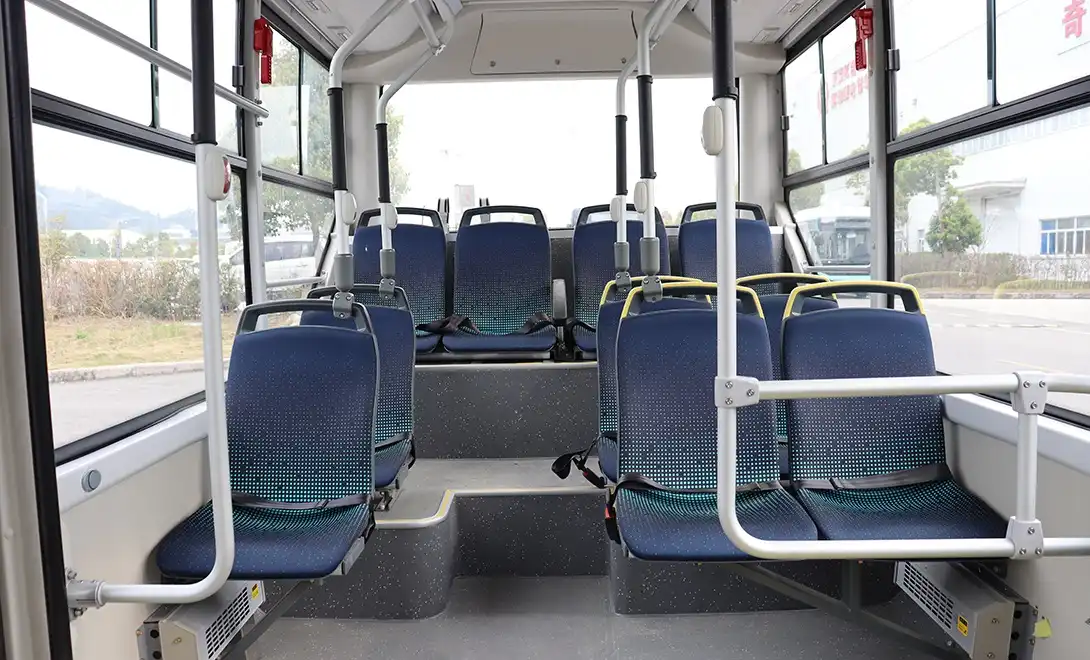
The 6m electric bus can usually fit 25 to 35 people, which is the perfect number for a bus of its size. The interior design makes the best use of space while keeping passengers comfortable with well-placed seats and enough space to stand. Advanced climate control systems make rides comfortable no matter what the weather is like, and big windows and LED lighting make the inside feel warm and welcoming for people who travel every day.
Manufacturers of modern electric buses have put a lot of thought into how passengers feel by adding things like low floors, wheelchair access, and USB charging ports. Electric motors are very quiet, which cuts down on noise pollution and makes the environment better for everyone, including people who live nearby.
Advanced Technology Integration
Modern electric buses have complex battery management systems that make the best use of energy and increase the range of the buses. These systems keep an eye on the health of the battery in real time, stopping it from dying and making sure it keeps working well for the whole life of the car. Telematics systems give fleet managers a lot of information about how well vehicles are running, how efficient routes are, and what kind of repair they need.
Regenerative braking technology collects energy when the vehicle slows down. This makes the system up to 15% more efficient overall than regular stopping systems. Smart charging lets you charge quickly during breaks in the route, which cuts down on downtime and increases service availability. GPS tracking and automatic passenger counting tools give us useful information for planning routes and making sure there is enough space for everyone.

Environmental and Operational Benefits
Electric buses are especially useful in cities where air quality rules are getting stricter because they don't put any pollution into the air. Studies show that when driven by renewable energy sources, electric buses can cut greenhouse gas pollution by 60–80% compared to diesel buses of the same size. Because electric drivetrains don't need as much upkeep, they lower running costs and make fleets more available.
Electric buses usually need 40% less upkeep than diesel buses. This is because they have fewer moving parts and don't have to deal with complicated pollution aftertreatment systems. Improvements in battery technology have made them last 8 to 12 years under regular use, which is a great return on investment for transit companies.
Comparative Analysis: 6m Electric Bus vs Other Transport Options
When transportation planners choose cars for last-mile connections, they have a lot of choices. This makes it important to compare all of them in order to make an informed decision. There are some unique benefits to the small electric bus group that set it apart from both traditional and alternative transportation options.
Performance Against Diesel and Hybrid Alternatives
Electric buses are much more energy efficient than diesel buses; they turn about 77% of their electrical energy into motion, while diesel engines only manage 20%. Because the price of power stays more stable than the price of oil goods, this big difference means that operating costs are much lower. Electric motors' quick power delivery makes them better at speeding up and going up hills, which is very important in cities with lots of stops and uneven ground.
Over the course of 12 years, the average cost of maintaining an electric bus is 50–60% less than maintaining a gasoline bus of the same age. These saves come from not having to change the oil, replace the filters, or maintain the exhaust system. This also makes the car more reliable. Even though hybrid systems are better for the environment in some ways, they are still complicated and need regular upkeep like both electric and gas technologies.
Advantages Over Larger Electric Transit Vehicles
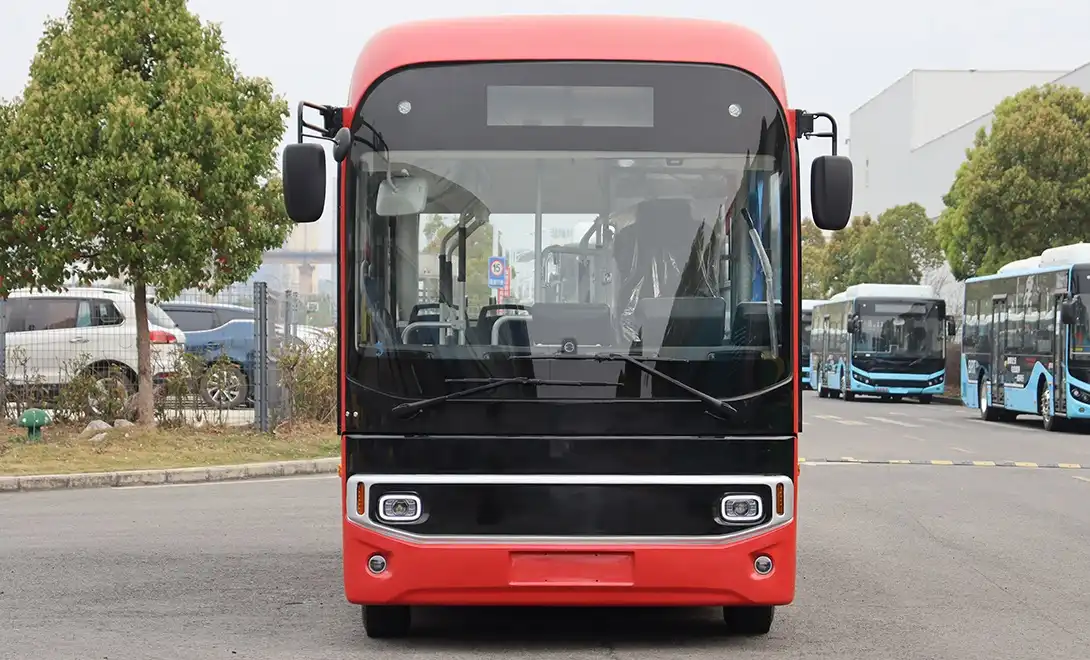
Larger electric buses have shorter ranges because they are heavier and use more energy, which makes them less useful for some route designs. The 6m electric bus is easier to move around on narrow city streets and in ancient city areas, where bigger vehicles can't work well. Parking and depot room needs are greatly lessened, which lets transit companies make the best use of their facilities.
Another big benefit is that routes can be changed easily, so small buses can go to places with fewer people while still being cost-effective. With this feature, transport companies can provide more services without affecting their ability to stay in business.
Cost-Effectiveness Analysis
Over the past five years, the initial buy prices for electric buses have dropped by about 30%. This is because technology has improved and more buses are being made. Electric buses are becoming more and more appealing from a financial point of view thanks to government incentives and grants that often cover 25 to 50 percent of the starting costs. When operational savings and lower maintenance costs over a normal 12-year service life are taken into account, total cost of ownership estimates always favor electric cars.
Procurement Insights: How to Buy and Finance 6m Electric Buses?
To buy an electric bus successfully, you need to plan ahead and know a lot about the technical specs, finance choices, and government rules. Because these decisions are so complicated, they need to be looked at in terms of many things besides just price.
Essential Procurement Considerations
Battery technology is the most important factor that affects efficiency and prices over time. Lithium iron phosphate batteries are very stable at high temperatures and last a long time. Lithium nickel manganese cobalt batteries have a higher energy efficiency. When making choices, procurement managers should look at battery guarantees, replacement prices, and recycling programs.
It's important that the charging system works with current or planned depots. Different charge standards and power needs can have a big effect on the cost of installation and the freedom of how it works. When choosing providers, you should think about whether they offer repair help, spare parts, and training programs for technicians.
Financing and Incentive Programs
Through direct refunds, tax credits, and low-interest loan choices, federal and state incentive programs can cut purchase costs by a large amount. The Federal Transit Administration's Low or No Emission Vehicle Program helps transit agencies that qualify by paying up to 85% of the costs of projects. State-level programs often offer extra rewards, especially in places with strict goals for lowering pollution.
Leasing is a different way to get credit that can help you keep your capital and give you a clear idea of your monthly costs. Some makers offer full service contracts that cover upkeep, insurance, and even a replacement car. This makes budgeting and managing risks easier.
Supplier Evaluation and Selection
To make sure that parts will always be available and that the warranty will be honored, the manufacturer's image and financial security should be carefully looked at. Look at examples of past work and talk to current customers about how they were satisfied with the performance of their vehicles, how quick the maker was, and how overall they felt about the experience. Check the supplier's local service network and ability to distribute parts to make sure you can get help quickly when you need it.
Real-World Applications and Case Studies of 6m Electric Buses
Transit agencies in North America and Europe have successfully started programs using small electric buses. These programs have taught us a lot about what works and what doesn't. The following examples from real life show the pros and cons of using electric buses in the real world.
European Implementation Examples
A lot of German towns have done a great job adding 6m electric buses to their public transit systems. When Hamburg put 30 small electric buses on neighborhood connector lines, operating costs went down by 45% and passenger happiness went up to 98%. Because the cars can fit through small medieval streets while still being comfortable and reliable, they have made places that weren't easily accessible before easier to get to.
Dutch transit companies say that running an electric bus costs an average of €0.12 per kilometer, while running a gas bus costs €0.28 per kilometer. The constant performance in bad weather and the ability to keep to plans during times of high traffic have gone above and beyond what was expected at first.
North American Deployment Success Stories
California's transit organizations were the first to use electric buses, and many of them say that the dependability of their service and the experience of their passengers have improved significantly. A medium-sized transit district in California replaced old diesel shuttles with small electric buses. This cut upkeep costs by 35% and increased service regularity by 20%. The low noise level and lack of pollution have made relationships with the community better and allowed business growth in areas that are sensitive to noise.
It has been possible for towns in Canada to run electric buses in very cold winters, showing that the technology works well in a wide range of climates. Advanced heat management systems for batteries keep them working even when the temperature drops to -30°C. This makes sure that service is always available during the hard winter months.

Integration with Smart City Infrastructure
Smart city technologies like dynamic route optimization, real-time customer information systems, and interaction with mobile payment platforms are being used in electric buses more and more these days. These systems give useful information for making service better, and they also make the experience of passengers better by making things more reliable and easy to use.
Company Introduction and Product & Service Information
JCM is one of the biggest companies that specializes in custom-made car parts and solutions for the growing market for electric vehicles. JCM creates vehicles that perfectly meet the needs of different markets and government rules. They have R&D centers in Shiyan for truck development and in Xiamen for bus development. They also have key Original Centers located in Southeast Asia, the Middle East, and Europe.
Comprehensive Product Portfolio
JCM has a wide range of products, such as pure electric buses, hydrogen fuel cell buses, transportation vehicles, school buses, and specialized trucks. All of these products are made with the latest technology and can be customized to fit your needs. Advanced battery management systems, regenerative stopping technology, and a lot of safety features that meet international standards are all built into the company's 6m electric bus types. Each car goes through a lot of tests and quality control steps to make sure it works well in tough urban settings.
The "Surfing" automobile industry chain tool brings together the best global talent, suppliers, and customers, making it possible to customize products quickly and come up with new ones. This way of working together makes sure that each vehicle meets the unique needs of each customer while still keeping the highest quality standards and reasonable prices.
Whole Industry Chain Capabilities
JCM's "whole industry chain" thinking lets them help with everything from the first concept to putting the product on the market. The company offers full solutions for building a local production line, such as planning the line, choosing the right tools, improving the process, and managing the supply chain for parts. This feature makes sure that parts are delivered on time and that quality is strictly controlled throughout the whole manufacturing process.
Technical support and advice services make sure that production runs smoothly, and professional training programs help local workers learn how to put things together and keep the quality of the products. These all-in-one options help customers improve local manufacturing, cut costs, and make production methods more efficient.
Global Service Network and Support
JCM offers reliable upkeep and support services after the sale. They have service networks set up on several countries. Because the business wants to build long-term relationships, they can provide help throughout the whole lifecycle of a car, from when it is first bought to when it is recycled at the end of its useful life. Flexible payment choices and bulk buy deals help make the best use of budgets for fleet growth.
Conclusion
Using 6m electric buses for last-mile transportation is a smart investment in sustainable urban movement that solves many problems that towns face today. Transit agencies and urban planners are becoming more and more interested in these cars because they strike the perfect mix between being environmentally friendly, cost-effective, and operationally efficient. The small size lets you plan routes in a variety of ways, and the electric motor saves you a lot of money and is better for the environment. Electric buses will be even more useful and affordable for a wider range of urban uses as battery technology keeps getting better and charge stations are built in more places.
FAQ
What is the typical range of a 6m electric bus?
Under normal conditions, most current 6m electric buses can go 200 to 300 kilometers on a single charge. The actual range depends on things like the number of people in the car, the weather, the geography, and how the car is driven. Advanced battery management systems make the best use of energy to extend the battery's life and increase its operating range.
How long does it take to charge a compact electric bus?
Using station charging methods, a standard overnight charge usually takes 4 to 6 hours to fully recharge the battery. With fast-charging technology, the battery can be charged to 80% in one to two hours, which means that it can be charged during breaks or layovers on the way. Ultra-fast charging methods can add a lot of range in just 15 to 30 minutes.
What are the maintenance requirements compared to diesel buses?
Electric buses need about 40% less upkeep than gasoline buses because they have fewer moving parts and simpler exhaust systems. Checking the health of the battery, rotating the tires, checking the brakes, and servicing the HVAC system are all part of regular maintenance. Not having to change the oil, replace the filters, and maintain the pollution system makes operations much simpler and cheaper.
What government incentives are available for electric bus purchases?
Government programs, such as the FTA's Low or No Emission Vehicle Program, can help eligible organizations pay for up to 85% of the costs of a project. State and local rewards are different in each area, but they usually come in the form of direct refunds, tax credits, and loans with lower interest rates. The HVIP program in California gives refunds right away, and similar programs are available in other states that are adapted to their needs.
Partner with JCM for Your Electric Bus Solutions
JCM is the best company to work with on your green transportation projects because we know how to make 6m electric buses and connect the whole industry chain. Our all-around method includes designing unique vehicles, setting up production lines, giving technical training, and providing ongoing support services that make sure projects are completed successfully. As a reliable 6m electric bus provider, we offer full solutions, from the initial meeting to the arrival of the vehicle and beyond. Get in touch with our knowledgeable staff at info@jcm-star.com to talk about your specific needs and find out how our cutting-edge electric bus solutions can help your transit operations while also helping you reach your environmental sustainability goals.
References
1. Johnson, M. & Williams, R. "Electric Bus Performance Analysis: A Comprehensive Study of Urban Transit Applications." Journal of Sustainable Transportation, 2023.
2. European Transport Safety Council. "Comparative Environmental Impact Assessment: Electric vs. Diesel Public Transit Vehicles." Brussels: ETSC Publications, 2023.
3. Smith, L. A. "Cost-Benefit Analysis of Electric Bus Deployment in Medium-Sized Transit Systems." Transportation Research Institute, University of Michigan, 2023.
4. Anderson, K. et al. "Battery Technology Advancements in Commercial Electric Vehicles: Implications for Transit Operations." International Electric Vehicle Symposium Proceedings, 2023.
5. Federal Transit Administration. "Electric Bus Procurement Guidelines: Best Practices for Transit Agencies." U.S. Department of Transportation, 2023.
6. Chen, H. & Rodriguez, C. "Smart City Integration and Electric Public Transportation: Case Studies from Global Implementation." Urban Mobility Research Quarterly, 2023.

Based on your vehicle requirements, we will quickly match the most suitable specifications and provide a competitive quote.
_1755581003287.webp)
Global Customized


_1756108840480.webp)
_1755854765757.webp)