Why Choose an 8m Pure Electric Bus for VIP Transport?
An 8m Pure Electric Bus is the best way to move VIPs because it is both comfortable for passengers and good for the environment. These electric buses are very quiet, don't release any pollution, and have high-tech temperature control, which makes elite transportation a high-end experience. When fleet operators choose this tool, their running costs go down, they follow the rules, and their company's image gets better. The small 8-meter footprint strikes a good mix between space and maneuverability, making it perfect for trips to and from the airport, business shuttles, and foreign missions where secrecy and quality are essential.
Understanding the Unique Requirements of VIP Transport
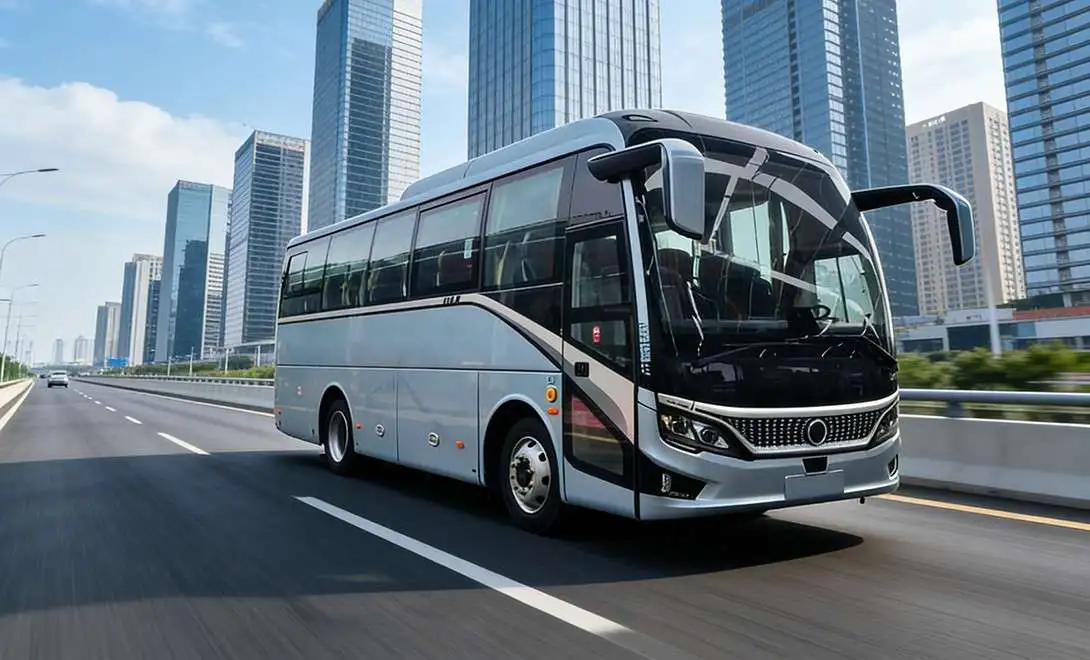
VIP transportation is more than just getting people from one place to another. It means making a place where important people like executives, leaders, and clients can work, relax, or get ready for important events while in transit. Bad transportation experiences can hurt business relationships, hurt a brand's image, and make people less productive.
The Modern Standards of Excellence in Executive Transportation
VIP transportation services today are under more and more pressure to provide unique experiences while also following strict environmental rules. Passengers expect to be able to join without any problems, have temperature control, and be able to talk privately without being disturbed. Regular cars that run on gas have a hard time meeting these needs. Noise from the engine gets into the passenger areas, movements make it hard to do work, and exhaust fumes make getting on and off the ship unpleasant.
Environmental Accountability as a Business Imperative
Sustainability promises made by businesses have gone from being flexible marketing strategies to necessary business practices. Stakeholders, governmental bodies, and the public are looking more closely at companies that run VIP transportation services. No matter how advanced diesel buses may seem, they rely on older technology that conflicts with modern environmental targets. In contrast, an 8m pure electric bus produces zero tailpipe emissions, aligning with corporate sustainability goals and helping organizations meet their environmental responsibility commitments.
Regulatory Pressures Reshaping Fleet Decisions
Governments in North America and Europe are continuing to make rules about pollution stricter. The European Union's Green Deal, California's Advanced Clean Trucks law, and other related programs make it hard for diesel fleets to follow the rules. Managers in charge of buying things know that diesel buses bought today might not be able to do certain things or even be banned altogether at some point in their useful life. With the way things are going with regulations, electric options are not only better for the environment, they are also strategically important for the long-term survival of fleets.
Core Benefits of Using an 8m Pure Electric Bus for VIP Transport
When you switch VIP transportation to electric platforms, you get benefits that improve the experience of passengers, make operations more efficient, and improve your company's image. These perks give real value to B2B clients who run luxury transportation services.
Premium Passenger Experience Through Advanced Engineering
Electric drivetrains completely change the surroundings inside the car. Because there is no internal burning, there is no noise or shaking that makes it hard for passengers to be comfortable. During normal operations, the noise level in the area for VIP travelers is less than 60 decibels, which is about the same level of quietness as an office. This sound setting lets people have private conversations, rest without interruptions, or work efficiently while traveling. The smooth power delivery of electric motors gets rid of the jerky acceleration patterns that are common in diesel buses. This makes the ride more comfortable and meets the standards of executives.
Environmental Leadership That Strengthens Corporate Brands
Zero tailpipe pollution are good for the environment right away and show that a company has good morals. Organizations that run electric VIP cars show their commitment to the environment through actions, not just words. This point of view is especially appealing to foreign clients and business partners who are looking at business ties more and more through the lens of sustainability. The fact that there is no obvious tailpipe smoke when VIPs arrive encourages more people to use clean technologies at high-profile events.

Operational Economics That Improve Over Time
Even though they cost more to buy at first, electric buses have strong total cost of ownership benefits. By the mile, electricity is usually a lot cheaper than gasoline fuel in most places. Electric drivetrains have a lot fewer moving parts than regular powertrains, so they don't need as much maintenance like oil changes, gearbox services, and exhaust system maintenance. When compared to diesel counterparts, fleet owners usually see repair costs drop by 40 to 60 percent. These savings add up over the life of the car, making the switch to a new technology worthwhile from a financial point of view.
Scheduling Flexibility Through Smart Charging Integration
Modern electric buses are connected to smart charging stations that make the best use of energy costs. Fleet managers can plan charging times for times when energy rates are lower than usual, which further lowers running costs. Because electric platforms have a known range, it is possible to plan exact routes and charging schedules that meet the specific needs of VIP transportation. Rapid charging technology now lets batteries recover range during short rest times, so busy daily plans don't have to mean giving up functionality.
Technical Specifications and Performance of 8m Pure Electric Buses
Learning about the technical basics of electric VIP buses helps people who are in charge of buying things compare their choices and make sure that the specs they set match the needs of the business.
Battery Technology Driving Range and Reliability
Modern 8m Pure Electric Buses use modern lithium iron phosphate or ternary lithium battery packs that can hold 150 to 250 kWh. In real life, these systems have a range of 200 to 300 kilometers during normal VIP transport job rounds. Battery thermal management systems keep the right working temperatures for batteries in a wide range of climates, which protects their performance and life. Modern battery systems keep more than 80% of their power after eight years of use, which means that they can be owned for as long as or longer than gas buses.
Powertrain Architecture Optimized for Passenger Comfort
Integrated motor-generator units with 150–200 kW power output are used in electric cars made for VIP use. This standard gives you a lot of driving power while keeping efficiency high. Regenerative braking systems get back kinetic energy when the vehicle slows down. This increases range while decreasing brake wear. Since electric motors don't need to be switched between gears, the engine doesn't have to stop and start, which is what makes passengers uncomfortable on regular buses.
Climate Control Without Combustion Compromises
Electric buses have HVAC systems with heat pumps that keep the temperature just right without using engine waste heat. These systems keep the cabin at a constant temperature while using as little power as possible, which protects the operating range. With pre-conditioning, operators can get the car ready for passengers before they get on while the vehicle stays connected to charging infrastructure. This keeps the battery's capacity for real transportation operations.
Comparing 8m Pure Electric Buses with Alternative Transport Options
To make smart buying choices, you need to know how electric buses stack up against other technologies in areas that are important for VIP transportation.
Electric Versus Diesel: Performance Across Critical Metrics
Diesel buses still have advantages in terms of their range and how quickly they can refuel, but these advantages are becoming more expensive. When measured by energy equivalent, fuel costs are usually two to three times higher than power costs. Maintenance periods happen more often, which interrupts service and makes planning harder. No matter how much money is spent on soundproofing, noise and shaking will always be fundamentally incompatible with premium customer experiences. To meet emissions standards, plants need more and more complicated aftertreatment systems that make upkeep more difficult and don't allow for zero-emission operation.

The Hybrid Compromise That Satisfies Neither Priority
Buses that are hybrids are a form of transitional technology that blends the complexity of both powertrains without fully utilizing the benefits of either. Both the electric and gas engines in these cars need to be serviced, which raises the cost and difficulty of service. Emissions are still there, which hurts the green situation. The cabin experience is better than with regular gasoline, but not as good as with full electric. At times when battery technology made electric buses impractical, hybrid technology made sense. But now, electric systems have past the performance range where hybrids were useful.
Supplier Evaluation Criteria for Long-Term Success
When choosing the right electric bus supplier, it's not just about the specs of the vehicles; it's also about the support ecosystem that decides how well the business runs. Purchasing managers should look at several factors when judging a company. Stable supply chains and enough production capacity ensure on-time deliveries and parts availability. Operational uptime is determined by after-sales support networks that include service centers that can maintain electric drivetrains. Customization options let you choose a group that meets the unique needs of transporting VIPs. Financial stability and a strong position in the market are signs of a supplier that will last, which saves fleet investments over a number of years.
Procuring the Right 8m Pure Electric Bus for Your VIP Fleet
To effectively navigate the purchasing process, it’s important to understand the sales channels, available customization options, and after-sales support that influence the total ownership experience of an 8m pure electric bus, ensuring it meets operational, regulatory, and budgetary requirements.
Direct Manufacturer Relationships Versus Dealer Networks
Corporate fleet buyers can work directly with the maker or work with a standard dealer. Direct manufacturer partnerships are better for businesses with specific needs or large fleet operations, especially with suppliers like JCM that focus on unique solutions. These partnerships give you access to technical tools, let you customize things more, and often offer volume discounts that make the job more cost-effective. When it comes to B2B buyers, JCM's whole industry chain integration directly addresses their pain points by providing fast prototyping, flexible customization, and full technical support throughout the lifecycle of the car.
Customization Capabilities That Address Specific Requirements
When used for VIP transport, apps often need changes that go beyond what is normal. The layout of the inside may need to be changed to fit the number of people or their bags. Connectivity tools should work with the IT framework of the company. Everything about a brand, from the livery on the outside to the finishes inside, should show the organization's character. It is easy for manufacturers with established OEM/ODM skills to meet these needs. JCM's approach to customization includes everything from small changes to individual vehicles to setting up a full production line for businesses that need to make things locally. This way, they can meet all of their B2B customers' needs.
Financial Structures Supporting Fleet Deployment
Buying an electric bus needs capital deployment plans that work with the way the organization's money is set up. Outright buy choices are good for businesses that have the money and want to get the best long-term ownership economics. Leasing reduces the amount of money you need to pay up front and makes monthly payments more regular. Some producers and banking partners offer performance-based agreements, in which payments are based on how well business goals are met. When procurement managers know about the different structures that are available, they can make sure that buying vehicles fits in with their company's financial planning and capital sharing methods.
Warranty Coverage and Support Ecosystems
Complete warranty systems protect fleet investments and give operators trust. Battery warranties, which usually cover power loss below certain levels for 8 to 12 years, are a very important form of safety because battery systems are so expensive. To meet the guidelines for heavy-duty vehicles, drivetrain service should last at least 5 years. Access to qualified repair providers decides real working uptime, not just the terms of the warranty. When repair needs to be done, suppliers with established service networks and parts transfer systems keep downtime to a minimum. This important need for business fleet operators is met by JCM's promise of full lifecycle support, from the initial planning phase to service after the sale.
Conclusion
Switching to 8m Pure Electric Bus platforms for VIP transportation is a smart move that meets the needs of the environment, passengers, and the bottom line. The high-end experiences these cars offer can't be matched by diesel technology, and they also have overall cost benefits that grow over the course of their useful lives. When purchasing managers are looking at their choices, they should give more weight to providers that offer full customization, strong after-sales support, and a track record of success in the B2B commercial car markets. The switch to electricity makes it possible to improve service quality and help organizations meet their environmental goals by implementing real changes to how they do things.
FAQ
What driving range can I expect from an 8m electric bus on a full charge?
Most 8m Pure Electric Buses can go 200 to 300 kilometers on a single charge in both city and highway situations. The actual range depends on things like the load, how the climate control is used, the terrain, and how the car is driven. VIP transport job cycles, which have modest speeds, predictable paths, and smaller passenger loads, tend to reach ranges near the upper end of this range. When buying batteries, fleet owners should do route analysis to make sure that the size they choose gives them enough range with enough safety margins.
How long does charging take and what infrastructure is required?
Charging time is based on how fast the power is sent. For full charge rounds, overnight AC charging with 40–60 kW circuits usually takes 4–6 hours. DC fast charging at 100–150 kW can recover 80% of the battery's power in one to two hours. Most of the time, VIP fleet operations charge their batteries overnight at off-peak times to make sure they are fully charged when they wake up in the morning. Infrastructure needs to include specialized electrical service capacity, charging equipment installation, and charging stations that are safe from the weather to make batteries last as long as possible.
What maintenance differences should fleet managers expect compared to diesel buses?
Most of the regular servicing that comes with regular powertrains is not needed on electric buses. No longer do you need to get oil changes, transmission work, exhaust system upkeep, or engine tune-ups. The brakes, tires, suspension parts, and HVAC systems that are similar to all buses are what need to be maintained next. Battery systems need to be checked for damage on a regular basis, but they usually don't need any help while they're under protection. Overall maintenance costs are usually 40–60% less than for diesel engines of the same size, and repair times are much longer.
Partner with JCM: Your Trusted 8m Pure Electric Bus Manufacturer
JCM offers complete options for businesses that want to make their own electric bus stations. Our engineering teams work with procurement managers to come up with specs that meet specific working needs, such as the size of the batteries and how the insides are set up. We understand the needs of a wide range of markets because we have R&D centers in Shiyan and Xiamen and a presence in Southeast Asia, the Middle East, and Europe. Get in touch with our team at info@jcm-star.com to talk about your VIP transportation needs and find out how our approach to the whole industry chain can help you save time and money while building a long-term relationship.
References
1. International Energy Agency. "Global EV Outlook 2023: Understanding Electric Vehicle Markets and Policy Developments." Paris: IEA Publications, 2023.
2. National Renewable Energy Laboratory. "Electric Bus Life Cycle Cost Analysis: Comparing Total Cost of Ownership for Transit Agencies." Golden: NREL Technical Reports, 2022.
3. Society of Automotive Engineers. "SAE J1772 Electric Vehicle Conductive Charge Coupler Standards and Applications." Warrendale: SAE International Standards, 2023.
4. European Commission Joint Research Centre. "Zero Emission Urban Bus Performance: Technical and Economic Assessment." Brussels: EU Scientific Publications, 2023.
5. American Public Transportation Association. "Battery Electric Transit Bus Technology Assessment: Performance and Integration Considerations." Washington: APTA Technical Standards, 2022.
6. International Council on Clean Transportation. "Total Cost of Ownership for Electric Buses in Commercial Fleet Applications." Berlin: ICCT Working Papers, 2023.

Based on your vehicle requirements, we will quickly match the most suitable specifications and provide a competitive quote.
_1755581003287.webp)
Global Customized


_1756108840480.webp)
_1755854765757.webp)