Why 8m Electric Buses Are Ideal for VIP Shuttle Services
The 8m electric bus is a great option for high-end transportation services because it can carry as many people as possible, has high-tech comfort features, and doesn't produce any pollution. These mid-size electric cars have all the nice features you could want and are also very efficient. This makes them great for business shuttles, hotel transfers, and executive transportation services. Their small size and large interiors make them easy to move around in cities while still giving VIP clients the high-class experience they expect.
Understanding the Unique Needs of VIP Shuttle Services
When it comes to rules, premium bus services are very different from regular public transportation. Clients want to be comfortable, on time, and have a high-class travel experience that matches the quality of their personal or business brand.

Passenger Comfort and Luxury Standards
Vehicles used for VIP car services must keep a high level of comfort throughout the trip. Passengers expect seats to be roomy, temperatures to be kept at a comfortable level, and minimal noise during journey. Diesel cars that are used today often don't meet these standards because they have noise, shaking, and exhaust smells that make it hard for customers to have the high-end experience they want.
In today's business and leisure worlds, cars that improve their brand image and provide useful transportation options are becoming more and more important. Electric buses are great in this way because they run very quietly and accelerate smoothly, so they don't have the rough starts and stops that come with regular powertrains.
Operational Reliability Requirements
Fleet managers who are in charge of VIP shuttle services can't have problems or service gaps happen out of the blue. A lot of the time, these services take important clients to events like business meetings, airport transfers, or private parties where being late could hurt their image.
Diesel engines are less reliable than electric powertrains because they have more moving parts and more complicated mechanics. Not having complicated transmissions, fuel injection parts, or air treatment systems means there are a lot fewer places where things could go wrong and cause service to be interrupted.
Environmental and Regulatory Compliance
As part of their efforts to be more environmentally friendly, premium service companies are feeling more and more pressure to show that they care about the world around them. Many high-end hotels, businesses, and event spaces now want or need shuttle services that are in line with their green policies and goals for lowering carbon emissions.
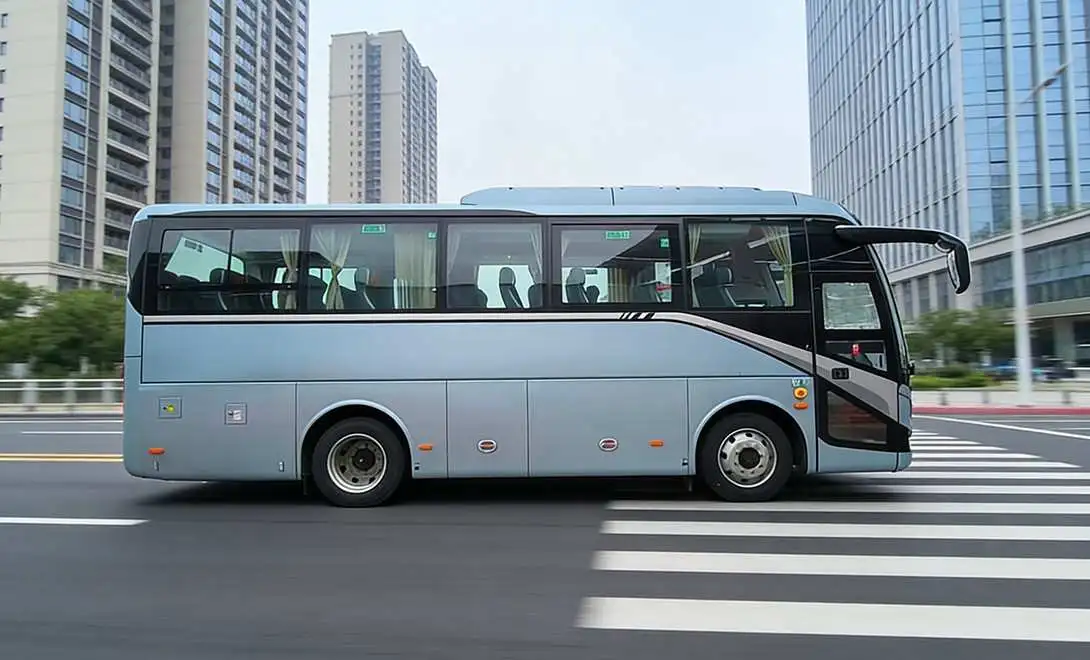
More and more, environmental laws in big cities are making it harder for diesel vehicles to run, especially near airports and in downtown business neighborhoods where VIP cars often go. Electric buses help clients reach their environmental goals while also meeting current and expected future pollution standards.
Technical Advantages of 8m Electric Buses for VIP Shuttle Services
The engineering specifications for mid-size electric buses, such as the 8m electric bus, include carefully designed technological features that meet the unique requirements of premium shuttle services.
Advanced Battery Technology and Range Capabilities
Modern electric bus batteries have enough range for most VIP shuttle lines without affecting the comfort of passengers or the bus's ability to run on time. Good 8-meter electric buses have lithium-ion battery systems that give them a range of 150 to 200 kilometers when they are running normally. This is enough to cover most shuttle service needs for a full day.
Fast-charging features let fleet managers get the most out of their vehicles by strategically charging them while passengers are loading, during meal breaks, or overnight. A lot of different types of electric buses have fast charging methods that can recover 80% of the battery's power in 30 to 45 minutes. This means that they can keep running with little downtime.
Battery management systems keep an eye on charge cycles, voltage levels, and cell temperatures to get the most out of the batteries and keep passengers safe. These smart systems stop overcharging, keep the right temperature for operation, and give real-time information that helps with planned repair.
Passenger Comfort Enhancement Features
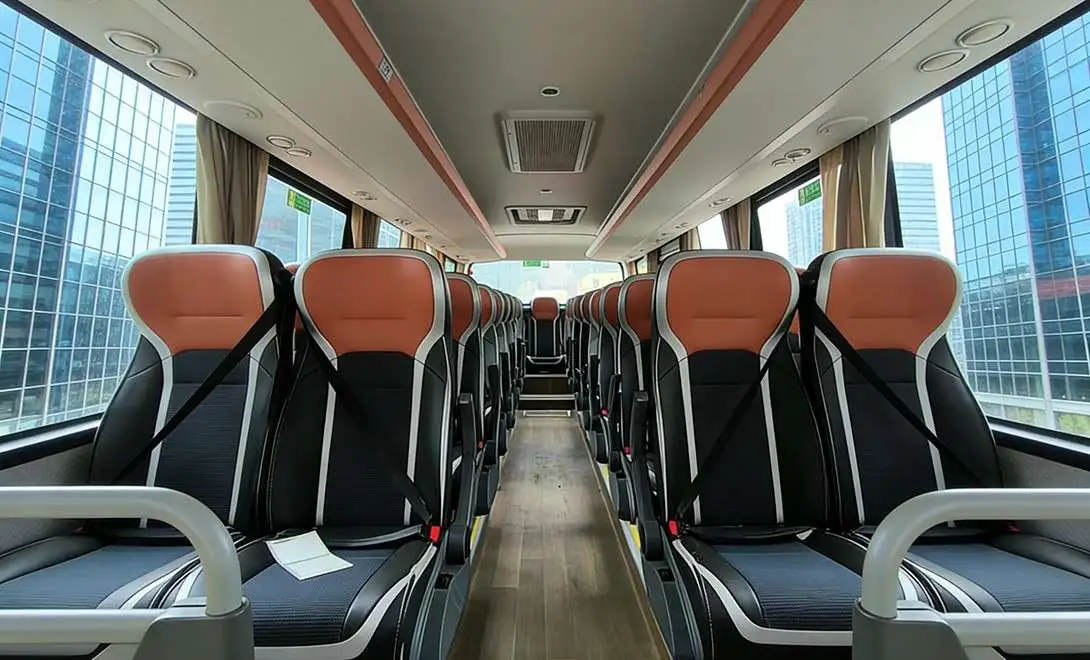
With an electric motor, the engine doesn't make any noise or vibrations that can get in the way of people talking or relaxing during transport. Because you don't have to change gears, the ride is more comfortable, which is especially important for people who are working on their phones or making business calls while on the bus.
The climate control systems in electric buses work better and quieter than those in gas buses. Electric HVAC systems can precisely control the temperature and don't have the temperature changes that come with systems that use engines. Passengers are always comfortable, no matter what the weather is like outside or how the car is running.
It's possible to make the best use of interior room when builders get rid of the need for big diesel engines and their mechanical parts. This opens the door to more comfortable seating setups, more space, and better places for passengers to store their things.
Smart Fleet Management Integration
Modern electric buses have tracking systems that give fleet managers a lot of information about how the buses are running, like how the batteries are doing, where the buses are, how much energy they use, and what repairs they need. This information helps with planning routes efficiently and arranging repairs ahead of time so that service interruptions are kept to a minimum.
With the ability to do remote diagnostics, technical support teams can find and fix possible problems before they affect customer service. Many systems send out warnings before parts need to be serviced, so they can be maintained during off-peak times instead of needing emergency fixes during business hours.
Adding technologies that help drivers to electric bus stops makes them safer and more reliable. Accident prevention systems, lane departure warnings, and automatic emergency brakes are some of the features that help drivers do their jobs better and protect passengers even more.
Comparing 8m Electric Buses with Alternatives
Before making a decision about buying a fleet of vehicles, you need to carefully consider all of your choices in order to find the best one for your needs and your budget.
Electric vs. Diesel Performance Analysis
Operational cost analyses demonstrate that electric buses are significantly more cost-effective than diesel buses for VIP shuttle services. Electric powertrains, as found in the 8m electric bus, consume approximately 60–70% less energy than diesel engines and also lower maintenance costs due to having far fewer mechanical components requiring service.
Differences in how different things affect the environment are especially important for bus services that run in cities with strict emission rules. Diesel cars pollute the air and make noise that doesn't meet high service standards, but electric buses don't produce any local emissions.
Electric buses are better for shuttle services that need to make a lot of stops and starts because of how they work. Electric motors give power instantly, allowing for smooth acceleration from a stop. Regenerative braking systems, on the other hand, recover energy during slowdown and lower brake wear.
Size Optimization for VIP Applications
The 8-meter length standard strikes the best balance between the number of passengers it can hold and its ability to be used in a variety of ways for premium bus services. Around 20 to 25 people can sit comfortably in a vehicle this size, and it's still easy to move around in cities and hotel garages.

Larger buses aren't always useful for VIP shuttle routes because of issues with parking, turning circles, and infrastructure at high-end hotels and business centers. Smaller cars might not be able to fit enough people or have enough space inside for VIP clients' needs.
Weight distribution in 8-meter electric buses helps them handle steadily, which is important for customer satisfaction when turning corners and stopping. When compared to diesel buses with raised engine rooms, floor-mounted battery systems make the ride more stable because they lower the center of gravity.
Infrastructure Requirements Assessment
Investing in charging infrastructure for electric buses changes a lot depending on how they are used and the limitations of the site. VIP shuttle services often have less complicated infrastructure needs because their routes are reliable and their depots are located in central areas that make it easy to place charging stations.
Most changes to an electric bus's maintenance center are small, like updating the electrical system and teaching technicians, rather than big, like rebuilding the whole building. Compared to diesel fleet operations, these vehicles don't need as many maintenance bay visits for things like fluid changes, exhaust system fixes, and service of engine parts.
Procurement Considerations for VIP Shuttle Fleet Managers
To get the best long-term fleet performance and financial results, strategic car procurement needs to look at more than just the original purchase price.
Total Cost of Ownership Analysis
The costs of owning an electric bus include the price of the bus itself, interest on loans, insurance fees, energy costs, upkeep costs, and the bus's resale value. Even though electric buses usually cost more to buy at first than diesel buses, they usually have better total ownership economics because they save money on operating costs and offer benefits.
When compared to fluctuating diesel fuel prices, the stability of electricity costs simplifies budgeting. Electricity rates typically remain consistent over several years, enabling accurate operating cost forecasts for a fleet that includes the 8m electric bus, which aids in budgeting and service pricing decisions.
Less complicated mechanical systems mean that diesel engines don't need as much regular maintenance, which lowers their maintenance costs. Electric motors don't need much care other than regular checks, and battery systems usually come with a full guarantee that covers 8 to 10 years of use.
Customization and Configuration Options
For premium taxi services to work, the vehicles need to be set up in ways that meet the needs of both the customers and the business. Electric bus makers usually offer a lot of personalization options, such as changing the plan of the inside, choosing the seats, adding entertainment systems, and branding the outside.
Customization options for the interior include high-quality upholstery, better lighting, Wi-Fi, power plugs for passengers’ devices, and ways to store bags. These features set VIP car services apart from other transportation choices and make the higher prices reasonable.
Through unique paint schemes, logo placement, and lighting arrangements, the exterior can be customized to help with brand recall and marketing goals. Many companies that make electric buses can meet specific needs for unique design features that help clients build their business.
Supplier Selection and Support Services
Working with well-known electric bus makers gives you access to full technical support, parts, and guarantee coverage that are necessary to keep the service reliable. Manufacturer knowledge, service network coverage, and signs of financial security should all be used as evaluation factors.
When electric buses are put into use, training programs for repair workers and drivers become very important. Good makers offer complete training programs that cover how to drive the vehicle, fix basic problems, and follow safety rules that are specific to electric powertrains.
Response times for technical help and parts supply are set by service support networks, which have a direct effect on fleet availability. Service options and parts inventory sites in a region affect how realistic it is to use electric buses in certain operating areas.
Environmental and Economic Impact of Adopting 8m Electric Buses
The switch to electric shuttle fleets has measured benefits that go beyond instant operating changes and include economic and environmental benefits that are bigger in scope.
Carbon Footprint Reduction
When driven by green energy sources, electric buses don't put out any direct emissions, and their total carbon footprint is smaller. Even when charged from regular power lines, electric buses usually put out 30 to 50 percent less carbon dioxide than diesel buses because the power plants are more efficient and have systems that control emissions.
According to life-cycle environmental research, there are more benefits, such as using less oil, getting rid of fuel exhaust particles, and lowering noise pollution in cities. These things help make the air cleaner and less harmful to the environment in places where VIP bus services run.
Using electric buses reduces emissions in a way that can be measured, which helps with corporate green reporting. A lot of businesses are trying to reach carbon neutrality goals, which electric vehicle companies can help them with by reducing emissions and finding ways to use green energy.
Economic Development Benefits
Buying electric buses helps new green technology businesses grow while also creating jobs in the area through charging station installation, upkeep training programs, and specialized service options. These efforts help the area economy grow and improve the skills of the work force.
Energy independence benefits lower your risk of being affected by changes in the price of oil and boost local energy output by driving up demand for power. Local utility companies often offer better rates and help with infrastructure that is good for the economy.
Purchase rebates, tax credits, and infrastructure handouts are some of the ways that federal, state, and local government reward programs help people buy electric cars. These programs make projects much more cost-effective and help the government reach its goals of reducing emissions and becoming energy independent.
Conclusion
The 8-meter electric bus is the optimal choice for VIP shuttle services due to its passenger comfort, fuel efficiency, and environmental benefits. These vehicles meet the specific demands of high-end transportation and are more cost-effective than conventional diesel options. For fleet managers considering such an investment, a thorough evaluation of the total cost of ownership, customization potential, and manufacturer support is essential to ensure long-term success—making the transition to an 8m electric bus a strategic investment in enhanced service, sustainability, and operational efficiency.
FAQ
Q1: What passenger capacity do 8m electric buses provide for VIP shuttle services?
A: The luxury sitting arrangements on most 8-meter electric buses are made for VIP use and can fit 20 to 25 people. Seating arrangements can be changed to provide more space, bigger seats, and more comfort features, while still holding enough people for a standard shuttle service.
Q2: How long does charging take for 8m electric buses?
A: Charge time depends on the size of the battery and the features of the charge method. Standard overnight charging usually takes 6–8 hours to fully restore the battery, but fast charging systems can restore 80% of the battery's capacity in 30–45 minutes, giving you more options during service times.
Q3: What financial incentives are available for electric bus purchases?
A: Federal tax credits, state rebates, and local energy benefits often work together to make buying an electric bus very affordable. The amount of the incentive depends on where you live and what programs are available. In good areas, the total benefits could hit 30 to 50 percent of the price of the car.
Partner with JCM for Premium Electric Bus Solutions
Customized 8m electric bus options made just for VIP shuttle uses are what JCM does best. To meet the needs of a wide range of markets, we offer a full method that includes customizing vehicles, providing technical support, and setting up the whole production line. We offer stable supply chain management and quick response times thanks to our R&D centers in China and our foreign presence in Southeast Asia, the Middle East, and Europe. Our expert team provides full consultation services, from creating the initial specifications to providing ongoing support for upkeep. Get in touch with us at info@jcm-star.com to find out how our 8m electric bus maker services can help your private shuttle business.
References
1. International Association of Public Transport. "Electric Bus Systems: Global Market Analysis and Technology Trends." Public Transport Research Journal, 2023.
2. Clean Energy Institute. "Comparative Analysis of Electric vs. Diesel Bus Operations in Urban Environments." Transportation Sustainability Review, 2023.
3. Commercial Vehicle Fleet Management Association. "Total Cost of Ownership Analysis for Electric Bus Fleets." Fleet Operations Quarterly, 2023.
4. Environmental Protection Agency. "Heavy-Duty Vehicle Emissions Standards and Electric Vehicle Adoption Trends." Federal Transportation Policy Review, 2023.
5. Battery Technology Research Council. "Lithium-Ion Battery Performance in Commercial Vehicle Applications." Energy Storage Technology Journal, 2023.
6. Urban Transportation Planning Institute. "Infrastructure Requirements for Electric Bus Fleet Implementation." Municipal Planning and Development Review, 2023.

Based on your vehicle requirements, we will quickly match the most suitable specifications and provide a competitive quote.
_1755581003287.webp)
Global Customized


_1756108840480.webp)
_1755854765757.webp)