When to Choose a 14m Three-Axle Coach for High-Capacity Routes
The 14m three-axle coach is the best choice for high-capacity passenger lines that need to strike a perfect balance between comfort, capacity, and practical efficiency. This unique vehicle configuration has more seats for passengers and better weight distribution, which makes it perfect for intercity transportation, tourism operations, and corporate shuttle services where the number of passengers and the quality of the ride are the most important factors for fleet operators.
Understanding the 14m Three-Axle Coach: Key Specifications and Advantages
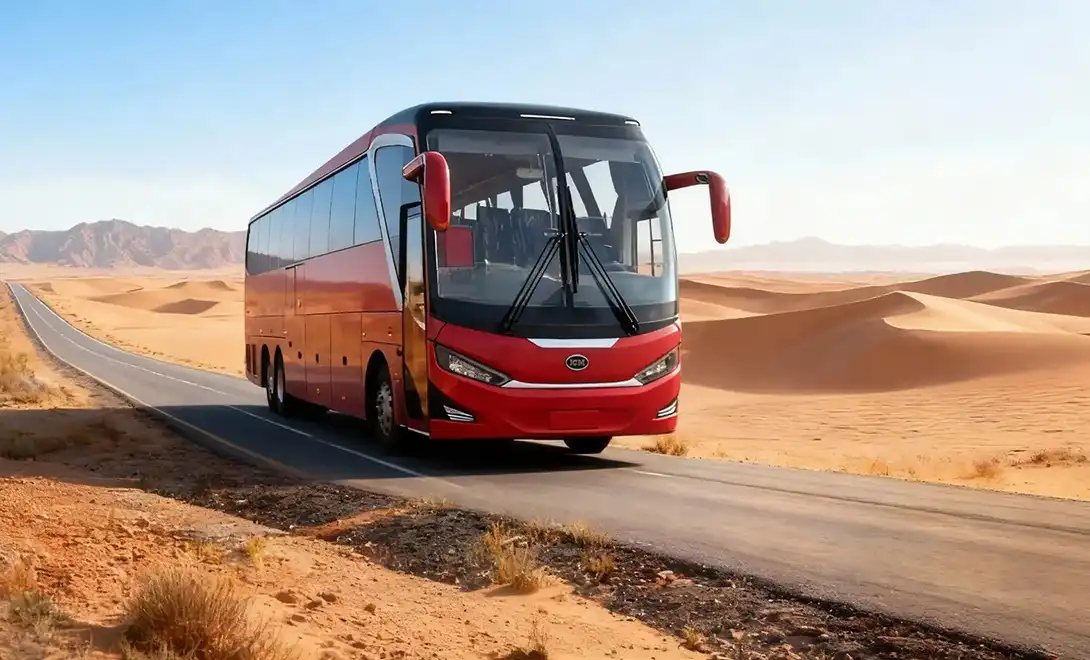
The 14-meter three-axle coach is a clever piece of engineering made for uses where a lot of people need to be moved. This car design makes the most of the benefits of being longer by adding an extra axle to help distribute the extra weight more evenly.
Enhanced Passenger Capacity and Weight Distribution
The 14-meter length gives the inside a lot of room, with enough room for 45 to 55 people based on how the seats are set up and what services are available. The tri-axle design spreads the vehicle's weight over three contact points instead of two. This makes each tire less loaded and improves the structure's total strength. When carrying as many people as possible, this arrangement is especially helpful, since standard two-axle designs might start to show signs of stress-related wear.
Improving the way weight is distributed has direct practical benefits. The extra back axle keeps the tires from wearing out as quickly, extends the life of the brake parts, and lessens the effect on the road. When these mechanical benefits are used for longer amounts of time, they become more important because they reduce cumulative stress, which saves money on upkeep costs.
Superior Ride Comfort and Stability Features
When compared to two-axle options, the three-axle design naturally offers more stable ride. The longer chassis lowers pitch and roll movements, making the ride more comfortable for passengers in a range of road conditions. The tri-axle setup and advanced suspension systems work together to make the car more stable and quieter on the road.
Modern 14-meter coaches have high-tech air damper systems that change automatically based on how many people are on board. This technology makes sure that the ride height and comfort levels stay the same no matter how many people are on board. This is an important part of keeping service quality high across different route segments and customer loads.
Fuel Efficiency and Environmental Considerations
Modern three-axle coaches get great gas mileage thanks to better efficient design and more advanced engine technologies. The optimized weight distribution makes it easier for the engine to load, and current drive systems make the power transfer as efficient as possible. A lot of companies now make hybrid and electric versions that use the stable base that the three-axle setup provides.
When High Passenger Capacity Calls for a 14m Three-Axle Coach?
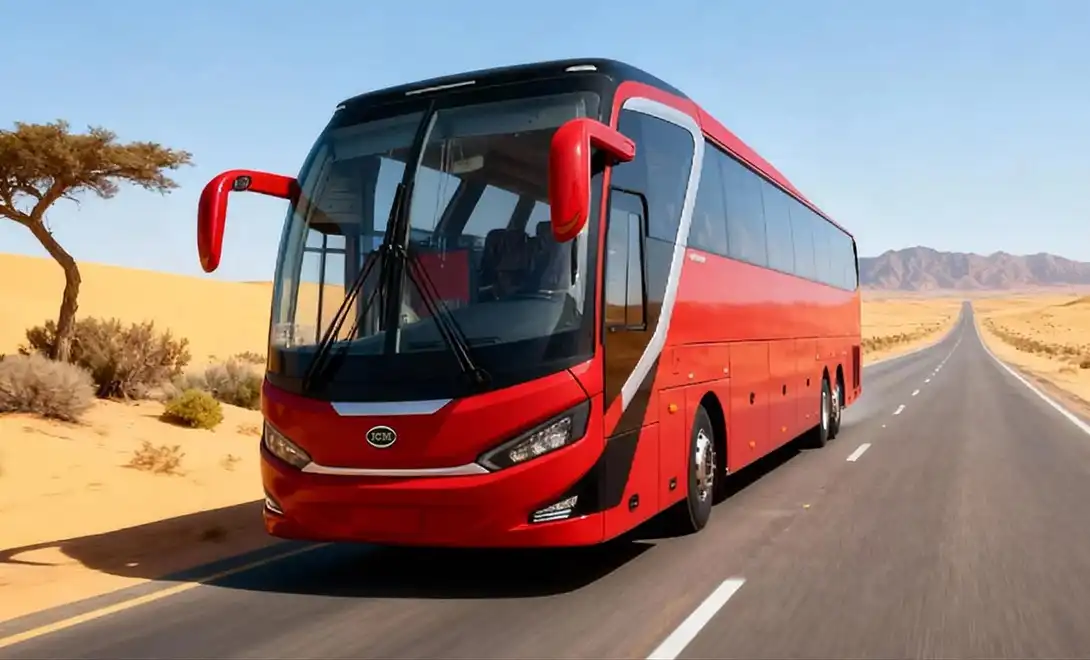
Figuring out the best ways to use 14m three-axle coaches means carefully looking at how people usually travel, the features of the routes, and the operating goals. These cars are very useful in certain situations because of the special things they can do.
Intercity and Long-Distance Route Applications
Buses with three axles that are 14 meters long are mostly used for intercity transportation. Routes that are between 100 and 500 kilometers long gain the most from having both ease and space for passengers. The extra seats lower the cost of running the business per person, and the extra comfort features make customers happier and more likely to stick around.
When used for long-distance trips, the benefits of both space and comfort work well. When tour companies use three-axle vans for multi-day trips, passenger happiness scores go up because the quality of the ride directly affects total experience rates. Because the longer chassis length can hold more bags, it can be used for longer trips without taking up any passenger room.
Corporate and Charter Service Excellence
The professional look and comfort of 14m coaches make them a great choice for corporate shuttle services that run between business areas or airport links. The extra space makes it possible to combine service plans, which makes operations simpler while still meeting standards for service frequency.
The three-axle configuration is perfect for charter services that want to move big groups of people for group events, conferences, and special occasions. The extra steadiness and ease are especially useful when working with business clients who expect the best transportation experiences.
Route Density and Passenger Volume Analysis
Three-axle coaches are only worth the money when they are used on lines with a lot of people, usually more than 35 to 40 people per trip. When looking at car specs, route analysis should think about times of high demand, changes with the seasons, and growth forecasts. In addition to providing more space, 14m trains allow managers to make more money during busy times while keeping service levels high during normal operations.
Key Factors in Choosing the Right 14m Three-Axle Coach Model
A lot of technical and practical factors need to be looked at in order to choose the best three-axle coach design. Both short-term needs and long-term practical goals should be taken into account in the decision-making process.
Fuel Efficiency and Operational Cost Management
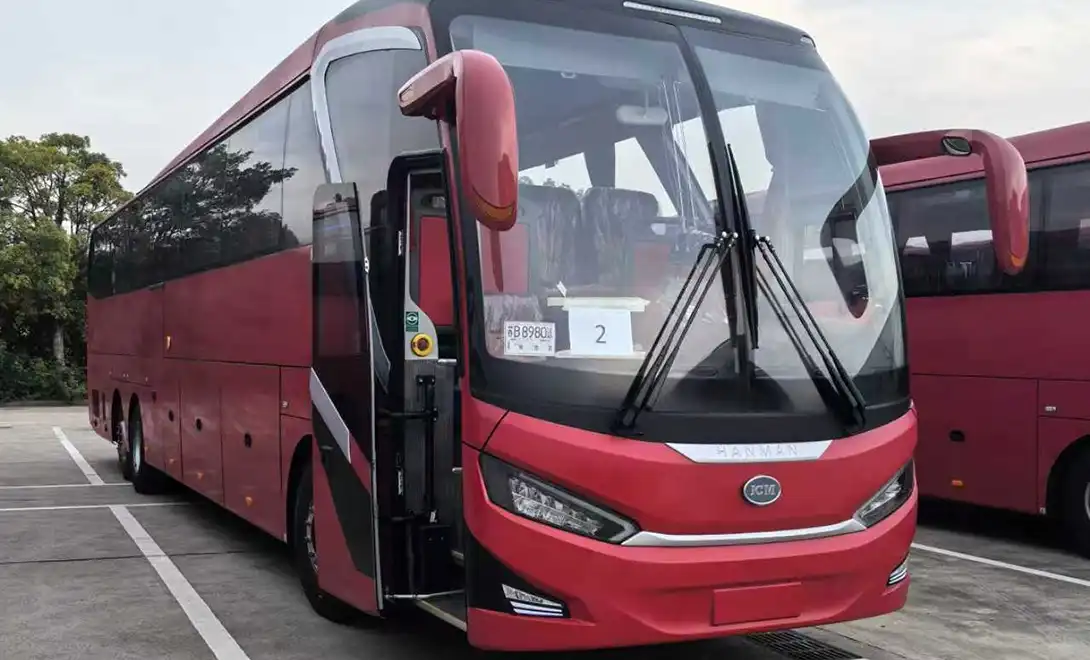
Modern coaches with three axles use between 25 and 35 liters of gas per 100 kilometers, but this depends on the engine and how it is used. Following the Euro VI emission standards makes sure that environmental rules are followed, and modern engine control systems make sure that the right amount of fuel is delivered at all times, even when the load is changing.
Maintenance costs are taken into account in addition to the original buy price. There are more tire sets and brake parts needed for the tri-axle arrangement, but the spread loading lowers the stress levels on each part. When compared to similar two-axle models running at the same capacity usage rates, comprehensive maintenance plans usually show 15-20% lower per-kilometer costs.
Safety Systems and Passenger Protection
Modern safety standards demand more advanced braking systems, such as antilock brakes, electronic stability control, and emergency brake help. The three-axle platform improves stability during emergency movements and makes it easier to stop by spreading out the stopping forces. The stable three-axle platform works well with modern driving aid systems like lane departure warning and collision prevention.
Emergency entrances, fire suppression systems, and structural security elements are all examples of passenger safety features. The longer frame length lets you put the emergency exits where they'll be most useful while still letting passengers get where they need to go quickly during normal operations.
Technology Integration and Passenger Amenities
Wi-Fi, individual charging ports, and temperature control systems are all things that modern passengers expect. The 14m frame has enough room for all the HVAC systems that are needed to keep passengers comfortable in all sitting situations. The larger internal area works well with modern entertainment and communication devices for passengers.
Technologies that help drivers, like GPS tracking, fleet management systems, and real-time passenger information displays, make operations more efficient and improve how customers feel about the quality of service.
Procurement Strategies for European and American B2B Clients
Strategic methods to purchasing help fleet owners get the best deals on purchases while also ensuring their long-term success. Different financial structures and practical needs can be met by using different procurement methods.
Financing and Leasing Options Evaluation
For established operators with enough cash, direct buy choices offer the best long-term cost savings. Leasing gives businesses the freedom to change how they run while keeping cash on hand for other investments. With hybrid financing structures, you can set up custom payment plans that work with the seasonal patterns of income that are popular in tourist and charter businesses.
Fleet expansion strategies should consider bulk purchase advantages when acquiring multiple units simultaneously. When you buy more than five units, manufacturers usually offer big price cuts, as well as longer guarantee coverage and better service support packages.
Customization and OEM Support Services
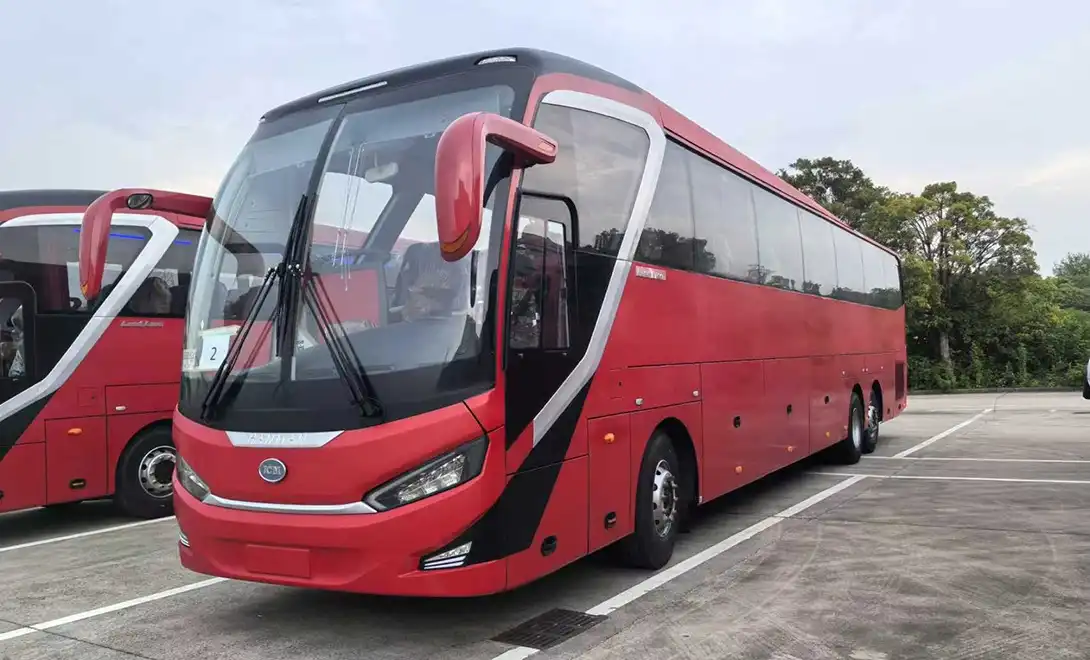
Customization options include changing the way the seats are set up, adding decorative touches to the inside, and installing specialized equipment. In addition to normal designs, European and American markets often need communication systems, safety equipment, and features that make buildings more accessible. Working with skilled OEM partners makes sure that you follow the rules and improves the speed of your operations.
JCM's extensive support network offers expert help throughout the whole buying process, from coming up with the initial specifications to delivering and commissioning the goods. Our engineering team works directly with clients to make sure that the configurations of vehicles meet particular business needs while still meeting cost-effectiveness goals.
Real-World Validation: Case Studies and Industry Insights
Performance data from the industry shows that using 14m three-axle coaches has real-world benefits in a range of operating situations. Well-researched case studies can teach you a lot about how things work in the real world and how they can help your business.
Performance Improvements and Cost Savings
When regional transportation companies switch from two-axle to three-axle designs on high-capacity routes, their running costs per passenger go down by 20 to 25 percent. The extra space for passengers lets service plans be streamlined while still meeting standards for frequency. Because of spread out loads and lower component stress levels, maintenance costs go down by an average of 18% per year.
When tourism companies use 14m coaches for longer trips, they get better customer happiness scores—on average 15-20% higher—than when they use smaller vehicles. The mix of comfort features and stability features directly leads to higher scores for traveler experience.

Future Technology Integration Trends
New technologies, such as electric powertrains and the ability to drive itself, work well with the three-axle base. The stable chassis design gives battery systems the best places to be mounted while still making the most of the room for passengers. Modern fleet management systems allow for tracking in real time and planning maintenance ahead of time, which further lowers running costs.
Digital passenger services, like mobile tickets, real-time arrival information, and payment systems that work with other apps, improve the level of service while making operations simpler. The extra space inside makes room for the necessary technology equipment without affecting the comfort or capacity of the passengers.
Conclusion
The 14-meter three-axle coach is the best way to move a lot of people when you need to find the best mix between capacity, comfort, and operating efficiency. This vehicle configuration offers measurable benefits in terms of fuel efficiency, passenger happiness, and controlling upkeep costs, while also giving operators the freedom they need to handle a wide range of situations. When fleet owners are thinking about buying three-axle coaches, they should think about their specific routes, how many passengers they expect, and their long-term growth goals. This way, they can get the most out of their investment in these high-tech vehicles.
FAQ
Q1: What passenger capacity advantages do 14m three-axle coaches provide?
A: 14-meter three-axle coaches can usually fit 45 to 55 people, based on how the seats are set up. This is 20 to 30 percent more space than normal two-axle coaches. The tri-axle design makes this possible while still providing a smoother ride and more stability, both of which are important for rider happiness.
Q2: How do maintenance costs compare between two-axle and three-axle configurations?
A: While three-axle coaches need more tire sets and brake parts, the spread out weight makes each part less stressed, which means that maintenance costs are 15-20% cheaper per kilometer compared to two-axle coaches with the same capacity usage rates.
Q3: What safety advantages does the three-axle configuration provide?
A: The tri-axle platform improves stopping power by spreading out the braking forces, makes the vehicle more stable during emergency movements, and makes it easier to add advanced driver aid systems like electronic stability control and collision prevention technologies.
Partner with JCM for Your Three-Axle Coach Requirements
JCM is ready to help you with your large-group transportation needs with our wide range of three-axle coach options and ability to make changes to fit your needs. Our experienced engineering team helps you with everything, from coming up with the initial specifications to delivering the goods and providing ongoing service support. This makes sure that your fleet operations are as efficient as possible and that your customers are happy. As a reliable three-axle coach maker with a track record of success in B2B procurement solutions, we provide you with high-quality vehicles that are specifically designed to meet your business needs. Email us at info@jcm-star.com to talk about your plans to grow your fleet and find out how our new teaching services can help your business succeed.
References
1. International Association of Public Transport, "Heavy-Duty Bus Configuration Analysis: Operational Efficiency and Safety Considerations," Transport Research Quarterly, 2023.
2. European Committee for Standardization, "Commercial Vehicle Weight Distribution Standards: Multi-Axle Configuration Guidelines," Technical Publication Series, 2022.
3. American Public Transportation Association, "Fleet Management Best Practices: High-Capacity Vehicle Selection Criteria," Industry Standards Manual, 2023.
4. Transport Technology Institute, "Fuel Efficiency Comparative Study: Two-Axle versus Three-Axle Coach Performance Analysis," Energy and Transport Journal, 2022.
5. International Road Transport Union, "Passenger Comfort Standards in Commercial Coaching: Multi-Axle Configuration Benefits," Professional Transport Review, 2023.
6. Commercial Vehicle Safety Alliance, "Advanced Braking Systems in Multi-Axle Passenger Vehicles: Performance and Regulatory Compliance," Safety Technology Quarterly, 2022.

Based on your vehicle requirements, we will quickly match the most suitable specifications and provide a competitive quote.
_1755581003287.webp)
Global Customized


_1756108840480.webp)
_1755854765757.webp)