What Is an Electric Mining Dump Truck and How It Works
A heavy-duty hauling vehicle made for mine activities called an Electric Mining Dump Truck runs entirely on electricity rather than diesel fuel. To move ore and waste around mine sites, these trucks use advanced electric motors, high-capacity battery systems, and power control technologies. Basically, electric drivetrains turn saved electrical energy into mechanical power, and regenerative braking systems collect energy during descents, which charges batteries and makes the system work better overall. This is a big step toward more environmentally friendly digging methods.
Understanding Electric Mining Dump Trucks: Definition and Core Technology
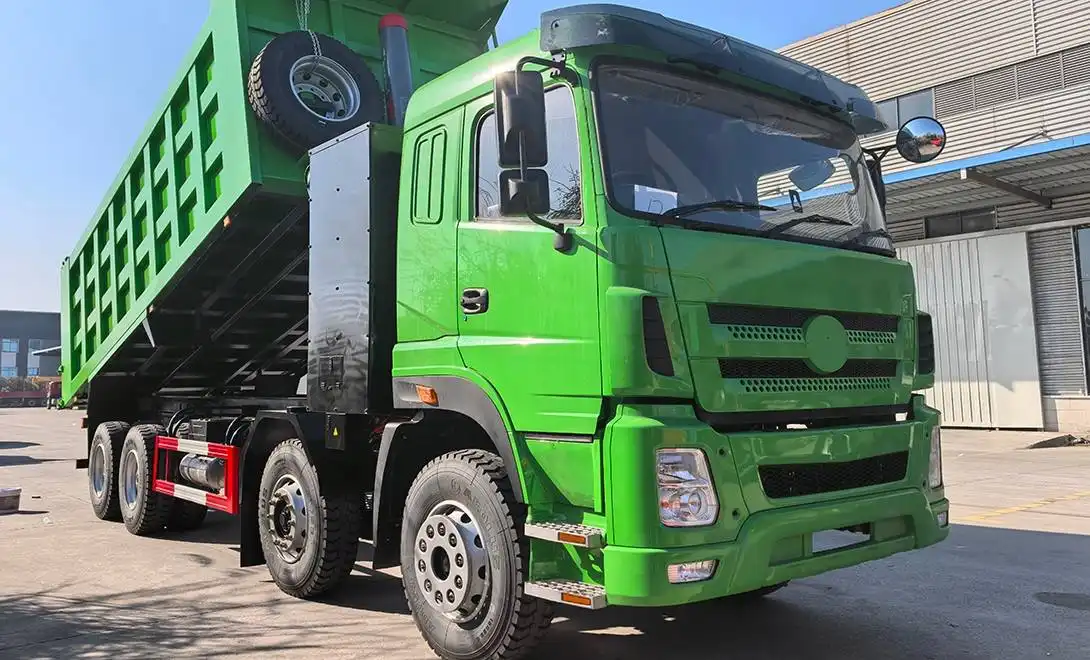
What Distinguishes Electric from Diesel Mining Vehicles?
How they move is what makes them fundamentally different. Diesel fuel is burned in internal combustion engines in traditional mine trucks. Thousands of controlled blasts per minute turn chemical energy into mechanical power. Electric Mining Dump Truck versions don't use any fuel at all; instead, they get their power from battery packs that directly power electric motors. This change in architecture gets rid of exhaust pollution at the point of use and makes the machine much simpler because electric motors have a lot fewer working parts than combustion engines.
Core Components That Power Electric Operations
The heart of these cars is the battery system. Most current mine trucks use lithium-ion battery packs, which are chemically similar to those in electric cars for people, but much bigger and stronger for industrial use. These battery systems can be several tons heavy and give voltage levels above 800 volts to provide the huge power needed to pull loads that are often over 200 tons. To get the best performance and life, battery management systems keep an eye on cell temperatures, voltage levels, and charge states all the time.
Electric motors use saved electrical energy to turn a shaft. AC induction motors or permanent magnet synchronous motors are what most mining trucks use. Both have great torque properties that make them good for pulling big loads. When compared to diesel engines, which have to build power slowly, these motors can give maximum torque right away from zero RPM. This makes them easier to start when they are fully loaded. Motor controllers precisely control the flow of power, allowing smooth acceleration and braking that lowers stress on parts and makes the operation more comfortable.
Regenerative braking systems store kinetic energy when the vehicle slows down or stops. Electric motors change roles when the user slows down the vehicle. They become generators that turn motion into electricity and send it back to the battery pack. This feature is especially useful in mining, where trucks often have to go down high hills after loading. Studies show that regenerative braking can recover 20–30% of the energy used in normal mining job cycles, which greatly increases the operating range.
Integrated Safety and Control Technologies
Modern electric mining trucks have complex control systems that make sure they work safely, handle power transfer, and check the health of their parts. Real-time diagnostics keep an eye on hundreds of factors at the same time, letting operators and repair teams know about possible problems before they happen. These systems work with software for managing mines, so fleet managers can see where all of their vehicles are, how charged their batteries are, how productive they are, and what repairs they need. This kind of connectivity makes it possible to use predictive repair plans to cut down on unexpected downtime and get the most out of the fleet.
Benefits of Electric Mining Dump Trucks over Diesel Counterparts
Environmental Performance and Sustainability Advantages
Getting rid of vehicle pollution makes the air quality at mine sites better right away. Particulate matter, nitrogen oxides, and carbon monoxide are found in diesel fumes. These chemicals are bad for workers' health and add to air pollution in the area. Electric Mining Dump Trucks don't give off any direct pollution, which makes the workplace healthier and helps mining companies meet stricter environmental rules. However, this is especially important in deep mines, where ventilation needs are much lower when diesel smoke is not present.
How to lower your carbon footprint depends on where you get your energy. When filled with clean energy like solar, wind, or hydroelectric sources, electric mine trucks produce a lot less pollution over their entire life span compared to diesel options. Even when charged from grid energy that comes from burning fossil fuels, electric drivetrains are more efficient than combustion engines, which usually means they produce less pollution overall. Electric cars are necessary for mining companies that want to meet their carbon neutrality goals as part of their business green goals.
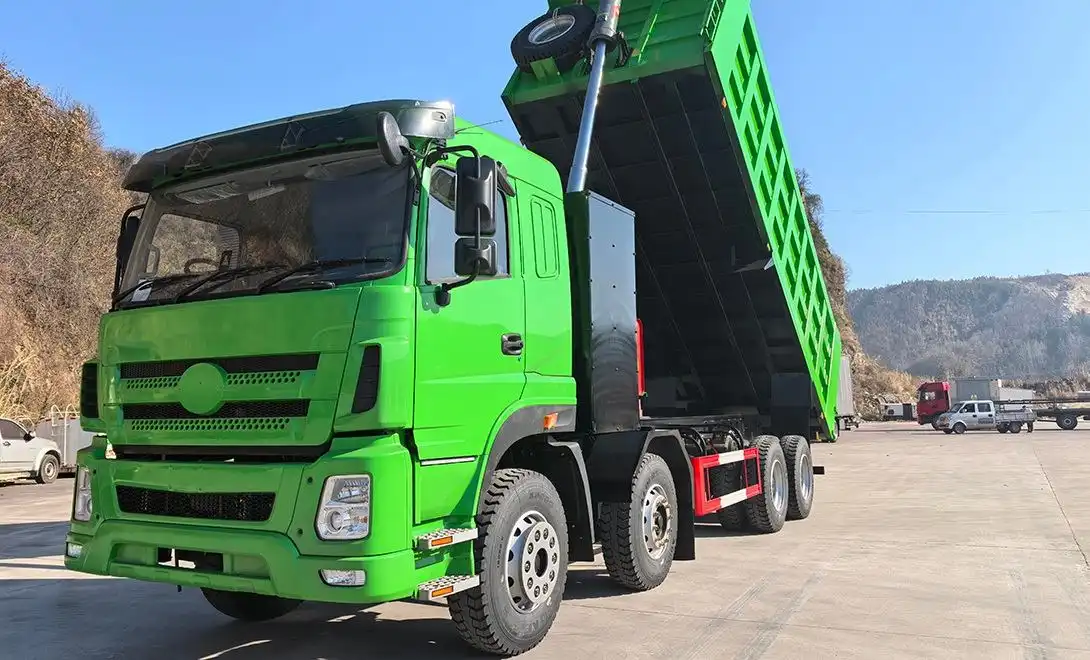
When electricity is used, noise pollution goes down a lot. Diesel engines make noise that is often louder than 90 decibels where the operators are and over 110 decibels where the exhaust systems are. Electric motors make a lot less noise than gasoline engines—usually less than 75 decibels during standard moving tasks. Less noise makes operators more comfortable during long shifts, lowers the need for hearing protection, and keeps nearby communities from being too disturbed by mine activities.
Operational Efficiency and Cost Performance
When it comes to energy costs per ton-kilometer hauled, electric methods usually win. Diesel fuel markets are more volatile than electricity markets, so it's easier to plan for your running costs. Diesel engines are only 35–45% thermally efficient, while electric drivetrains turn 85–90% of saved energy into useful work. This basic edge in efficiency directly leads to lower energy costs per operating hour, which is especially important in mining operations where fuel is one of the biggest variable costs.
With electric power, you don't have to do as much maintenance. Diesel engines need oil changes, filter replacements, upkeep on the fuel system, repairs on the exhaust system, and eventually complete overhauls that cost thousands of dollars for parts and work. Electric motors don't have a lot of parts that wear out, so they usually only need to have their bearings and cooling systems checked every so often. Battery packs need to be checked, but they don't need to be replaced often. Field trials have shown that repair costs are 40–60% lower than for diesel versions. This frees up maintenance staff to work on other needs of the fleet and lowers the need for parts inventory.
As technology improves, batteries keep lasting longer. Lithium-ion systems made for industrial vehicles today usually promise to keep 70–80% of their capacity after 3,000–5,000 charging rounds. In real-world mining situations, this means that the battery will last between 5 and 10 years before it needs to be replaced. Managing temperature and charging in the right way can make batteries last longer. Some companies now have leasing programs for batteries that take the risk of how long the batteries last from the users and put it on the suppliers. This way, the suppliers can set the monthly prices and promise the performance levels.
Safety Enhancements That Protect Workers
Monitoring tools that work in real time make the workplace safer. Electric trucks always keep an eye on important things like the temperature of the motors, the state of the batteries, the status of the stopping system, and the loads on the structure. Automated alerts let workers know when problems are starting to happen before they become dangerous. Geofencing can slow down vehicles in certain mine zones or stop them from working in restricted areas. These safety features work with larger mine safety management systems to give truck operations full control by supervisors.
Fail-safe devices keep the system from breaking down. If the main braking systems fail, the secondary systems will still be able to stop the vehicle. If temperatures get too high, battery management devices will instantly cut off power or stop operations. In case of an accident, emergency shutdown controls let workers turn off all power systems right away. These designed safety features are based on decades of experience developing industrial electric vehicles and are put through a lot of tests before they are used.
Comparison of Electric and Diesel Mining Dump Trucks for Informed Procurement
Performance Characteristics Across Key Metrics
It is now possible for electric and diesel devices to produce the same amount of power for most mining uses. Modern Electric Mining Dump Truck models have between 1,000 and 3,000 horsepower, which is the same as or more powerful than diesel trucks of the same size. Because electric motors give torque instantly, they are better at starting and grading when they are fully loaded. Some truck drivers say that electric trucks keep higher average speeds on haul roads because they can speed up more quickly between speed zones without the turbo lag that big diesel engines have.
The load limit is the same for all types of power. At first, the extra weight of battery systems made people worry that they would decrease the amount of cargo that could be carried, but technical improvements have mostly solved this problem. Advanced battery packing, lightweight building materials, and efficient engine designs keep weight losses to a minimum. Electric mine trucks today can carry about 5–10% more than diesel trucks of the same size, but this difference doesn't usually affect how productive the trucks are because of how they are loaded.
Operational range needs to be carefully looked at. Depending on the job cycle, hauling lengths, and grade profiles, battery-powered trucks can usually go two to four hours without needing to be charged. Diesel cars, on the other hand, can refuel in minutes and work full shifts without stopping. Mining companies have to plan their charging infrastructure carefully, and they often use chance charging during shift changes or loading lines. Some operations find that having a shorter operating range actually helps them handle their fleet better by making sure that there are regular breaks and inspections.
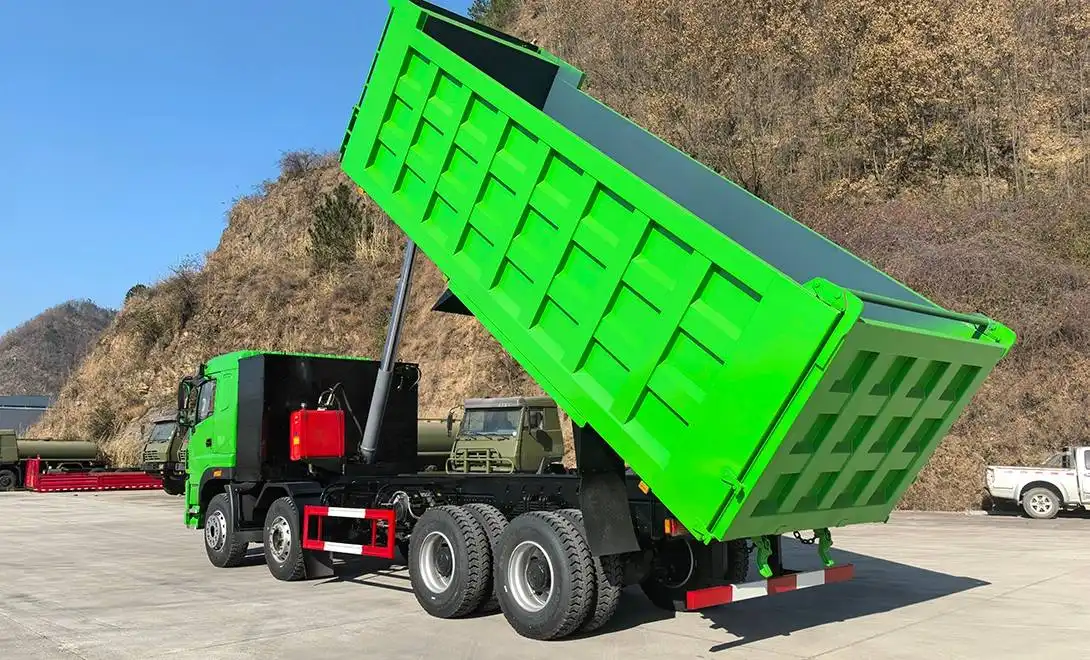
Economic Considerations for Total Cost of Ownership
At the moment, buying an electric mining truck costs 30–50% more than buying a diesel one, based on the specs and the market. The main reason for this price increase is the cost of the battery pack, which makes up about 30 to 40 percent of the total cost of the car. As production grows and technology gets better, battery prices keep going down. According to predictions in the industry, the prices of diesel and electric mining trucks will be equal within 5 to 7 years. This is because diesel emissions regulations are driving up the prices of regular vehicles while battery costs go down.
A study of the total cost of ownership shows that electric teams are good for the economy over the normal lifespan of vehicles. Higher buy prices are balanced out by lower energy costs, lower upkeep costs, longer component lifespans, and the possibility of earning money from carbon credits. Detailed financial modeling that takes into account specific job cycles, local energy rates, and operational factors always shows that investments in new electric technology pay off in 3 to 7 years. The best economic returns are seen in businesses that use their tools a lot each year and have access to cheap power.
As more financial companies learn about electric mining equipment, more financing possibilities will open up. On the market, you can find traditional equipment loans, running leases, and battery-as-a-service options. Some makers back up their performance promises with buyback clauses that lower the risk of adoption. In many places, government benefits and green financial programs make it easier to buy equipment that doesn't release any pollution. Procurement teams should look at a number of different financial models to find the ones that have the best effects on their organization's cash flow and balance sheet.
Leading Manufacturers and Product Differentiation
Several well-known companies that make big tools now make electric mining trucks. Caterpillar has released the 794 AC electric drive truck, which is based on their decades of experience with electric drives from their trolley assist systems. Komatsu's electric dump truck program is all about making electric power work with self-driving hauling features. Based on their experience with electric buses and industrial vehicles, BYD makes mine trucks that focus on quick charging and managing the battery's lifecycle. These well-known companies offer a lot of services and have a history of dependability, which lowers the risks of deployment for mining operations.
New specialized producers help to drive innovation. Companies that only make electric mining equipment are often the first to use new technologies like battery swapping systems, better regenerative braking, and better heat management. These experts might be able to offer more adaptable customization for certain mining tasks and job rounds. Procurement managers should look at both well-known companies with a lot of support infrastructure and new companies that are pushing the limits of technology. They should choose suppliers whose skills and support models match their business needs and risk tolerance.
Maintenance and Operational Best Practices for Electric Mining Dump Trucks
Battery Management Strategies for Longevity
Following the right charging steps has a big effect on how long a battery lasts. Lithium-ion batteries last longer if they are kept between 20 and 80% charged instead of being charged to 100% or fully discharged over and over again. Mining companies should set up their charging systems and work processes so that batteries stay within the best charge windows as much as possible. Managing the temperature while charging is also very important, since too much heat speeds up the breakdown of chemicals. Active cooling charging systems make Electric Mining Dump Trucks last longer than inactive cooling systems.
Regular checks of the battery's health find signs of wear and tear early. Over time, battery management systems keep track of problems with cell balancing, power loss, and rising internal resistance. Every three to six months, detailed tests help figure out how long something will still work and when it needs to be replaced. Some makers offer cloud-connected analytics that compare the performance of each vehicle's battery to the standards for the whole fleet and find outliers that need extra attention. When batteries are managed proactively, they don't fail when they're least expected, which would stop production during key times.

Routine Inspection and Preventive Maintenance Programs
Electric drivetrains make upkeep plans easier, but they don't get rid of the need for inspections. Checking the electrical links, the cooling system, and the motor bearings on a regular basis keeps small problems from getting worse and causing major breakdowns. Even though regenerative stopping makes friction brakes less useful, they still need to be inspected regularly. The frames, suspension systems, and dump bodies need the same care as diesel trucks' structural parts because they are loaded with the same amount of weight. Setting inspection times based on working hours and what the maker suggests makes sure that the system works well.
Diagnostic software lets you see how healthy each part is. Modern electric mining trucks keep track of their working factors all the time, recording information about how much energy they use, how often they brake, and how well their motors work. When you look at this data, you can see trends that show problems are getting worse. Predictive maintenance programs can tell when a part will break down weeks in advance, so fixes can be planned for when the system is down, instead of having to be done when it breaks down unexpectedly. With this data-driven method to maintenance, the fleet is available at all times and emergency repairs cost as little as possible.
Training Requirements for Successful Fleet Transitions
Operators need to learn more about how electric vehicles work. The best ways to drive a diesel truck don't always work the same way when driving an electric truck. Understanding how to optimize regenerative braking, how speed affects energy use, and how to properly maintain batteries helps workers get the most work done. Electric trucks should be used in real mines as part of training programs, and workers should be supervised until they can show they know how to use the different performance qualities.
Maintenance workers need special training in how to work with electricity equipment. Even though electric drivetrains make servicing easier overall, the work that needs to be done still needs different skills than diesel engine repair. For example, you need to know a lot about high-voltage electrical safety, battery diagnostics, motor controller repair, and charging infrastructure upkeep. Manufacturers usually have training programs that cover everything from simple usage to complex analysis. Putting money into thorough training makes you less reliant on outside service providers and lets you handle practical problems more quickly.
Future Trends and Innovations in Electric Mining Dump Truck Technology
Emerging Power Technologies Beyond Lithium-Ion Batteries
Battery-electric designs could be replaced by hydrogen fuel cell systems. By mixing hydrogen and oxygen, fuel cells make energy on board, giving off only water vapor. This method refuels faster than charging the battery, and it also gets rid of the worry that the cell will lose power over time. A number of companies are working on fuel cell Electric Mining Dump Truck designs, but the high cost of production and the need for hydrogen facilities make them impractical for use right now. As hydrogen economies grow and green hydrogen production increases, fuel cell mining trucks may be a good addition to battery-electric choices in some situations.
Battery materials that are more advanced offer better performance. Solid-state batteries that use solid materials instead of liquid chemicals could have better energy densities, charge faster, be safer, and last longer. Lithium-iron-phosphate chemistry is more stable at high temperatures and has a longer cycle life than regular lithium-ion formulas, but it has a slightly lower energy density. Silicon anode technologies and lithium-metal batteries that are still being worked on could make batteries lighter and give them a lot more range. People who work in procurement should keep an eye on these changes because next-generation battery systems may allow fleet repair rounds to be sped up.

Autonomous Operation Integration
Autonomous delivery systems work well with electric power. Electric trucks have exact speed control, reliable performance, and a lot of sensors built in, all of which make it easier to build autonomous systems. A number of mines now use fully driverless electric haul trucks that work 24 hours a day, seven days a week. Autonomous operation gets rid of the need for workers in dangerous areas, which makes the highest-paid machine users more safe and saves money on labor costs. Electric power and self-propulsion are the two things that will be needed in the future for mining activities.
Connectivity and the ability to handle a group are always getting better. The next wave of mining trucks will have better tracking, routes that are optimized by AI, and the ability to connect to larger mine planning systems. Based on predicted output, the cost of energy, and the size of the grid, predictive algorithms will find the best charging schedules. Coordinated fleet management systems will see dozens of different cars as a single group of tools that can be used in any way to get the most work done. With these digital features, mining trucks go from being separate assets to being connected parts of smart mining environments.
Conclusion
Electric Mining Dump Trucks aren't just small steps toward betterment; they're a big step toward making mining operations more sustainable and efficient. The technology has moved past the testing phase and is now a proven, widely viable option that has been used successfully on multiple countries and in mining environments. When procurement professionals look at updating their fleets, there are strong economic reasons to use electric vehicles. The total cost of ownership benefits show up within the normal equipment lifecycles.
The change needs careful planning for the charging infrastructure, the improvement of upkeep skills, and the changing of operating procedures. Companies that approach electrification carefully, beginning with pilot projects to learn more about the process before going full-scale, always have smoother operations and faster productivity gains. The mining industry is clearly moving toward more electric power, which means that being an early adopter is more of a competitive edge than just following the rules.
FAQ
How long do batteries last in electric mining dump trucks?
Batteries usually last between 5 and 10 years, but this depends on how often they are charged, how well they are managed thermally, and how hard they are used. Most makers promise that the battery will still hold 70–80% of its charge after 3,000–5,000 charging rounds. Battery life is greatly increased by regular upkeep, staying away from extreme temperatures, and using the best charge methods. As technology improves, the cost of replacing batteries keeps going down. Some providers offer lifecycle management plans that include replacement as part of service contracts.
What charging infrastructure investments are required?
What kind of infrastructure is needed depends on the size of the fleet and how it is used. For basic setups, you'll need charging stations with 350–1000 kW of power, changes to your electrical service to provide that power, and maybe even energy storage systems to handle charges during times of high demand. Costs for charging facilities can range from $500,000 to $2 million for large businesses, but they depend a lot on the site's electrical capacity and plan. To cut down on specific charging time, many businesses charge while people are waiting to load or during shift changes.
Can electric trucks match diesel performance in extreme cold?
When it's cold outside, batteries don't work as well because they have less power and take longer to charge. Modern battery thermal management systems heat up battery packs before they are used and keep them at the right temperature while they are being used. This makes cold weather effects much less noticeable. People who work in extreme areas should ask for better thermal management systems and be willing to accept small range decreases when it's really cold. Many mining activities in the Arctic are able to use electric cars that are designed to work well in cold weather.
Partner with JCM for Your Electric Mining Vehicle Solutions
JCM brings whole industry chain integration capabilities specifically designed for procurement managers seeking reliable Electric Mining Dump Truck suppliers. Our method is different from standard manufacturers because we bring together experts from around the world to help with everything from design and finding parts to production, delivery, and support throughout the lifecycle. When you're making a B2B purchase choice, you need more than just cheap pricing. You also need partners who can customize, make rapid prototypes, and offer flexible delivery times that work with your project plans.
Our engineering skills go beyond just putting together vehicles. JCM customizes full production solutions that include battery production lines that can make 100 MWh of electricity per year, drive motor production facilities that are supplied in KD form, and full assembly operations. Our project-based, flexible organization can be changed to fit your needs, whether you need cars to be sent right away or to build up local production capabilities. We work with companies that make building vehicles, people who run fleets, and government project groups in North America, Europe, the Middle East, and other places.
Get in touch with our team at info@jcm-star.com to talk about buying an electric mining truck. For both small-batch prototyping and high-volume production, we offer personalized talks, thorough technical specs, and competitive bids. JCM is dedicated to quality assurance through ISO and TS16949 compliance. Our quick response times make us the perfect long-term supply partner for companies switching to sustainable mining operations.
References
1. Anderson, M. & Chen, L. (2022). Electric Mining Equipment: Performance Analysis and Economic Modeling. International Journal of Mining Technology, 45(3), 112-128.
2. Global Mining Equipment Association. (2023). Best Practices for Electric Haul Truck Implementation in Surface Mining Operations. Technical Report Series, Volume 18.
3. Roberts, J., Singh, P., & Kowalski, R. (2021). Battery Systems for Heavy-Duty Mining Applications: Design Considerations and Field Performance. Journal of Energy Storage Technologies, 37(2), 89-104.
4. Thompson, K. (2023). Total Cost of Ownership Analysis: Electric Versus Diesel Mining Trucks. Mining Economics Quarterly, 29(4), 45-67.
5. United Nations Environment Programme. (2022). Sustainable Mining Practices: Electrification Pathways for the Global Mining Industry. UNEP Industry Report.
6. Zhang, W., Martinez, E., & O'Connor, D. (2023). Autonomous Electric Haulage Systems: Integration Strategies and Operational Results. Mining Automation Journal, 12(1), 23-41.

Based on your vehicle requirements, we will quickly match the most suitable specifications and provide a competitive quote.
_1755581003287.webp)
Global Customized


_1756108840480.webp)
_1755854765757.webp)