Using 14m Diesel Coaches for Cross-Border Passenger Transport
In today's interconnected world, cross-border passenger transport demands reliable, efficient, and compliant vehicles that can handle the rigors of international travel. The 14m diesel coach emerges as a standout solution, combining powerful engine performance with passenger comfort and regulatory compliance. These large-capacity vehicles offer the perfect balance of operational efficiency and cost-effectiveness for transportation companies operating international routes, making them an essential consideration for procurement managers seeking sustainable fleet solutions.
Understanding 14m Diesel Coaches for Cross-Border Transport
Modern diesel coaches are the result of decades of technical work that has been focused on making the unique challenges of foreign passenger travel easier to handle. These cars are a sophisticated mix of speed, comfort, and safety features made especially for tough cross-border activities.

Key Technical Specifications and Performance Features
Modern 14m diesel coaches have engines with modern technology that work very well on a wide range of landscapes and in all kinds of weather. The powertrains usually have Euro VI-compliant engines with 350 to 450 horsepower. These give the vehicles the speed they need for hilly roads while still using little gas on highways. To meet strict pollution rules in different places, these engines have high-tech exhaust aftertreatment systems that include selective catalytic reduction and diesel particulate filters.
The body is built to be stable and last a long time. It has a strengthened frame that can handle the stress of long, heavy trips across countries. Modern suspension systems, which usually combine air suspension with computer level control, keep passengers comfortable, keep goods safe, and keep drivers from getting tired during long trips.
Dimensional Compliance and Border Crossing Requirements
The rules for international transportation are very complicated, and the size of the vehicles has a direct effect on how accessible the routes are and how efficiently the operations run. The 14-meter length is the best length for carrying people while still following most foreign transportation deals. Most limits on width allow for a maximum width of 2.55 meters, which allows for reasonable aisle room and sitting arrangements without obstructing road access.
When planning paths that include tunnels, bridges, and boat crossings, height becomes very important. Most models stay between 3.7 and 4.0 meters tall, which gives normal infrastructure room to pass and makes the most of the space inside for facilities and storage for luggage.
Passenger Comfort and Safety Integration
Complex interior design methods that put passengers' well-being first during multi-hour trips are driven by the need for longer trips. Depending on how the seats are set up, they can usually fit 49 to 59 people. There are also special seating areas, wheelchair-accessible sections, and parts with more legroom. Climate control systems keep temperatures stable in a variety of climate zones, and advanced filter systems keep the air clean during pauses at the border and in cities.
Electronic stability control, improved emergency stopping systems, and collision prevention technology are just a few of the safety features that go beyond the basics. Fire suppression systems, emergency exit layouts, and communication tools all work together to keep passengers safe in case of emergencies that may happen during foreign travel.
Comparing 14m Diesel Coaches with Other Coach Types for Cross-Border Use
Cross-border passenger transport vehicles are chosen by carefully examining many factors, such as their working range, the facilities they will need, and their lifecycle costs. Procurement professionals can make better choices when they know how different types of vehicles work in foreign operations.
Diesel vs. Electric and Hybrid Alternatives
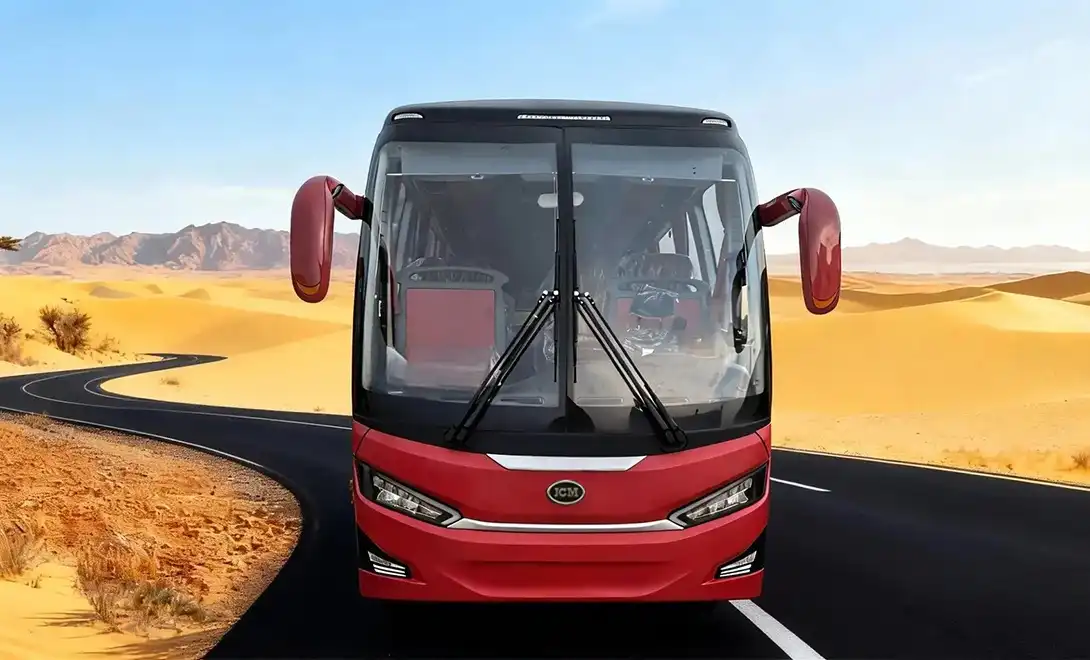
The environmental benefits of electric and hybrid bus technologies are strong, but they are hard to use across borders. Range limits are especially annoying when charge infrastructure varies a lot from country to country or is still not fully developed along international routes. Diesel coaches are still more flexible in how they can be used because they can be refueled almost anywhere along foreign lines.
Electric cars need time to charge, which can mess up tight foreign plans, especially when customs delays already make travel times longer. Diesel refueling only takes minutes, not hours, so operators can keep up with the plan predictability that customers and government officials expect from cross-border services.
Diesel technology is also better for foreign business because it is easier to maintain. Diesel engines can be serviced all over the world, but electric car knowledge and tools are still hard to come by in many places. This ease of entry is very important when cars need service away from the home base.
Capacity Optimization: 14m vs. 12m Coach Comparison
The choice between 14m diesel coaches and 12-meter coaches has a big effect on the cost of operations and the freedom of routes. Larger coaches have lower running costs per passenger because they can carry more people. This makes them perfect for foreign lines with a lot of passengers, where the extra size is justified.
14-meter versions offer a lot more seats, which means that they can bring in a lot more money. Most of the time, the extra passenger spaces bring in enough extra money to cover the higher costs of fuel and buying new vehicles. This is especially true on expensive foreign lines where seats are always being booked.
When planning a route, it's sometimes easier for smaller cars to get through, especially in historic city centers or places with limited infrastructure. However, most major international routes can handle 14-meter trucks, and the benefits in terms of capacity usually outweigh the difficulties in accessing specialized cross-border services.
Leading Models and Brand Reliability Assessment
Coach manufacturers who are at the top of their fields have made models that are especially made for transporting people between countries. European automakers like Mercedes-Benz, Volvo, and Scania have a strong reputation for making durable cars with repair networks that reach many countries.
When running foreign operations, where breakdowns can leave people far from home, reliability numbers become even more important. Leading makers usually offer foreign service agreements and extra warranty packages that give operators who run lines across borders peace of mind. As part of these agreements, drivers can often get 24-hour roadside help and faster supply of parts to keep service interruptions to a minimum.
When it comes to resale value, well-known names around the world are also a big plus. Well-kept coaches from well-known brands keep their value better than less well-known alternatives. This gives fleet owners important financial freedom when planning future equipment upgrades.

Procurement Guide: How to Buy and Manage 14m Diesel Coaches for Cross-Border Transport?
Getting commercial passenger cars requires a thorough plan that goes far beyond the initial talks for the purchase. Because foreign business is so complicated, it's important to pay close attention to what suppliers can do, how they can help, and how they might be able to form long-term partnerships.
Supplier Evaluation and Selection Criteria
To find suitable providers, you have to look at their production skills, quality standards, and support systems. ISO 9001 and TS 16949 certifications show that you have strong quality management systems, and certifications specific to the transportation business show that you know how to meet practical needs. When you need long-term parts and service support for foreign activities that last for years, it's important that your suppliers are financially stable.
Visits to manufacturing facilities are a great way to learn about how things are made and how quality is controlled. In order to make a modern coach, you need to be able to join very well, put them together carefully, and test them thoroughly. Suppliers should show that they can customize things like how the inside is set up, how the outside is branded, and how special equipment can be integrated.
Checking references with current customers who operate similar foreign routes can give you useful information about how well a supplier does, how quickly they respond to help requests, and how long a product lasts. Talking to fleet workers directly about their experiences helps find possible problems and backs up what suppliers say about their products' abilities.
Negotiating Bulk Orders and Financing Solutions
Buying in bulk is a great way to save money on fleet acquisitions, especially when buying a lot of cars with similar specs. When negotiating a bulk order, you should talk about more than just unit prices. You should also talk about shipping times, spare parts packages, training, and guarantee extensions. Standardizing specs across fleet sales makes things easier to understand and increases the buying power.
There are a number of ways to pay for a business vehicle purchase, such as through standard loans, leasing agreements, and financing plans backed by the maker. Each method has its own benefits that depend on how the company handles their cash flow, taxes, and fleet renewal plans. Leasing often gives businesses the freedom to change how they run while keeping money for investments in marketing and route growth.
When operators and sellers work in different countries with different currencies and rules, international banking issues become more complicated. Working with commercial car loan companies that have been around for a while can help you get good terms while navigating these tricky situations.
Warranty Coverage and Service Network Access
When cars are used in harsh foreign settings, where repairs may be needed far from the dealer that sold them, it's important that the guarantee covers everything. Options for longer warranties should cover major parts of the engine, electrical systems, and structural parts that are put under a lot of stress during busy foreign operations.
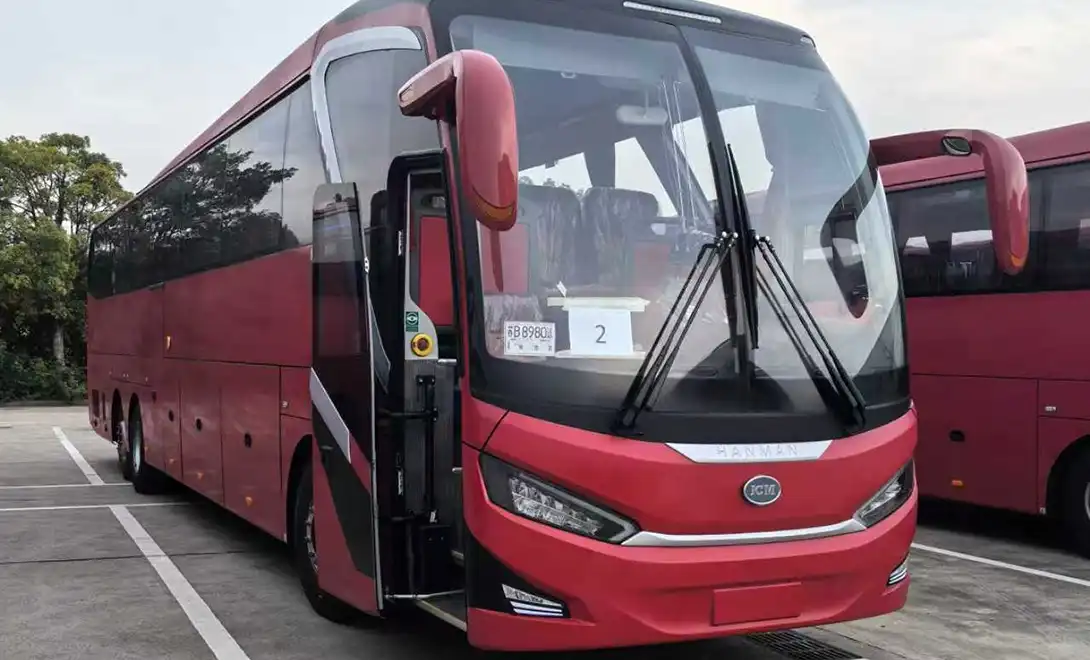
Service network access across operating areas makes sure that repairs and maintenance are done on time. Suppliers with established partner networks in several countries have big practical benefits over those who only cover a few areas. Emergency roadside help programs made just for business owners can keep small problems from turning into big ones that stop service.
Parts supply promises help make sure that there is little downtime when parts need to be replaced. Suppliers should keep parts distribution hubs in important areas and offer fast shipping for important parts. When technical problems happen, having access to technical help staff who know how to handle foreign operations gives you extra peace of mind.
Optimizing Cross-Border Operations Using 14m Diesel Coaches
To make operations as profitable and efficient as possible, fleet management needs to be done in a way that takes into account the unique challenges of foreign passenger travel. Successful owners use complete plans that include managing fuel, planning repairs, and making the passenger experience better.
Fuel Management and Consumption Optimization
Fuel costs are a big part of the costs of running a foreign 14m diesel coach service, so figuring out how to use fuel more efficiently is very important for success. Focusing on teaching drivers how to drive more efficiently can cut fuel use by 10–15 percent without affecting plan performance. These programs stress smooth acceleration, the best running speeds, and the right way to use the engine's brakes.
Route planning software helps you get the most out of your fuel by finding the cheapest ways to get from one place to another, taking into account things like traffic trends, changes in slope, and the price of fuel in different countries. Modern telemetry systems give drivers and vehicles real-time feedback on how they're doing, which helps businesses keep improving their methods.
When doing business across borders, where costs and quality standards for fuel can change a lot, it can be hard to figure out the best way to buy fuel. Building ties with large fuel providers that do business in more than one country can save you money and make sure the quality of the fuel is always the same. Some companies also use fuel trading to protect themselves from price changes.
Preventive Maintenance Scheduling and Best Practices
When vehicles are used in international operations, they have to meet strict standards that require careful upkeep. Cross-border routes have different road conditions, extreme weather, and longer operating hours, so preventive repair plans need to take these things into account. It's especially important to check safety-critical systems like brakes, steering, and chassis parts on a regular basis.
Software for planning maintenance helps keep track of service intervals based on time and miles, as well as changing conditions at work. Because fuel quality and weather conditions change from country to country, parts like air filters and fuel filters may need to be serviced more often in international operations.
Setting up repair relationships in more than one operating area makes sure that cars can get qualified service when they are away from home base. Partner deals with service providers in key areas can offer low-cost maintenance choices that guarantee the same high level of service.
Driver Training and Operational Excellence
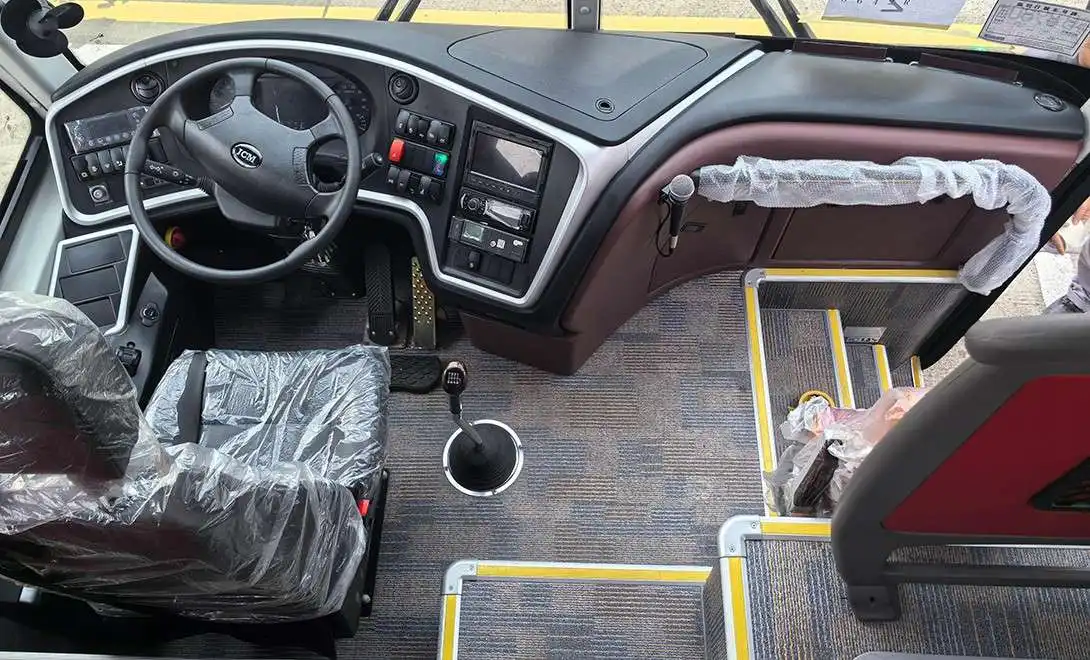
Professional drivers are the most important part of cross-border public transportation that works well. Comprehensive training programs must cover more than just how to drive a car. They must also cover foreign rules, customer service standards, and what to do in an emergency. When drivers deal with people from different countries and go through different social situations, they need to learn how to be culturally sensitive.
Different countries have very different rules about international driving. Drivers need to know about different speed limits, tool needs, and paperwork needs. Customs processes, border crossing rules, and communication needs that drivers face when working in other countries should be covered in training classes.
Safety training includes more than just how to drive a car safely. It also includes how to respond to emergencies, get passengers out of the car safely, and talk to emergency services in different countries. Regular repeat training makes sure that drivers stay up to date on new rules and best practices.
JCM: Your Trusted Partner for International Coach Solutions
JCM is a top company that specializes in custom car solutions and has a deep knowledge of the needs of foreign passenger travel. Our method blends cutting-edge technical skills with in-depth knowledge of the market to create 14m diesel coach solutions that work well in tough cross-border settings.
Comprehensive Manufacturing and Customization Capabilities
Our factories in Shiyan and Xiamen are equipped with cutting-edge production systems that are only used for making business vehicles. Advanced welding technologies, precise assembly methods, and full quality control systems are used in these facilities to make sure that every car meets the strict standards of foreign passenger transport operations.
Global talent, suppliers, and customers can work together on the "Surfing" car industry chain tool, which speeds up customization and new product development. This platform-based method lets us quickly meet the needs of specific customers while still meeting the high-quality standards needed for foreign business. Our tech teams work closely with customers to come up with solutions that meet their specific business needs and government rules.
Customization options go beyond simple changes to the outside of the car and include full interior design, the integration of specialized safety equipment, and branding options that help operators build a strong position in the market. Our design teams know how important it is for passengers to be comfortable on long foreign trips, and they can make the inside of the vehicles more comfortable for everyone.

Global Support Infrastructure and Service Excellence
JCM has Original Centers in Southeast Asia, the Middle East, and Europe. These centers provide local help from people who know the needs and difficulties of that area. This plan for distributed support makes sure that customers get help quickly, no matter where they work, with technology experts available in many languages and time zones.
As part of our dedication to long-term relationships, we offer a full range of services after the sale, such as spare parts, technical help, and training in how to do basic upkeep. When operators are in charge of complicated foreign routes, where service reliability has a direct effect on customer happiness and business revenue, these services become even more valuable.
Technical training programs help customer repair teams become experts on our vehicles. This makes them less reliant on outside service providers and ensures that the vehicles work at their best. Depending on what the customer wants and what the business needs, these classes can be run at their sites or at our training centers.
Innovation in Sustainable Transport Solutions
Being responsible to the environment pushes us to keep coming up with new ways to make products, with a focus on technologies that reduce emissions and make cars more fuel-efficient. Our engineering teams work hard to use the newest developments in diesel engine technology, pollution aftertreatment systems, and aerodynamic design so that our operations have the least possible impact on the environment and the most efficient use of resources.
The money spent on research and development is mostly going toward new technologies that will have a big impact on the future of foreign passenger travel. These technologies include hybrid powertrains, improved safety systems, and connectivity solutions that make operating management better. These investments make sure that our customers can use the most cutting-edge technologies while still getting the dependability that is needed for foreign business.
Sustainability efforts include more than just designing greener cars. They also include making the manufacturing process better, making the supply chain more efficient, and starting recycling programs for old cars that help customers reach their environmental goals. We know that caring for the environment is becoming more and more important in foreign shipping, and we work to find ways that help our customers reach their sustainability goals.
Conclusion
It is important to carefully think about technical specs, operational needs, and supplier skills when choosing and using 14m diesel coaches for cross-border passenger travel. To be successful in foreign operations, you need to pick cars that work reliably, have large support networks, and can be customized to meet the specific needs of the operation. Modern diesel coach technology has proven ways to move people between countries, and it has the dependability and freedom that tough cross-border operations need. Working with skilled makers who know how to meet the needs of foreign customers guarantees access to the knowledge and help needed for long-term business success.
FAQ
What fuel efficiency can I expect from a 14m diesel coach on international routes?
Modern diesel vans can get between 4 and 6 kilometers per liter, but this depends on the route, the number of passengers, and the driving conditions. Most of the time, international routes with a lot of highways are more efficient than routes with lots of stops or hilly terrain. When compared to average performance, proper driver training and repair can boost efficiency by 10 to 15 percent.
How do emission standards affect cross-border operations?
Most countries agree on the Euro VI emission standards, which means that cars that meet them can do most activities that cross borders. Some areas have extra rules, but following Euro VI usually means that the government will accept the product. Manufacturers offer paperwork kits that make it easier to clear customs and make sure that regulations are being followed.
What are the key differences between diesel and electric coaches for international use?
Diesel coaches have a longer range and can be refueled more easily, which makes them better for long-distance foreign trips. Electric coaches have trouble with finding charging stations and meeting charging time standards that can mess up international plans. Diesel technology is also better for foreign operations, where service skills vary a lot from region to region. This is because diesel parts are easier to find and require less maintenance.
Partner with JCM for Your 14m Diesel Coach Requirements
Our advanced manufacturing skills and global support network allow JCM to provide complete solutions for foreign passenger travel operations. As a reliable 14m diesel coach manufacturer, we mix cutting-edge engineering with a deep understanding of the needs of cross-border operations to make vehicles that do well in tough foreign settings. Our ability to customize means that your fleet can meet the needs of specific routes, and our global service infrastructure ensures that you get help for as long as your vehicles last. Get in touch with our knowledgeable staff at info@jcm-star.com to talk about your foreign coach needs and find out how our services can help your cross-border operations.
References
1. International Association of Public Transport. "Cross-Border Bus Transport Regulations and Standards." Public Transport International, vol. 68, no. 3, 2019, pp. 12-18.
2. European Conference of Ministers of Transport. "Commercial Vehicle Emission Standards for International Operations." ECMT Transport Policy Papers, 2020.
3. Zhang, L., and M. Rodriguez. "Fuel Efficiency Optimization in Long-Distance Coach Operations." Journal of Commercial Vehicle Engineering, vol. 45, no. 2, 2021, pp. 89-105.
4. Thompson, R. "Comparative Analysis of Coach Technologies for International Passenger Transport." International Transport Review, vol. 33, no. 4, 2022, pp. 234-251.
5. Wilson, A., et al. "Safety Systems Integration in Modern Coach Design." Automotive Safety Engineering Quarterly, vol. 28, no. 1, 2023, pp. 67-82.
6. International Road Transport Union. "Best Practices in Cross-Border Passenger Transport Operations." IRU Technical Guidelines Series, 2023.

Based on your vehicle requirements, we will quickly match the most suitable specifications and provide a competitive quote.
_1755581003287.webp)
Global Customized


_1756108840480.webp)
_1755854765757.webp)