Toyota Coaster Style Bus vs Standard Mini Coach: Key Differences
The main differences between the Toyota Coaster Style Bus and regular minibuses are their technical history, where they are aimed at, and the range of uses they can be used for. The Toyota Coaster has a long history of dependability and longevity. It was designed to work in a wide range of business situations, from hotel shuttles to corporate transportation. Standard small coaches include a wider range of vehicles made by different companies, which often have different design goals and operating requirements. Buying managers and fleet workers can better match the vehicles they choose to working goals and passenger needs when they understand these differences.
Overview of Toyota Coaster Style Bus and Standard Mini Coaches

Market Positioning and Application Scenarios
Since it was first released, the Toyota Coaster has made a special place for itself in the market for business vehicles around the world. Its image is based on how well it always does in tough situations, like on urban shuttle lines or regional intercity services. Many fleet owners like this vehicle because it can be used for a variety of purposes, such as transportation for tourists, school buses, and employees' commutes.
There is a wide range of makers and design styles for standard minibuses. Some focus on providing a high-end experience for passengers, while others aim for the highest number of seats or specific layouts. Because of this, choices about buying need to be based on a thorough examination of business objectives, route characteristics, and passenger demographics.
Brand Heritage and Global Recognition
The Coaster has become a standard in many foreign markets thanks to Toyota's strict manufacturing standards and quality control procedures. Because the brand is dedicated to engineering quality, lifecycle prices and upkeep plans are easy to understand. This stability is helpful for procurement managers who have to plan fleets and budgets for more than one year.
The quality control methods and after-sales services of competing small coach makers are very different. Some new names have low prices, but they might not have full service networks in places like North America or the Middle East that are important for buying things. This is an important thing to think about when you're figuring out the total cost of ownership, which includes the original buy price.
Target Customer Segments
The main groups that buy Toyota Coaster-style vehicles are hotel chains that need safe ways to transport guests to and from the airport, schools that need to transport students, and businesses that run employee service programs. These customers care more about business uptime and passenger safety than about price tactics that are too aggressive.
People who buy standard minibuses have a wider range of needs. Some modification plants may look for bases that can be used to make custom bodywork changes, while regional transportation companies may focus on fuel economy in high-mileage situations. Understanding these different types of buyers helps sellers put together the right options.
Dimensional and Performance Comparison
Physical Specifications and Seating Capacity
According to its design, the Toyota Coaster can hold anywhere from 19 to 29 people. Its length is about 7 meters, its width is about 2 meters, and its height can reach 2.6 meters. These measurements are a good compromise between being able to move around easily in cities and having enough room inside for comfortable seating setups.
Standard small cars have a wider range of physical footprints. Some models go beyond 8 meters to carry as many people as possible, while others stay smaller for paths with limited access. The width and height can change too, depending on the regulations in the area and where the product will be used.
Differences in seating size have a direct effect on practical economics. Higher numbers of people per car lower the cost of transportation per seat, but on longer trips, each person may not be as comfortable. When choosing the right capacity numbers, fleet owners have to think about journey distances, passenger standards, and frequency needs.
Engine Options and Fuel Efficiency
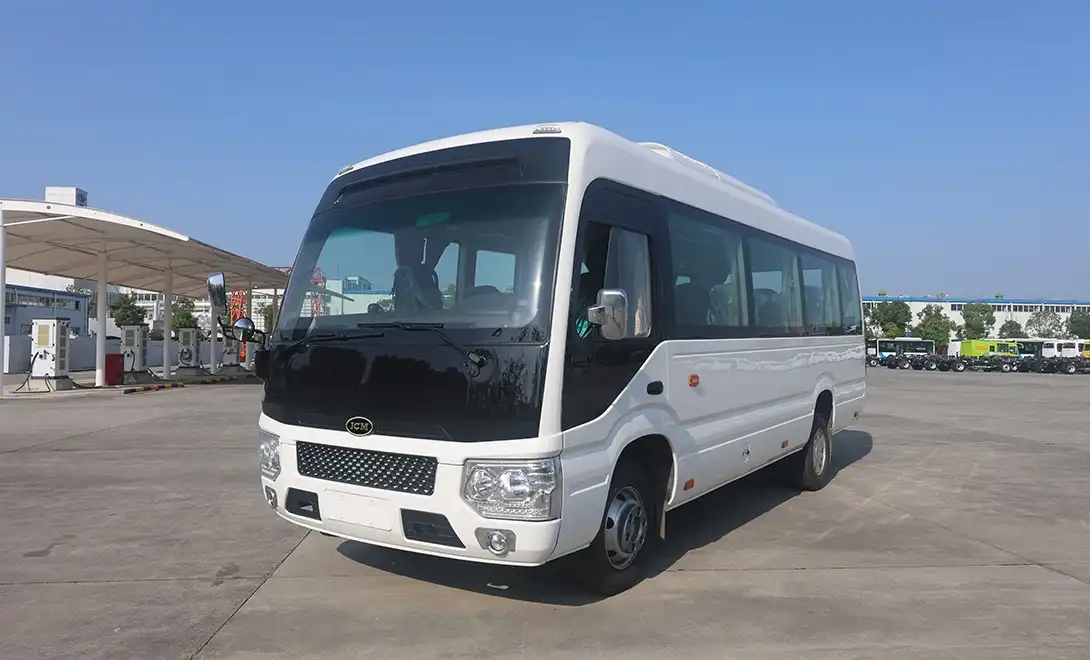
The Coaster platform has diesel engine options that are designed to last and give power in a variety of terrain. The capacity of an engine is usually between 4.0 and 5.0 liters, which gives it enough power to run at full load while still using a decent amount of fuel. Some places get gasoline versions that are made to work with the fuel that is available and the prices that are used there.
Mini coaches that are in competition offer a range of powertrains, such as boosted diesels, compressed natural gas systems, and, more and more, hybrid or all-electric drivetrains. These options take into account different operating priorities, like meeting emission standards in urban areas, lowering fuel costs, or staying in line with the company's sustainability goals.
Different factors, like car weight, aerodynamic shape, and engine technology, have a big effect on how much fuel a vehicle uses. In mixed driving situations, the Coaster usually gets 8 to 12 kilometers per liter. Lighter rivals may show better fuel economy numbers. In reality, though, usage rests a lot on how drivers act, how they plan their routes, and how well they take care of their cars.
Handling and Maneuverability Characteristics
The Coaster's frame is designed to be stable and easy to control on a variety of road surfaces. It can get through fairly crowded urban areas thanks to its turning radius, and it keeps passengers comfortable during turns. When you tune your suspension, the ride quality is more important than how well it handles.
Different minibuses may have stronger suspensions for high-speed operations on the highway or softer versions for a more comfortable ride for high-class passengers. Changes in wheelbase affect both how well the vehicle can turn and how flexible the inner plan can be. Teams in charge of buying things should look at normal working conditions to make sure that the way vehicles move fits with the needs of the route.
Interior Features and Passenger Comfort
Seating Ergonomics and Layout Options
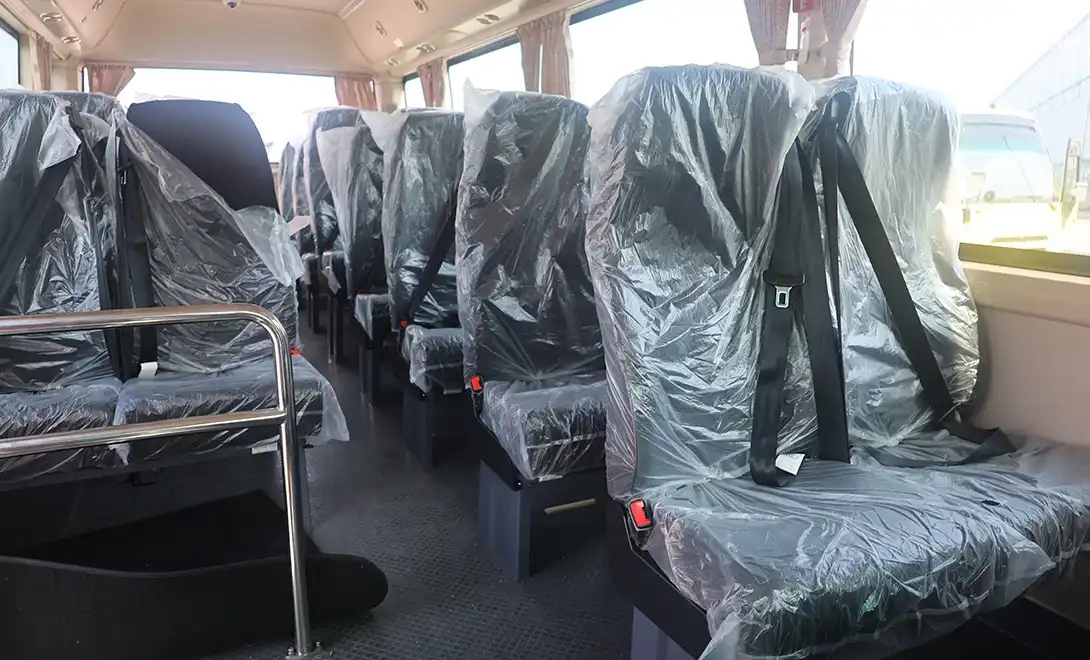
The Toyota Coaster style bus stands out from many competitors due to its interior design philosophy. Standard configurations feature forward-facing seats with moderate cushioning that can recline, while the aisle allows passenger movement during boarding and travel—though higher-density layouts may reduce aisle space to maximize seating capacity.
Premium minibuses have better seats with leather padding, more space, and extras like reading lights or USB charging ports for each passenger. These improvements are aimed at high-end shuttle services or corporate transportation needs where higher costs are justified by better customer comfort.
Accessibility issues are becoming more and more important in home design. Low-floor entryways, wheelchair restraint systems, and special seating places for older travelers all meet the standards of many procurement markets. It costs more to add these features after the fact than to do it in the first place, so setting the specifications is very important during the initial purchase.
Climate Control and Entertainment Systems
For mild temperatures, the Coaster usually has air conditioners on the roof that are big enough to cool the passenger vehicles. Some markets offer built-in heaters in the back for use in cold weather. How well temperature control works affects how happy passengers are on long trips.
More advanced minibuses might have climate systems with multiple zones that let the driver and passengers set the temperature separately. There are many types of entertainment devices, from simple radios to built-in screens that can play videos and make messages to passengers. These improvements make the service seem better, but they also make upkeep more complicated.
The quality of the audio system and where the speakers are placed affect how passengers hear educational or entertainment programs. Professional operators often ask for improved parts when they're buying so that everyone in the cabin can hear each other clearly.
Safety Technologies and Maintenance Requirements
Toyota uses tried-and-true safety features like anti-lock brakes, stability control, and structure strengthening to keep people safe in case of an accident. These features meet the rules in the biggest places for buying things and help lower the cost of insurance.
Routine repair is done at set times, and the needs for service are spelled out in detailed instructions. Common parts like brake pads, filters, and fluids use parts that are easy to find and that approved service shops sell. This parts supply cuts down on car downtime compared to platforms that aren't used as often and need longer lead times to get parts.
Newer safety features, such as collision warning systems, lane departure alarms, or advanced driver aid features, may be added to competing cars. These technologies might make things safer, but their long-term dependability and service costs need to be looked at when doing a total cost of ownership study.
Comparative Procurement Factors for B2B Buyers
Pricing Structures and Financial Considerations
The Toyota Coaster style bus carries an initial price that reflects Toyota’s established brand reputation and high manufacturing standards. Base models suitable for shuttle operations are typically priced within the mid-range commercial vehicle segment, though regional import duties, local taxes, and customization options can significantly influence the final delivered cost.
Standard minibuses have a wider range of prices. Manufacturers who focus on a low price point offer products with fewer features to attract buyers who care about price, while upscale names sell products with more features at higher prices. Cost differences must be weighed by procurement managers to see if they are linked to real operating benefits or just brand positioning.
Getting financing through approved dealer networks or third-party lenders lets you grow your fleet without having to spend a lot of money. Lease structures let groups treat business expenses in a way that they like. Interest rates and loan terms depend on the buyer's credit score and the state of the local financial market.
After-Sales Support and Service Networks
Toyota's world service infrastructure lets them do repairs and maintenance in all of the big buying areas. Authorized service shops keep common replacement parts on hand and hire techs who know how to do things in a way that is specific to Coasters. This network density makes it easier for owners to manage teams that are spread out geographically.
Different makers show varying levels of service area quality. Support networks for well-known commercial car brands are similar to those of newer competitors, which may rely on third-party schools that don't have the right training. Service capability gaps cause practical risks that should be taken into account when evaluating procurement.
Total cost estimates are affected by the terms of the warranty coverage. Comprehensive engine guarantees lower your financial risk during the first few years you own a car, and buying an extended warranty transfers the risk of long-term repairs to the maker. When comparing guarantee terms, it's important to pay close attention to the limits of coverage and the claim process.
Resale Value and Total Ownership Cost
The Coaster has a strong selling value in established markets because it is known to last a long time and be reliable. Fleet managers can get back a lot of the money they spent on cars when they are retired after 8 to 12 years of normal use. When you look at the total cost of ownership over a vehicle's life, this leftover value lowers it.
Less well-known minibus names lose value faster, especially in places where buyers don't know much about them or where there are problems with the service infrastructure. When making a purchase choice, residual value estimates should be used to correctly compare different platforms on the same financial grounds.
The total cost of ownership includes the purchase price, the residual value, the amount of fuel used, the frequency of upkeep, the cost of finance, and the cost of insurance premiums. Vehicles with slightly higher starting prices may be more cost-effective when looked at over their entire ownership terms.
Customization, Brand Reliability, and Future Prospects
Modification Possibilities and OEM Capabilities
The Toyota Coaster style bus platform offers extensive customization options, from seat layout adjustments to exterior modifications. Numerous modification facilities worldwide have used this chassis to create mobile medical units, luxury VIP transports, and specialized tourist vehicles, giving buyers a wide range of choices to tailor the bus to their specific needs.
Fleet workers who need non-standard setups will benefit the most from learning about these possible changes. JCM specializes in working with the whole car industry chain to create custom solutions that meet the needs of each business. Our engineering teams work directly with customers to create standards that are specific to each application. This could include custom seating layouts, better climate control systems, or technology packages that are all combined.

Standard small coach bases range in how easy they are to change. Some makers make it easy for customers to customize their products by giving modification partners open base designs and technical help. Others stick to strict requirements that make adaptations harder. When choosing a platform, buyers who think they will need to change it in the future should think about how flexible it is.
Brand Credibility and Quality Assurance
Toyota's quality control systems are in line with world standards like ISO certifications and standards just for cars like TS16949. These models make sure that the quality of the products is always the same and that there are structured ways to keep improving them. When purchasing managers look for sellers with a history of quality, they find ones that meet the needs of their own companies.
JCM has strict quality control standards for both the design and production processes. This helps clients who need compliance certificates and proof documents. Our factories in Shiyan and Xiamen use full quality control systems that keep track of every part from the first design to the final delivery. This makes sure that everyone in the supply chain is honest and responsible.
New minibus makers are using similar quality standards more and more, though the level of maturity of implementation varies. When considering less well-known providers, buyers should ask for proof of certification and think about facility checks, especially for big fleet contracts or applications with important safety effects.
Industry Trends and Innovation Trajectories
There is more and more pressure on the commercial car industry to switch to electric vehicles and lower their pollution. Toyota is still working on different engine choices for the Coaster platform, such as hybrid versions that can be used in cities where there are a lot of stop-and-go traffic situations. These changes are in response to legal trends in big procurement areas.
JCM already has pure electric buses, hydrogen fuel cell buses, and transportation trucks that are built around new energy technologies in its product line. Our Surfing car industry chain platform brings together global knowledge, which lets us respond quickly to changes in the market. We help our customers make the switch to more environmentally friendly transportation options by providing full support for planning, production, shipping, and management throughout the product's lifecycle.
Different standard minibus makers show different amounts of commitment to electric power. Some are working hard to develop battery-electric systems, while others are still focusing on making standard powertrains better. When considering car systems, procurement strategies should think about both short-term practical needs and long-term environmental goals.
Conclusion
It's important to think carefully about practical responsibilities, budget limits, and long-term strategy goals when deciding between the Toyota Coaster Style Bus and standard mini coaches. Fleet owners who want to minimize risk will like the Coaster because it has a history of dependability, full service support, and high leftover values. Alternative minibuses offer a range of choices for particular needs, such as high-end transportation, operations with a lot of people, or specific uses. Procurement choices that are good combine the original costs with the economics over the whole lifetime, the need for flexibility, and the ability to support a brand. We at JCM are ready to help buyers around the world who are looking for customized solutions. We use our "whole industry chain" method to get you cars that exactly match your business needs and market positioning.
FAQ
How does the Toyota Coaster Style Bus compare in reliability to other mini coach options?
Based on decades of operational data from a wide range of global markets, the Toyota Coaster has very high uptime ratings. Its reliable chassis design and tried-and-true engine parts help make repair times longer and maintenance costs more predictable. When it comes to reliability, competing minibuses are very different. Well-known commercial vehicle makers tend to meet Toyota's standards, while newer producers need to be looked at more closely to make sure they can last for a long time.
What maintenance practices extend Toyota Coaster Style Bus longevity?
For a car to last as long as possible, it's important to do regular preventative repair according to the manufacturer's instructions. Important habits include changing the engine oil and transmission fluid at the right times, checking the brake system, and keeping the cooling system in good shape. Parts last longer if you keep cars within their design limits for load capacity and don't let them idle for long periods of time. Working with approved service shops makes sure that only original parts are used and that the right repair methods are followed.
Are financing options available for international Toyota Coaster Style Bus procurement?
There are a number of funding options available for buying business vehicles across borders. Finance companies that work with manufacturers offer direct loan programs with low rates to approved buyers. Regional banks offer asset-based loans that are backed by car titles. Operating cost preferences can be met by leasing through specialized business vehicle lessors. Terms depend on where the buyer lives, their reputation, and the amount of orders they place.
Partner with JCM for Your Custom Mini Coach Solutions
As a trusted Toyota Coaster Style Bus provider, JCM can make a lot of changes to meet the specific needs of B2B clients around the world who work in the business transport, fleet operations, and vehicle modification industries. Our way of thinking about the whole industry chain allows for quick prototyping, flexible production numbers, and full lifecycle support, from the planning phase to service after the sale. We offer localized knowledge along with international quality standards thanks to R&D bases ideally placed in Asia and operational centers that serve the Middle East, Europe, and other places.
Our engineering teams work directly with your project managers to come up with the best solutions, whether you need custom sitting arrangements, technology systems that work with other systems, or full production line solutions that include SKD kits and assembly parts. Email our team at info@jcm-star.com to talk about your unique Toyota Coaster Style Bus needs and find out how our custom car solutions can help you run your business more efficiently and compete in the market.
References
1. Commercial Vehicle Market Analysis: Global Mini Coach Segment Trends and Buyer Preferences, International Journal of Automotive Research, 2023.
2. Toyota Coaster Technical Specifications and Service Manual, Toyota Motor Corporation Commercial Vehicle Division, 2022.
3. Total Cost of Ownership Methodologies for Commercial Fleet Procurement, Society of Automotive Engineers Technical Paper Series, 2023.
4. Comparative Safety Performance Analysis of Medium-Duty Passenger Vehicles, National Highway Traffic Safety Administration Research Report, 2022.
5. Customization Strategies in Commercial Vehicle Manufacturing: Case Studies from Global OEM Partners, Automotive Industry Supply Chain Journal, 2023.
6. Electrification Pathways for Commercial Passenger Transport: Technology Assessment and Market Adoption Forecasts, Clean Transportation Research Institute, 2024.

Based on your vehicle requirements, we will quickly match the most suitable specifications and provide a competitive quote.
_1755581003287.webp)
Global Customized


_1756108840480.webp)
_1755854765757.webp)