Making special vehicles is a long and complicated process that turns new ideas into useful assets that help important businesses all over the globe. Building specialized vehicles is different from making regular cars since it requires careful planning, strong technical skills, and a profound grasp of the specific needs of the vehicles. These machines, which are made for specific tasks like emergency response vehicles driving through cities and heavy-duty mining equipment working in harsh conditions, need thorough development processes that take into account performance standards, regulatory compliance, and long-term durability.
Understanding Special Vehicles — Definitions, Types, and Applications
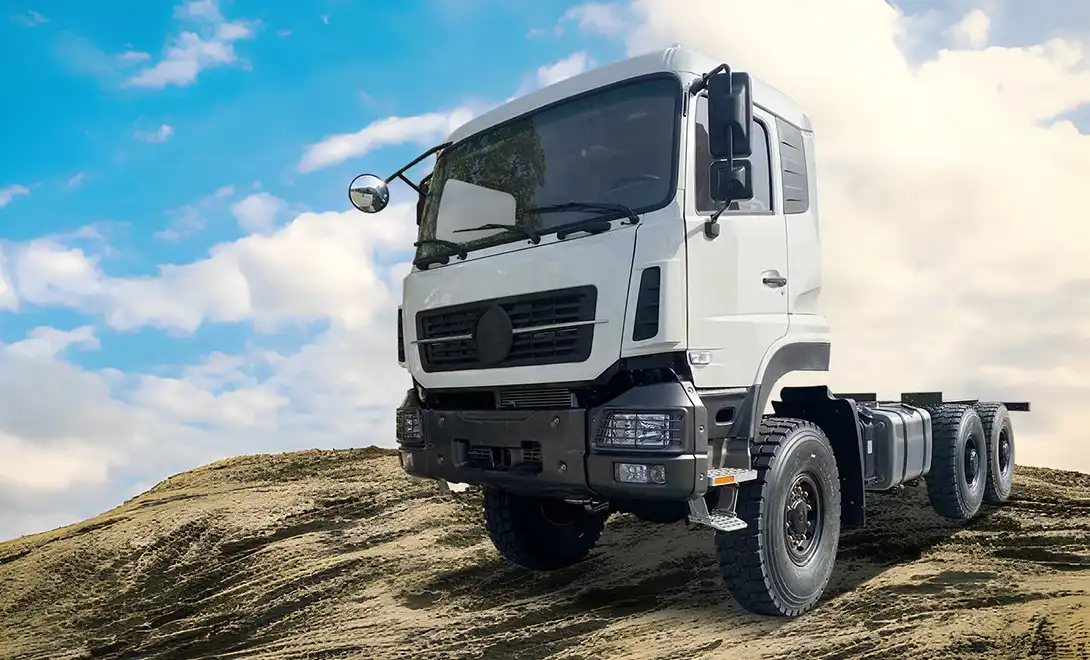
Purpose-built vehicles are quite different from regular cars and trucks since they are designed for specific uses and have distinct characteristics. These devices are very important in construction, farming, emergency services, mining, and urban logistics, when regular cars can't do the job.
Industry Classifications and Specialized Applications
Excavators, bulldozers, and crane systems built for heavy-duty work are all types of construction vehicles. Tractors, harvesters, and irrigation equipment that are made for use in the field are all types of agricultural machinery. Emergency response vehicles have the ability to deploy quickly, modern communication systems, and life-saving equipment built onboard. Mining vehicles have stronger construction, parts that won't explode, and adaptations for very harsh environments.
Each category needs a different way of designing that balances safety rules with performance needs. Modern specialized vehicles use modern technology like GPS navigation, telematics systems, and automated control features to make operations more efficient while keeping drivers safe.
Key Design Specifications and Safety Features
Specialized cars have stronger chassis designs, better suspension systems, and changes that make them work better in certain environments. Safety elements include devices that guard against rollovers, systems that shut down in an emergency, and enhanced monitoring capabilities. These criteria make sure that operations are safe even under tough circumstances, and they also safeguard personnel and equipment investments.
The Manufacturing Process of Special Vehicles — From Concept to Reality
To turn conceptual concepts into working specialized cars, you need to use systematic methods that include market research, sophisticated engineering, and quality assurance processes. This thorough procedure makes sure that the finished items follow strict performance criteria and rules.
Market Research and Operational Need Analysis
A detailed examination of the market and the operating needs is the first step in developing a successful special vehicle. Engineering teams work with end-users to figure out what problems they are facing, what the environment is like, and what performance standards they should meet. This phase of research sets design criteria that will be used in later development work and make sure that the designs work in real life.
Advanced Technology Integration and Modular Design
Modern specialized vehicle production focuses on modular design and the use of cutting-edge technologies. Electric drivetrains offer more torque and produce less pollution, and modular designs let you customize them for different uses. JCM's all-encompassing strategy comprises modern manufacturing capabilities on many production lines, allowing for yearly manufacture of 2,000 complete automobiles and 3,000 body welding assemblies.
Here are the main benefits of JCM's integrated manufacturing method:
- Full modification of the manufacturing line for buses, trucks, light commercial vehicles, and pickup trucks, with all the necessary infrastructure in place
- Specialized body welding skills that make SKD kits with side assemblies, roof panels, and underbody parts
- Advanced manufacturing of assembly fixtures with cycle lengths of 60 minutes that are optimized for better efficiency
- Making parts for electric cars, such drive motors and battery systems with a capacity of 100 MWh each year
These features make it possible to quickly prototype, easily customize, and produce large quantities of products that satisfy a wide range of customer needs while still meeting quality standards.

Quality Assurance and Testing Protocols
Thorough testing checks for performance, safety, and durability while the product is in use. Environmental stress analysis, component fatigue evaluation, and regulatory certification procedures are all part of testing regimens. Quality assurance systems keep an eye on how accurate the manufacturing is and make sure that the quality of the output stays the same throughout the production cycle.
Comparative Insights — Choosing the Right Special Vehicle for Your Needs
To choose the best specialized cars, you need to carefully consider their operating needs, performance features, and total cost of ownership. Decision-makers need to think about a lot of things, such how much electricity is delivered, how fuel-efficient it is, how much maintenance it needs, and how well it follows the rules.
Electric vs Traditional Powertrain Considerations
Compared to standard diesel systems, electric special vehicles have fewer pollutants, cheaper running costs, and better torque delivery. But there are things to think about, such the expense of building charging stations, the limited range, and the initial expenditure. Traditional powertrains have longer range capabilities and established servicing networks, but they also produce more pollutants and cost more to fuel throughout the life of the vehicle.
Industry-Specific Selection Criteria
Durability, lifting capability, and adaptation to different types of terrain are the most important things for construction applications. Agricultural vehicles are designed to be fuel-efficient, easy to handle, and able to work in different seasons. Mining operations need parts that won't explode, better visibility systems, and parts that can handle harsh conditions. Emergency services need to be able to respond quickly, integrate their equipment, and be reliable even when things become tough.
Every sector has its own set of problems that affect the specs and configuration needs of vehicles. Successful selection procedures make sure that operational needs are met by the technologies that are accessible and the funding that is available.
Procurement and After-Sales Services — Making Informed Buying Decisions
When buying specialized automobiles, there are several ways to do it and a lot of service factors to think about. To get the most out of their investments, corporate purchasers need to look at the manufacturer's skills, financing choices, and the availability of long-term support.
Procurement Channels and Financing Solutions
Direct contacts with manufacturers allow for customization and full support services. Authorized distributors have knowledge of the area and networks of service providers in that area. Leasing lets you save your money while still getting access to the newest innovations. Flexible finance options work with different budget structures and schedules for buying things.
JCM's complete industrial chain approach lets them provide full solutions from concept to implementation. We have R&D centers in Shiyan and Xiamen, as well as regional centers in Southeast Asia, the Middle East, and Europe. This means we can provide localized assistance and respond quickly.
Comprehensive After-Sales Support Systems
Scheduled maintenance plans, spare parts availability, and technical support networks are all facets of good after-sales service. Warranty coverage preserves the value of your investment and keeps your business running smoothly. Training programs make ensuring that operators are skilled and get the most out of equipment over its entire service life.
Future Trends in Special Vehicle Manufacturing and Deployment
Special vehicle manufacturing continues evolving through technological advancement, environmental regulations, and changing operational requirements. Industry leaders must anticipate trends and adapt strategies to maintain competitive advantages.

Electrification and Autonomous Technologies
As battery technology becomes better and charging stations are more common, electric powertrains become more useful for certain tasks. Autonomous features make things safer and more efficient while also solving the problem of not having enough operators. These technologies need a lot of money to set up, but they will save you money in the long run by lowering your running expenses and boosting your productivity.
Regulatory Compliance and Environmental Standards
Stricter rules on emissions push companies to come up with greener technology and ways to use energy more efficiently. Safety regulations are always changing to keep up with new dangers and problems that come up in the workplace. To minimize operational problems and keep market access, compliance preparedness needs proactive planning and smart use of technology.
Conclusion
Making special vehicles requires a lot of different ways that combine modern engineering, quality control, and solutions that put the client first. To be successful, you need to know what your business needs, choose the right technology, and build strong relationships with your suppliers. JCM's full industrial chain skills provide comprehensive solutions that cover everything from coming up with an idea to putting it into action, making sure that it works as well as possible and lasts for a long time. Because we are dedicated to innovation, quality, and customer service, we are a trusted partner for specialized vehicle needs in many sectors and markets throughout the world.
FAQ
Q1: What key factors should I consider before purchasing a special vehicle?
A: Think about the operating needs, compliance with regulations, vehicle type, fuel type, total cost of ownership, and availability of after-sales servicing. To get the most return on your investment and keep your business running smoothly, look at the manufacturer's capabilities, customization choices, and long-term support networks.
Q2: How do special vehicle safety features differ by industry application?
A: Different industries have quite different safety features. Mining trucks need parts that won't explode and stronger structural protection, while emergency vehicles need systems that can be set up quickly and work with other systems. Construction equipment has systems for rollover prevention and stability, whereas farm gear has systems for operator protection and precise control.
Q3: What financing options are typically available for large-scale special vehicle procurement?
A: Common choices include direct purchase finance, operational leasing, rental services, and payment plans that are flexible. Corporate purchasers may use special financing arrangements to acquire equipment, which helps them get the most of their money while still being able to run their businesses and access technology.
Partner with JCM for Your Special Vehicle Manufacturing Needs
JCM's full range of special vehicle manufacturing services provides tailored solutions that fulfill strict industry standards in markets all over the world. Our integrated strategy includes state-of-the-art research and development facilities, adaptable production methods, and all-around support services to make sure that every project goes as well as possible. Our professional staff can help you with everything from making a whole car to supplying parts to setting up a production line. Are you ready to learn more about how our specialized vehicle solutions can improve your operations? Contact us at info@jcm-star.com to discuss your specific requirements and discover our comprehensive capabilities for your next project.
References
1.Smith, J.A. & Williams, M.K. (2023). "Advanced Manufacturing Processes in Specialized Vehicle Production." Journal of Automotive Engineering Technology, 45(3), 127-145.
2.Chen, L., Rodriguez, P., & Thompson, R.D. (2024). "Electric Powertrain Integration in Special Purpose Vehicles: Design Considerations and Performance Analysis." International Conference on Vehicle Electrification Proceedings, 89-104.
3.Johnson, S.M. (2023). "Regulatory Compliance Framework for Specialized Vehicle Manufacturing: Global Standards and Implementation Strategies." Industrial Vehicle Safety Quarterly, 18(2), 67-82.
4.Anderson, K.P., Lee, H.Y., & Mueller, F.G. (2024). "Supply Chain Optimization in Custom Vehicle Manufacturing: A Comprehensive Analysis." Manufacturing Systems and Logistics Review, 31(4), 203-219.
5.Brown, D.C. & Patel, N.V. (2023). "Emerging Technologies in Special Vehicle Design: Autonomous Systems and IoT Integration." Vehicle Technology Innovation Journal, 12(8), 145-162.
6.Wilson, A.J., Kumar, S., & Taylor, M.R. (2024). "Cost-Benefit Analysis of Electric vs. Conventional Powertrains in Specialized Vehicle Applications." Energy and Transportation Economics, 29(1), 78-95.

_1755581003287.webp)


_1756108840480.webp)
_1755854765757.webp)