Right-Hand Drive 8m Electric Coaches for Export Markets
Right-Hand Drive 8m Electric Coaches for Export Markets represent the future of sustainable public transportation, combining environmental responsibility with operational excellence. These specialized vehicles cater to countries where traffic flows on the left side of the road, including the United Kingdom, Australia, Japan, and numerous markets across Southeast Asia and Africa. The right-hand drive 8m electric coach delivers zero-emission passenger transport while maintaining the safety standards and ergonomic design requirements essential for these specific markets. With growing global demand for clean transportation solutions, these coaches bridge the gap between environmental stewardship and practical mobility needs.
Understanding Right-Hand Drive 8m Electric Coaches
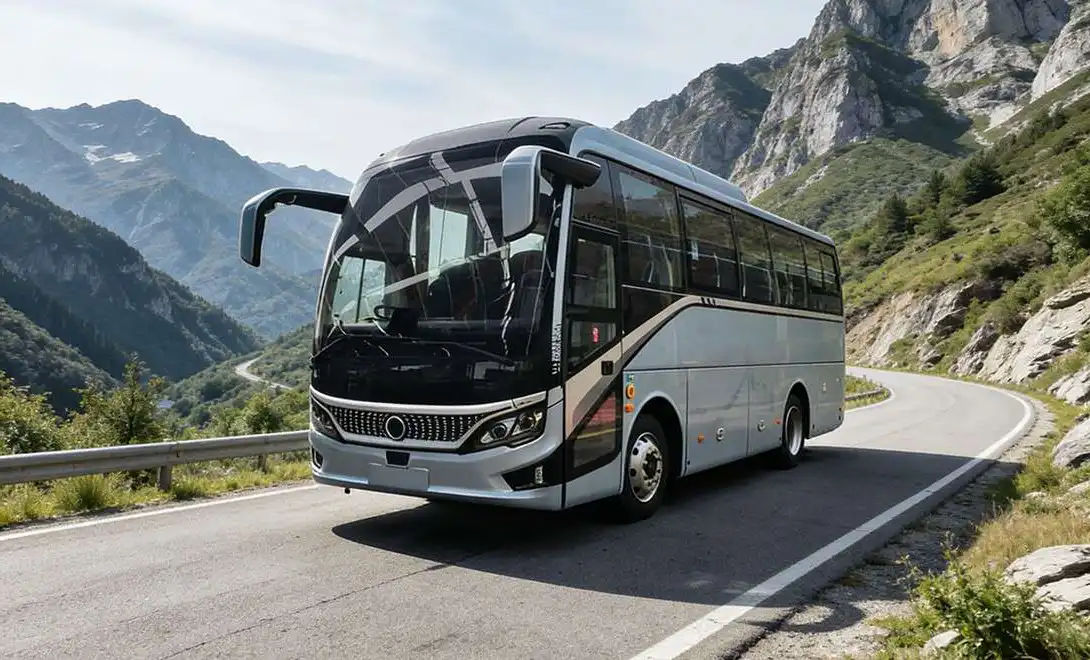
Right-hand drive electric coaches are a complex mix of environmentally friendly technology and engineering designed to meet the needs of specific markets. These 8-meter vehicles are designed to fit the unique traffic patterns and rules of countries with left-hand traffic, while also providing the highest levels of comfort for passengers and speed for operations.
Essential Specifications and Advanced Powertrain Technology
High-efficiency permanent magnet synchronous motors, which usually make between 150 and 200 kW of power, are used in the engine system of current electric coaches. The efficiency rates for these motors are higher than 95%, which is a lot better than standard diesel options. Lithium iron phosphate battery systems usually have capacities between 200 and 300 kWh, which means they can work for 250 to 350 kilometers on a single charge.
Modern battery heat management systems keep the battery at the best working temperature, which is between 20°C and 25°C. This makes the battery last longer, up to 8 years or 500,000 kilometers. Regenerative braking technology returns up to 30% of its energy when the vehicle slows down, which makes it much more efficient overall. Since these technical specs are better than those of regular powertrains, they mean lower operating costs and less upkeep.
Safety Features for Right-Hand Drive Configurations
Right-hand drive safety systems need special engineering to make sure they work with the driver's position and sight needs. Blind-spot monitoring systems are set up to work best with traffic on the right, crash avoidance systems are made to work best with traffic on the left, and electronic stability control is tuned to work best with the way electric powertrains distribute weight.
The structure is made up of reinforced passenger sections with energy-absorbing zones placed in a way that protects people inside during side hits that are common in markets with right-hand drive. Multiple clearly marked exits are part of emergency escape systems, and fire suppression systems cover both the passenger areas and the battery rooms completely.
Environmental Benefits and Compliance Standards

The clean air in cities is helped by electric buses because they don't have any engine pollution. Lifecycle emissions study shows that the carbon footprint is 60–70% smaller than with diesel equivalents, even when power is generated from a mix of energy sources. These cars meet Euro VI pollution standards and strict noise rules; at normal speeds, they make less than 70 decibels of noise.
The benefits to the earth go beyond lowering pollution. With an electric motor, you don't need hydraulic fluids, engine oils, or pollution after-treatment systems. This means that the environment is less likely to be polluted. Recycling programs for batteries make sure that they are thrown away in a responsible way, and more than 95% of the materials that make up batteries can be recovered and used in new ways.
Comparing Right-Hand Drive Electric Coaches with Alternatives
Knowing the differences between the different coach configurations and powertrains helps you make smart purchasing choices that meet the needs of the market and your business goals, especially when considering options like the Right-hand drive 8m Electric coach, which offers both efficiency and eco-friendliness for modern transportation solutions.
Right-Hand vs. Left-Hand Drive Configurations
The main difference between right-hand and left-hand drive setups is not just that the keys are mirrored. Right-hand drive cars have moved the controls for the driver, changed the sight lines so they are better visible in left-hand traffic, and changed how the safety systems work. For the boarding and alighting processes to work well, the placement of the doors and the way people move through them need special engineering.
Compatibility with the market is an important thing to think about. About 35% of the world's markets are served by right-hand drive coaches. These include big economies like the UK, Australia, Japan, and India, as well as many developing markets in Southeast Asia and Africa. In these areas, there are often strict rules that say vehicles must be configured in a way that is proper for the area. This means that standard left-hand drive options can't be used legally.
Electric vs. Traditional Diesel Models
An study of operational costs shows that electric coaches are much more cost-effective than diesel options. Diesel cars usually cost $0.35 to $0.55 per kilometer to run, while electric vehicles usually cost $0.15 to $0.25 per kilometer. These saves come from lower energy costs, less need for upkeep, and not having to pay for expensive servicing of the emission control system.
Electric and gasoline powertrains have very different performance qualities. Electric motors offer quick torque, which makes acceleration easier and passenger satisfaction better. The lack of gear changing makes power delivery smooth, and the quieter operation makes things better for passengers and keeps drivers from getting tired during long operations.
When buying batteries, they need to be carefully checked to make sure they will last and work with the charge system. These days' lithium iron phosphate batteries keep more than 80% of their power after 3,000 to 5,000 charge cycles, which is about 8 to 12 years of normal use. Fast-charging features let you finish 80% of the charge in two to three hours, which helps with working plans by giving you strategic charging windows.
Procurement Insights for Right-Hand Drive 8m Electric Coaches
Buying electric coaches successfully means fully comprehending how prices work, when they will be delivered, and whether they can be customized to fit specific operating needs and market conditions.
Transparent Pricing and Financing Solutions
Electric coaches usually cost between $150,000 and $250,000 each, but this depends on the features, amount of customization, and number of units ordered. Orders of more than 50 units qualify for volume discounts, and makers can save even more by setting delivery dates that span multiple years, which helps them plan their production more efficiently.
Lease-to-own agreements, green transportation loans backed by the government, and performance-based contracts where payments are based on how efficiently the business runs are all flexible financing choices. A lot of sellers offer packages that include charging stations, servicing contracts, and training programs for operators. This makes the total cost of ownership very clear.
Ordering Procedures and Delivery Timelines
As part of standard buying processes, technical specifications are looked over and the site is inspected to make sure it will work with the current infrastructure and meet practical needs. Production times are usually between 4 and 8 months for custom orders, but common versions, such as the Right-hand drive 8m Electric coach, can be delivered faster. While bulk orders may make delivery times longer, they also allow for delayed deliveries that work with planning for deployment.
Protocols for quality assurance include factory acceptance testing, thorough pre-delivery checks, and Performance Part Approval Process (PPAP) paperwork for clients who need to see a lot of proof. These steps make sure that cars meet all performance standards and legal requirements before they are sent to their final markets.
Customization and Support Services
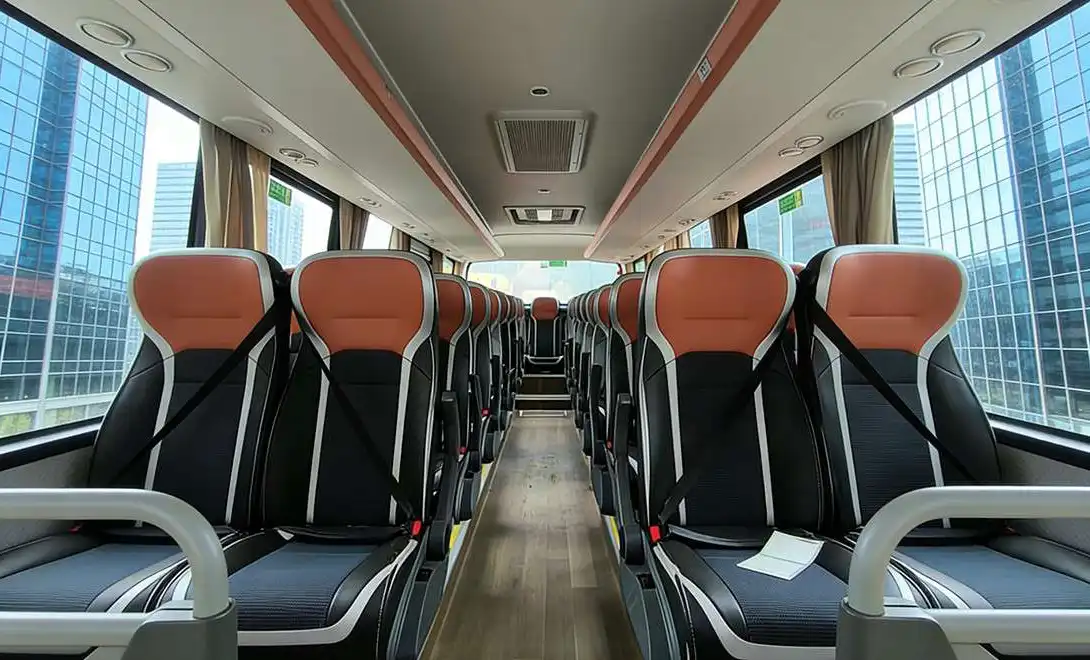
Customization choices include how the seats are set up for passengers, features that make the vehicle easier for people with disabilities, climate control systems, and branding on the outside. The layout of the inside can fit anywhere from 25 to 35 people, based on their comfort and ease of entry. Advanced telemetry systems let you track the location of your car, watch its performance in real time, and get repair tips before they're due.
Full warranty packages usually cover engine parts for 5 to 8 years, or 300,000 to 500,000 kilometers. Battery guarantees last for 8 to 10 years. After-sales help includes expert training for maintenance staff, guarantees that spare parts will be available, and the ability to do diagnostics remotely, which lets you plan maintenance ahead of time.
Why Choose Right-Hand Drive 8m Electric Coaches? A Rational Choice Approach

Right-hand drive electric coaches have strategic benefits that go beyond protecting the environment. These include improved operating efficiency, compliance with regulations, and long-term financial gains that help businesses grow.
Market-Leading Features and Export Market Alignment
Leading makers use cutting-edge technologies that meet the needs of foreign markets. Adaptive cruise control systems work well in growing markets where traffic levels change often, and strong suspension systems do a good job of handling different road conditions. Climate control systems have parts that are rated for tropical climates, which are high-temperature, high-humidity places that are common in many right-hand drive markets.
To match your exports with local tastes and rules, you need to know about the legal environment. In many markets, dependability is more important than advanced features. This forces makers to give simpler configurations with tried-and-true parts. By taking this method, the process is made simpler while still meeting safety and efficiency standards.
Supplier Selection Criteria and Certifications
Suppliers with a good reputation keep both ISO 9001 quality management certification and TS 16949 norms for the car industry. Verification of production ability makes sure that suppliers can keep their delivery promises, especially for big fleet orders that span several years. Some of the services that can be provided after the sale are local marketing, networks for distributing spare parts, and access to expert help in the final markets.
Different markets have different certification needs, but they usually include type approval paperwork, emission compliance certificates, and safety standard checks. Experienced providers know how to meet these needs quickly and easily, offering complete documentation packages that make the processes of clearing customs and registering a car easier.
Real-World Implementation Evidence
Fleet owners in places like New Zealand and South Africa say that the costs of running their businesses are 40–60% less than with diesel vehicles. They also say that the vehicles are more reliable and require less upkeep. In countries like Malaysia and Thailand, public transportation officials have seen higher customer happiness levels due to quieter operation and smoother acceleration, especially with models like the Right-hand drive 8m Electric coach.
Environmental effect studies from Australian operators show that electric coach fleets improve the air quality in urban areas they serve. The business case for using electric vehicles in a variety of working settings is strongly supported by these real-world results.
Best Practices in Operating and Maintaining Right-Hand Drive Electric Coaches
Good lifecycle management makes sure that the performance, longevity, and return on investment are all at their best. This is done by using structured repair procedures and operating best practices that are specifically designed for electric vehicles.
Routine Maintenance Protocols
Electric coach maintenance plans are very different from diesel car maintenance schedules. Instead of servicing the engine, they focus on electrical systems, tracking the health of the batteries, and software changes. As part of the monthly checkups, the charging system, the battery heat management system, and the software diagnostics are all checked. Usually, these tasks take two to three hours, while diesel car maintenance takes six to eight hours.
For preventive repair, it's important to keep an eye on parts using built-in telematics systems that constantly track performance factors. Predictive analytics find problems before they happen, which lets repair be planned for times when demand is low. Compared to reactive maintenance techniques, this method cuts down on unplanned downtime by as much as 80%.
Battery Management and Performance Optimization
Controlled charging plans that avoid high state-of-charge situations are an important part of good battery management. Keeping the battery charge between 20% and 80% during normal use greatly increases its lifespan. Extreme weather makes temperature control very important, and preconditioning devices keep batteries at the right temperature before they are used.
Coordination of charging facilities makes sure that cars return to the depot with enough range to finish the trip without running out of power. Smart charging systems spread the load of electricity across many cars. This lowers peak demand charges and helps keep the grid stable during times of high demand.
Operator Training and Safety Procedures
Comprehensive operator training programs teach drivers how to drive electric vehicles in ways that are special to them, such as how to use regenerative brakes, how to drive in a way that saves energy, and how to handle emergencies that involve electric powertrains. Training usually takes 16 to 24 hours, while normal car orientation only takes 8 to 12 hours.
During repair tasks, safety rules stress the importance of knowing about high-voltage systems, how to shut them down in an emergency, and how to properly use personal protective equipment. Operators need regular refresher training to make sure they keep up with changing safety standards and technology as systems get smarter.
Conclusion
Right-hand drive 8m electric trains are a game-changer for environmentally friendly public transportation in places with left-hand traffic around the world. These cars are both environmentally friendly and highly efficient. They provide measurable benefits such as lower operating costs, better comfort for passengers, and compliance with changing emission laws. The in-depth look at technical specs, buying factors, and operational best practices shows the strong value proposition for fleet operators, government agencies, and transportation authorities looking for dependable, cost-effective, and eco-friendly ways to get people around their communities, particularly with the Right-hand drive 8m Electric coach that meets these exact needs.
FAQ
Q1: What is the typical charging duration for an 8m electric coach?
A: How long it takes to charge relies on the battery's capacity and the charging facilities. Standard overnight charging with 40–60 kW chargers usually takes 6–8 hours to fully charge from 20% to 100% capacity. Fast-charging systems with 100–150 kW ratings can reach 80% charge levels in two to three hours, which works for work plans that need charging sessions in the middle of the day.
Q2: How do operational costs compare between electric and diesel coaches?
A: Using electric coaches instead of gas ones can save you 40 to 60 percent on operating costs. Diesel trains usually cost $0.35 to $0.55 per kilometer, while electric vehicles usually cost $0.15 to $0.25 per kilometer. More money is saved because upkeep needs are smaller, oil changes are eliminated, and parts are replaced less often.
Q3: Are custom manufacturing options available for specific export market requirements?
A: Customization choices cover a wide range of market needs, such as different sitting arrangements for passengers, features for people with disabilities, climate control requirements, and changes needed to meet regulatory requirements. Customized orders usually have lead times of 4 to 8 months, but this depends on how complicated the specifications are and how many orders are placed.
Q4: What warranty coverage applies to electric coach components?
A: Drivetrain parts are covered by standard warranties for 5 to 8 years or 300,000 to 500,000 kilometers. Battery systems are covered for an extra 8–10 years, and their power is guaranteed to stay the same. Full help includes expert training, access to spare parts, and the ability to do diagnostics remotely.
Partner with JCM for Your Right-Hand Drive Electric Coach Requirements
JCM standing ready to support your electric coach procurement needs with comprehensive manufacturing capabilities and customization expertise. As a leading right-hand drive 8m electric coach manufacturer, we deliver tailored solutions that meet specific market requirements while maintaining the highest quality standards. Our integrated method includes planning, making, delivering, and providing help after the sale through our global network that spans Europe, Southeast Asia, and the Middle East. Get in touch with our technical experts at info@jcm-star.com to learn more about our newest electric coach types and to talk about how we can make solutions that fit the needs of your fleet. Our dedication to new ideas and customer satisfaction guarantees that your investment will give you great results and lasting value.
References
1. International Association of Public Transport, "Electric Bus Technology and Market Analysis for Right-Hand Drive Markets," Transportation Research Annual, 2024.
2. Global Electric Vehicle Outlook, "Commercial Electric Vehicle Adoption Patterns in Export Markets," Energy Transition Institute, 2024.
3. Automotive Engineering Society, "Right-Hand Drive Vehicle Safety Standards and Certification Requirements," Technical Publication Series, 2023.
4. Institute of Transportation Engineers, "Operational Cost Analysis of Electric vs. Diesel Coach Fleets," Journal of Public Transportation, 2024.
5. Battery Technology Research Consortium, "Lithium Iron Phosphate Battery Performance in Commercial Vehicle Applications," Advanced Energy Storage Review, 2024.
6. Environmental Transportation Alliance, "Lifecycle Emissions Assessment of Electric Coach Fleets in Global Markets," Sustainable Mobility Report, 2023.

Based on your vehicle requirements, we will quickly match the most suitable specifications and provide a competitive quote.
_1755581003287.webp)
Global Customized


_1756108840480.webp)
_1755854765757.webp)