The backbone of effective defense operations throughout Africa's many geographies are military vehicle chassis built to handle tough terrain. These unique platforms have to be able to handle harsh environments, from the blistering heat of the desert to muddy jungle roads, rough mountain slopes, and sandy coastal areas. The chassis of a military vehicle is what makes it strong, able to carry a lot of weight, and reliable in places where regular cars typically break down. African operating needs necessitate chassis architecture that emphasizes durable construction, increased ground clearance, and greater shock absorption capabilities to traverse unexpected terrain while ensuring mission readiness.
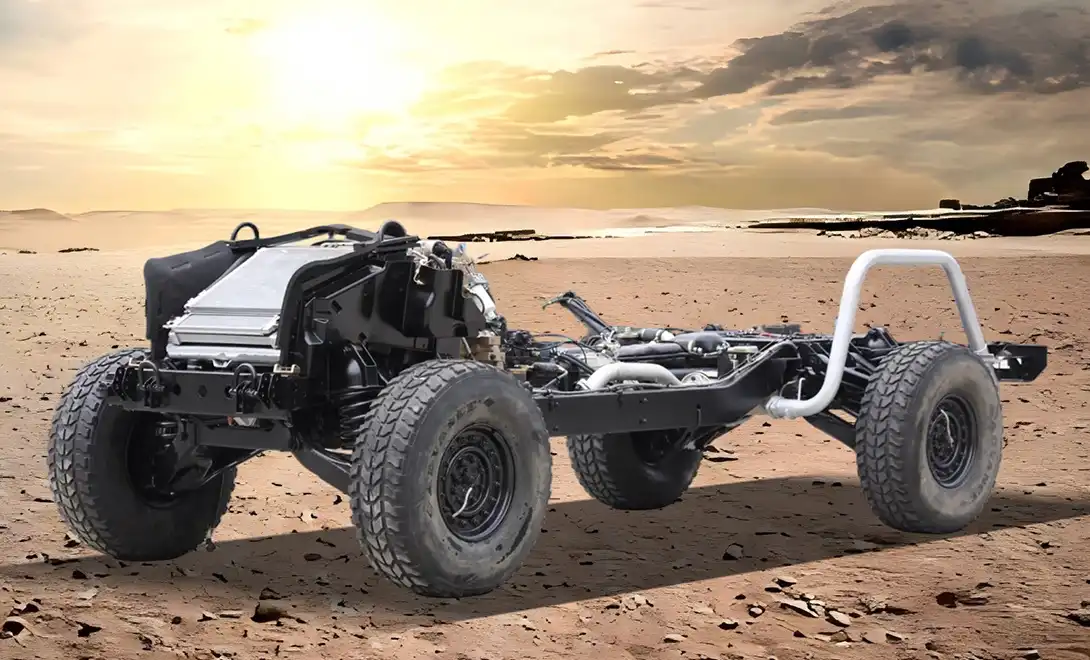
Understanding Military Vehicle Chassis for Off-Road Use in African Terrain
Reliable mobility is the most important part of any successful military mission, hence the chassis design is very important for deployments in Africa. The topography in Africa is different from other places, and normal vehicle platforms don't work well there. Engineers need to come up with new ways to build vehicles that are safe, mobile, and long-lasting.
Essential Design Elements for African Operations
Military chassis made for African circumstances include a few key elements that set them apart from regular platforms. Ground clearance is still quite important. Most specialist units have clearance heights of more than 400mm so they can go over rocky outcrops and deep sand. Suspension systems use complex independent or semi-independent setups that let vehicles move smoothly over rough ground while keeping them stable.
Frame geometry is very important for spreading out weight and taking in impact forces while driving off-road. Modern military chassis are built utilizing either ladder-frame or monocoque construction methods and high-strength steel alloys that don't bend or break when put under a lot of stress. These materials are put through unique heat treatment techniques that make them more resistant to fatigue while keeping the best weight-to-strength ratios for fuel economy and payload capacity.

Materials Engineering and Environmental Adaptation
Advanced materials engineering is needed in Africa because of the high levels of corrosion, harsh temperatures, and exposure to abrasive particles. Military vehicle chassis manufacturers, in particular, utilize galvanized steel parts with specific protective coatings that guard against salt corrosion in coastal areas and chemical damage from alkaline soils that are widespread in certain parts of Africa.
Through strategic ventilation channels and thermal barrier applications, heat management systems are included into chassis design. These systems keep important parts safe from sudden changes in temperature. These technical solutions make sure that the machines work the same way no matter what the weather is like, whether it's in the Sahara Desert where temperatures may reach 50°C or in the highlands where temperatures can drop below freezing in the winter.
Critical Factors When Choosing an Off-Road Military Vehicle Chassis for African Terrain
Choosing the right chassis solutions for deployment in Africa demands a thorough assessment of operating objectives, environmental obstacles, and mission-specific needs. To make sure that vehicles work well and are cost-effective throughout their operating life, procurement managers need to take into account a number of different aspects.
Payload Capacity and Weight Distribution
African military operations typically need to move people, equipment, and supplies across long distances when there aren't many chances to get more supplies. When choosing a chassis, you need to make sure it can handle gross vehicle weights from 8,000 kg for small reconnaissance vehicles to more than 25,000 kg for big transport platforms. Weight distribution systems make sure that the load is evenly distributed, which keeps the vehicle stable during difficult maneuvers.
Modern chassis designs include suspension systems that can be adjusted to fit different load circumstances while still keeping the best ground pressure distribution. This skill is also important while moving across various kinds of terrain on long trips throughout Africa's many distinct regions.
Armored Versus Unarmored Configuration Considerations
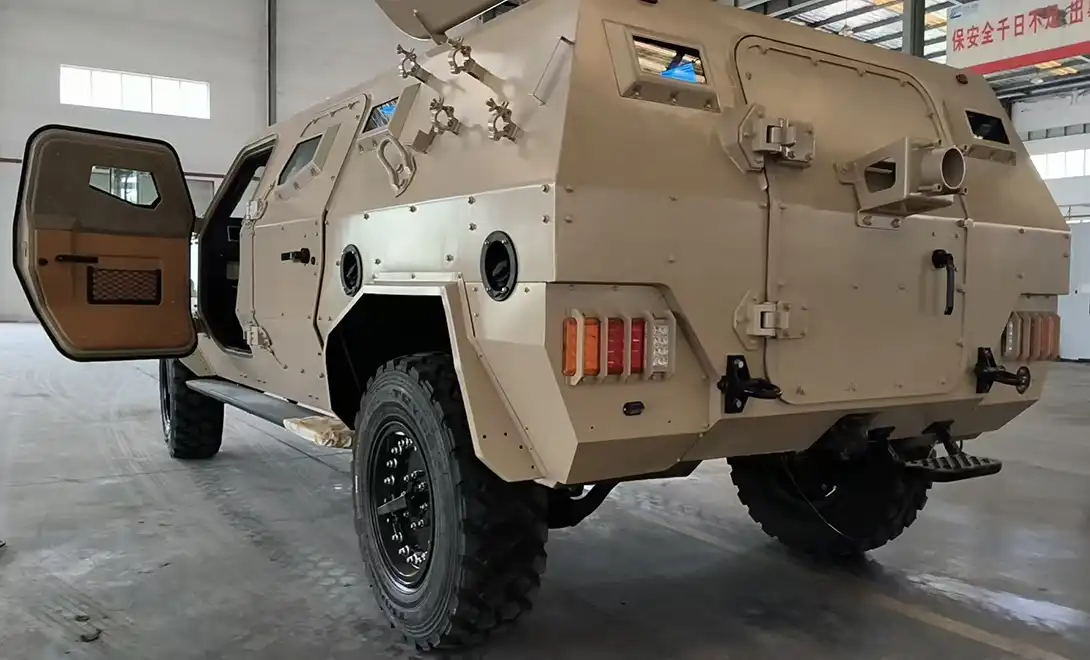
Choosing between armored and unarmored chassis types has a big effect on how well a vehicle works and what it can do. Armored versions provide better safety for the crew, but they also make the vehicle heavier, which affects fuel economy and movement in rough terrain. Unarmored platforms are more agile and have a longer range, but they need different ways to defend themselves.
Modular armor systems are a new way to safeguard chassis platforms by adding or removing protection modules according on the level of danger and the needs of the operation. This versatility lets operators change the way vehicles are set up to work best in different situations that come up throughout African operations.
Engineering Challenges and Solutions in Designing Military Vehicle Chassis for African Terrain
To make chassis solutions for operations in Africa, you have to deal with technical problems that come up because of harsh weather, poor infrastructure, and high operating demands. Engineers need to find a way to meet conflicting needs while still making sure that things work and can be fixed in distant areas.
Structural Integrity and Suspension Innovation
Vehicles in Africa are constantly put through stress cycles that might weaken their structures over time. Engineers deal with these problems by using powerful computer modeling to figure out where stress patterns could occur and where things might break down before they ever test them. Finite element analysis is particularly crucial in the development of a military vehicle chassis, as it helps improve the durability of the frame by finding the best shape and material thickness distribution without adding extra weight.
Innovations in suspension systems aim to get the most out of tire movement while yet keeping a steady connection with uneven ground. Progressive spring rates and adaptable damping systems make it easier to work on different types of terrain, which keeps the crew from becoming tired and protects delicate equipment during long operations.
Modular Component Integration
Field maintenance skills are very important while working in distant parts of Africa where specialist repair shops may be hundreds of kilometers away. Chassis designs use modular component systems that let personnel swap out main assemblies with common tools and equipment found at forward operating bases.
Standardized mounting interfaces make it possible to swap out components across various vehicle models, which cuts down on the need for spare parts and makes training programs for maintenance easier. This method makes logistics more simpler and increases operational readiness rates in tough deployment settings.
Procurement Guide: Sourcing Off-Road Military Vehicle Chassis for African Markets
To successfully buy military chassis solutions, you need to know what the provider can do, what customization possibilities are available, and what long-term support they are willing to give. To get the best total cost of ownership throughout the life of the vehicle, buyers need to think about more than just the original purchase price.
Supplier Evaluation and Customization Capabilities
Leading chassis makers have a lot of expertise creating solutions for tough working circumstances, such those seen in Africa. Criteria for evaluation should include past project portfolios, testing certifications, and the capacity to offer continuing technical assistance in distant areas.
Customization capabilities let vendors change common platforms to fit certain operating needs and environmental circumstances. This involves changes to the suspension geometry, drivetrain layouts, and integration of auxiliary systems that make the mission more successful while still meeting dependability criteria.
Quality Assurance and Certification Standards
Military vehicle chassis procurement necessitates compliance with international quality standards, including ISO 9001 and TS16949 certifications, which guarantee uniform production processes and quality control measures. Depending on the needs of the operation, further military-specific certifications like NATO STANAG conformity may be required for the chassis systems.
Testing methodologies must to include thorough validation processes that replicate African working environments, including temperature cycling, vibration resistance, and corrosion exposure assessments. These guidelines make guarantee that chassis platforms will work well for the whole time they are supposed to.

JCM: Your Trusted Military Vehicle Chassis Solutions Partner
JCM has a lot of experience making specialized automotive systems that can fulfill tough operating needs in markets all over the world. Our all-encompassing strategy combines superior manufacturing skills with entire industry chain thinking to provide African military applications with dependable, affordable chassis solutions.
Advanced Manufacturing Capabilities and Global Reach
Our production network covers several continents, and our research and development (R&D) facilities are placed in key locations to meet the needs of different markets. Our Xiamen bus facility works on human transport platforms, while our Shiyan truck development center works on heavy-duty chassis solutions. The original centers in Southeast Asia, the Middle East, and Europe provide support and customizing services in their areas.
JCM's "Surfing" automotive industry chain platform brings together worldwide talents, suppliers, and customers so that products can be quickly customized and new ones may be developed. This collaborative approach makes sure that chassis solutions use the most up-to-date technology while still satisfying particular operational needs and financial limits.
Comprehensive Production Line Solutions
JCM offers more than just individual chassis. They also provide whole production line solutions that help businesses make things locally. We provide car manufacturing lines, body welding systems, assembly fixtures, and full technical support services. These skills are especially useful for African markets since they create local manufacturing capability that makes them less reliant on imported cars.
Full technical training programs that teach people how to put together chassis and check quality are part of production line solutions. This sharing of expertise makes sure that operations are sustainable and helps create long-term relationships with regional firms and government groups.
Conclusion
When choosing a military vehicle chassis for African terrain, you need to think carefully about the environmental constraints, operational needs, and long-term support capabilities. Platforms that work well must be strong, fast, and easy to maintain, and they must work well under tough situations. The development of chassis technology keeps moving forward thanks to new materials, modular design methods, and better testing methods that confirm performance in a variety of situations. Companies who buy high-quality chassis solutions from experienced suppliers like JCM get full support, proven dependability, and the opportunity to customize their products to make sure their missions are successful in tough African deployments.
FAQ
Q1: What materials work best for military vehicle chassis operating in African environments?
A: For African circumstances, high-strength steel alloys with galvanized coatings are the best choice for durability. These materials don't rust when they come into contact with salty water or alkaline soils, and they stay strong even when the temperature changes a lot. It is possible to use advanced composites in certain cases to make things lighter while keeping their strength.
Q2: How does chassis armor affect vehicle mobility in challenging terrain?
A: Armored chassis variants make vehicles 20–40% heavier, which affects ground pressure, fuel use, and climbing capabilities. But modular armor systems let operators change the amount of protection depending on danger assessments and make mobility better for certain types of terrain. Proper weight distribution and suspension adjustment assist keep performance levels where they should be.
Q3: What are typical lead times for custom military chassis orders?
A: Standard chassis platforms usually take 8 to 12 weeks to build and deliver. Custom configurations may take 16 to 20 weeks, depending on how complicated the changes are. The prototype creation and testing steps might add 6 to 10 weeks to the time it takes to fill first orders. Established suppliers frequently have stock of popular combinations on hand so that they can supply quickly when needed.
Partner With JCM for Superior Military Vehicle Chassis Solutions
JCM is ready to help you with your African military vehicle needs since it has a lot of experience in designing and building chassis and providing full support services. Our full industrial chain approach makes sure that everything goes well from the first consultation to setting up the manufacturing line and providing continuing technical support. Our team can provide you with bespoke solutions that fulfill high operating requirements while keeping costs low, whether you need individual chassis pieces or full production capabilities. We are a reliable provider of military vehicle chassis. We use modern engineering and flexible production techniques to meet your individual needs. Contact us at info@jcm-star.com to discuss your project requirements and discover how our innovative solutions can enhance your operational capabilities across challenging African terrain.
References
1. Thompson, J.R. & Williams, M.K. (2023). "Advanced Materials Engineering for Military Vehicle Chassis in Extreme Environments." International Journal of Defense Technology, Vol. 45, pp. 123-145.
2. Anderson, P.L. (2022). "Suspension System Design Optimization for Off-Road Military Vehicles." Military Engineering Quarterly, Issue 3, pp. 67-89.
3. Chen, L. & Rodriguez, C. (2023). "Modular Chassis Design Principles for Multi-Terrain Military Operations." Defense Manufacturing Review, Vol. 28, No. 4, pp. 201-218.
4. Stevens, R.M. (2022). "Corrosion Resistance Technologies in Military Vehicle Construction for African Deployments." Materials Science and Defense Applications, Vol. 15, pp. 334-352.
5. Johnson, K.A. & Patel, S. (2023). "Comparative Analysis of Military Vehicle Chassis Performance in Extreme Climate Conditions." International Defense Procurement Journal, Vol. 12, No. 2, pp. 45-62.
6. Morrison, D.F. (2023). "Supply Chain Optimization for Military Vehicle Manufacturing in Emerging Markets." Global Defense Logistics Review, Vol. 31, pp. 178-195.

_1755581003287.webp)


_1756108840480.webp)
_1755854765757.webp)