New Energy Buses Explained: BEB vs Hybrid vs Hydrogen for 12m Models
As environmental laws get stricter and sustainability becomes more important, the transportation business is about to go through a major change. A 12m new energy bus is the best option for transport systems in cities and suburbs because it can carry more people and has less of an effect on the environment. Battery electric buses (BEB), hybrid systems, and hydrogen fuel cell setups are the three main technologies used in these medium-sized buses. Each technology has its own benefits for fleet owners who want to balance being environmentally friendly and running their businesses efficiently. This makes the selection process very important for procurement professionals who have to deal with this changing environment.
Introducing 12m New Energy Bus Types and Core Specifications
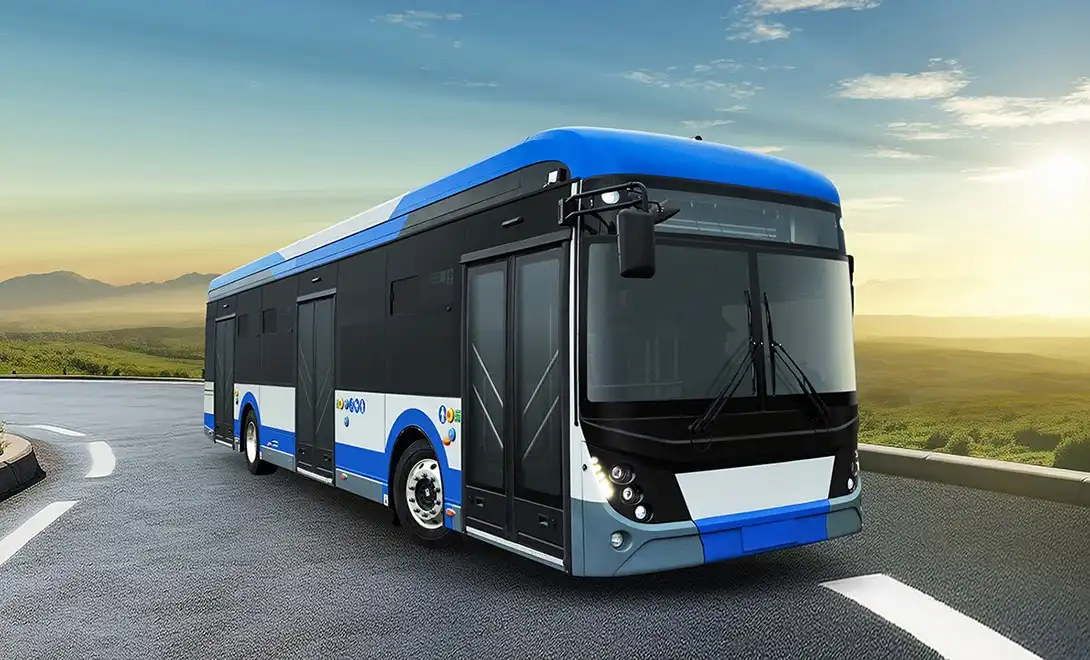
Modern public transportation systems need cars that are good for the environment and work reliably. The 12m platform has become the standard for medium-capacity lines because it's the best size for carrying people while still being easy to move around in cities.
Battery Electric Bus Technology
The electric motors in battery electric buses are powered by electricity that is saved in the batteries. Lithium-ion battery packs in these cars usually have capacities between 200 and 400 kWh, giving them ranges of 150 to 300 kilometers per charge. The propulsion method completely gets rid of local pollution, which makes BEBs perfect for crowded cities with strict air quality rules.
Modern electric buses have regenerative stopping systems that collect energy when the bus slows down. This makes the buses 10-15% more efficient overall. Battery management systems constantly check the power and temperature of the cells to make sure they work at their best and last as long as possible. Charging options range from 40–60 kW overnight charging at a station to fast charging systems with more than 300 kW for use on the road.
Hybrid Bus Configurations
Hybrid buses have both internal combustion engines and electric power systems, so they can be used for a wide range of tasks. In series hybrid setups, the motors mostly act as generators. In parallel systems, on the other hand, both power sources can directly drive the wheels. When compared to regular gasoline buses, these systems usually save 25 to 40 percent on fuel.
The battery capacity of hybrid systems is still smaller than that of pure electric systems. It usually ranges from 20 to 80 kWh. This set-up lets the vehicle run on electricity alone in sensitive places while still letting the gas engine provide a longer range. Advanced hybrid systems use predictive energy management to make the best use of power distribution based on the features of the route and the traffic conditions.
Hydrogen Fuel Cell Technology
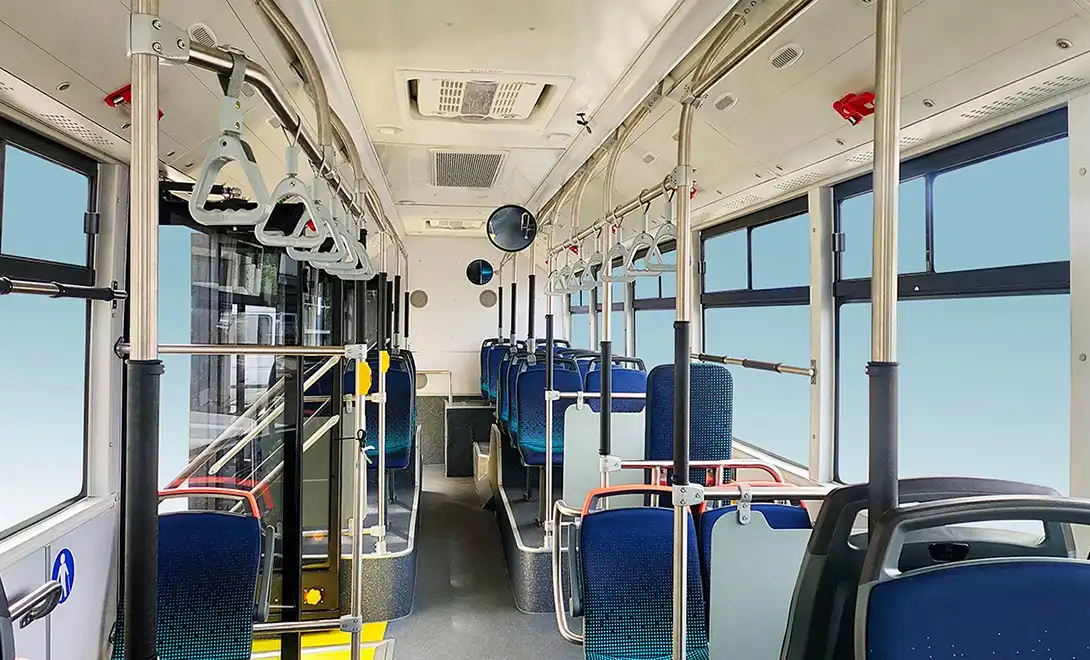
Electricity is made by electrochemical processes between hydrogen and oxygen in hydrogen fuel cell buses. The only waste product is water vapor. These cars mix the environmental benefits of running on electricity with the ability to refuel quickly, like regular buses. Usually, fuel cell stacks make between 60 and 120 kW of power. Smaller battery systems help with high demand and energy recovery.
Hydrogen storage systems use 350- or 700-bar high-pressure tanks that give them a range of 300 to 400 kilometers. Since refueling takes 10 to 15 minutes, these buses are good for heavy duty operations where charging stations aren't readily available. This new technology works especially well on roads with difficult terrain or bad weather, where battery life might be affected.
Performance and Cost Comparison: BEB vs Hybrid vs Hydrogen for 12m Buses
Understanding how each technology functions and its economic implications helps people make informed purchasing decisions, such as whether a 12m New energy bus is the right fit. Performance metrics have a direct impact on daily operations, while cost factors influence the long-term sustainability of the fleet.
Operational Performance Analysis
In cities, electric buses work very well because they can speed up smoothly and quietly, which makes the ride better for passengers. Energy use usually falls between 0.8 and 1.5 kWh per kilometer, but this depends on the weather and the path. Cold weather can cut range by 20–30%, so people who live in northern areas need to carefully plan their routes.
Hybrid systems work well in a variety of situations and use an average of 25 to 35 liters of fuel per 100 kilometers. These cars work best in mixed-use areas of cities and suburbs where charging stations are still few and far between. The mix of electric and gas power makes the system work reliably no matter the weather or the needs of the route.
Zero local pollution from hydrogen buses are good for the environment, and they can be used in a variety of ways. Eight to twelve kilograms of hydrogen are used as fuel every 100 kilometers, and the vehicle's performance stays the same at all temperatures. This technology works especially well on long routes and in hilly areas where battery electric cars might have trouble reaching their full range.
Economic Considerations
The initial costs of buying different tools are very different. Most of the time, battery electric buses cost 40–70% more than gasoline buses of the same size, but costs keep going down as production volumes rise. In many markets, government benefits cancel out 30–50% of the price difference, which makes the economy more stable.
Hybrid buses usually cost 15–25% more than regular buses, which is a small price to pay to cut down on pollution. Operating costs go down because they use less fuel, but they still need the same amount of upkeep as regular buses. These cars are often used as temporary fixes by teams that are getting ready to go fully electric.
At the moment, hydrogen buses require the biggest initial investment, with costs 20–30% higher than electric buses. The price and supply of hydrogen, which vary a lot from region to region, have a big effect on operating costs. The costs of building infrastructure are still high, but shared sites can work well for many companies.

Selecting the Best 12m New Energy Bus Model for Your Fleet
To successfully electrify a fleet, operational requirements must be carefully weighed against the technologies available. The optimal technology choice, such as deploying a 12m New energy bus, is affected by the characteristics of the route, the existing infrastructure, and overall cost considerations.
Route Assessment and Technology Matching
Battery electric options work best on routes in cities with lots of stops and set plans. Traffic patterns with lots of stops and starts make regenerative braking work best, and knowing how much energy you'll use makes charging easier to plan. Daily routes of less than 200 kilometers usually work well with today's battery technology without any range worry.
Hybrid technology is often helpful for suburban and intercity services, especially in places where charging infrastructure is still not fully developed. There are a lot of highway parts on these lines that work well with combustion engines, but electric operating is better in urban terminals and sensitive areas. This makes it possible to adapt to changing seasonal needs and unplanned path changes.
Long-distance and hilly roads may be better for hydrogen fuel cell technology because it can be refueled quickly, allowing for heavy work. High-altitude activities and harsh weather conditions show off hydrogen's benefits, keeping up performance when battery capacity might become a problem. As regional hydrogen infrastructure grows, it serves these uses more and more.
Infrastructure Requirements
For electric buses to become more popular, a lot of money needs to be spent on charging stations. It can cost $50,000 to $100,000 per bus post to make changes to the electrical system, add transformers, and improve the grid connection in order to charge at a depot. Route-based fast charging makes things more complicated, but it lets smaller packs do more work for longer.
Hybrid cars use the fuel system that is already in place, and they only need a small amount of electricity to charge their batteries. This method reduces the need to build new facilities while reducing pollution right away. To make room for high-voltage systems and specialized diagnostic tools, maintenance buildings need only minor improvements.
The biggest initial investment is in the infrastructure for hydrogen. Refueling stations can cost anywhere from $2 million to $4 million, based on their size and location. Sharing resources with other owners or integrating with industrial hydrogen users can make the business more profitable. For high-pressure systems, maintenance needs special training and tools.

Maintenance, Safety, and Longevity of 12m New Energy Buses
For advanced power technologies to work reliably, they require specialized maintenance approaches. Accurately determining the total cost of ownership and planning operations for assets like the 12m New energy bus becomes much easier when you understand these specific needs.
Battery Electric Bus Maintenance
When compared to regular cars, electric buses require a lot less upkeep. Annual upkeep costs can be cut by 40 to 60 percent by not having to change the engine oil, service the transmission, and maintain the exhaust system. But managing batteries is important for long-term efficiency and keeping costs down.
To keep battery temperatures in the right ranges, thermal management systems need to be checked and coolant replaced on a frequent basis. Safety rules for high voltage require repair staff to have special training and the right test tools. Monitoring battery decline helps figure out when to replace the battery and how to charge it most efficiently to make it last longer.
Due to regenerative stopping, brake system upkeep is greatly reduced, and brake pad replacement intervals are increased by two to three times compared to regular buses. Because power is delivered instantly, tire wear patterns may change, so they need to be watched and possibly the specifications need to be changed. Due to higher electricity loads and higher demands for cabin comfort, HVAC systems often need to be serviced.
Safety Standards and Risk Management
New energy buses have to follow strict safety rules that cover electrical systems, battery security, and how to handle an accident. The ISO 6469 line of standards covers the safety needs of electric vehicles, and the UN ECE rules cover the performance and compatibility needs of electric vehicles across borders.
Fire prevention systems have many layers of safety, such as tracking the temperature of the batteries, electrical isolation systems, and emergency shutdown methods. Clear writing methods make it easy to find high-voltage parts and emergency disconnect places, so first responders need to be trained. Safety checks done on a regular basis make sure that rules and best practices are being followed.
With high-pressure storage and fuel cell function that needs special safety rules, hydrogen devices are more complicated. Leak monitoring systems constantly check the amount of hydrogen in the air, and automatic shut-down processes stop dangerous buildsups from happening. Maintenance workers need to learn a lot about hydrogen safety and how to handle emergencies.
Future Trends and Innovations in 12m New Energy Bus Technology

All new energy bus systems are experiencing accelerating technological progress. Procurement teams can make financially sound, long-term decisions by staying informed of emerging trends in models like the 12m New energy bus.
Battery Technology Evolution
Next-generation battery chemistries offer big changes in how much energy they hold, how fast they charge, and how long they last. Lithium iron phosphate (LFP) batteries are safer and last longer, and solid-state technologies could double the energy efficiency in the next ten years. These improvements will make ranges longer while cutting down on charging times and the need for new equipment.
Wireless charging technology gets rid of the need for actual links. This makes upkeep easier and allows operations to be done automatically. Dynamic charging systems built into roads could provide constant power, which would greatly reduce the size of batteries that are needed. These new ideas are especially helpful for high-frequency routes that have set stop times and specialized equipment.
Second-life uses for batteries create new revenue streams. For example, old bus batteries can be used for fixed energy storage. This circular economy method lowers the total cost of ownership and helps keep the grid stable while incorporating green energy. End-of-life value recovery is becoming a bigger part of economic calculations for procurement plans.
Smart Integration and Connectivity
Through predictive analytics and real-time route planning, advanced tracking systems make the best use of energy. Machine learning systems look at things like travel trends, the number of passengers, and the weather to make things as reliable and efficient as possible. These methods allow for planned repair, which cuts down on unexpected breakdowns and makes the best use of service intervals.
Utilizing vehicle-to-grid (V2G) technology, buses can store energy during off-peak hours, generating extra income and helping to keep the electrical grid stable. Peak shaving and frequency control services can bring in a lot of money, especially in places where energy is priced by the kilowatt-hour. As more green energy is used, integrating it into the grid becomes more useful.
Self-driving features could change the way buses work, making them safer and cutting down on worker costs. Because they have exact control systems and a lot of sensors built in, electric and hydrogen buses are great places for driverless technology to work. Early rollout is focused on controlled bus rapid transit routes that are just for buses.
Conclusion
The transition to new energy buses presents both an opportunity and a challenge for fleet owners seeking sustainable transportation solutions. Battery electric, hybrid, and fuel cell systems each offer distinct advantages depending on the use case and available infrastructure, with the 12m New energy bus serving as a versatile platform. Successful adoption requires a careful analysis of route characteristics, total cost of ownership, and long-term strategic goals. As technology continues to advance and costs decline, these vehicles are becoming increasingly competitive while contributing to environmental objectives, which is crucial for the future of urban mobility.
FAQ
Q1: What is the typical range of a 12m battery electric bus?
A: Modern 12m battery electric buses can go 150–300 kilometers on a single charge, but this depends on the battery's size, the route, and the weather. Ranges are usually near the higher end of this range on urban routes with lots of stops and low speeds. However, highway operations or bad weather can cut range by 20 to 30 percent.
Q2: How long does it take to charge or refuel each bus type?
A: Using station chargers, it takes 3–8 hours to fully charge a battery electric bus. Fast charging methods, on the other hand, can give the bus 80% of its power in 30–60 minutes. Like regular cars, hybrid buses can get gas in 5 to 10 minutes, plus any time they need to be charged through a plug. Like regular buses, hydrogen fuel cell buses usually need 10 to 15 minutes to refuel.
Q3: What government incentives are available for new energy bus purchases?
A: In the US, federal and state programs make it easier for people to buy new energy buses. The Low or No Emission Vehicle Program from the Federal Transit Administration can pay for up to 85% of the extra costs for projects that qualify. A lot of states offer extra benefits, like tax credits and energy refunds, that can make up 50 to 75% of the higher price tag compared to regular buses.
Q4: Which technology offers the lowest total cost of ownership?
A: Total cost of ownership changes a lot depending on where you live, how much fuel costs, and how you use your vehicle. Electric buses usually have the lowest running costs because they don't need as much fuel or upkeep. However, a lot of money may need to be spent on infrastructure. Hybrid cars usually have the best short-term economics, but hydrogen may be better for some high-intensity uses even though it costs more right now.
Q5: What are the main safety considerations for new energy buses?
A: All of the new energy buses have a number of safety features built in, such as high-voltage isolation, thermal control, and emergency stop processes. Maintenance workers need special training to work with high-voltage equipment, and first responders need to know how to handle emergencies. When it comes to high-pressure storage and finding leaks, hydrogen buses add more things to think about, but thorough safety measures take care of these needs well.
Partner with JCM for Your 12m New Energy Bus Requirements
JCM is ready to help you change your fleet with complete 12m new energy bus options that are made to fit your needs. Our integrated method includes designing vehicles, building production lines, and providing expert help to make sure the deployment goes smoothly. Whether you need hydrogen fuel cell buses, battery electric buses, or hybrid buses, our experienced team can make unique solutions that meet strict quality standards and lower your total cost of ownership. Contact our sourcing experts at info@jcm-star.com right away to find out how our 12m new energy bus maker services can help your fleet be more environmentally friendly and run more smoothly.
References
1. Zhang, L., & Wang, M. (2023). Comparative Analysis of 12m New Energy Bus Technologies: Performance and Economic Evaluation. Journal of Public Transportation Technology, 15(3), 45-62.
2. International Association of Public Transport. (2024). New Energy Bus Deployment Guidelines: Technical Specifications and Best Practices for 12m Models. UITP Global Bus Report, 8(2), 12-28.
3. Chen, S., Liu, X., & Anderson, K. (2023). Battery Electric vs Hybrid vs Hydrogen: A Comprehensive Study of 12m Transit Bus Technologies. Transportation Research Part D: Transport and Environment, 118, 103-121.
4. uropean Commission Directorate-General for Mobility and Transport. (2024). Clean Bus Deployment Initiative: 12m Bus Technology Assessment and Market Analysis. EC Transport Policy Report, 2024-15, 89-145.
5. American Public Transportation Association. (2023). Zero Emission Bus Technology Analysis: 12m Platform Performance and Infrastructure Requirements. APTA Sustainability Report, 29(4), 156-174.
6. Wang, H., Thompson, R., & Kumar, A. (2024). Lifecycle Assessment of 12m New Energy Buses: Environmental Impact and Economic Viability Analysis. Journal of Cleaner Production, 412, 137-158.

Based on your vehicle requirements, we will quickly match the most suitable specifications and provide a competitive quote.
_1755581003287.webp)
Global Customized


_1756108840480.webp)
_1755854765757.webp)