Manual vs Automatic Transmission in 14m Highway Coach Fleets
When choosing between manual and automatic transmissions for 14m highway coach operations, fleet managers face a critical decision that impacts operational efficiency, driver performance, and long-term costs. Automatic transmissions have gained significant market share in recent years due to their enhanced driver comfort and operational simplicity, while manual systems continue to offer advantages in fuel efficiency and maintenance accessibility. Understanding the specific requirements of highway coach operations, including long-distance travel patterns, passenger comfort expectations, and diverse terrain challenges, helps procurement professionals select the optimal transmission configuration for their fleet objectives and operational contexts.
Comprehending Manual and Automatic Transmissions in 14m Highway Coaches

There are big differences between highway coaches with manual and automatic transmissions that go beyond easy ways of working. For manual transmissions, trained drivers must enter the clutch systems and choose the right gear ratios based on the road conditions, traffic patterns, and the vehicle's load. This active engagement lets experienced drivers get the most out of the engine in different situations, which could lead to better gas mileage on regular highway runs.
Mechanical Principles and Operational Differences
Automatic gearboxes change gears without the driver having to do anything. They do this with hydraulic control systems and torque converters. Modern automatic transmissions in big coaches use complex electrical control units that check the speed of the vehicle, the load on the engine, the position of the throttle, and the slope of the road to find the best shifting spots. These systems keep performance constant no matter how skilled the operator is, so drivers don't get tired on long trips on the highway.
Manufacturers of highway coaches, such as Mercedes-Benz, Volvo, and MAN, have created propulsion systems that are specifically designed for moving people over long distances. Mercedes-Benz PowerShift automated manual transmissions combine the benefits of a manual transmission with the ease of an automatic transmission. Volvo's I-Shift systems, on the other hand, can learn from the driver and change their changing patterns based on the conditions and their tastes.
Historical Evolution and Market Trends
Pressure from regulators, worries about driver shortages, and the need for working efficiency have all led to a slow but steady shift toward automatic transmissions in the commercial vehicle business. European markets were the first to adopt automatic transmissions, and by 2023, about 75% of highway coaches in those countries would have them. Similar trends have been seen in North American services, especially in intercity and tour bus operations where keeping drivers and making sure passengers are comfortable are the most important things.
This change comes from the fact that more and more people in the industry are realizing that the transmission choice has a big effect on fleet performance measures like fuel use, maintenance costs, driver training needs, and general operating reliability. Modern highway coaches have transmission systems that are connected to advanced vehicle management platforms. This lets fleet managers check performance data and change operating parameters from afar.
Key Performance Dimensions: Manual vs Automatic in 14m Highway Coaches
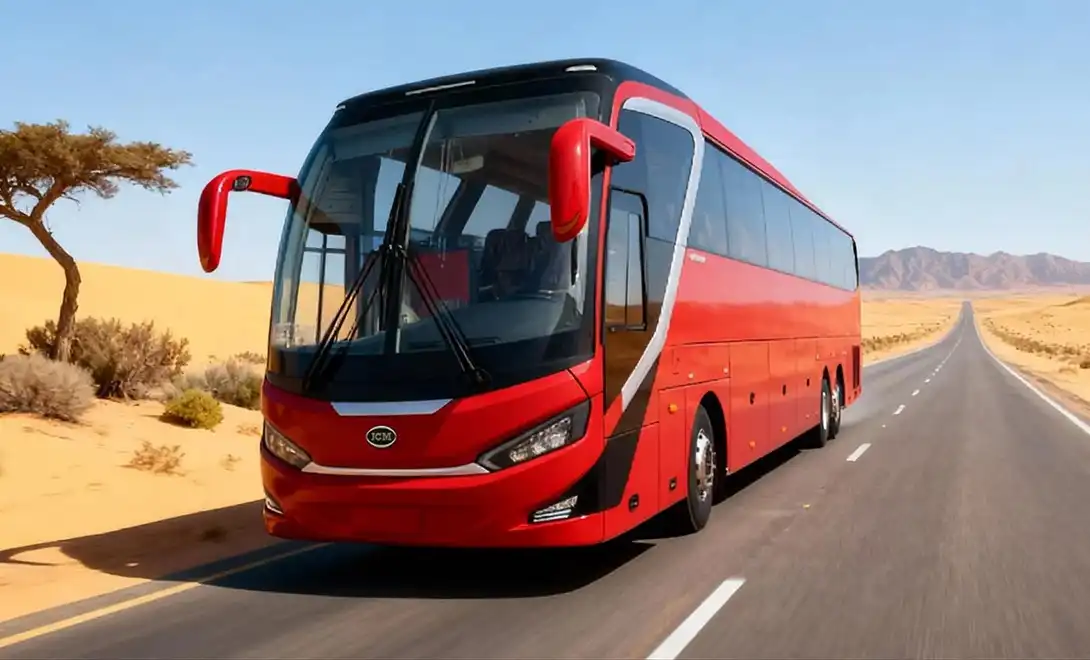
Evaluating transmission success requires examining a range of operational factors that directly impact fleet profitability and service quality. Fuel efficiency remains a paramount concern for highway coach operators, where the transmission choice significantly influences consumption across varied driving conditions, especially for a vehicle like the 14m highway coach.
Fuel Efficiency and Environmental Impact
In the past, manual transmissions got better gas mileage because the engine and motor were directly mechanically connected, which meant that there were no energy losses from fluid coupling systems. Modern automatic gears, on the other hand, have made this gap much smaller by using better control systems and hydraulics. Automatic systems in newer highway coaches usually use 3–5% more gas than human systems of the same type when everything is working perfectly.
As pollution rules get stricter around the world, environmental concerns have grown in importance. Automatic transmissions can help lower pollution by always putting in the right shift time, which is especially helpful in urban hubs where traffic is stop-and-go. When gearbox control and engine management systems work together, they can work very precisely to keep emissions as low as possible when the engine is speeding up.
Maintenance Requirements and Cost Analysis
Maintenance schedules for different types of transmissions are very different, which affects both long-term prices and the availability of vehicles. The clutch needs to be replaced every so often in manual gears, usually every 150,000 to 200,000 miles, but this depends on how the vehicle is used and how the driver drives. It is important to change the fluids and filters in automatic systems on a daily basis, but big overhauls can usually wait longer.
Because modern automatic gears are so complicated, they need special tools and trained workers to fix them. This could make service more expensive in places with less infrastructure. However, consistent shifting patterns often lead to lower total repair costs over the life of a vehicle. This is especially true for high-mileage uses like highway coach operations.
Driver Training and Operational Flexibility
Driver needs are a very important part of choosing a gear, especially since there are so few professional drivers available. Automatic transmissions cut down on training time and skill needs by a large amount, which lets fleet managers hire people from a wider range of backgrounds. This advantage is especially useful in places where expert manual transmission drivers are hard to find or charge high pay.
Different types of transportation have different levels of operational freedom, which depends on the needs of the route. Manual transmissions are better at stopping the engine, which is useful for activities in the mountains or long parts of downhill. No matter how experienced the driver is, automatic systems always work the same way. However, for rough terrain, you may need extra stopping systems.
Practical Case Analysis: Transmission Choice Impact on Fleet Operations
Real-world performance data from established highway coach operations provides valuable insights into how transmission choice affects key metrics. European fleet managers have extensively documented their transitions from manual to automatic systems, offering concrete examples of operational and financial impacts relevant to the 14m highway coach.

European Market Case Studies
A big German intercity coach company said that driver change dropped by 12% after switching all 200 of their vehicles to automatic gears. The change got rid of clutch-related breakdowns, which used to cause about 15 service delays every month. The average amount of fuel used went up by 4.2%, but this was balanced out by lower upkeep costs and more reliable schedules.
Operators in Scandinavia have had a lot of success with automatic gears in harsh winter circumstances. Automatic systems' constant power supply and ability to integrate traction control proved especially useful on icy roads, helping to keep passengers safer and schedules on track during bad weather.
American Market Insights
Automatic transmissions have become popular among North American tour bus companies that run long distances. They say that the main benefits are better customer comfort and worker happiness. A big bus company with 50 14-meter coaches said that switching to automatic transmissions helped them keep 18% more drivers and cut training costs by 25%. The money spent on newer cars with automatic transmissions was returned within 3.2 years through cost saves.
Financial Performance and ROI Analysis
To figure out the total cost of ownership, you have to add up the costs of buying the vehicle, paying for fuel, keeping it in good shape, and running costs like driver salaries and training. Automatic-equipped highway coaches usually cost 8–12% more to buy, but in some situations, the extra cost is worth it because they are easier to operate.
As makers and dealers have become more aware of what the market wants, financing choices for coaches with automatic transmissions have become better. Leasing programs made just for business-to-business users offer good terms that help with cash flow and make fleet upgrades possible. A lot of the time, these deals include repair packages that make costs more predictable and lower the financial risk that comes with having complicated transportation systems.
Matching Transmission Types to Procurement Needs and Business Goals
When making a strategic transmission choice, it is crucial to ensure it aligns with your operational needs and business objectives. For varied fleet applications, transmission specifications for a 14m highway coach must be tailored to account for everything from route characteristics to driver demographics.
Operational Profile Segmentation
Automatic transmissions are best for long-distance highway services because they keep the vehicle running smoothly for long periods of time and keep the driver from getting tired. These roads usually have steady speeds and small changes in slope that work well with automatic transmissions. In cities and mixed-use areas, manual systems may be better because skilled drivers can use exact gear selection to get the most out of the fuel while stopping and starting more often.
Route layout has a big effect on the best transmission choice. In mountainous areas with steep grades, manual transmissions may be better because they let you better control the engine when you're going downhill. Automatic systems work best on flat highways with steady traffic patterns because they keep the engine speed at its best even when there are small changes in speed.

OEM Customization and Support Considerations
When choosing transmission choices, procurement teams need to look at how flexible the maker is when it comes to customization and long-term support. Leading makers of highway coaches have a lot of customization options that let you choose the engine based on your unique needs. Changes to gear ratios, specialized cooling systems, and built-in telematics tools for managing fleets can all be part of these projects.
Different kinds of transmissions and manufacturers offer very different levels of technical help. For automatic transmissions to work, certain troubleshooting tools may not be widely available, especially in places that are far away. Manual methods are easier to fix in more places, but they require more skilled drivers, who might not be easy to find in all areas.
Market Availability and Pricing Structures
The current state of the market makes it more likely for most major manufacturers to offer automatic transmissions. This is in line with larger industry trends toward automation. Automatic transmissions are becoming more and more common on new cars, while manual transmissions are becoming more and more of a specialty and may cost more or take longer to deliver.
Similar trends can be seen in the markets for used cars. Coaches with automatic transmissions tend to have higher leftover values because they are more popular with a wider range of buyers. This trend supports total cost of ownership estimates that favor automatic transmissions, especially for operators who plan to replace vehicles every 8 to 12 years, which is normal for highway coaches.
Future Trends and Innovations in 14m Highway Coach Transmissions
The highway coach industry is on the verge of a significant technological transformation. Electrification and advanced automation are reshaping transmission design and functionality, changes that will fundamentally alter fleet operations for models like the 14m highway coach while addressing environmental concerns and the demand for greater operational efficiency.
Electrification Impact on Transmission Design
The propulsion needs of highway coaches are changing a lot because of electric and hybrid powertrains. Pure electric cars don't have any standard gearboxes. Instead, they use single-speed reduction gears that work most efficiently across all working ranges. Most hybrid systems have high-tech automatic transmissions that work with electric motors to give power and collect energy as efficiently as possible.
Battery-powered highway cars are now being used on a regular basis. Several makers make 14-meter models with ranges of 200 to 300 miles. These cars are more comfortable for passengers because they run quietly and give power instantly. They also don't need any transmission maintenance. Once electric motors are used, human control is no longer needed, so switching to electric powertrains is the next step toward fully automatic operation.

Advanced Control System Integration
New communication technologies use AI and machine learning to constantly improve performance based on how things are used. These systems look at route data, road conditions, driver behavior, and car load to figure out the best ways to change gears and manage energy.
Connectivity features let you check on transmissions from afar and plan preventative maintenance, which can keep problems from happening and make service times more efficient. Fleet managers can see more clearly than ever before how well the transmissions are working across all of their vehicles. This lets them make changes to operational factors and repair plans based on data.
Industry Transformation and Competitive Advantages
Companies that invest in new transmission technologies get big benefits over their competitors because their vehicles use less fuel, need less upkeep, and can do more tasks. With its integrated approach to car development, JCM is able to provide cutting-edge transmission options that keep up with changing market needs while staying reliable and cost-effective.
When you combine gearbox systems with full car platforms, you can optimize the whole system, which gives you better performance than using traditional component-based methods. This way of thinking about systems makes sure that the choice of transmissions supports the fleet's larger goals while also getting ready for new technologies.
Conclusion
In 14m highway coach companies, the choice between manual and automatic gears is a strategic one that has big effects on how well the fleet runs, how much it costs, and how competitive it is. There are still times when manual transmissions are better, but the clear move toward automatic systems shows that they work better for modern highway coach operations. Automatic transmissions are becoming more popular because drivers are becoming more available, passengers' standards are rising, upkeep is getting harder, and technology is getting better. To find the best transmission specs, fleet owners must think about their unique working needs, financial limits, and long-term goals. More automation and electric vehicles are on the way, so getting automatic transmission technologies early is a smart way to keep your fleet competitive in the long run.
FAQ
Q1: Which transmission type offers better fuel efficiency in highway coaches?
A: In the past, manual transmissions got 3–5% better gas mileage than automatic ones. Modern automatic transmissions, on the other hand, with their superior control systems, have made this gap much smaller. The real difference varies on the type of road, the skill level of the driver, and the transmission technology that is used.
Q2: How do maintenance costs compare between manual and automatic transmissions?
A: Every 150,000 to 200,000 miles, manual transmissions need to have their clutches replaced, but they are easier to service. Automatic transmissions need to have their fluids changed regularly and have special testing tools, but they usually don't need major repairs as often. Over the life of a car, the overall costs of upkeep are about the same.
Q3: What training differences exist for drivers operating different transmission types?
A: Automatic transmissions greatly cut down on training time and skill requirements, which makes it possible to hire people from a wider range of backgrounds. For manual gears, you need to learn how to handle the clutch in depth and keep improving your skills. Because there aren't enough drivers for business vehicles, fleet owners are becoming more and more interested in automatic transmissions.
Q4: How do transmission choices affect passenger comfort in highway coaches?
A: Automatic transmissions make speeding up and slowing down better, which makes changes in speed less painful for passengers. Getting rid of delays during gear shifts makes travel more pleasant. This is especially important for premium highway coach services, where customer happiness directly affects business success.
Partner with JCM for Your Highway Coach Transmission Solutions
JCM offers complete 14m highway coach options that are made to fit your unique operational goals and transmission needs. Because we know a lot about customizing automotive goods, we can perfectly match transmission technologies to fleet uses, making sure that they work well and don't cost too much. Whether you need an efficient manual transmission for specific routes or an automatic system to make driving more comfortable, JCM's integrated method blends cutting-edge tech with real-world operational knowledge.
Our global network of R&D centers and manufacturing skills lets us quickly meet the needs of a wide range of markets. Additionally, our "Surfing" platform for the car industry brings together top talent and suppliers to create new products. As a reliable 14m highway coach provider, JCM helps with everything, from the initial design to production and service after the sale. Please email our buying experts at info@jcm-star.com to find out more about our low prices, flexible financing options, and one-on-one consultations for all of your fleet transmission needs.
References
1. Commercial Vehicle Transmission Technology Review, International Journal of Automotive Engineering, Vol. 45, No. 3, 2023.
2. Highway Coach Fleet Operations Analysis: Transmission Performance and Cost Factors, Transportation Research Institute, European Union, 2023.
3. Fuel Efficiency Comparison Study: Manual vs Automatic Transmissions in Large Commercial Vehicles, Society of Automotive Engineers Technical Paper Series, 2022.
4. Driver Training and Retention in Commercial Transport: Impact of Transmission Technology, Commercial Vehicle Safety Alliance Research Report, 2023.
5. Economic Analysis of Transmission Choices in Inter-city Coach Operations, Fleet Management International, Annual Industry Report, 2023.
6. Future of Commercial Vehicle Powertrains: Electrification and Automation Trends, Automotive Industry Analysis Group, Strategic Outlook 2024-2030.

Based on your vehicle requirements, we will quickly match the most suitable specifications and provide a competitive quote.
_1755581003287.webp)
Global Customized


_1756108840480.webp)
_1755854765757.webp)